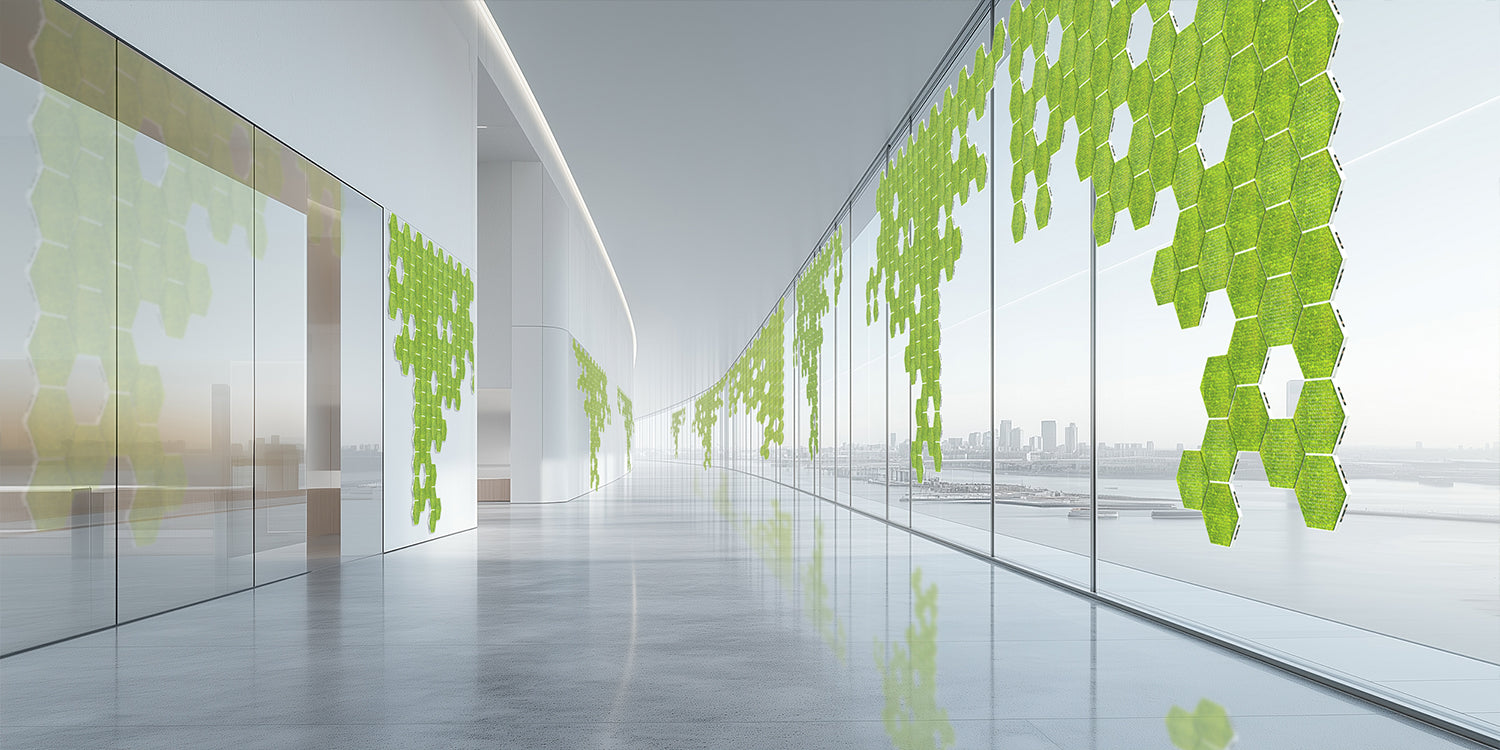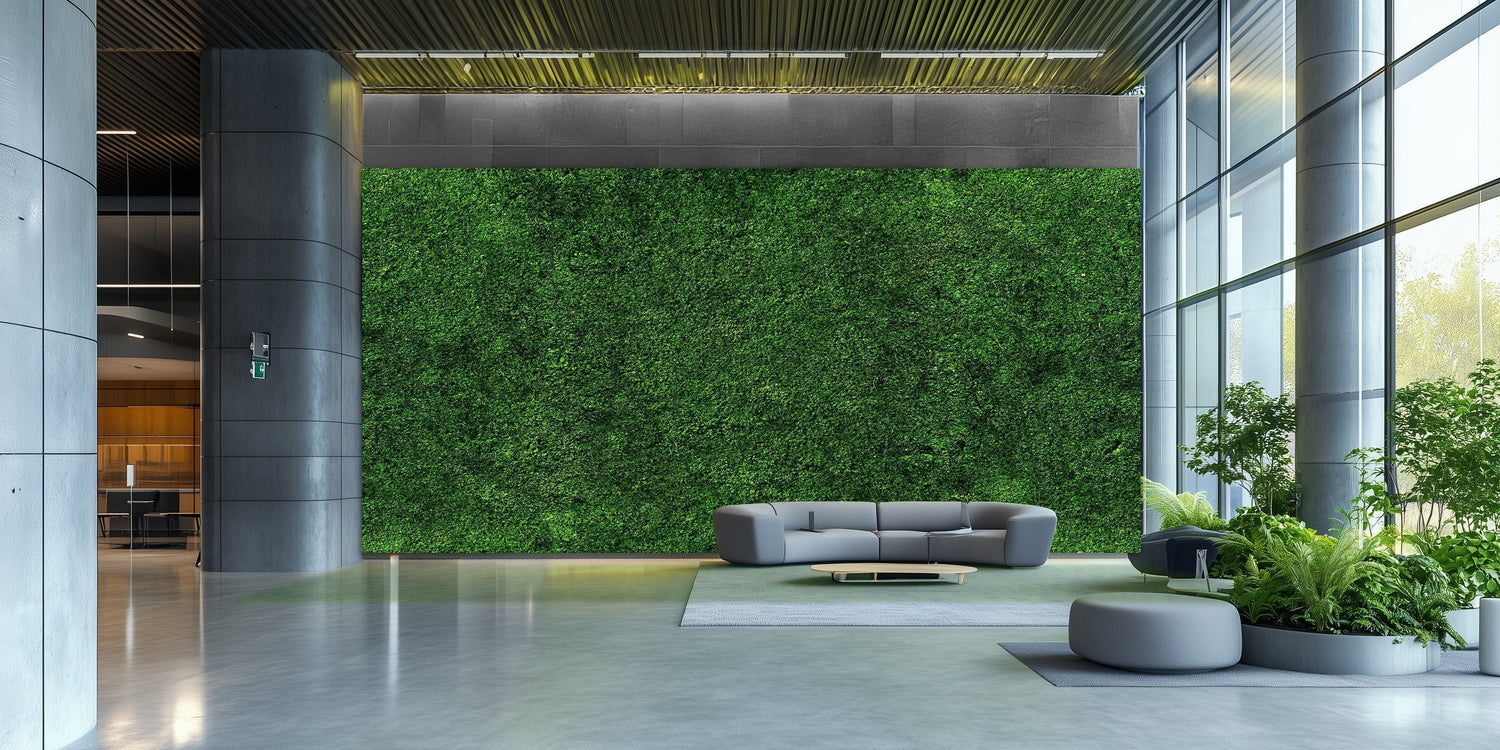
The modern world often confines us within walls, yet our innate affinity for the natural world remains. We, as human beings, possess an inherent connection to nature, a bond that significantly impacts our well being. This understanding has fueled a powerful movement in interior design: the rise of nature inspired interior design. It’s more than just a passing trend; it’s a response to our fundamental need to reconnect with the natural environment, even within our indoor spaces. But what happens when this desire to bring nature indoors merges with cutting-edge technology? We see innovations like Mosslab's Nature Signage, a groundbreaking platform where biophilic design meets interactive technology to create healthier, more engaging living spaces.
What is Nature-Inspired Interior Design Called?
Often, nature-inspired interior design is referred to as biophilic design. The term 'biophilia' itself originates from Greek words meaning 'love of life'. At its core, biophilic design is an approach to architecture and interior design that seeks to incorporate natural elements and processes into the built environment. It's about designing spaces that foster a strong connection to nature, acknowledging that this link is crucial for our mental health and overall well being. This approach goes beyond simply adding a few plants; it’s a holistic philosophy aimed at creating spaces that nurture and inspire. Biophilic design seeks to improve our daily lives by reinforcing our bond with the natural world.
How is Interior Design Inspired by Nature?
Interior design inspired by nature manifests in numerous ways. Traditionally, interior designers achieve this by:
- Maximizing natural light: Utilizing large windows and reflective surfaces to flood interior spaces with sunlight, which is known to improve mood and regulate circadian rhythms. The strategic use of natural light is paramount.
- Incorporating natural materials: Using wood, stone, bamboo, and cork for flooring, furniture, and finishes introduces natural textures and earthy tones. These natural materials connect us to the outdoors.
- Using a nature-based colour palette: Employing shades of green, blue, brown, and beige found in nature to create a peaceful environment. This colour palette can have a calming effect.
- Incorporating plants: Indoor plants not only add visual appeal but also improve air quality. Incorporating plants is a key tenet of biophilic interiors.
- Evoking nature through patterns and shapes: Using botanical prints, organic shapes, and patterns found in nature (like honeycombs or leaf veins) can mimic nature.
However, the field is evolving. Today, integrating nature also involves innovative technologies that actively engage with the environment. This is where Mosslab's Nature Signage platform comes in, representing a new frontier for biophilic interior design. It actively brings nature inside.
Mosslab's Nature Signage: A Living, Breathing Innovation
Mosslab is pioneering a unique fusion: smart interactive displays integrated with a moss biochar concrete filter platform. Imagine a digital sign in a commercial building or public space that not only provides information but also actively purifies the air and captures carbon. This is Nature Signage.
This system combines a vertical moss surface – a vibrant slice of the natural world – with digital signage. It’s a prime example of how biophilic design elements can be functional as well as aesthetic. Here’s how it works:
- Moss Photosynthesis: The living moss layer naturally absorbs CO₂ and releases oxygen, directly improving air quality.
- Biochar Concrete Filtration: A durable biochar concrete layer acts as a physical filter, capturing pollutants and providing long-term carbon storage. This layer enhances the overall air quality.
- Interactive Display: The digital screen provides information, communication, or even natural scenes, creating a dynamic, engaging experience.
This synergy transforms walls into living, breathing entities, demonstrating how we can incorporate natural elements in previously unimaginable ways. It’s a step towards a sustainable balance between technology and nature.
The Power of Biophilic Design: Benefits for Well-Being
The drive towards biophilic interior design isn't just about aesthetics; it's rooted in tangible health benefits. Creating living spaces that embrace nature positively impacts our physical and mental well being. The benefits include:
- Reduced Stress Levels: Exposure to natural elements, even visually, can lower blood pressure and reduce stress. Biophilic design aims to reduce stress. This creates a peaceful environment and positive atmosphere.
- Improved Mental Health: Nature inspired interiors can boost mood, enhance focus, and improve cognitive function. A strong connection to nature is vital for our mental health.
- Better Air Quality: Incorporating plants and innovative systems like Mosslab’s significantly improves indoor air quality, reducing pollutants and increasing oxygen. Better overall air quality supports health.
- Enhanced Well-being: Ultimately, biophilic interiors contribute to our overall well being, making spaces more comfortable, productive, and restorative. It promotes well being.
Mosslab's Nature Signage directly addresses these points, offering a tangible way to reduce stress, improve air quality, and enhance the overall well being of occupants by bringing elements of the natural world into our indoor spaces.
Integrating Nature Through Technology: Not Just a Passing Trend
Some might wonder if the focus on biophilic design is just a passing trend. All evidence suggests otherwise. As our lives become increasingly urbanized and digital, the need for a connection to nature becomes more critical. Biophilic design isn't merely a style; it's a fundamental shift in how we approach interior design, recognizing the deep-seated need of human beings to connect with nature.
Innovations like Mosslab's Nature Signage demonstrate that biophilic design is adaptable and future-focused. It shows that we can bring nature into our living spaces without sacrificing technological advancement. By merging interactive displays with living filters, Mosslab creates interior spaces that are both smart and sustainable. This approach, rooted in biophilic interior design principles, offers a pathway to healthier urban environments.
Natural Styles and Colour Palettes
While high-tech solutions emerge, traditional nature inspired aesthetics remain important. Natural style interior design emphasizes authenticity, using natural materials, organic shapes, and earthy tones. Think of lush greens, warm woods, and stone textures.
What about the 3 color rule in interior design? This is a classic guideline suggesting a palette dominated by three colours:
- Dominant Color (60%): Usually a neutral or a muted shade, setting the overall tone.
- Secondary Color (30%): A supporting colour that adds contrast and interest.
- Accent Color (10%): A bold or vibrant colour used sparingly for impact.
In nature inspired interiors, this could translate to beige walls (dominant), wooden furniture (secondary), and the vibrant green of Mosslab’s living wall or other indoor plants as an accent (10%). This colour palette helps create a cohesive and visually pleasing space that reflects the natural world.
Embracing a Greener Future, Indoors
Nature inspired interior design, particularly its technologically advanced form, biophilic interior design, is revolutionizing how we experience indoor spaces. It’s about more than just aesthetics; it's about creating environments that actively support our well being, mental health, and connection to nature.
Mosslab's Nature Signage is a testament to this evolution. It proves that we can incorporate natural elements in ways that are both beautiful and functional, even within our most modern built environment. By bringing nature indoors through living filters and interactive displays, we are not just decorating; we are designing spaces that foster a healthier, more sustainable future, promoting a greater sense of overall well being and helping us reduce stress in our daily lives. The future of interior design looks green, and it breathes.