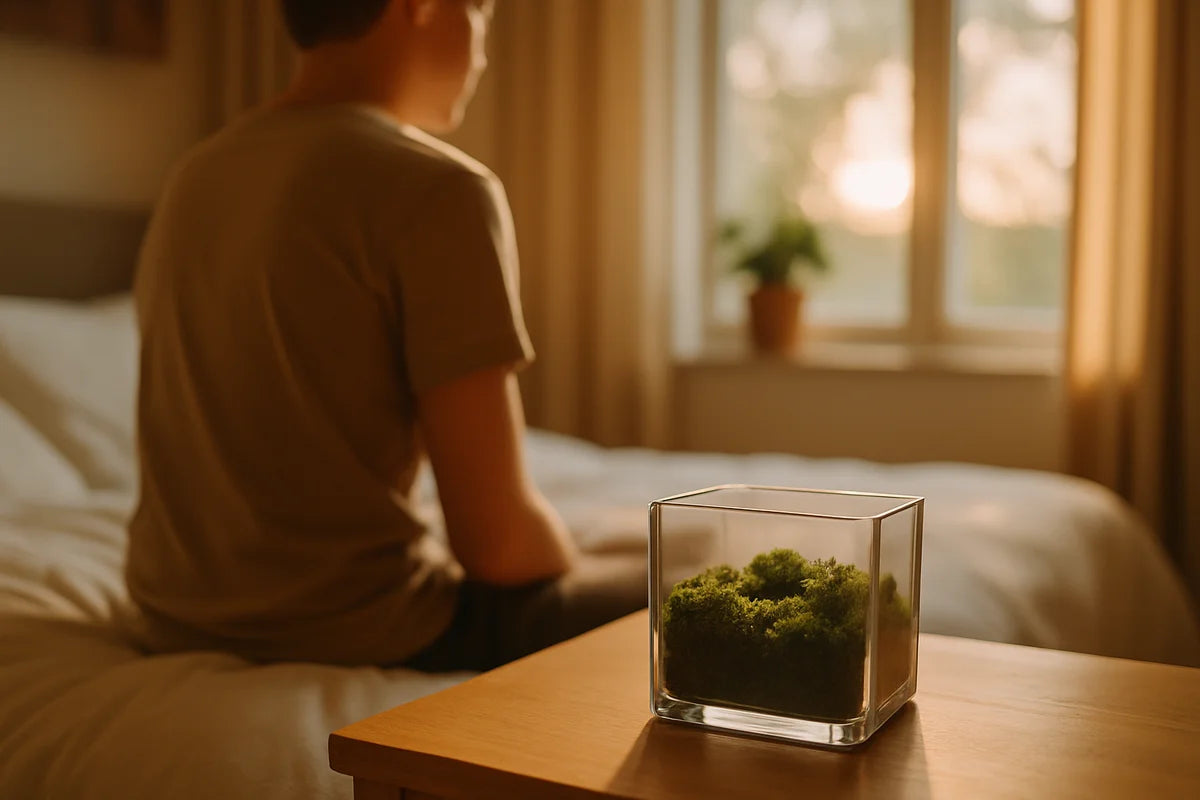
Moss Filters: What They Are, How They Work, and When They Make Sense
Moss filters sound like something from a nature documentary, but they’re real products you can buy and use. You’ll see them in “living walls” in offices, in small countertop units, and even in city projects that try to cut air pollution on busy streets. The pitch is simple: moss captures particles, needs little light, and looks good while it works.
But what do moss filters actually do? Do they clean indoor air in a way you can measure? How much care do they need? And when should you pick a different solution? This guide breaks it down in plain terms, with practical tips you can use.
What is a moss filter?

A moss filter is a device (or wall system) that uses living moss as the “filter media.” Air passes across the moss, and particles stick to moist plant surfaces. Some systems also rely on microbes living around the moss to help break down certain pollutants over time.
You’ll find a few common formats:
- Indoor moss walls with built-in fans that pull room air through a moss panel
- Small moss filter boxes that sit on a desk or shelf
- Outdoor “moss towers” or street installations designed to reduce local particulate pollution
- Hybrid systems that pair moss with a mechanical pre-filter and fans
It helps to keep expectations grounded. A moss filter isn’t the same thing as a HEPA purifier. It can support air cleaning, but performance depends heavily on airflow, surface area, and upkeep.
How moss filters work (without the hype)

1) Moss catches particles on wet surfaces
Moss doesn’t have roots like most plants. It takes in water and nutrients through its leaves and stems. Those surfaces stay slightly moist, which makes them good at trapping airborne particles like dust and some forms of fine particulate matter.
Outdoor moss installations often focus on particles from traffic and road dust. Indoor systems usually target dust, lint, and general “stuff in the air.” For a plain-language overview of particle pollution and why it matters, the EPA’s particulate matter basics is a solid reference.
2) Fans and airflow do most of the heavy lifting
A moss filter can only clean the air that touches it. That’s why the fan matters as much as the moss. If a unit moves a small amount of air, it may freshen the air right next to it but won’t change much across a whole room.
When you look at a product, ask:
- How much air does it move (airflow rate)?
- Does it state a room size or a clean air rate?
- Does it pull air through the moss, or just blow air across the front?
If a brand won’t share basic airflow specs, treat the claims with caution.
3) Microbes may help, but results vary
Some systems describe “biofiltration,” where microbes living in the moist media help break down certain chemicals. That can work in controlled setups, but real rooms are messy. Humidity changes, dust builds up, and airflow patterns shift.
If your goal is to cut gases and smells (VOCs from paint, cleaning products, cooking), a moss filter might help a bit, but you’ll usually get more predictable results from ventilation and proven filters. For a practical, research-based look at how indoor air cleaning and ventilation compare, see this overview from the University of Minnesota’s Indoor Air Quality program.
What moss filters can and can’t remove
Let’s get specific. “Air pollution” is not one thing. It’s a mix of particles, gases, and biological bits.
What moss filters can help with
- Some airborne particles, especially larger dust and lint
- Local particle reduction near the unit (best in smaller spaces or near the source)
- Humidity buffering in a limited way (some systems add moisture, some hold it)
- Perceived comfort: many people find greenery calming, which is a real benefit even if it’s not a lab metric
Where moss filters struggle
- Fine particles (PM2.5) at whole-room scale unless the unit moves a lot of air
- Smoke events (wildfire smoke, heavy cooking smoke) where you need high-capacity filtration fast
- Carbon dioxide buildup from people in a room (plants don’t fix poor ventilation in real time)
- Mold issues caused by hidden water leaks (a moss wall won’t solve the source)
For smoke and fine particle control, you can compare approaches using a practical guide from the U.S. Department of Energy on air sealing and home efficiency, since keeping dirty air out often matters as much as filtering air inside.
Do moss filters work indoors?
They can, but “work” needs a definition. If you mean “will this cut measurable particle levels across my whole living room,” the answer depends on size, fan power, and how leaky the room is. If you mean “will this capture some dust and make the room feel nicer,” many people get that result.
Here’s a simple way to judge indoor performance without lab gear:
- Place the unit in a small room with the door mostly closed for a few days.
- Keep other factors steady (same cleaning routine, same window habits).
- If you own an air quality monitor, track PM2.5 trends. If not, watch dust build-up near vents and shelves.
- Pay attention to noise. If it’s silent, it may not move enough air to matter.
If you want a low-cost way to sanity-check changes, community science groups like PurpleAir can help you compare outdoor particle trends to what you see indoors, especially during smoke or high-traffic days.
Outdoor moss filters: street “moss walls” and city projects
Outdoor moss filters often show up as vertical panels or freestanding units near roads. Their goal isn’t to clean a whole neighborhood. It’s to reduce particles in a tight area where people walk and wait, like bus stops.
These projects can make sense when:
- A city wants a visible air quality project that also adds greenery
- Space is limited and trees aren’t an option
- The site has power and a plan for ongoing maintenance
But outdoor air moves fast. Wind and traffic turbulence can dilute benefits quickly. So the most honest way to think about outdoor moss filters is “local support,” not “citywide solution.”
Benefits that have nothing to do with air numbers
Even if you don’t buy a moss filter for pure filtration, it can still be a good choice.
- They can look great in homes and offices.
- They can reduce the harsh feel of hard surfaces in a room.
- They may improve perceived comfort, which matters in places like clinics, lobbies, and schools.
That doesn’t replace ventilation or proper filters, but it can complement them.
Downsides and risks to think about
Maintenance is real
Many people buy a moss filter because it seems “set and forget.” It isn’t. Living media needs care, and any air-cleaning device that catches particles needs cleaning.
Common upkeep tasks include:
- Keeping moss hydrated (often via a reservoir or misting system)
- Cleaning or replacing pre-filters
- Wiping dust from surrounding surfaces and intakes
- Checking for dead patches and uneven moisture
Humidity and mold concerns
Moss likes moisture. That’s the point. But if a unit leaks, or if you run it in a poorly ventilated room that’s already damp, you can create conditions that support mold on nearby surfaces.
If your indoor humidity often stays above 60%, fix that first. A moss filter won’t help. If you want a plain guide to humidity and indoor moisture control, CDC guidance on mold is clear and practical.
Allergies and sensitivities
Most moss used in commercial systems isn’t the same as having a pot of soil that can grow mold, but any moist biological system can bother sensitive people. If someone in your home has severe allergies or asthma, treat a moss filter as a “try carefully” item, not a sure thing.
How to choose a moss filter that fits your space
Before you buy, decide what you want: better air numbers, better comfort, or both. Then use this checklist.
1) Match the unit to the room
- Small desk unit: best for a small office or a spot near you, not a whole living room
- Wall unit with active airflow: better chance of measurable results
- Large wall system: best in open offices, studios, or public areas with planned upkeep
2) Ask for airflow and filter details
- Airflow rate (CFM or m3/h)
- Does it use a pre-filter? How often do you clean it?
- Does it include any mechanical filtration beyond moss?
3) Think about placement
- Put it where air moves, not tucked behind furniture.
- Keep it away from direct heat sources that dry the moss.
- Don’t place it where water spills could damage floors or electronics.
4) Plan for care
If you know you won’t maintain it, pick a standard purifier instead. A neglected moss filter becomes a dusty decoration.
How to get the best results from a moss filter
If you already have one, or you’re set on buying one, you can make it work better with a few habits.
- Use it with a simple pre-filter and clean it on schedule. The pre-filter takes the big dust load so the moss doesn’t clog.
- Run it consistently. Short bursts don’t help much unless the unit moves a lot of air.
- Pair it with ventilation. Crack a window when outdoor air is clean, or use a vent fan while cooking.
- Control humidity. Keep indoor humidity in a safe range so you don’t trade “fresh air goals” for damp problems.
- Measure if you can. Even a basic PM sensor can tell you if anything changes.
Moss filter vs HEPA purifier vs houseplants
Moss filter
- Pros: looks good, can trap some particles, can work as part of a design feature
- Cons: needs care, performance varies, may not scale to whole-room cleaning
HEPA purifier
- Pros: strong particle removal, clear standards, often has published performance data
- Cons: doesn’t add greenery, filter replacements cost money, some units are loud
Regular houseplants
- Pros: affordable, pleasant, simple to find
- Cons: limited air cleaning at real-room scale, soil can create its own issues if overwatered
If your main goal is cutting PM2.5 during smoke season, a HEPA purifier usually wins. If your goal includes design and a bit of air support in a specific area, a moss filter can earn its place.
Common questions about moss filters
Do moss filters remove carbon dioxide?
Not in a meaningful way for a lived-in room. People generate CO2 fast. Ventilation fixes CO2. A moss filter can’t replace fresh air.
Do they need sunlight?
Many moss types handle low light better than most plants, but “no light” still causes problems over time. Some systems use built-in lighting to keep moss healthy.
How often do you replace the moss?
It depends on the system and how well you care for it. Some setups keep moss healthy for long periods with proper watering and cleaning. If the moss browns or thins out, you may need to refresh sections.
Conclusion
Moss filters sit in a useful middle ground. They can catch some particles, they can improve how a room feels, and they can make air cleaning less ugly. But they aren’t magic, and they don’t replace good ventilation or proven filtration when you need real, measurable results.
If you’re curious, start small: pick a unit with real airflow specs, keep it clean, and track changes for a few weeks. Used with common sense, a moss filter can be a smart add-on, not a cure-all.