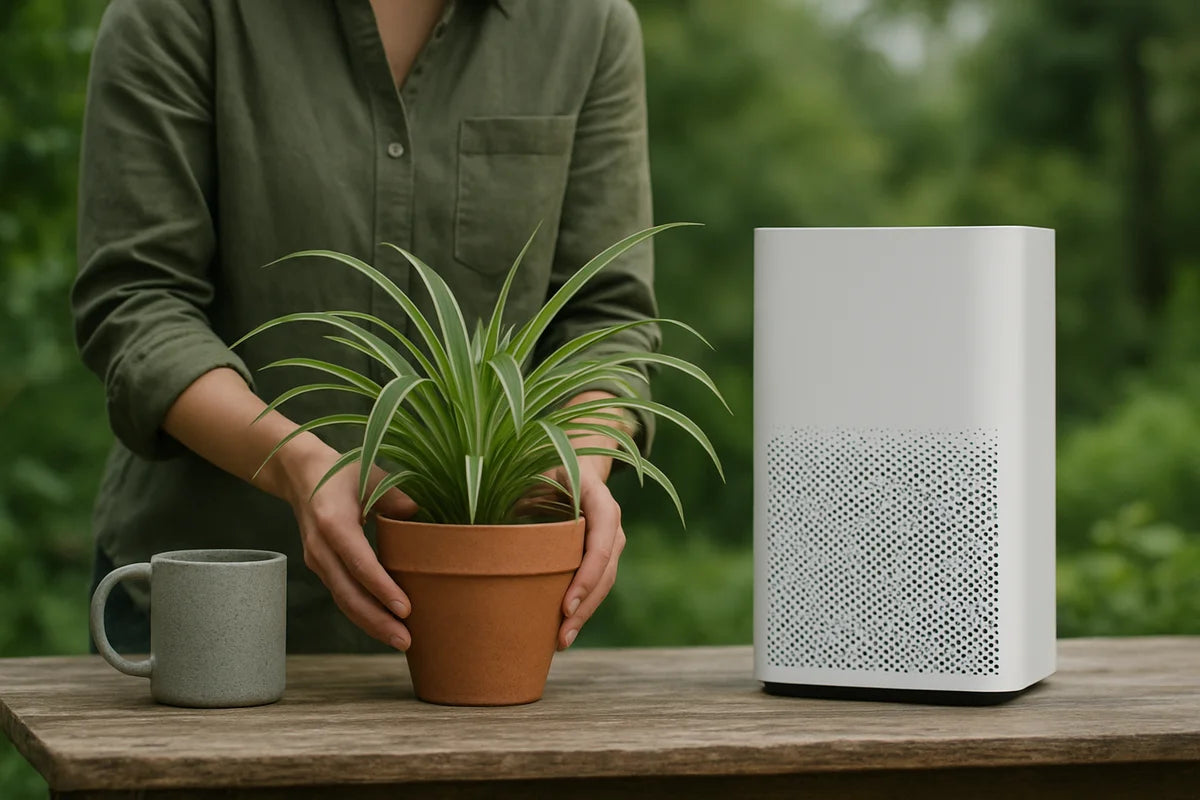
Indoor plants won’t replace therapy, sleep, or real support from people who care about you. But used well, they can make a space feel calmer, more alive, and easier to live in. They also nudge you toward small daily habits: noticing, watering, pruning, and slowing down for a minute.
This article covers best practices for enhancing mental well-being through indoor plants in a way that fits real life. You’ll learn how to pick the right plants, set them up for success, and turn plant care into a steady, low-stress routine.
Why plants can support mental well-being (and what they can’t do)

Plants help most when you think of them as part of your environment and your habits, not as a cure. They can:
- Make a room feel softer and more welcoming
- Give your eyes a break with natural shapes and colors
- Create a small, predictable routine that helps with stress
- Add a sense of progress as you see new leaves and growth
There’s also research on nature exposure and stress. Even indoor “contact with nature” can help some people feel more restored after mental effort. If you want a deeper look at how nature affects attention and stress, the University of Michigan’s overview of attention restoration theory is a useful starting point: attention restoration theory research background.
What plants can’t do: fix severe anxiety, depression, trauma, or burnout on their own. If your mood feels stuck, or daily tasks feel hard, consider reaching out for help. The 988 Suicide & Crisis Lifeline is a practical resource in the US if you or someone you know needs immediate support.
Start with the right goal (calm, focus, or comfort)

Different setups support different needs. Ask yourself one question: what do you want your home to feel like when you walk in?
If you want more calm
Go for plants with softer shapes and slower growth. Think pothos trailing from a shelf, a snake plant in a corner, or a peace lily on a side table (peace lilies can be toxic to pets, so skip them if you have cats or dogs that chew).
If you want better focus
Choose one or two plants that look clean and simple near your workspace. Too many pots and tools can become visual clutter. A single plant you like looking at is often enough.
If you want comfort and “home”
Pick plants that match the way you live. If you travel, choose drought-tolerant plants. If you love rituals, pick something that likes a weekly check-in and a little pruning.
Pick plants that won’t punish you for being busy
The fastest way to quit indoor plants is to buy a “pretty” plant that needs perfect light, perfect watering, and perfect humidity. For best practices for enhancing mental well-being through indoor plants, start with plants that forgive mistakes.
Easy, steady options for most homes
- Snake plant (Sansevieria/Dracaena trifasciata): tough, slow, handles low light
- Pothos: resilient, clear signals when it’s thirsty
- ZZ plant: low water needs, tolerates low light
- Spider plant: fast growth, easy to propagate, good “progress” plant
- Philodendron (heartleaf types): adaptable and hard to kill
If you want a stronger mood boost, pick plants you’ll touch
Some people feel calmer when they interact with their plants. Try herbs (mint, basil) if you cook, or a plant that benefits from gentle grooming, like a rubber plant you wipe down once a month.
For safety, check toxicity if you have pets or small kids. The ASPCA’s toxic and non-toxic plant list is a reliable reference.
Light first, then water (most plant stress starts with guessing)
People often treat watering like the main task. Light matters more. If the light is wrong, you’ll overwater, underwater, or both.
How to read light without fancy gear
- Bright indirect light: near a window, but not in harsh sun rays
- Medium light: a few feet from a window
- Low light: far from windows, shaded rooms (few plants truly thrive here)
Want a simple, practical way to estimate light from your phone? A lux meter app can help you compare spots. It won’t be perfect, but it helps you stop guessing. Here’s a practical resource with tips on using lux for plants: Grow Light Meter guidance.
Watering rules that reduce stress
- Water based on soil dryness, not the calendar
- Use pots with drainage holes whenever you can
- Water thoroughly, then let excess drain
- Empty the saucer so roots don’t sit in water
A quick test: stick your finger into the soil up to your first knuckle. If it feels dry, water. If it feels cool and damp, wait.
Make plant care a mental well-being habit, not a chore
Indoor plants support mental well-being when they fit into your day without adding guilt. The goal is “small and steady.”
Create a 5-minute weekly plant check
Pick one day. Set a timer for five minutes. Do only this:
- Check soil moisture on each plant
- Look for yellow leaves or pests
- Turn plants a quarter turn if they lean
- Water only what’s dry
Stop at five minutes, even if you want to do more. This keeps the habit light. You can always add a “bonus” session later.
Use “anchor moments” you already have
- Water plants while coffee brews
- Do a quick leaf check before you start work
- Mist (only if needed) after you brush your teeth at night
The win isn’t perfect plant care. The win is a reliable pause in your day.
Design your space for recovery, not just looks
Placement shapes how you feel. A plant you never see won’t help much. Put plants where you need a mental reset.
Best places to put mood-support plants
- By your work screen to reduce the “hard edge” feel of the setup
- Near the couch where you scroll, so you look up and rest your eyes
- In the entryway so you get a softer first impression when you come home
- Near the sink as a cue for a quick check-in while you wash up
Avoid visual clutter
Too many small pots can feel like noise. If you want more plants, group them on one tray or shelf so they read as one unit. This looks calmer and makes watering easier.
Choose containers and soil that make success easier
Best practices for enhancing mental well-being through indoor plants often come down to boring details: drainage, soil, and pot size.
Pot rules that prevent stress
- Use drainage holes for most houseplants
- Size up slowly when repotting (1-2 inches wider is usually enough)
- Use a saucer or cachepot to protect floors, but don’t let water pool
Soil that matches your habits
- If you tend to overwater, add perlite or pumice for faster drainage
- If you forget to water, use a mix that holds moisture a bit longer (without staying soggy)
- For succulents and cacti, use a gritty mix made for them
If you want a clear, no-nonsense overview of common houseplant potting mixes, the Royal Horticultural Society has solid basics: RHS guidance on composts and mixes.
Use plants to support healthier air expectations (without hype)
You’ll hear that houseplants “clean the air.” The truth is more mixed. Plants can play a small role, but ventilation and source control matter far more for indoor air quality.
If air quality is part of your mental well-being plan, focus on the big moves:
- Open windows when outdoor air is decent
- Use an exhaust fan when cooking
- Reduce strong indoor pollutants (smoke, harsh sprays)
- Consider a HEPA air purifier if you have allergies
For practical, research-based indoor air guidance, the US Environmental Protection Agency offers a clear overview: EPA indoor air quality basics.
Keep plants in the mix because they help you feel better in your space, not because you expect them to act like an air filter.
Prevent the two biggest mood-killers: pests and guilt
Nothing ruins the “calm plant corner” vibe like fungus gnats or a dying plant you keep avoiding. Handle problems early and keep the stakes low.
Simple pest prevention that works
- Don’t overwater (gnats love damp soil)
- Quarantine new plants for 1-2 weeks if you can
- Wipe leaves monthly so you spot issues sooner
- Use yellow sticky traps if gnats show up
Drop the guilt and treat plants as practice
If a plant declines, it doesn’t mean you failed. It means the match was wrong: light, water, pot, or timing. Compost it, gift it, or try again with an easier plant. Mental well-being improves when you remove the “I’m bad at this” story.
Turn plants into a gentle mindfulness tool
You don’t need a long meditation session to benefit from attention and care. You can use plant moments as short resets.
Try a 60-second plant reset
- Look at one plant closely
- Notice three details (leaf veins, new growth, soil texture)
- Take five slow breaths while you keep your eyes on the plant
This works best when you do it at the same time each day, like right after you shut your laptop.
Use propagation as a “progress project”
Watching roots form in water gives you visible progress in days, not months. Pothos, spider plants, and many philodendrons propagate easily. If you want step-by-step help with common houseplant propagation, this practical reference is solid: how to take houseplant cuttings.
Best plant choices for common mental well-being needs
If you feel anxious and want steadiness
- Snake plant
- ZZ plant
- Pothos
These plants handle inconsistency. That lowers the background stress of “I’m going to mess this up.”
If you feel low and want visible change
- Spider plant
- Pothos (fast growth in good light)
- Tradescantia (quick growth, easy cuttings)
Fast growers give you a sense of movement. New leaves can act as a small proof that things can shift.
If you feel scattered and want less clutter
- One larger floor plant (rubber plant, dracaena, or ficus elastica)
- One desktop plant you like looking at
Fewer, bigger plants often feel calmer than many tiny ones.
Where to start this week
If you want the benefits without turning plants into another project, keep it simple:
- Pick one easy plant that fits your light (snake plant, pothos, or ZZ plant)
- Put it where you’ll see it daily, not where it “should” go
- Set a five-minute weekly check-in on your phone
- After two weeks, add one more plant only if the first one feels easy
Over time, you can build a small indoor garden that supports your routines and your mood. The best practices for enhancing mental well-being through indoor plants don’t ask for perfection. They ask for a space that feels good to live in, and habits you can keep when life gets busy.