Most offices feel cut off from the outdoors. You sit under flat lights, stare at screens, and breathe air that never seems fresh. Biophilic design pushes back on that. It brings nature into the workday in practical ways, from daylight and plants to materials and layout choices that help people feel calmer and more alert.
This matters for sustainability, too. Many biophilic design ideas for sustainable office environments pull double duty: they cut energy use, improve indoor air, and create spaces people want to keep. Below you’ll find clear, usable ideas you can apply whether you run a small studio or manage a large workplace.
What biophilic design means in an office
Biophilic design isn’t just “add a few plants.” It’s a set of design moves that connect people to nature, directly or indirectly. In offices, that usually shows up in three ways:
- Direct nature: plants, water, fresh air, daylight, views of trees or sky
- Indirect nature: wood, stone, natural textures, earth-tone colors, nature-based patterns
- Nature-like experiences: spaces that feel like refuge or prospect, gentle variation, and sensory comfort
When you tie these moves to sustainability goals (energy, water, materials, health), you get a workplace that performs better across the board.
Start with the basics: light, air, and thermal comfort
If you only improve three things, improve these. They affect how people feel all day, and they also shape your energy bills.
Use daylight like a design material
Daylight is the cleanest light you can get. It can also cut electric lighting loads when you plan for it.
- Open up sightlines to windows by keeping tall storage away from the perimeter.
- Use light shelves or reflective surfaces to bounce light deeper into the space.
- Choose glare control that doesn’t block all light, like light-filtering shades instead of blackout blinds.
- Put meeting rooms and phone booths toward the core so desks can sit closer to daylight.
Want a solid primer on how daylight supports health and performance? The NIOSH indoor environment resources provide a useful overview of indoor conditions that shape worker well-being.
Make fresh air visible and measurable
People can’t see air quality, so they often ignore it until someone feels sleepy or gets headaches. Treat ventilation as part of your biophilic plan.
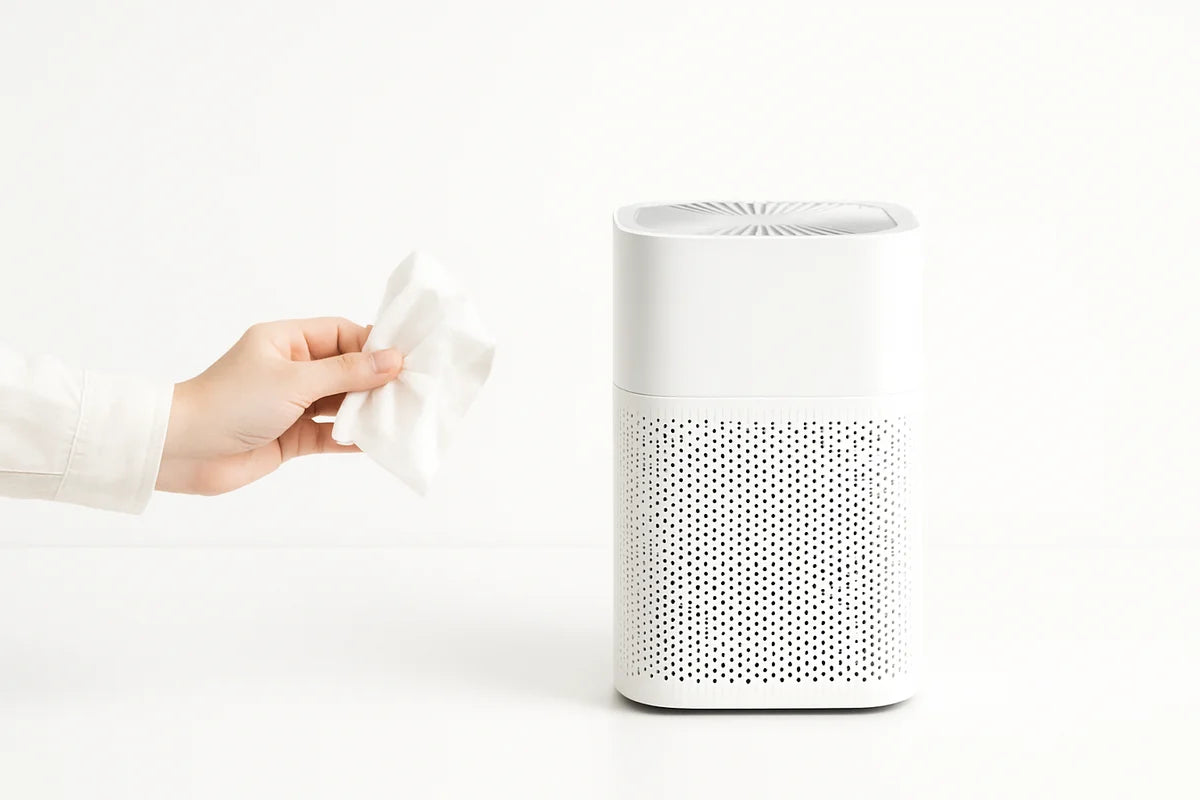
- Increase outdoor air where your system allows, and keep filters on a strict schedule.
- Use operable windows when outdoor pollution and weather make sense.
- Add plants for experience and mood, but don’t sell them as your “air filter.” Mechanical ventilation does the heavy lifting.
- Use CO2 monitoring in busy zones like conference rooms so you can spot stale-air problems fast.
For practical guidance on ventilation and indoor air basics, the EPA’s indoor air quality pages are a reliable place to start.
Let people control their comfort
One thermostat can’t serve everyone. Giving people small, local control often reduces complaints and can even reduce energy waste from constant system tweaks.
- Use task lighting so people don’t need to overlight the whole floor.
- Offer small temperature zones or desk-level air movement options in key areas.
- Create a mix of seating: warmer sunny spots, cooler shaded spots, quiet corners.
Plants that work hard and don’t die
Plants are the most obvious biophilic move, but office plantings fail when nobody owns maintenance. If you want plants that support a sustainable office environment, design the system around care.
Choose the right plant strategy for your team
- Low-maintenance plan: pothos, snake plant, ZZ plant, philodendron, dracaena, peace lily (check toxicity if pets visit).
- High-impact plan: one or two big floor plants per zone plus a few small desk plants, instead of lots of tiny pots everywhere.
- Service plan: contract plant care. It costs money, but it prevents the “sad plant graveyard” look.
Use plants to shape space, not just decorate it
Plants can do more than sit in corners. Use them as soft architecture.
- Use tall planters to create visual privacy without building walls.
- Line circulation paths with greenery to make movement feel calmer.
- Create a “green pause” near printers, kitchens, or break areas where stress tends to spike.
Try living walls only if you can maintain them
Living walls look great, but they can waste water and fail fast without proper lighting, irrigation, and a maintenance plan. If you want the feel without the risk, use a “green wall” made from modular planters on shelves, or a trellis system with hardy climbing plants.
If you want a deeper, office-specific research angle, the Environment and Behavior journal regularly publishes studies on how environments shape human outcomes, including nature exposure and workplace responses.
Natural materials without the greenwashing
Wood and stone can make an office feel warmer fast. But sustainability depends on what you buy and how you use it.
Pick lower-impact finishes
- Use FSC-certified wood products where possible.
- Choose low-VOC paints, sealants, and adhesives to support indoor air quality.
- Use recycled-content carpet tiles or hard flooring that can be repaired in sections.
- Avoid constant replacement: durable materials usually win over time.
Design for repair and reuse
One of the greenest things you can do is keep materials in place longer.
- Choose furniture with replaceable parts (casters, arms, cushions).
- Use modular partitions you can reconfigure when teams change.
- Standardize a few finish types so you can swap pieces without buying “new matching” everything.
If you’re comparing product impacts, you can learn a lot from the EPA WARM model, which explains how material choices affect emissions across a life cycle (it’s geared toward waste, but the logic helps when you’re deciding what to keep, replace, or reuse).
Layout ideas that mimic how we like to be in nature
People don’t just want “open” or “closed.” They want choice. Nature gives you that: open views, sheltered spots, and varied places to rest. Biophilic design can copy that pattern.
Create prospect and refuge
Prospect means you can see out. Refuge means you feel protected. Good offices balance both.
- Put shared tables or collaboration zones near windows (prospect).
- Add booths, high-back seating, or small rooms for focus (refuge).
- Use plants, shelves, or acoustic panels to create cover without blocking light.
Build “micro-break” paths
Short breaks help. A biophilic office makes those breaks natural, not forced.
- Create a loop walking route that passes a green feature, daylight, and water station.
- Place stairs where people can see and reach them, and make them pleasant with daylight or plants.
- Use standing spots near windows for quick calls.
For workplace design examples that tie well-being to space planning, Dezeen’s office features can spark ideas (treat it as inspiration, then apply your own sustainability filters).
Water, sound, and scent without the gimmicks
Nature isn’t silent. It’s not harsh, either. Sensory design is where many offices go wrong. They add a fountain that splashes or a scent diffuser that gives someone a headache. You can do better with simple choices.
Use water carefully
- Skip big indoor fountains if maintenance will lag. Stagnant water becomes a problem.
- If you add water, use closed-loop systems, quiet pumps, and a clear cleaning plan.
- Make hydration easy with bottle fillers and filtered water stations, placed where people pass often.
Design for soft sound
Open offices often fail because sound stress stacks up. Biophilic design aims for calm, not hush.
- Add acoustic panels with natural textures (felt, wood slats, cork).
- Use plants and bookshelves as sound-softening surfaces.
- Set up quiet zones and protect them with clear norms.
Be cautious with scent
Many people are sensitive to fragrance. If you want a “nature” feel, focus on fresh air, clean materials, and plants. If you use scent at all, keep it light, optional, and localized.
Outdoor access that people will actually use
The strongest biophilic connection is still the real outdoors. If you have any control over your site, make outside time easy.
- Turn a balcony, roof, or courtyard into a work-friendly space with shade, Wi-Fi, and power.
- Add seating types that match real work: small tables for laptops, benches for quick talks, a few quiet single seats.
- Plant for your climate so the space stays green without heavy watering.
Need plant choices that match local conditions? Many areas have an extension program with region-specific guides. The University of Minnesota Extension shows the kind of practical, research-based planting advice you can often find for your region (search your state or nearest university extension for local picks).
Small-budget biophilic design ideas that still move the needle
You don’t need a remodel to build a more sustainable office environment. Start with changes that cost little and fix daily pain points.
- Rearrange desks to give more people window views.
- Swap harsh bulbs for warmer, flicker-free LEDs and add task lights.
- Buy a few large, healthy plants instead of many small ones.
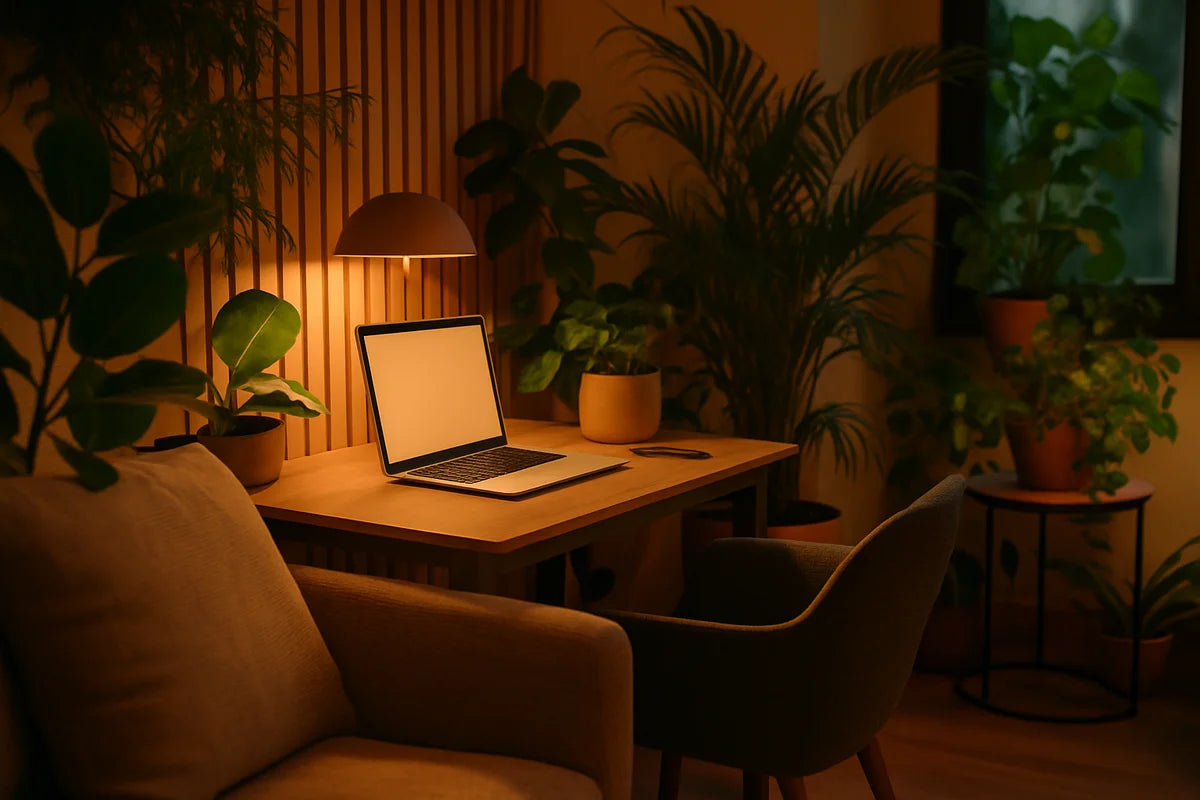
- Create a quiet corner with a high-back chair, a plant cluster, and a table lamp.
- Set up a “care rota” or hire monthly plant service so greenery stays alive.
- Replace one high-VOC product (air freshener, cleaning spray, cheap paint) with a lower-impact option.
How to roll it out without wasting money
Biophilic design works best when you treat it like any other workplace improvement: test, measure, adjust.
Run a quick audit
- Map where daylight reaches, and where glare causes problems.
- Note where people avoid sitting, and ask why.
- Check air complaints and compare them with occupancy and meeting room use.
- List what you replace often (chairs, carpet tiles, lamps) and why it fails.
Pilot one zone first
Pick a space with high visibility and high use, like a break area or a team zone. Add a few biophilic design elements, then track what changes.
- Do people stay longer or use it more?
- Do noise complaints drop?
- Do meeting rooms feel less stale after ventilation tweaks?
Set simple metrics
You don’t need a science lab. Keep it basic.
- Energy use before and after lighting changes
- CO2 readings in meeting rooms at peak times
- Occupant feedback with short surveys (5 questions, max)
- Replacement rate for plants and key materials
The path forward for a healthier, lower-impact office
If you want biophilic design ideas for sustainable office environments that last, start with what people feel every day: light, air, comfort, and a few real places to pause. Then build up: better materials, smarter layouts, outdoor access, and systems you can maintain.
Your next step can be simple. Pick one floor or one team area. Change one thing in the next 30 days: improve daylight access, add a plant cluster with a care plan, or fix the stuffy meeting room. Once you see what sticks, you’ll have a clear playbook for the rest of the office.