Your home should feel safe. But indoor air can carry a mix of pollutants you can’t see, from paint fumes to dust to smoke particles. The good news is you don’t need a full remodel to make a real dent in them. Smart, eco-friendly home decor choices can lower indoor pollutants while making your space calmer, cleaner, and more comfortable.
This article breaks down what drives indoor air pollution and how to pick decor that helps instead of hurts. You’ll get practical swaps, buying tips, and a few routines that keep results lasting.
What counts as an indoor pollutant and where it comes from

Indoor pollutants aren’t just “bad smells.” Many are tiny particles or gases that build up over time, especially in tight, well-insulated homes.
Common indoor pollutants you can influence with decor choices
- VOCs (volatile organic compounds) from paint, adhesives, pressed-wood furniture, and some finishes
- Particulate matter (PM2.5 and PM10) from cooking, candles, fireplaces, smoking, and outdoor air that drifts inside
- Dust and allergens trapped in soft furnishings, rugs, and clutter
- Mold spores from damp areas, humid rooms, and poorly ventilated corners
- Flame retardant chemicals found in some upholstered furniture and foam products
If you want the quick, science-backed overview of what tends to show up indoors, the EPA’s indoor air quality basics lay out the main sources and why they matter.
Why “new home smell” isn’t a good sign
That fresh, chemical scent often points to off-gassing. Many new products release VOCs for days, weeks, or longer. The strongest burst often happens right after you unbox, install, or paint. Eco-friendly home decor aims to cut those sources, or at least reduce them fast.
Start with the biggest wins for eco-friendly home decor for reducing indoor pollutants

If you only change a few things, focus on the items with the most surface area and the strongest chemical load. That usually means paint, flooring, large furniture, and textiles.
Choose low-VOC paint and simpler finishes
Paint can be one of the largest indoor VOC sources during a refresh. Look for low-VOC or zero-VOC options, but don’t stop at the label. Some “low-VOC” paints still smell strong because of additives or colorants.
- Ask for low-VOC colorants when tinting
- Air out the room hard for several days after painting (open windows, run fans)
- Avoid high-odor sealers unless you truly need them
For more detail on VOCs and why they linger, California’s Air Resources Board explains VOCs in plain language.
Pick solid wood, metal, or glass over pressed wood when you can
Pressed wood (particleboard, MDF, some plywood) often uses adhesives that can release formaldehyde and other VOCs. Solid wood isn’t always “clean,” but it usually needs fewer binders.
- Look for solid wood furniture with simple oil or water-based finishes
- If you buy composite wood, seek products that meet stricter formaldehyde standards
- Let new furniture off-gas in a garage or spare room before placing it in a bedroom
If you want the health context on formaldehyde exposure, the National Cancer Institute’s fact sheet on formaldehyde is a solid reference.
Use hard-surface flooring where it fits your life
Wall-to-wall carpet can hold dust, dander, and smoke particles. That doesn’t mean carpet is “bad,” but it does mean you’ll need stronger cleaning habits and a better vacuum.
If you’re renovating, hard surfaces often reduce long-term dust load:
- Solid hardwood with low-odor finishes
- Tile or sealed concrete
- Natural linoleum (not vinyl) when budget matters
If you keep rugs for comfort, use smaller area rugs you can clean well and air out.
Textiles matter more than most people think
Textiles act like filters and storage. They catch dust, they hold onto odors, and some come treated with stain resistance or flame retardants you may not want. Eco-friendly home decor for reducing indoor pollutants leans on washable, lower-chemical fabrics and smart placement.
Go for washable covers and curtains
If your sofa or chair has a removable cover, you can wash out dust and allergens instead of trapping them for years. Same with curtains, which quietly collect particles near windows and vents.
- Choose machine-washable slipcovers when possible
- Wash curtains a few times a year (more if you live near traffic)
- Skip heavy, hard-to-clean drapes in bedrooms if allergies bother you
Choose natural fibers, but don’t treat “natural” as a free pass
Cotton, wool, hemp, and linen can work well, especially if they’re easy to wash. But “natural” does not guarantee low-pollutant. Dyes, finishes, and treatments still matter.
- Avoid strong chemical odors when unboxing textiles
- Wash or air out new items before use
- If you need stain resistance, use washable throws instead of permanent treatments
Upgrade your vacuum and your habits
A cheap vacuum that leaks dust can make things worse. A sealed vacuum with a HEPA filter helps capture fine particles instead of blasting them back into the room. Consumer-focused testing can help you choose; Wirecutter’s vacuum reviews are practical and easy to compare.
Simple routine that works:
- Vacuum slow, not fast. Give the brush time to lift dust.
- Hit rugs and entry areas twice a week if you have pets or kids.
- Wash throws and pet blankets often. They’re dust magnets.
Plants, purifiers, and ventilation play different roles
People often buy plants hoping they’ll “clean the air.” Plants can help in small ways, and they make a room feel better. But for real pollutant control, you want ventilation and filtration.
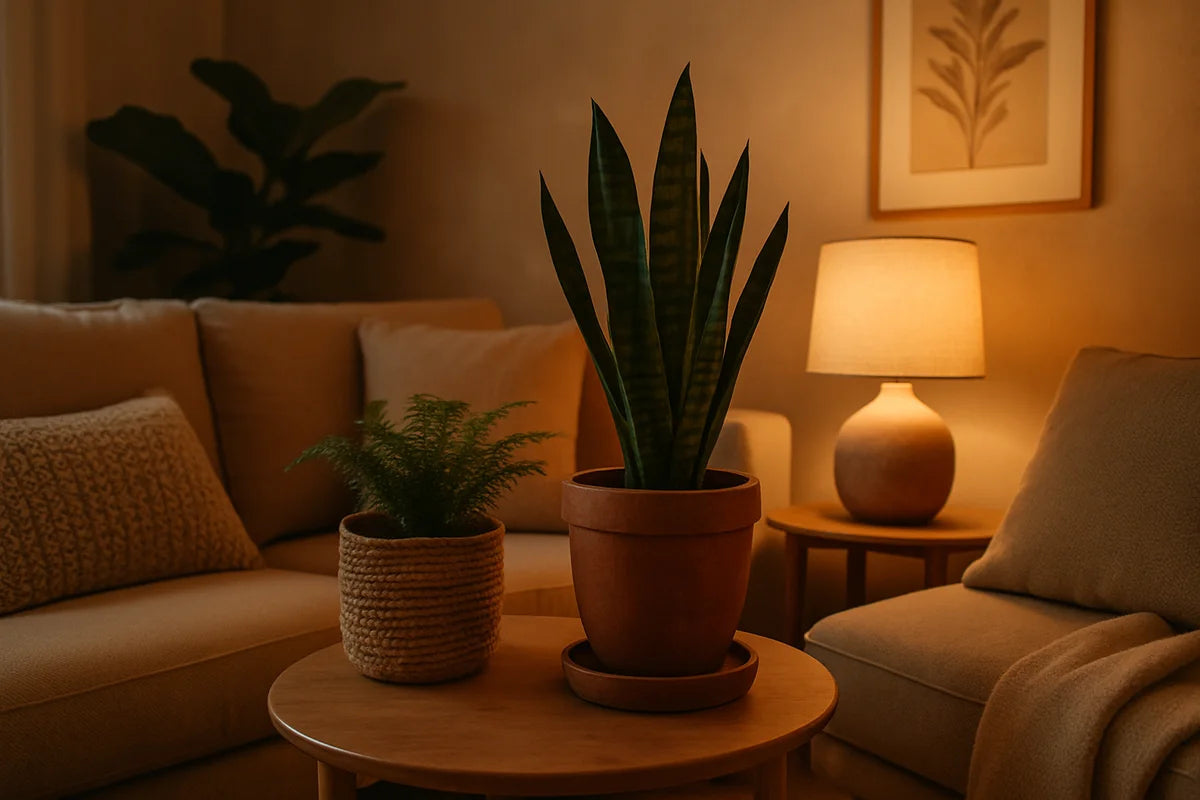
Use plants for comfort and humidity balance, not as your main filter
Plants can slightly support indoor comfort by adding moisture and making a space feel less sterile. But you’ll get bigger air-quality gains from controlling sources (VOCs, smoke) and filtering particles.
- Pick easy plants you won’t overwater (wet soil can invite mold)
- Use well-draining pots and empty drip trays
- Skip plants in rooms with chronic damp issues until you fix the moisture source
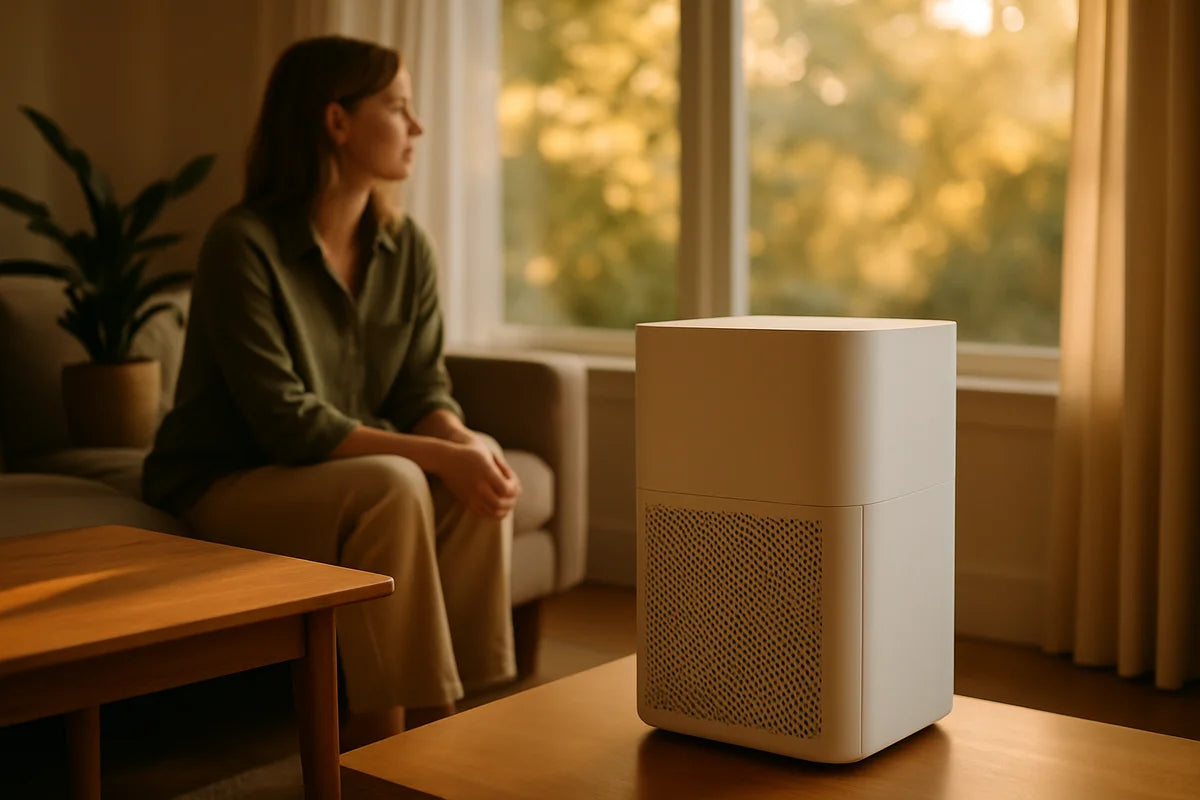
Pick an air purifier that matches your room
If you deal with smoke, allergies, or traffic pollution, an air purifier can help. Look for a true HEPA filter for particles. If VOCs are a big issue, you’ll want a unit with substantial activated carbon, not a thin sheet that saturates fast.
One key spec is CADR (clean air delivery rate). You can check what size fits your room with a simple tool like AHAM’s air cleaner CADR guidance.
- Match CADR to room size, especially bedrooms
- Plan for filter costs and replacement schedules
- Place the unit where air can move freely, not behind furniture
Ventilation is decor-adjacent, but it changes everything
You can buy the cleanest sofa on earth and still trap cooking particles if your ventilation is weak. Use what you have:
- Run the range hood when cooking, and keep it on for 10-20 minutes after
- Crack windows on opposite sides of the home when outdoor air is decent
- Use bathroom fans during showers and for 20 minutes after
Want a deeper, research-backed look at what builds up indoors? Lawrence Berkeley National Laboratory’s indoor air quality research has clear explanations without hype.
Eco-friendly decor swaps room by room
Different rooms have different pollutant patterns. Here are swaps that target what each space tends to collect.
Living room
- Choose a sofa with low-odor materials and a simple finish, and let it off-gas before heavy use
- Use area rugs you can take outside and beat, or vacuum thoroughly
- Skip plug-in air fresheners and scented sprays; use ventilation and baking soda for odors instead
- Keep a lidded basket for throws so they don’t become dust shelves
Bedroom
- Pick low-odor paint and avoid last-minute painting right before sleep season
- Choose bedding you can wash hot if allergies hit you
- Use a sealed HEPA vacuum on floors and under the bed
- If you buy a new mattress, air it out well before you sleep on it
Kitchen
- Use a splatter screen and lids to cut airborne grease particles
- Store cleaning products in a closed cabinet, not on open shelves
- Choose unscented dish soaps if smells linger in a small space
Bathroom
- Use washable bath mats and swap them out often
- Choose mildew-resistant shower curtains you can clean, not just replace
- Fix dampness first; decor won’t beat moisture and mold
Materials checklist for low-pollutant decorating
When you shop, you’ll see a lot of “green” claims. Keep it simple. Ask two questions: Does it shed chemicals into the air? And can I clean it well?
Better material picks for cleaner indoor air
- Solid wood with low-odor finishes
- Metal, glass, and ceramic surfaces
- Washable cotton, linen, and wool textiles
- Natural latex or wool elements (when you can verify materials and tolerate them)
- Low-VOC paints and adhesives
Items to treat with caution
- Strong-smelling furniture, especially flat-pack items with lots of composite wood
- Foam products with no material transparency
- Heavy synthetic rugs that shed and hold odor
- Scented candles and incense (they add particles, even when they smell “clean”)
Keep pollutants down with small routines that fit real life
Eco-friendly home decor for reducing indoor pollutants works best when you pair it with habits that stop buildup. You don’t need a strict schedule. You need a few defaults you can stick to.
Use an entry setup that traps dirt before it spreads
- Put a rough doormat outside and a washable mat inside
- Add a small shoe rack or tray and make it normal to remove shoes
- Hang a few hooks so coats and bags don’t land on sofas and beds
Control dust without harsh scents
- Use a damp microfiber cloth for surfaces instead of dry dusting
- Wash bedding weekly if allergies flare
- Keep clutter off floors so vacuuming takes minutes, not an hour
Watch humidity to prevent mold and musty air
Mold needs moisture. If your home sits above 60% humidity for long stretches, you’ll fight musty air no matter how “natural” your decor is.
- Use a basic hygrometer to track humidity
- Run bathroom fans and open windows when weather allows
- Use a dehumidifier in damp basements or rainy climates
Where to start if you want results this month
If this feels like a lot, pick a short plan and finish it. Here’s a clean, realistic order:
- Remove or reduce fragrance sources (air fresheners, scented sprays, heavy candles).
- Improve cleaning tools: a sealed HEPA vacuum and washable textiles.
- Address moisture: fix leaks, run fans, measure humidity.
- When you buy new decor, choose low-odor, easy-clean materials and air items out before use.
- If you still struggle, add a properly sized HEPA purifier for the bedroom.
Over time, these choices change how your home feels. Less stale air. Less dust film on shelves. Fewer mystery smells that never quite go away.
Looking ahead, the best shift is mental: treat eco-friendly home decor as part of your home’s health system, like good lighting or safe wiring. Each small upgrade cuts what gets into your air in the first place. The next time you replace a rug, repaint a room, or buy a chair, you’ll know what to look for and what to skip.