Air purifiers work, but many of them come with a trade-off. They draw steady power, chew through filters, and add more plastic and shipping to your life. If you’ve ever looked at a pile of used HEPA filters and wondered if there’s a cleaner way to get clean air, you’re not alone.
The good news: you have real eco-friendly alternatives to traditional air purifiers. Some are low-tech. Some rely on better airflow and source control. A few even beat a purifier at the one job it can’t do well: stopping pollution before it spreads.
This article walks through practical options you can use at home, what each one does best, and how to combine them for the biggest payoff.
First, what most air purifiers actually do (and what they don’t)

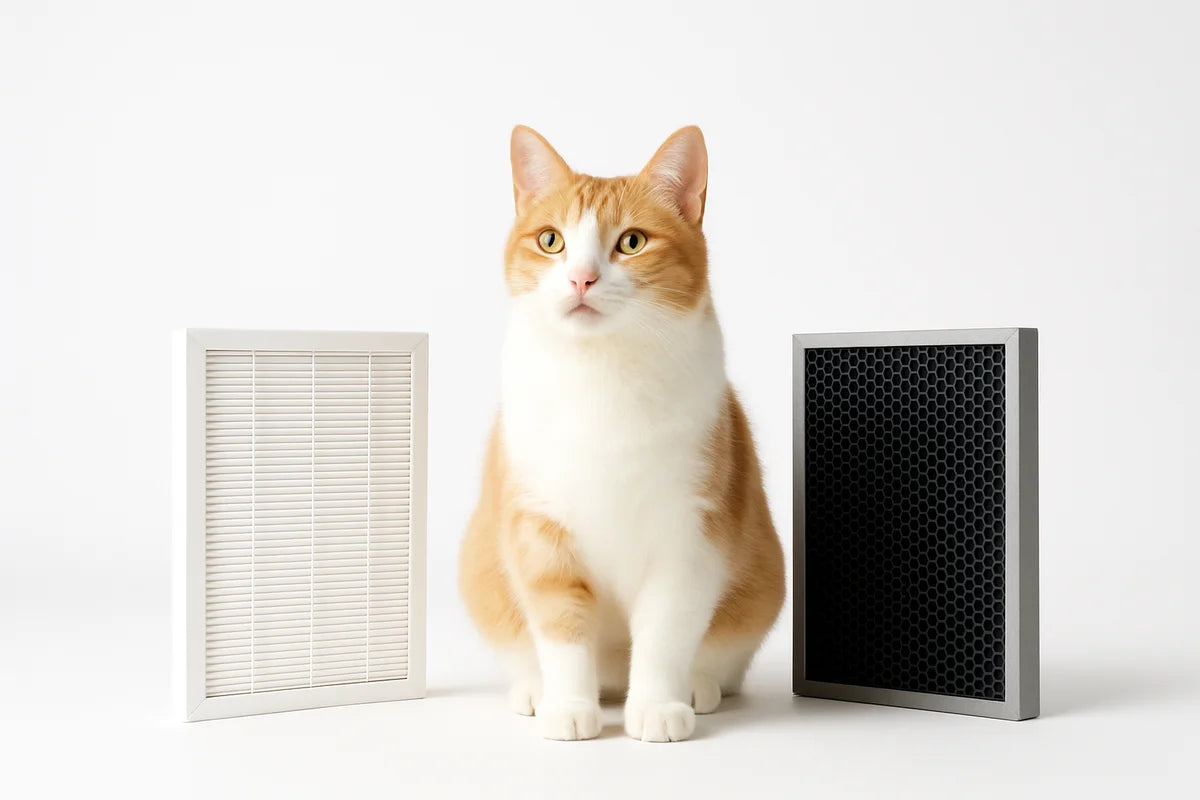
Most “traditional” air purifiers pull room air through a filter. A true HEPA filter captures many small particles, including smoke, dust, and some allergens. Some units add activated carbon, which can help with odors and some gases. Many also add features you may not need, like ionizers or scented add-ons.
Two key limits matter when you’re comparing eco-friendly alternatives to traditional air purifiers:
- A purifier can’t remove a pollutant you keep creating (like cooking smoke without a hood, or VOCs from fresh paint).
- A purifier’s impact depends on clean air delivery rate and room setup. A weak unit in the wrong spot won’t do much.
If you want to check basics like ventilation and filtration, the EPA’s indoor air quality guidance gives a solid overview without hype.
The greenest “air purifier” is source control

If you only do one thing, do this: cut pollution at the source. It costs less than buying another device, and it often works better than any filter.
Switch to low-VOC and low-odor materials
Paints, sealants, pressed-wood furniture, and some cleaning products can release VOCs for days or months. Pick low-VOC options when you can, and avoid “air fresheners” that cover odors instead of removing them.
- Choose low-VOC or zero-VOC paint and let it cure with windows open.
- Store solvents, fuels, and strong cleaners outside living spaces.
- Skip scented sprays and plug-ins. If you want a scent, open a window first and use it lightly.
If you want a deeper look at VOCs and why they matter indoors, the California Air Resources Board’s indoor air pollution info is a useful reference.
Control combustion and smoke like your lungs depend on it (because they do)
Gas stoves, candles, incense, fireplaces, and smoking create fine particles and gases that spread fast. If you burn it, you pollute indoor air.
- Use the kitchen exhaust fan every time you cook, especially for frying or high heat.
- Choose induction or electric when you replace a stove.
- Keep candles and incense for rare use, not daily habits.
- Make your home smoke-free. If someone smokes, keep it outdoors and away from doors and windows.
For the science behind kitchen pollution and ventilation, the American Lung Association explains the indoor air risks of gas appliances in plain language.
Use ventilation as your low-waste workhorse
Ventilation is the simplest eco-friendly alternative to traditional air purifiers. It replaces dirty indoor air with cleaner outdoor air. It won’t help if outdoor air is worse (wildfire smoke days are the big exception), but most days it’s a strong first move.
Do “purposeful airing out” instead of cracking a window all day
Leaving a window slightly open for hours can waste heating or cooling. Instead, do short, strong bursts.
- Open two windows on opposite sides of the home.
- Run a bathroom fan or kitchen hood to pull air through.
- Vent for 5 to 15 minutes, then close up.
This cross-breeze approach can clear cooking smells and stale air fast with no filters to buy.
Use spot ventilation where pollution starts
Bathrooms and kitchens need direct exhaust, not just “whole-house” airflow.
- Run the bathroom fan during showers and for 20 minutes after to reduce moisture that feeds mold.
- In the kitchen, use a vent hood that exhausts outside if you have one.
- If your hood only recirculates air, it’s better than nothing, but it won’t remove gases.
If you’re unsure what good ventilation looks like, the U.S. Department of Energy’s ventilation guide breaks down options and trade-offs.
Upgrade your HVAC filter instead of adding another machine
If you have forced-air heating or cooling, your HVAC system can act like a whole-home filter. This can be one of the best eco-friendly alternatives to traditional air purifiers because you’re using equipment you already own.
Choose the right MERV rating (and don’t overdo it)
MERV ratings describe how well a filter captures particles. Many homes do well with MERV 11 to 13, but your system has limits. A filter that’s too restrictive can cut airflow and strain the blower.
- Start with MERV 11 if you want a safe bump from basic filters.
- Move toward MERV 13 if your system supports it and you want better fine-particle capture.
- Change filters on schedule. A clogged filter wastes energy and filters worse.
For a clear explanation of filter ratings, ASHRAE’s filtration resources help you make sense of the terms without marketing noise.
Run the fan more, but do it smart
Many thermostats let you run the HVAC fan on a schedule. If your outdoor air is clean and your filter is decent, a few extra hours of circulation can reduce dust and allergens without buying a separate unit.
- Try “circulate” mode if your thermostat supports it.
- Pair longer fan runtime with a filter you change on time.
- If you hear whistling or rooms feel under-supplied, your filter may be too restrictive.
Build a DIY fan filter when you need serious particle control
If you want the effect of a purifier without the proprietary plastics and pricey filters, a DIY fan filter can be a strong option. The most common version uses a box fan and one or more high-MERV filters. You replace standard filters instead of buying a branded cartridge.
Why it’s eco-friendlier than many store-bought purifiers
- It uses widely available filters, so you can shop local and avoid locked-in refills.
- You can repair it easily. If the fan dies, you replace the fan, not the whole unit.
- You can scale it up for big rooms at a lower cost per clean-air output.
Basic setup (simple and safer)
- Start with a standard 20-inch box fan with a stable frame.
- Attach a 20x20-inch MERV 13 filter to the intake side (airflow arrow pointing toward the fan).
- Seal edges with tape so air goes through the filter, not around it.
- Use it on a stable surface where it can’t tip.
Safety matters. Don’t leave it running unattended, and keep it away from kids and pets who can reach the blades. For performance and build details, Clean Air Crew’s box fan filter guide is one of the most practical resources online.
Try passive particle capture with smarter cleaning habits
You can cut airborne dust by stopping it from becoming airborne in the first place. This isn’t as flashy as a machine, but it’s cheap, low-waste, and it works.
Vacuum with true HEPA filtration
A vacuum that leaks fine dust can make air worse. If allergies are an issue, a sealed vacuum with HEPA filtration helps capture what you pick up. You still use bags or filters, but you avoid running a separate purifier all day.
- Vacuum high-traffic areas 1 to 2 times per week.
- Go slow on rugs so the vacuum has time to lift fine dust.
- Empty canisters outdoors if possible.
Wet clean instead of dry dusting
Dry dusting flicks particles back into the air. Use a damp cloth or a microfiber cloth you can wash and reuse.
- Wipe hard floors and surfaces with a damp mop or cloth.
- Wash microfiber cloths without fabric softener so they keep grabbing dust.
- Target “dust factories” like blinds, fan blades, and entry mats.
Houseplants can help, but don’t treat them like machines
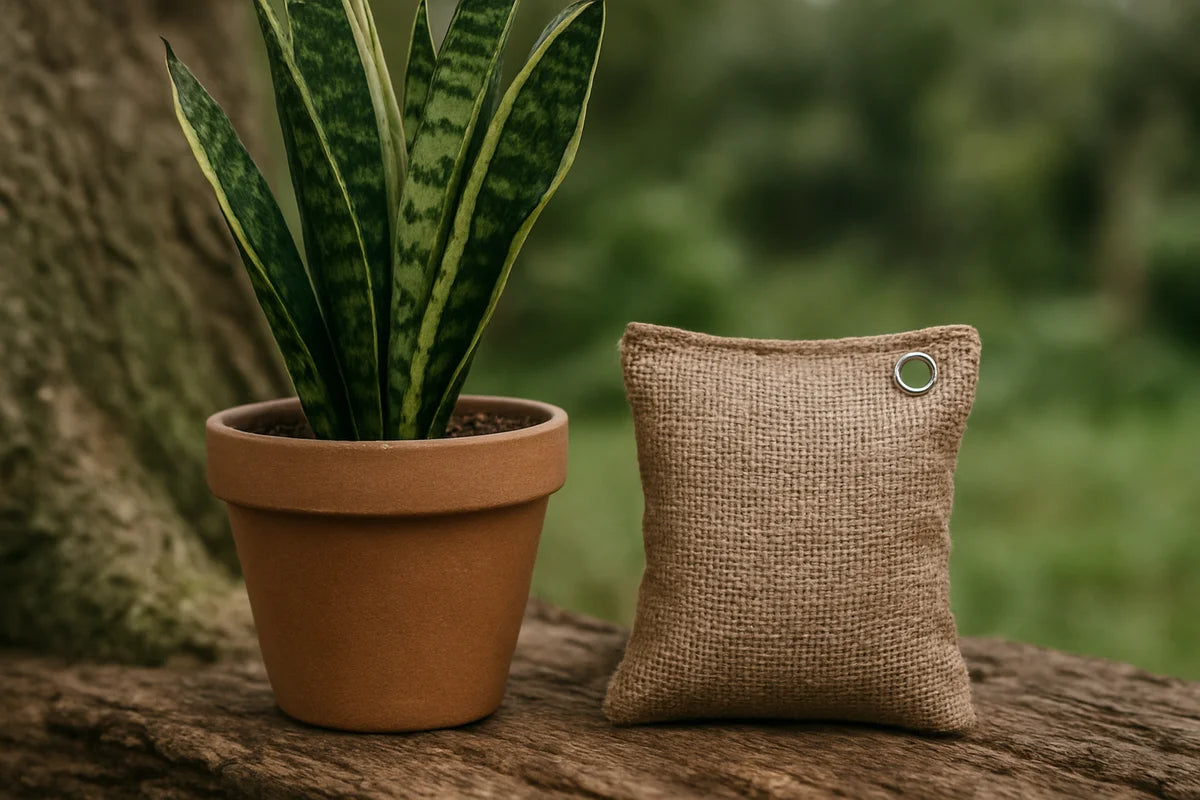
People love the idea of plants as eco-friendly alternatives to traditional air purifiers. Plants do improve a room in real ways: they add humidity, calm the space, and can cut some odors. But they won’t match a HEPA filter for fast particle removal in a typical home.
NASA’s early research sparked interest, but real homes don’t behave like sealed lab chambers. If you want plants, choose them for comfort and small gains, not as your only strategy. For background, you can read NASA’s report on interior plants and air pollution.
How to make plants work better for indoor air
- Keep soil from molding. Overwatered pots can add spores and musty smells.
- Use a top layer of pebbles to reduce soil dust.
- Choose a few larger plants rather than many tiny ones if you want any measurable effect.
Manage humidity to prevent mold and dust mites
Humidity doesn’t just affect comfort. It changes what grows and what floats in your air. Too much humidity invites mold. Too little dries out skin and can irritate airways.
Aim for a steady middle range
Many homes do well around 30% to 50% relative humidity. You don’t need perfection. You need to avoid long stretches above 60%.
- Use the bathroom fan and fix leaks fast.
- Vent your dryer outdoors.
- If you need a dehumidifier, pick an efficient model and drain it to a sink or pump so you don’t handle buckets daily.
If you want a simple way to track humidity, buy a basic hygrometer. Many hardware stores sell them for the cost of a few coffees.
Choose low-impact purification when you still need it
Sometimes you do need active filtration, like during wildfire smoke, renovations, or severe allergies. If you want eco-friendly alternatives to traditional air purifiers but still need a device, focus on durability and low waste.
What to look for in a greener unit
- Replaceable, widely available filters (not odd sizes that force you to buy one brand).
- Low power draw at the setting you’ll actually use.
- No ionizer or ozone feature. Ozone can irritate lungs.
- Repairability and a long warranty.
Use it less, use it better
- Run it hard when pollution spikes (cooking, vacuuming, smoky outdoor air), then turn it down.
- Keep doors closed in the room you’re cleaning to concentrate the effect.
- Replace filters on schedule so the fan doesn’t waste power pushing air through a clogged pad.
How to build your own eco-friendly indoor air plan
Most people get the best results from a mix of tactics. Here’s a simple way to choose what to do first.
Step 1: Identify your main problem
- Dust and allergies: focus on HVAC filtration, vacuum quality, and cleaning habits.
- Cooking smoke and odors: upgrade kitchen ventilation and change how you cook.
- Mold or musty air: fix moisture sources and control humidity.
- Wildfire smoke: use a DIY fan filter or a high-quality purifier for short periods, and seal leaks.
Step 2: Make one change that sticks
Pick the easiest action you can repeat. Small habits beat big plans you quit.
- Run the hood every time you cook.
- Change the HVAC filter on a calendar reminder.
- Do a 10-minute cross-breeze each morning when outdoor air is good.
Step 3: Measure something simple
You don’t need a lab. A basic particle sensor can help, but even a few low-tech checks tell you a lot: less dust on shelves, fewer odors after cooking, fewer allergy flare-ups, less condensation on windows.
If you want a practical way to check outdoor conditions before you ventilate, use a local air quality map like AirNow’s AQI tool. On high-smoke days, skip open windows and switch to filtration.
Looking ahead
Indoor air is getting more attention for a reason. We spend more time inside, homes seal tighter, and wildfire smoke shows up in places that never planned for it. The next few years will reward people who treat clean air like clean water: reduce pollution at the source, move fresh air through the home when it’s safe, and filter smart when you must.
If you want to start today, do two things: set your kitchen fan rule (always on for cooking) and check your HVAC filter. Then build from there. Eco-friendly alternatives to traditional air purifiers work best when they become part of how you live, not another gadget you plug in and forget.