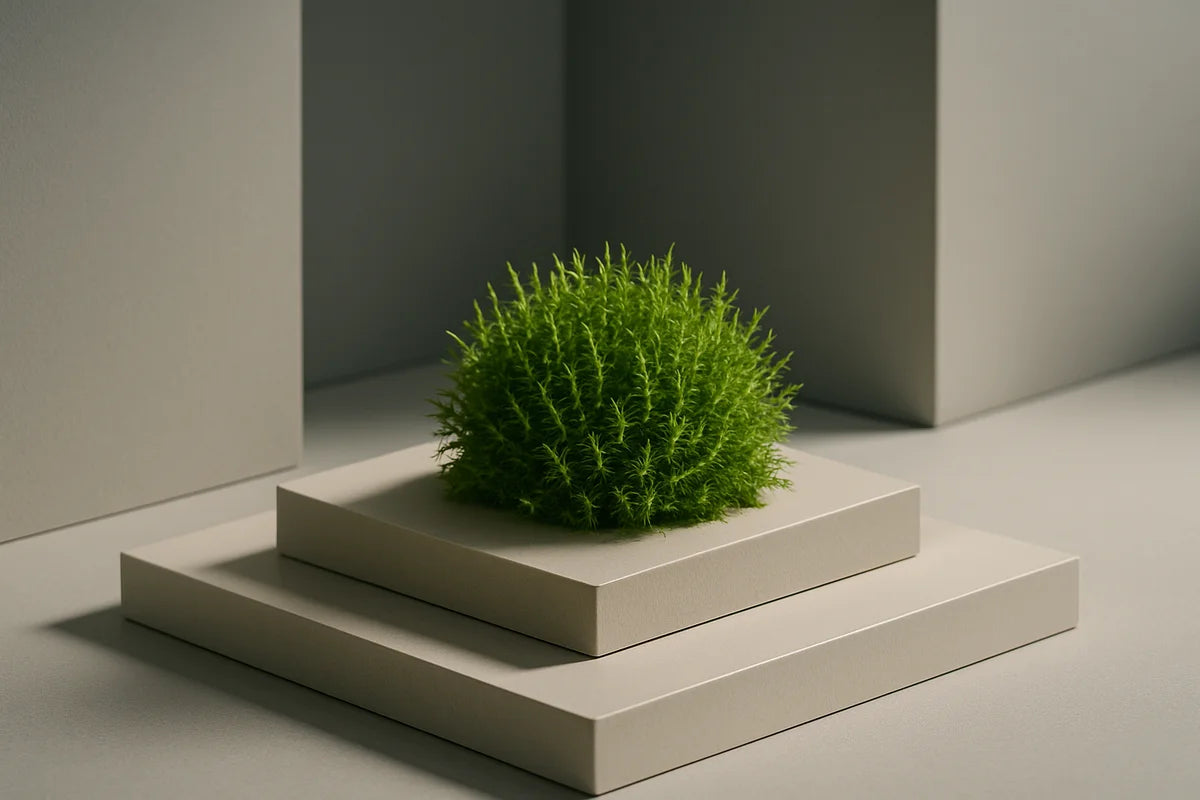
Most people walk past moss without a second look. It sits low, stays quiet, and seems to grow wherever it wants. But some mosses do real work for the places they live. Entodon moss is one of them.
If you’ve seen a soft, glossy mat of green along a shaded bank, at the base of a tree, or on damp rock, you may have met an Entodon species. This article breaks down what entodon moss is, where it grows, why it matters, and how you can spot it and care for it without turning your yard into a science project.
What is entodon moss?

“Entodon” is a genus of pleurocarpous mosses, meaning they tend to grow in creeping, branching mats rather than upright tufts. You’ll often see them forming low carpets that spread sideways over soil, wood, or rock.
Depending on where you live, you might run into species such as Entodon seductrix, which appears in parts of North America, or other Entodon species across Europe and Asia. Species vary by region, but many share a similar look: finely branched stems, small leaves, and a smooth, green sheen when conditions stay moist.
Why people confuse it with other moss
Entodon moss can look like several other mat-forming mosses at a glance. The easiest mistake is to label all “carpet moss” as the same thing. In reality, moss ID comes down to small details: leaf shape, how the leaves sit on the stem, and the way the mat grows. For a casual observer, it’s enough to know this: if it forms a tidy, creeping mat in shade and stays fairly sleek rather than fuzzy, Entodon could be in the mix.
Where entodon moss grows (and why it likes those spots)
Entodon moss tends to show up in places that stay shaded and hold moisture. Think forest floors, stream banks, north-facing slopes, shaded stone, and the base of trees where humidity lingers.
Mosses don’t have true roots. They anchor with tiny structures called rhizoids and take up water across their surfaces. That’s why microclimate matters more than soil fertility. Entodon moss often thrives where:
- The sun stays filtered or indirect for most of the day
- The air stays humid, or the ground stays evenly damp
- The surface stays stable (not constantly disturbed by foot traffic or erosion)
- Runoff doesn’t scour the area during storms
If you want a solid overview of moss ecology and the way mosses handle water and nutrients, the Encyclopaedia Britannica moss overview gives a clear primer without drowning you in jargon.
Soil, bark, rock: it’s less picky than you think
Entodon moss can grow on many surfaces, but it does have limits. It usually does better on stable, slightly rough surfaces that can hold a film of water. Smooth metal or slick glazed stone dries too fast. Crumbly soil that washes away also causes trouble.
If you’re trying to encourage it in a yard, focus less on “feeding” the soil and more on keeping the site calm, shaded, and evenly moist.
How to recognize entodon moss in the wild
You don’t need a microscope to start noticing patterns, but you do need patience. Moss ID often works like birding: you learn common shapes first, then refine.
Field clues you can use without special gear
- Growth habit: creeping mats that spread in a sheet rather than standing upright
- Texture: often smooth and sleek, not shaggy
- Branching: fine, feathery branching when you look closely
- Location: shaded, damp areas with steady humidity
If you want a more formal entry point into moss ID, the USDA Forest Service page on mosses explains how mosses live and reproduce, with photos and plain language.
Want to get more confident? Use a hand lens
A cheap 10x hand lens changes everything. It lets you see leaf arrangement and surface texture. If you like learning through community help, the British Bryological Society offers resources that help you move from “green carpet” to “I know what I’m looking at.” Even if you’re not in the UK, the ID mindset carries over.
Why entodon moss matters in real life
Mosses don’t just decorate forests. They shape them. Entodon moss and other mat-formers can act like living fabric over soil and rock.
It helps hold moisture at the surface
When moss forms a dense mat, it slows evaporation. That can keep the top layer of soil from drying out as fast after light rain or dew. It also buffers temperature swings at ground level, which helps small organisms and seedlings.
For readers who want the bigger science behind moss roles in ecosystems, the Royal Botanic Gardens, Kew guide to bryophytes gives a strong, readable overview.
It can reduce small-scale erosion
On gentle slopes and stream edges, a moss mat can protect bare soil from splash erosion. It won’t stop a flood, but it can cut down on the daily grind of soil particles washing away in small storms.
It supports micro-life you never see
Moss mats offer shelter for tiny invertebrates, fungi, and bacteria. That matters because these organisms help cycle nutrients and break down organic matter. If you enjoy nature walks, think of entodon moss as part of the “flooring” that keeps a forest running.
Entodon moss in gardens and landscaping
People often ask for “moss lawns,” but most yards don’t have the conditions for them. Entodon moss, if it suits your region, can be a good option in shaded areas where grass fails.
Where it works best
- Under deciduous trees with dappled light
- Along the north side of a house or fence
- In courtyards where humidity stays higher
- Between stepping stones where foot traffic stays light
Where it struggles
- Full sun with dry afternoon heat
- High-traffic paths
- Places with constant leaf buildup that smothers the mat
- Areas exposed to fertilizer runoff meant for turf
How to encourage entodon moss (without buying gimmicks)
If entodon moss already grows nearby, you don’t need a “magic” moss spray. You need the right conditions and a gentle hand.
Step 1: Pick the right site
Look for a spot that stays shaded most of the day. Morning sun can work. Hot afternoon sun usually doesn’t.
Step 2: Prepare the surface
- Remove weeds and grass by hand
- Rake away loose debris and thick thatch
- Rough up bare soil lightly so the moss can grip
- Avoid adding compost or rich topsoil right before you start
Moss likes low competition. Rich soil can invite fast-growing plants that outcompete it.
Step 3: Provide steady moisture early on
Moss doesn’t need constant soaking, but it does need regular moisture while it settles. Mist or sprinkle lightly in the morning for a few weeks during dry spells. Aim for damp, not soggy.
Step 4: Keep foot traffic off it
Entodon moss can take some gentle contact, but regular steps crush stems and break the mat. If you want a mossy area people can walk through, plan a path of stones or pavers and let the moss fill the edges.
Step 5: Watch your water and chemistry
Many mosses tolerate a range of pH, but they hate harsh inputs. Skip lawn fertilizer nearby. Avoid lime unless you know you need it. If you want to understand what your soil looks like before you change anything, a local extension office can help, and many regions offer basic soil testing. In the US, the USDA National Institute of Food and Agriculture extension network is a practical starting point to find local guidance.
Common problems and simple fixes
The moss turns brown
Brown often means dry, but it doesn’t always mean dead. Many mosses go dormant during dry periods and green up when moisture returns.
- Fix: increase shade or reduce reflected heat from nearby surfaces
- Fix: water lightly during long dry stretches
- Fix: clear leaf piles that block light and air
Weeds and grass creep in
This usually means the site has enough light and nutrients for faster plants to muscle in.
- Fix: hand pull invaders early, before roots spread
- Fix: reduce nutrient runoff (fertilizer from nearby beds or lawns)
- Fix: add stepping stones to limit disturbed patches where weeds start
It won’t spread
Moss spreads slowly. It also won’t expand into hostile space.
- Fix: check moisture patterns; the edge may dry faster than the center
- Fix: reduce direct sun at the margin with a plant or a screen
- Fix: roughen the surface so fragments can attach
Ethical collecting and how to avoid harming wild patches
It’s tempting to peel up a big sheet of moss from the woods and bring it home. That can damage habitat and leave bare soil behind.
If you want to propagate entodon moss, use small fragments from your own property, or buy from a reputable grower when available. When you do collect, keep it light:
- Take tiny amounts from many spots, not a large patch from one spot
- Never strip moss from fragile banks or protected areas
- Don’t collect from parks unless rules allow it
- Moisten and transport it gently so it doesn’t dry into brittle crumbs
If you want to get serious about moss ID and responsible study, iNaturalist is a useful tool for logging finds and getting feedback from people who know bryophytes.
Is entodon moss safe around pets and kids?
In general, moss is not toxic in the way many ornamental plants can be, and entodon moss isn’t known as a common poisoning risk. The bigger issues are practical:
- Slippery surfaces on stone steps when moss grows thick
- Ticks in tall vegetation nearby (not in the moss itself, but in the same shady zones)
- Mold sensitivity for people who react to damp areas
If you have concerns about indoor dampness or mold risk, look at basic moisture control guidance from a health authority. The CDC mold page explains when damp conditions become a health problem and what to do about it.
Where to see entodon moss up close
If you want to learn entodon moss by sight, don’t start with a random photo online. Start with places that repeat the same conditions.
- Find a shaded creek trail or wooded park with consistent moisture.
- Look at the bases of trees, especially on the shadier side.
- Check soil banks that don’t get trampled.
- Compare mats that look sleek and “combed” versus mats that look fluffy or upright.
- Take a few photos from different distances and angles.
Over time, you’ll start to spot patterns: the way a mat ends, how it handles dry edges, and what plants tend to live next to it.
The path forward: noticing the small green workhorses
Entodon moss won’t shout for attention, and that’s part of its appeal. If you want more green in shady places, it offers a low, calm option that can replace struggling grass and soften hard edges. If you like nature, it gives you a reason to slow down and look at the ground layer that holds so much together.
Your next step can be simple: find one patch near you and visit it after rain, then again after a dry week. Watch how it changes. Once you learn what entodon moss likes, you’ll start seeing it as a sign of a healthy, steady microclimate, and you’ll know how to build one in your own space.