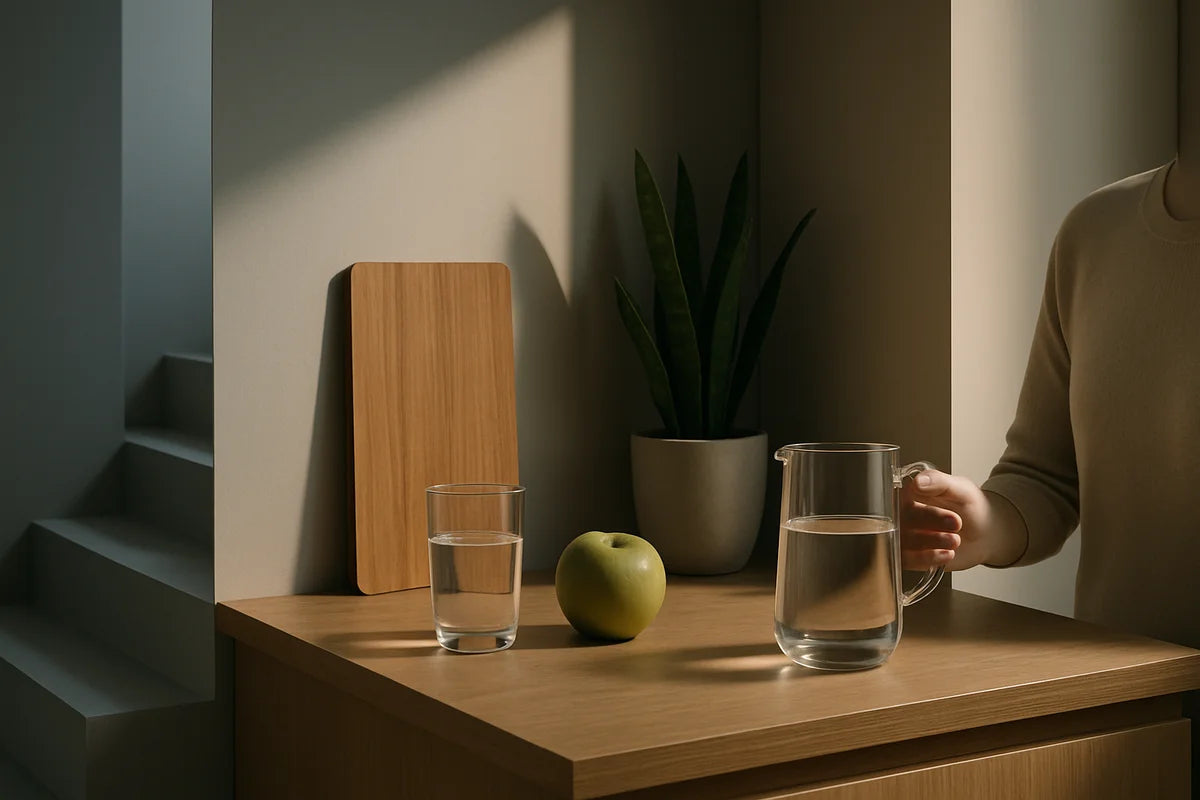
A home office plant can make your workspace feel calmer and look better. It can also turn into a sad, droopy reminder that you forgot to water it for two weeks. The good news is that most “brown thumb” problems come from a few fixable habits: wrong light, poor drainage, and random watering.
These home office plant care tips focus on what matters in real rooms with real schedules. You’ll learn how to pick plants that fit your space, how to read light without fancy tools, and how to build a simple routine you can stick to.
Start with your space, not the plant aisle

Before you buy anything, look at the spot where the plant will live. Light and airflow decide what will thrive. The plant tag comes second.
Check your window direction
- South-facing windows usually give the strongest light (in the Northern Hemisphere).
- East-facing windows give gentler morning sun.
- West-facing windows can blast plants with hot afternoon sun.
- North-facing windows often stay low light most of the day.
If you want the deeper “why,” the University of Minnesota Extension explains indoor light intensity in plain terms.
Do the shadow test in 30 seconds
At midday, hold your hand about 12 inches above your desk.
- Sharp shadow: bright light
- Soft shadow: medium light
- Barely any shadow: low light
This quick check beats guessing, and it keeps your home office plant care tips grounded in what your room actually offers.
Watch for hidden stressors
- Heating and AC vents dry leaves fast and can cause crispy edges.
- Drafty windows can chill tropical plants.
- Radiators can cook roots if the pot sits too close.
Plants like stability. If your desk area swings from cold to hot each day, pick tougher plants and keep them out of direct airflow.
Choose plants that match your work habits

Most people don’t kill plants with neglect alone. They kill them by “helping” too much: watering on a schedule, repotting too often, or moving them every week. If you want plants that last, pick species that fit how you live.
Low-fuss picks for busy weeks
- Snake plant (Sansevieria/Dracaena trifasciata): handles low light and missed waterings.
- ZZ plant (Zamioculcas zamiifolia): slow growing and drought tolerant.
- Pothos: adapts well and tells you when it’s thirsty with slight droop.
- Spider plant: forgiving and easy to propagate.
If your desk gets bright sun
- Jade plant: likes strong light and sparse watering.
- Aloe: prefers bright light and dry soil between waterings.
- Some cacti: great for sunny sills, not for dim corners.
If you want pet-safe choices
Some popular houseplants can harm cats and dogs if they chew them. If pets roam your office, check toxicity before you buy. The ASPCA plant list is a practical reference for common houseplants.
Get light right without overthinking it
Light is the main driver of growth. If your plant struggles, fix light first. Watering tweaks won’t save a plant that can’t photosynthesize.
How far from a window is “bright”?
- 0-2 feet from a bright window: usually bright indirect light (unless direct sun hits leaves).
- 3-6 feet: medium light for many homes.
- 7+ feet: often low light, even if the room feels bright to you.
Direct sun through glass can scorch leaves, especially in hot afternoon light. If the plant sits in a beam of sun for hours and the leaves bleach or crisp, move it back or filter the light with a sheer curtain.
When a grow light makes sense
If you work in a room with one small window or a north-facing exposure, a grow light can be the difference between “survives” and “grows.” You don’t need a complicated setup. A simple LED grow bulb in a desk lamp works for many plants.
- Start with 8-12 hours a day for low to medium light plants.
- Keep the light close enough to matter (often 8-18 inches, depending on the bulb).
- Put it on a timer so you don’t have to think about it.
For deeper detail on using lamps safely and effectively, this Royal Horticultural Society guide to grow lights is clear and practical.
Water less, but water better
If you want one of the most useful home office plant care tips, it’s this: don’t water by the calendar. Water by the soil.
The finger test beats guessing
Stick your finger into the soil.
- Top inch dry: many common plants are ready for water.
- Still damp: wait.
- Soggy: you have a drainage or overwatering problem.
For larger pots, check deeper. A chopstick works well: push it down, pull it out, and see if it comes out damp with soil stuck to it.
Soak and drain, don’t sip
Most plants do better when you water thoroughly, then let the pot drain fully. Tiny “sips” leave dry pockets in the soil and encourage shallow roots.
- Water until it runs out of the drainage holes.
- Let it drain for 10-20 minutes.
- Empty the saucer so the pot doesn’t sit in water.
If you keep a plant in a cachepot (a decorative pot with no drainage), pull the nursery pot out to water, let it drain, then put it back.
Know the overwatering signs early
- Yellowing leaves that feel soft, not dry
- Mushy stems near the soil line
- Soil that smells sour or musty
- Fungus gnats hovering around the pot
Overwatering isn’t about volume. It’s about frequency and oxygen. Roots need air. When soil stays wet, roots suffocate and rot.
Soil and pots decide whether roots can breathe
Light and water get the attention, but potting mix and drainage often decide if a plant lasts longer than a season.
Always use a pot with a drainage hole
If your plant lives in a pot with no hole, you’re balancing a glass of water on a keyboard. It can work, but one mistake can ruin the plant. Drainage holes make care forgiving.
Match the soil to the plant
- Succulents and cacti need fast-draining mix (often labeled cactus mix). You can add perlite or pumice for extra drainage.
- Tropical foliage plants often like an airy mix that holds some moisture but doesn’t stay soggy.
If you enjoy tinkering, you can mix your own. If not, buy a decent indoor potting mix and add perlite to loosen it up.
Repot only when the plant asks
Many home office plants like being slightly root-bound. Repot when you see:
- Roots circling the bottom or growing out of the holes
- Water running straight through because roots fill the pot
- Growth stalling during the active season (spring and summer)
Move up one pot size, not three. A pot that’s too large stays wet too long.
Humidity and airflow in a real home office
Many offices run dry from heating or AC. Some plants don’t care. Others show it fast with brown leaf tips.
Easy humidity upgrades
- Group a few plants together. They create a small humid pocket.
- Run a small humidifier near the plants (not blasting directly onto leaves).
- Use a pebble tray only if it stays clean and you keep water below the pot base.
If you want a plain-English breakdown of indoor humidity and comfort, the EPA indoor air quality resources offer a good starting point.
Don’t forget airflow
Stale air can invite fungus issues, especially when soil stays damp. A ceiling fan on low or cracking the door can help. Just keep plants away from hard blasts of hot or cold air.
Fertilizer tips that won’t burn your plants
Fertilizer helps, but it’s not a rescue tool. A stressed plant in poor light won’t perk up because you fed it. Fix the conditions first.
When to fertilize
- Feed during active growth (often spring through early fall).
- Ease off in winter when growth slows, especially in low light.
How to keep it simple
- Use a balanced liquid fertilizer at half strength every 4-6 weeks.
- Water first if the soil is dry, then fertilize. Dry roots plus fertilizer can cause burn.
- Flush the pot with plain water every few months to reduce salt buildup.
For a solid reference on nutrients and plant growth, see Penn State Extension on fertilizers and soil amendments.
Dust, pests, and small fixes that matter
Home offices collect dust. Plants do too. Dust blocks light and makes leaves dull.
Clean leaves fast
- Wipe broad leaves with a damp cloth every few weeks.
- Rinse smaller-leaf plants in the shower with lukewarm water.
- Skip leaf shine sprays. They can clog pores and attract dust.
Catch pests early
Common indoor plant pests include spider mites, mealybugs, scale, and fungus gnats. Check the undersides of leaves when you water.
- If you see fine webbing or speckled leaves, suspect spider mites.
- If you see white cottony bits in joints, suspect mealybugs.
- If you see tiny flies near the soil, let the top layer dry more between waterings and consider sticky traps.
For ID help with photos, The Old Farmer’s Almanac pest guides are handy and easy to scan.
Build a care routine that fits your workweek
The best home office plant care tips won’t help if you forget them. Make your routine match your calendar.
Use a two-minute weekly check
- Touch the soil in each pot.
- Look under a few leaves for pests.
- Rotate plants a quarter turn if they lean toward the window.
- Empty any standing water in saucers.
Set up gentle reminders
- Put a repeating reminder on your phone called “plant check,” not “water plants.”
- Keep a small watering can in the office so you don’t forget mid-task.
- If you like data, log water dates in a notes app for a month and you’ll see the real pattern.
If you travel, plan for it
- Water well the day before you leave, then let pots drain.
- Move plants a bit back from strong sun to slow drying.
- Skip “self-watering globes” unless you’ve tested them. Many overwater.
Common home office plant problems and quick answers
Why are the leaf tips brown?
- Dry air, inconsistent watering, or salt buildup from fertilizer can cause brown tips.
- Trim the dead tips, then adjust watering and consider flushing the soil.
Why are leaves yellowing?
- Often overwatering or low light.
- Let the soil dry more between waterings and move the plant closer to the window if you can.
Why is my plant leggy?
- Not enough light.
- Move it to brighter light or add a grow light. Prune leggy stems to encourage bushier growth when conditions improve.
Why do I have fungus gnats?
- Soil stays wet too long.
- Let the top 1-2 inches dry, improve drainage, and use yellow sticky traps to reduce adults.
Looking ahead with plants that grow with your work
Once you dial in the basics, your home office plants become easy. They also become useful signals. When a pothos droops, it reminds you to take a break and refill your own water. When a snake plant keeps going through a busy month, it proves that simple systems work.
Pick one plant you like, place it where the light makes sense, and do a weekly check instead of random watering. After a month, add a second plant only if the first one looks better than the day you brought it home. That’s how a desk turns into a space that feels lived-in, steady, and quietly green.