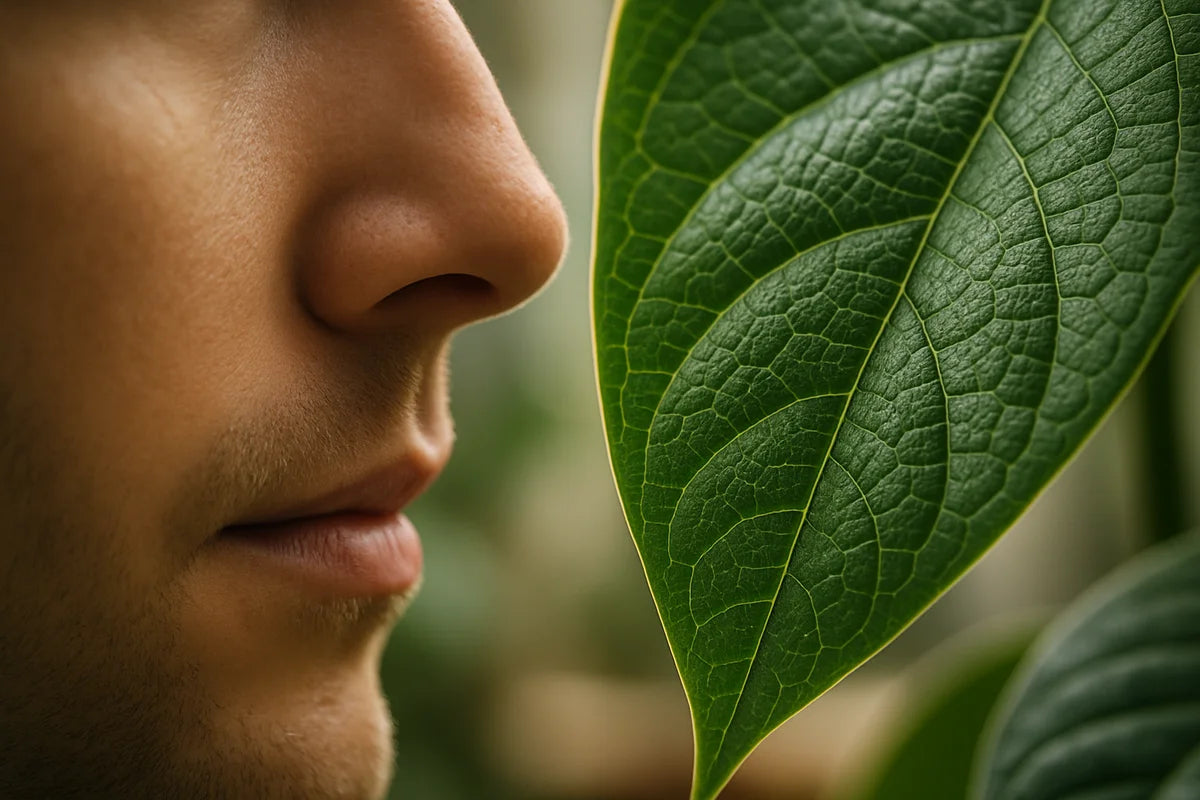
You don’t need a big house or a perfect routine to feel better. Sometimes a small, living thing on a shelf can help. Indoor plants won’t replace therapy, medicine, sleep, or social support. But they can support mental health in quiet, steady ways: they add calm, give your eyes a break, and turn care into a simple daily habit.
This article breaks down what we know about improving mental health through indoor plants, why it works for many people, and how to set up a plant routine you can actually keep.
Why indoor plants can help your mental health

When people talk about plants and mood, they often jump to big claims. The real story is simpler. Indoor plants can support mental health through a few practical pathways: attention, stress response, routine, and the feel of a space.
They nudge your nervous system toward calm
Looking at greenery can feel soothing because it gives your brain a soft place to rest. This idea sits under “stress recovery” and “attention restoration” research, which looks at how natural elements help people recover from mental fatigue. You can read an overview of attention restoration theory from the Kaplan paper often cited in restorative environment research.
In daily life, that can mean this: when you glance up from a screen and see a plant, your eyes shift focus, your shoulders drop, and you breathe a little deeper without trying. It’s small, but repeated small resets matter.
They make your home feel more “alive”
Mental health and environment link up more than we like to admit. A bare, harsh space can keep your body on alert. A space with a few natural shapes and colors often feels gentler. Indoor plants can make a room feel cared for, which can make you feel more cared for too.
They add a light, workable sense of purpose
Depression and anxiety can shrink your world. Big goals feel heavy. Plants offer “small purpose”: water, rotate, wipe leaves, notice new growth. These tasks take minutes, not hours. That’s one reason improving mental health through indoor plants can work well for people who struggle with low energy or focus.
They support routine without a strict schedule
A good mental health routine is often boring: sleep, food, movement, sunlight, social contact. Plants can act as a gentle reminder. If you water your plant, maybe you also drink a glass of water. If you open the blinds for the plant, you get more daylight too.
If you want a clear, evidence-based view on how habits shape health, the American Psychological Association’s healthy living resources are a solid starting point.
What the research says (and what it doesn’t)

Research on plants and mental health sits in a messy middle. Many studies show benefits like lower stress, better attention, and improved mood in certain settings. But effects vary by person, and “plants” can mean a lot of things: a window view, a hospital garden, or a pot on a desk.
One reason you’ll see mixed results is that plants often work through indirect changes. You may sleep better because your room feels calmer. You may feel less stuck because you have a small task to do. Those are real wins, even if they don’t show up as a single dramatic score change.
For a broader view of how nature exposure links to health, including mental health, the CDC’s wellness and health behavior resources can help you connect the dots between environment, movement, and stress. (It’s not plant-specific, but it frames the bigger picture: mental health improves when daily supports line up.)
So here’s the honest takeaway: improving mental health through indoor plants is most useful when you treat plants as a support tool, not a cure.
Indoor plants as “micro-care”: the mental health habit you can keep
Many self-care plans fail because they ask too much, too soon. Plants work best when you keep them small and repeatable.
Use plants to build a 2-minute reset
Try this once or twice a day:
- Look at a plant for 20 seconds and let your eyes soften.
- Take 5 slow breaths.
- Notice one detail: a new leaf, a bend in a stem, a bit of dust that needs wiping.
- Do one tiny action (rotate the pot, water if dry, wipe one leaf).
This is not a mindfulness performance. It’s a quick shift away from tension. Over time, this kind of micro-care can make your home feel safer and more stable.
Let the plant be the prompt, not the project
If you buy 12 plants and download three tracking apps, you’ll likely burn out. Instead, pick one plant and make it easy to succeed. When it thrives, add another.
Choosing the right plants for better mood (and fewer headaches)
The best plant for mental health is the one that stays alive with your schedule. Dead plants can trigger guilt, which defeats the point. Start with tough, forgiving options.
Low-effort plants for beginners
- Snake plant (Sansevieria): handles low light and missed waterings.
- Pothos: grows fast, gives quick “progress,” and forgives mistakes.
- ZZ plant: slow-growing, sturdy, and fine with low light.
- Spider plant: easy, cheerful, and good for learning basic care.
If you want a sensory lift, try herbs
Scent and taste can boost mood in a direct way. A small pot of mint or basil can turn plant care into cooking, tea, or a simple ritual.
- Mint: hardy, but keep it in its own pot because it spreads.
- Basil: loves light and regular watering, but rewards you fast.
- Rosemary: needs strong light and lighter watering.
For practical herb-growing tips that stay grounded, the Royal Horticultural Society’s herb advice is reliable and clear.
One warning: match plants to your light
People often fail at plants because they guess wrong about light. Stand where the plant will live and look at the window:
- Bright, direct light: sun hits the spot for hours.
- Bright, indirect light: the room is bright, but sun doesn’t hit the leaves.
- Low light: you can read easily, but the room stays dim.
If you’re unsure, start with a snake plant, pothos, or ZZ plant. They tolerate more than most.
How to set up your space to feel calmer
You don’t need a “plant room.” A few smart placements can change how a space feels.
Put one plant where your stress starts
Where do you tense up?
- Desk: add a small plant near your screen to remind you to look up.
- Kitchen: place herbs near the sink to turn chores into a quick reset.
- Bedroom: choose a low-scent plant and keep it simple, not cluttered.
Use “green edges” to soften hard corners
Rooms feel sharper when everything is straight lines: screens, tables, walls. A trailing pothos on a shelf or a taller plant beside a couch adds curves and breaks up that rigid feel.
Keep plant care visible
Hide tools and you won’t use them. Keep a small watering can, a cloth for wiping leaves, and a simple tray nearby. That cuts friction, which helps habits stick.
Stress, anxiety, and attention: practical ways plants can support you
Improving mental health through indoor plants works best when you link the plant to a need you already have.
For stress: create a “quiet corner”
Pick one spot and set it up for recovery:
- One medium plant with a shape you like (upright, round, trailing).
- A comfortable chair or cushion.
- Soft light, if possible.
- No scrolling rule for 10 minutes.
This isn’t about perfection. It’s about giving your body a place to downshift.
For anxiety: use plant care as a grounding task
Anxiety pulls you into “what if.” Plant care pulls you back into “what is.” Try a short grounding loop:
- Touch the soil. Is it dry or damp?
- Look at the leaves. Any yellowing or dust?
- Smell the plant. Even “no smell” is a sensory check.
- Do one action: water, trim, wipe, or rotate.
That’s it. Stop before it turns into a long project.
For focus: place plants to break screen tunnel vision
Eye strain and mental fatigue often travel together. A plant won’t fix your workload, but it can help you pause. Put a plant 6-10 feet away from your screen. When you take a break, look at it for 20 seconds. This shifts your focus distance and gives your brain a quick reset.
Do indoor plants improve air quality enough to affect mood?
This topic gets hype. Plants do interact with indoor air, but your home’s air quality depends more on ventilation, outdoor pollution, cooking smoke, moisture, and cleaning products.
Some lab studies show plants can remove certain compounds in controlled conditions. Real homes don’t work like sealed lab chambers. So think of plants as a helpful add-on, not your air filter.
If you care about indoor air because it affects sleep, headaches, and stress, start with basics. The EPA’s indoor air quality guidance gives clear steps that work: ventilate when you cook, control moisture, and reduce smoke and harsh fumes.
Simple air steps that pair well with plants
- Open a window for 5-10 minutes when outdoor air is decent.
- Use the stove fan when you cook.
- Fix damp spots fast to prevent mold.
- Don’t overwater plants and let water sit in trays.
Plant care without guilt: keep it easy, keep it kind
If you want mental health benefits, the process has to feel safe. That means no guilt spiral when a leaf drops.
Use a “one-check” watering rule
Skip strict schedules. Instead:
- Stick your finger into the soil up to your first knuckle.
- If it feels dry, water.
- If it feels damp, wait.
This works for many common houseplants. For succulents, wait longer.
Pick the smallest routine that works
- Once a week: check soil and remove dead leaves.
- Once a month: wipe leaves and rotate the pot.
- Seasonally: move plants closer to windows in winter if needed.
If you want a simple reference for common plant problems, University of Minnesota Extension’s houseplant resources are practical and beginner-friendly.
If you struggle with low energy, use “backup plants”
Some weeks are hard. Plan for that.
- Choose at least one plant that can go longer without water (ZZ, snake plant).
- Use self-watering pots for one or two plants if you tend to forget.
- Keep a small bottle or cup near the plant so watering takes 20 seconds.
Safety and comfort: pets, kids, allergies, and clutter
Plants should lower stress, not add it.
Check toxicity if you have pets or small kids
Many common houseplants can upset a pet’s stomach, and some can be dangerous if chewed. Before you buy, check a trusted database like the ASPCA list of toxic and non-toxic plants. If you already own a plant and you’re unsure, place it out of reach until you confirm.
Watch for mold in soil
Overwatering can lead to mold or fungus gnats, which can stress you out and worsen allergies. Let soil dry a bit between waterings (when the plant allows), empty drip trays, and avoid keeping plants in constantly damp corners.
Don’t let plants become clutter
Too many pots can make a space feel crowded. If clutter raises your anxiety, limit yourself to a few well-placed plants and keep surfaces clear.
Where to start: a simple 7-day plan
If you want to try improving mental health through indoor plants without turning it into a big project, follow this plan.
Day 1: Pick one spot
- Choose your desk, kitchen counter, or bedside table.
Day 2: Check your light
- Note whether you get direct sun, bright indirect light, or low light.
Day 3: Buy one easy plant
- Match it to your light. Don’t buy more than one.
Day 4: Set up a care station
- Place a small watering cup and a cloth nearby.
Day 5: Do the 2-minute reset
- Look, breathe, notice, and do one tiny action.
Day 6: Learn one plant signal
- For example: drooping can mean thirst, but yellow leaves can mean too much water.
Day 7: Choose your rhythm
- Pick one weekly check-in day. Put it on your calendar if that helps.
Looking ahead: let your plants grow with you
Plants won’t fix everything. But they can help you build a space that supports you, not drains you. Start with one plant and one small habit. When that feels normal, expand in a way that matches your life: a second plant by the couch, a small herb pot near the sink, a calmer corner for breaks.
If you’re working on your mental health in bigger ways, you can also use plants as part of your support plan: pair plant care with therapy homework, a daily walk, or a short wind-down routine. Over time, you’re not just keeping a plant alive. You’re building steady signals of care in your home, and that can make hard days feel a bit more doable.