Most homes don’t lack style. They lack living things.
An indoor vertical garden changes how a room feels because it changes what the room does. It adds plants without eating up floor space. It brings greenery closer to eye level. It can even nudge you into better daily habits because you water, trim, and check on something that grows.
This article breaks down the real indoor vertical garden benefits, from cleaner-feeling rooms to easier herb harvesting, plus the practical choices that make the difference between “a cool wall” and a wall that dies in a month.
What an indoor vertical garden is (and what it isn’t)

An indoor vertical garden is a plant system built to grow upward on a wall or frame. It can be as simple as mounted pots on a rack or as advanced as a hydroponic panel with a pump and timer.
It’s not a magic air scrubber, and it’s not “no-maintenance.” The benefits are real, but they show up when you match the system to your light, your time, and your goals.
Common indoor vertical garden types
- Wall-mounted planters: individual pots or pockets attached to a panel
- Freestanding towers: vertical columns that sit on the floor and grow up
- Hydroponic walls: plants grow in water with nutrients, often with a recirculating pump
- Trellis systems: climbing plants trained on a grid or wire
Benefit 1: You get more plants in less space

The most obvious indoor vertical garden benefit is space. If you live in an apartment or a small home, floor space is the expensive part. A vertical garden turns unused wall area into a growing zone.
That matters in a few ways:
- You can keep walkways clear instead of juggling pots on stools and shelves
- You can grow a mix of herbs and houseplants without crowding windowsills
- You can build a “plant corner” even if you don’t have a corner
Make the space gain real
Don’t mount a vertical garden where you’ll bump it, splash it, or ignore it. The best spot is where you already spend time. If you’ll grow herbs, put it near the kitchen. If you want it for mood, place it near your desk or couch.
Benefit 2: Your room looks calmer (because it’s less cluttered)
Plants scattered around a room can look cozy, but they can also look messy. A vertical garden gives the eye one place to land. You trade “pots everywhere” for a single, clean focal point.
This is why vertical gardens work so well in:
- open-plan apartments
- home offices
- entryways that need something warmer than a mirror
- small dining areas where you don’t want floor plants
A design tip that prevents the “plant wall chaos” look
Pick one of these and stick with it:
- One plant type repeated (like pothos or philodendron)
- One leaf shape theme (mostly trailing, or mostly upright)
- One pot color
Variety looks great in a greenhouse. In a living room, a simple pattern often looks better.
Benefit 3: You can grow herbs where you’ll actually use them
If you’ve bought basil, watched it wilt, then swore off herbs forever, you’re not alone. Herbs fail indoors for two main reasons: weak light and forgetting them behind other stuff.
A vertical herb garden solves the “hidden behind other stuff” problem. It puts your herbs at arm level. You see them every day. You snip what you need and water when the soil feels dry.
Best herbs for an indoor vertical garden
- Mint (hard to kill, but keep it in its own pot because it spreads)
- Chives
- Parsley
- Thyme
- Oregano
- Basil (needs strong light, but it’s worth it)
If you want a deeper rundown of edible options and light needs, the University of Minnesota Extension guide on growing herbs is clear and practical.
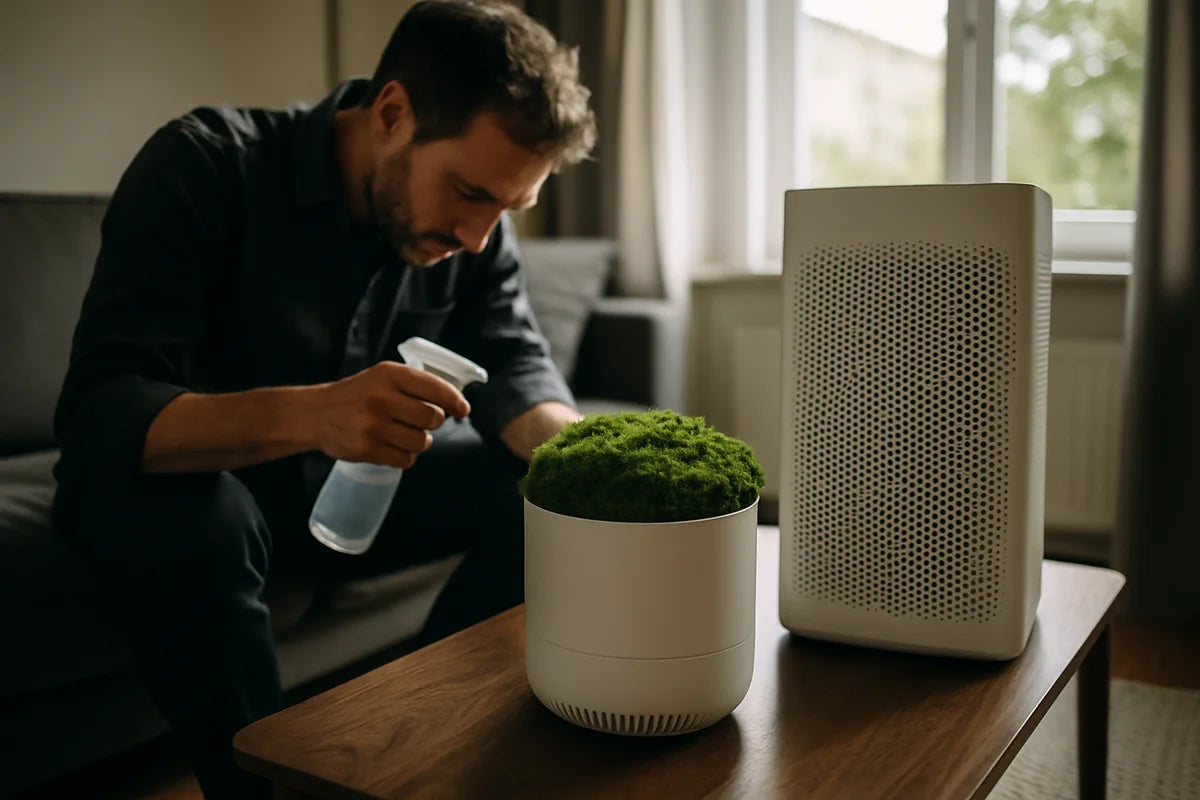
Benefit 4: Plants can support better indoor air, but set expectations
People often buy a vertical garden for “air quality.” The truth is more nuanced.
Plants can affect indoor air in controlled settings, but a typical home has many other factors: ventilation, outdoor pollution, cooking, candles, pets, cleaning products, and moisture. If you want the biggest air gains, start with source control and ventilation.
For a grounded overview of what really improves indoor air, the EPA’s indoor air quality guidance is a solid reference.
So what’s the real indoor vertical garden benefit here?
- You may notice a “fresher” feel because you’re adding living greenery and often improving care habits like regular airing out and cleaning
- Plants can help regulate humidity a bit, especially in dry seasons, though they won’t fix a humidity problem on their own
- A vertical garden makes it easier to keep plants healthy because light hits them more evenly than plants crammed on a shelf
If your home has moisture issues, fix that first. A vertical garden should not sit on a damp wall or cover up a leak.
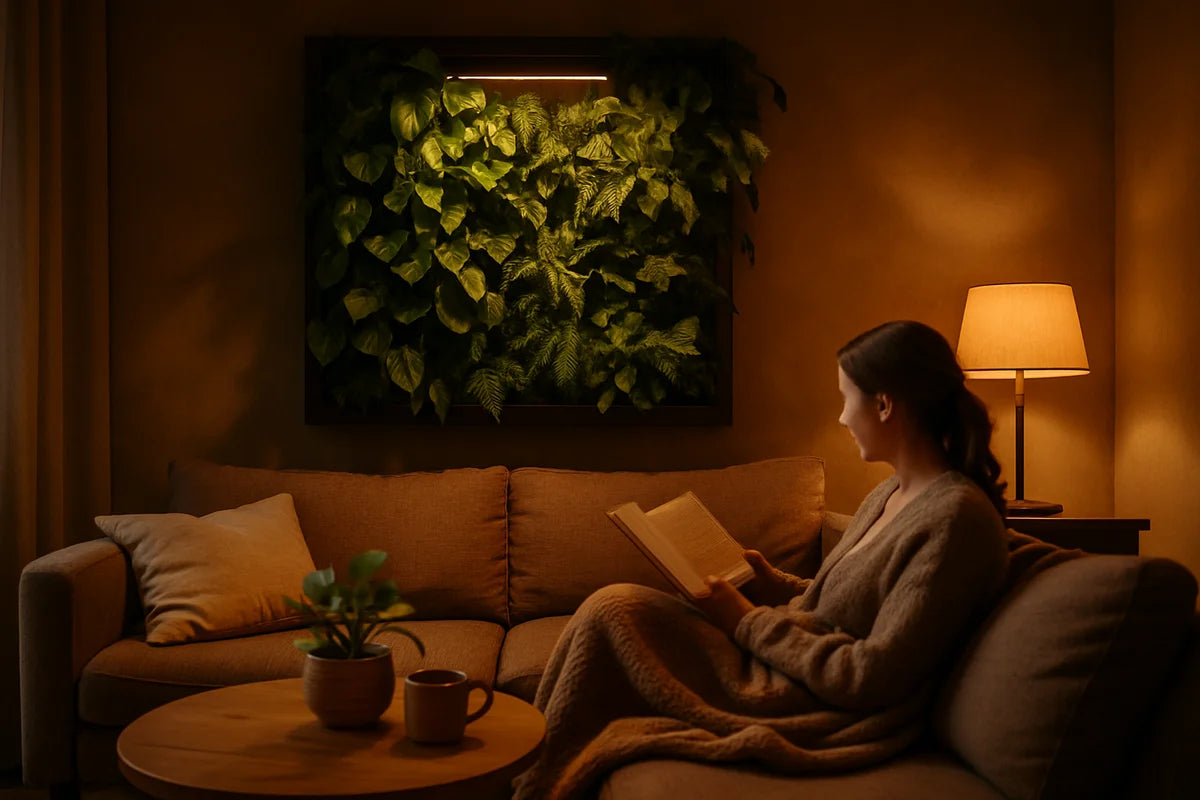
Benefit 5: It can improve focus and mood in a home office
You don’t need a lab report to feel the difference between staring at a blank wall and working next to a living one. A vertical garden adds texture, color, and a sense of care to a space that can otherwise feel flat.
Research around plants and wellbeing often points to stress reduction and improved attention in certain settings. If you want a research-heavy starting point, this review in the National Library of Medicine covers how contact with nature can relate to stress and health.
Make it work for work
- Place the garden in your side vision, not behind you
- Use plants that look good even when you miss a watering by a day (pothos, philodendron, spider plant)
- Add a small task to your routine: water check on Monday and Thursday
The best productivity tool is the one you’ll keep using. A low-drama plant wall beats a high-drama showpiece every time.
Benefit 6: You can reduce plant problems by improving light and airflow
Vertical setups often outperform random pots because they make the environment more even. When plants sit in a line, they tend to get similar light. When you cram them together on a shelf, the back row suffers.
Airflow also improves when plants aren’t jammed together. That can cut down on fungal issues and pests that thrive in still, crowded spots.
Two common mistakes that cause pests
- Overwatering because the system “looks dry” on top while the root zone stays wet
- Placing the garden right against a cold window in winter, which stresses plants and invites bugs
Want help choosing plants that suit your light level? The Royal Horticultural Society houseplant advice is a good browsing resource with clear care basics.
Benefit 7: A vertical garden can help with routine and consistency
This benefit surprises people. A vertical garden sits in your face. That’s the point. You notice dry leaves sooner. You spot yellowing faster. You catch pests early.
It also builds a small rhythm into your week. That sounds minor, but it’s one of the reasons indoor gardeners stick with vertical systems. They turn plant care into a two-minute check instead of a once-a-month rescue mission.
A simple maintenance routine
- Twice a week: touch the soil, water only if the top inch feels dry
- Once a week: rotate removable pots if one side gets more light
- Every two weeks: trim leggy growth and remove dead leaves
- Monthly: wipe dust off leaves with a damp cloth
Choosing a system that won’t wreck your wall
The fastest way to hate indoor vertical gardening is to create a dripping, mold-prone mess. Water and walls don’t mix unless you plan for it.
Wall safety checklist
- Use a waterproof backing panel if your system includes frequent watering
- Leave an air gap between the garden and the wall when possible
- Add a drip tray or gutter at the bottom
- Check your wall type and anchor into studs if the setup is heavy
If you rent, consider a freestanding tower or a rack that leans and anchors with minimal holes.
Light is the make-or-break factor
Most “my vertical garden died” stories start with low light. Your eyes adjust to indoor lighting. Plants don’t.
How to read your light fast
- Bright indirect light: near a window with strong daylight but no harsh sun on leaves
- Direct sun: a few hours of sun hitting the wall or plants
- Low light: far from windows, or in a north-facing room with limited sky view
If you’re unsure, use a light meter app as a rough check, or go straight to a grow light. For a practical overview of grow light basics, Gardeners.com’s grow light explainer lays out the terms in plain English.
Grow light tips that keep plants compact and healthy
- Put the light on a timer so you don’t rely on memory
- Aim for consistent daily light rather than random “extra” light
- Keep lights close enough to work, but not so close they scorch leaves (follow the fixture guidance)
Best plants for indoor vertical gardens
Pick plants that match your light and watering style. If you want low stress, start with forgiving houseplants. If you want food, start with herbs that don’t demand full sun all day.
Easy trailing plants for a lush look
- Pothos
- Heartleaf philodendron
- Spider plant
- Tradescantia (watch watering, it can rot if soaked)
Upright plants that stay tidy
- Snake plant (great for low light, slow growth)
- ZZ plant (slow, tough, hates soggy soil)
- Peace lily (likes even moisture, tells you when it’s thirsty)
Edibles that work indoors with decent light
- Leaf lettuce and greens (with grow lights)
- Strawberries (best with strong light and patience)
- Compact peppers (possible, but expect a learning curve)
If you want to go the hydroponic route, keep nutrient mixing simple and follow a tested chart. For nutrient and pH basics, the Maximum Yield overview of hydroponic nutrient solution basics gives a clear starting point.
Indoor vertical garden benefits for families and pets
A vertical garden can be a quiet way to teach kids how plants grow, and it keeps fragile pots out of reach. It also helps pet owners because you can place toxic plants higher up or choose pet-safe options.
If you have pets, plan plant choices first
Some common houseplants can harm cats and dogs if chewed. If you share your home with a curious pet, check toxicity before you buy. The ASPCA toxic and non-toxic plant list is the easiest reference to keep bookmarked.
Cost, upkeep, and what people regret
Vertical gardens range from cheap to pricey. The cost comes from structure, watering system, lights, and how many plants you start with.
What usually costs more than people expect
- Grow lights and timers
- Waterproof backing and drip control
- Quality potting mix (cheap soil causes problems fast)
- Replacement plants when the first batch doesn’t match your light
Most common regrets (and how to avoid them)
- Buying a system that’s too big: start with a smaller panel and expand after you learn your space
- Choosing fussy plants: begin with tough plants, then add harder ones later
- No plan for watering: use a tray, measure water, and don’t guess
- Mounting it in the wrong spot: put it where you’ll see it and where light can reach it
Where to start if you want results fast
If you want indoor vertical garden benefits without a long project, keep your first build simple.
A quick-start plan you can finish in a weekend
- Pick a location within 6-8 feet of a window, or commit to a grow light.
- Choose a rack or panel that holds 6-12 small pots.
- Start with 3-4 plant types max (for example pothos, philodendron, spider plant, and one herb).
- Add a tray or liner to protect the wall and floor.
- Set a watering schedule, then adjust based on how fast the soil dries.
When you’re ready to upgrade
Once you keep the first setup healthy for a month or two, you can add:
- a timed grow light
- a self-watering reservoir
- more edible plants
- a second panel to create a larger living wall
Looking ahead
Indoor vertical gardening keeps getting easier. Lights run cooler and use less power than older fixtures. Modular systems let you swap plants without rebuilding the whole wall. And more people now grow at least some food indoors, even in small homes.
If you want the benefits to stick, treat your vertical garden like a small system, not a decoration. Start with the light. Protect the wall. Pick plants that match your life. Then let it grow with you, one panel at a time.