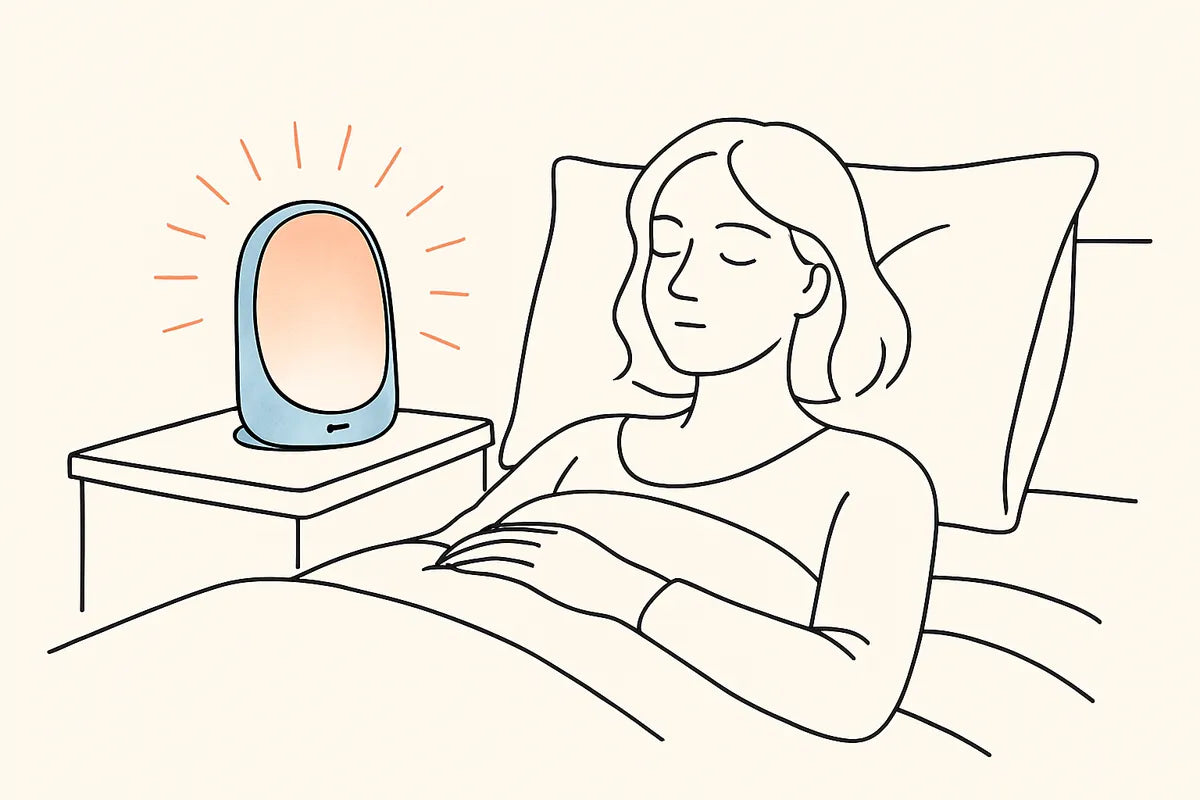
Light Therapy Solutions for Better Sleep: How to Use Light to Reset Your Body Clock
Many people struggle with sleep disorders such as insomnia, delayed sleep phase syndrome (DSPS), and seasonal affective disorder (SAD). The reason often lies in how our body clock, or circadian rhythm, responds to light. Modern life keeps us indoors under dim artificial lighting during the day and exposes us to bright screens at night. This confuses the brain’s natural timing system. Light therapy offers a practical way to reset that rhythm, boost melatonin production, and improve sleep quality. Whether through bright light therapy, red light therapy, or a targeted light therapy sleep device, adjusting light exposure can help restore healthy sleep patterns and daytime alertness.
This guide explains how light therapy works, which wavelengths and intensities are most effective, how long to use them, and when to schedule sessions for the best results. We’ll cover methods backed by research and offer actionable steps you can start today to improve sleep quality and overall well-being.
Understanding How Light Therapy Works to Improve Sleep and Reset the Circadian Rhythm

Light therapy works by influencing the brain’s internal clock known as the circadian rhythm. This rhythm regulates when you feel awake and when you feel sleepy. It’s guided by light signals reaching the brain through the eyes. When light enters the eyes in the morning, it suppresses melatonin production, helping you feel alert. When darkness sets in, melatonin rises, preparing your body for rest.
In people with sleep disorders like insomnia or delayed sleep phase syndrome (DSPS), this natural rhythm often drifts out of sync. For example, those with DSPS may not feel sleepy until very late at night, making it hard to wake early. Bright light therapy can help shift the rhythm earlier, allowing for an easier bedtime and wake-up time. By exposing yourself to controlled bright light at specific times, you can effectively perform a body clock reset.
Researchers recommend using a 10,000 lux light box for morning light exposure to stimulate the brain’s alert centers. This form of bright light delivers the same intensity as daylight on a clear morning. The treatment duration usually ranges from 20 to 30 minutes daily. Over time, this consistent exposure helps align the circadian rhythm with regular day-night cycles, improving both sleep onset latency and sleep quality improvement.
Light therapy doesn’t only improve night sleep. It also enhances daytime alertness and mood, particularly in those affected by winter blues or seasonal affective disorder (SAD). By mimicking natural daylight, it counteracts the lack of sunlight in darker months, helping stabilize mood and energy.
How Melatonin Production Responds to Light
Melatonin is the hormone that signals your body it’s time to sleep. Its production increases in the evening and drops in the morning. Exposure to bright light too late in the day can delay melatonin production, pushing bedtime later. Conversely, morning light exposure suppresses melatonin early, helping you wake up refreshed. This connection between light and melatonin explains why structured light therapy is an effective insomnia treatment and a reliable method for managing sleep disorders.
Bright Light Therapy vs. Red Light Therapy: Key Differences for Better Sleep

Both bright light therapy and red light therapy can influence sleep, but they do so through different mechanisms. Bright light therapy primarily targets the eyes and brain to reset circadian timing, while red light therapy focuses on cellular repair and relaxation at the tissue level.
Bright Light Therapy for Sleep Disorders
Bright light therapy uses visible white or blue-enriched light at intensities around 10,000 lux. It’s designed to mimic natural morning sunlight. This method is particularly effective for circadian rhythm disorders such as DSPS and SAD. Using a 10,000 lux light box in the morning helps reinforce daytime alertness and synchronize the body clock. The result is improved sleep onset latency and better sleep quality improvement at night.
Clinical studies from institutions like the National Institute of Mental Health show that bright light therapy reduces symptoms of seasonal affective disorder and improves energy levels during short winter days. Many users also report feeling more focused and balanced throughout the day.
Red Light Therapy for Relaxation and Melatonin Support
Red light therapy operates at lower intensities and focuses on specific wavelengths such as 630nm red light and 670nm red light. These wavelengths penetrate the skin to promote cellular energy production and relaxation. Unlike bright light therapy, red light doesn’t suppress melatonin. Instead, it supports natural melatonin production when used in the evening. This makes it ideal for pre-sleep routines and insomnia treatment.
According to research from the National Center for Biotechnology Information, exposure to 630nm and 670nm red light can improve mitochondrial function and tissue repair, potentially reducing nighttime restlessness. Athletes often use red light therapy to speed recovery, but its calming effect also benefits those seeking better sleep without stimulating the brain.
Combining Bright and Red Light Therapy
Some users combine both methods: bright light therapy in the morning to reset the circadian rhythm, and red light therapy at night to relax and encourage melatonin production. This dual approach can help regulate both ends of the sleep cycle, promoting daytime energy and nighttime calm.
Best Time of Day to Use Light Therapy for Insomnia or Delayed Sleep Phase Syndrome (DSPS)

Timing is crucial for effective light therapy. When and how long you use a light therapy sleep device determines its effect on your body clock. Morning sessions generally advance your circadian rhythm, while evening sessions delay it.
Morning Light Exposure for Body Clock Reset
For most people with insomnia or DSPS, morning light exposure is the key. Using a bright light therapy device between 6:30 a.m. and 9:00 a.m. helps reset the body clock earlier. This early exposure suppresses melatonin and signals the brain that it’s daytime. Over several days, this consistent timing shifts your sleep pattern, helping you fall asleep earlier at night.
A 10,000 lux light box placed at a comfortable distance (about 16 to 24 inches away) is standard. Those with sensitive eyes or light sensitivity can start with medium illuminance levels around 2,500 to 5,000 lux for longer sessions (up to 60 minutes). The key is consistency: use the light at the same time every morning to maintain the new rhythm.
Evening Use of Red Light Therapy
While bright light exposure in the evening can delay sleep, red light therapy can be safely used before bed. The 630nm red light and 670nm red light wavelengths don’t suppress melatonin. Instead, they help the body relax and transition smoothly into sleep. Many people use a red light therapy panel or lamp about 30 minutes before bedtime, focusing light on the face or body while reading or winding down.
For people who work night shifts or have irregular schedules, light therapy can be adjusted to their unique sleep cycle. For example, if you sleep during the day, you might use bright light therapy after waking to mimic morning sunlight for your internal clock.
How Long and How Often Should You Use a Light Therapy Device to See Improvements in Sleep Quality?
Consistency and proper treatment duration are the foundations of effective light therapy. Using a light therapy sleep device sporadically won’t produce lasting results. Instead, regular sessions over several weeks help train your circadian rhythm into a stable pattern.
Recommended Treatment Duration
Most experts suggest starting with 20 to 30 minutes of bright light therapy each morning using a 10,000 lux light box. If you’re using medium illuminance levels (around 5,000 lux), sessions can be extended to 45 to 60 minutes. For milder sleep issues or sensitivity to light, shorter sessions can still be effective if done consistently. According to The Sleep Foundation, noticeable sleep quality improvement can occur within one to two weeks of daily use, though some may need up to a month for full adjustment.
Red Light Therapy Timing and Frequency
Red light therapy sessions are usually shorter, lasting 10 to 20 minutes in the evening. You can use it daily as part of your bedtime routine. The gentle wavelengths (630nm and 670nm) promote relaxation without stimulating alertness. Over time, this can reduce sleep onset latency and make it easier to fall asleep faster.
Ongoing Maintenance and Adjustments
Once you’ve achieved a stable sleep pattern, you can reduce the frequency to a few sessions a week for maintenance. Continue morning bright light exposure during winter months or times of low natural sunlight to prevent winter blues or SAD symptoms. If your sleep issues return, resume daily use until your body clock resets again.
Recommended Intensity and Wavelength: What Lux or Nanometer Range Works Best?
Different light intensities and wavelengths serve different purposes in sleep therapy. The right settings depend on whether you’re targeting circadian alignment, relaxation, or mood stabilization.
Choosing the Right Lux Level for Bright Light Therapy
For bright light therapy, intensity is measured in lux. A 10,000 lux light box is the standard for effective circadian rhythm adjustment. This brightness level mimics natural outdoor morning light. If 10,000 lux feels too strong, start with medium illuminance (around 5,000 lux) for longer durations. The light should be directed toward your eyes but not looked at directly. Keep it at a slight downward angle on your desk or table while you read or eat breakfast.
Low-intensity lights (below 2,000 lux) are generally too weak to influence melatonin or body clock timing. However, they can still help enhance mood in mild cases of winter blues or as supplemental light on cloudy days.
Optimal Wavelengths for Red Light Therapy
Red light therapy focuses on wavelengths between 600 and 700 nanometers. The 630nm red light and 670nm red light ranges are the most studied for biological effects. These wavelengths penetrate skin tissue, stimulating mitochondria and promoting energy metabolism. They’re gentle on the eyes and safe for evening use, supporting melatonin production instead of suppressing it.
According to studies published in Photobiomodulation journals, the 670nm wavelength in particular enhances cellular recovery and may improve sleep quality by reducing inflammation and stress. These benefits make red light a strong complement to morning bright light exposure, providing a full-spectrum approach to sleep health.
Balancing Bright and Red Light for Maximum Effect
Many people benefit from combining both forms: morning bright light therapy for circadian synchronization and evening red light therapy for relaxation. This balance helps improve both sleep onset latency and sleep quality improvement while maintaining daytime alertness. It also reduces the risk of insomnia relapse, especially during seasonal changes or after travel-related jet lag.
Practical Tips for Using a Light Therapy Sleep Device at Home
A light therapy sleep device can fit easily into your daily routine. The key to success is using it consistently and safely. Here’s how to get started:
Setting Up Your Light Box
- Position the 10,000 lux light box about 16 to 24 inches from your face.
- Use it for 20 to 30 minutes within an hour of waking up.
- Look in its direction but don’t stare directly at the light.
- Do something productive like reading, eating, or working during the session.
Creating a Relaxing Evening Routine with Red Light
- Use a red light therapy panel or lamp with 630nm or 670nm LEDs.
- Position it 12 to 18 inches away from your body.
- Run the session for 10 to 20 minutes before bedtime.
- Combine with calming activities like stretching or meditation.
Combining with Other Sleep Hygiene Habits
Light therapy works best when paired with healthy sleep practices. Keep your bedtime consistent, limit caffeine after noon, and avoid blue light from screens in the evening. You can also track your progress using a sleep app or journal. Over time, you’ll notice improved daytime alertness, quicker sleep onset, and deeper rest.
When to Seek Professional Guidance for Sleep Disorders
While light therapy is a safe and effective insomnia treatment for many, it’s wise to consult a healthcare provider if you have persistent sleep disorders or underlying conditions. People with bipolar disorder, eye conditions, or those taking photosensitive medications should discuss light therapy use with a doctor before starting.
Consider visiting resources like the Sleep Foundation’s therapy guide or the Mayo Clinic’s overview of light therapy for more medical insights. Sleep specialists can also recommend specific devices and treatment durations tailored to your needs.
Benefits Beyond Sleep: Mood, Focus, and Energy
Light therapy doesn’t just improve sleep quality