

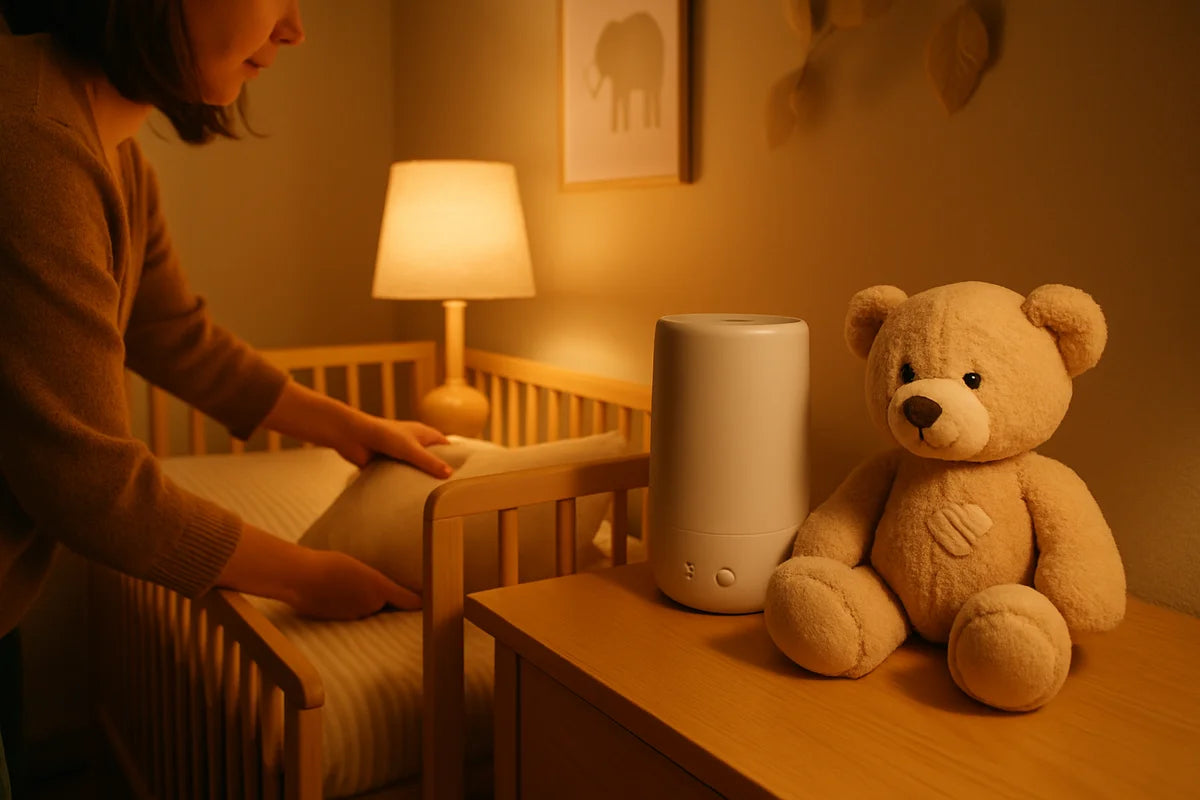
When you’re setting up a nursery for babies with allergies, the goal isn’t perfection. It’s control. You want a space where your baby can sleep, play, and breathe with fewer triggers. That means you’ll focus on dust, dander, mold, fragrance, and the materials that sit closest to your baby’s face for hours each day.
If you’re new to allergies, you might feel stuck between scary internet warnings and pricey “hypoallergenic” labels. This article cuts through that. You’ll learn what matters most, what to skip, and how to set up a nursery that’s calm, clean, and realistic to maintain.
Start with your baby’s allergy picture

Babies can react to many things, but most nursery triggers fall into a few buckets: dust mites, pet dander, mold, and irritants like fragrance and smoke. Some babies also have eczema that flares with heat, rough fabrics, and harsh detergents.
Talk with your pediatrician about symptoms, not guesses
If your baby wheezes, coughs at night, rubs their face a lot, or has stubborn eczema, bring details to your pediatrician. Ask what signs suggest allergy, asthma, reflux, or a virus. If you’re dealing with ongoing breathing issues, you can also review basics from the CDC’s asthma resources to understand common triggers and patterns.
Know the limits of “allergy testing” in young babies
Testing can help in some cases, but results don’t always match real-life symptoms, especially early on. Even without a clear test result, you can still reduce common triggers in the nursery. Those changes often help regardless of the exact cause.
Pick a room setup that fights dust and irritants
Dust is the steady drip of nursery allergies. It builds on soft surfaces, in corners, and inside fabrics you rarely wash. A good layout makes cleaning easy, not heroic.
Keep it simple and open
- Choose a layout with clear floor space so you can vacuum quickly.
- Skip extra shelves that become dust displays.
- Store toys in bins with lids to reduce dust buildup.
Go easy on fabric
Fabric holds dust mites and traps fragrance. You don’t need a bare room, but you do want fewer “dust catchers.” That means limiting upholstered chairs, heavy curtains, and piles of decorative pillows.
Air quality comes first in a nursery for allergy-prone babies
Air is the one thing your baby can’t avoid. If you fix only one area when setting up a nursery for babies with allergies, fix the air.
Use a HEPA air purifier that matches the room
A true HEPA purifier can reduce airborne particles like dust, dander, and some smoke residue. Look for a model sized for your nursery’s square footage and plan to run it most of the day. The EPA’s guidance on air cleaners explains what filtration can and can’t do, which helps you avoid marketing fluff.
- Place the purifier where air can circulate, not jammed behind a chair.
- Replace filters on schedule. A dirty filter doesn’t help.
- Avoid “ozone” or “ionizing” purifiers. Stick with mechanical filtration.
Control humidity to slow mold and dust mites
Dust mites love humidity. Mold does too. Aim for indoor humidity around 40 to 50%. If your home runs damp, use a dehumidifier. If it runs dry and your baby’s skin cracks, use a humidifier but clean it like it’s your job.
For clear targets and mold prevention tips, the NHS advice on damp and mould offers simple, practical steps.
Ventilation matters more than nursery “sprays”
Skip air fresheners, scented plug-ins, and “odor eliminators.” They often add irritants. If the room smells off, open a window when weather allows, run the bathroom fan after baths, and fix the source (diapers, damp laundry, hidden mold).
Choose nursery flooring and window coverings that don’t trap allergens
Flooring can make or break allergy control. So can curtains.
Hard floors beat wall-to-wall carpet
If you can choose, go with wood, vinyl, or laminate and use a washable rug only if you need softness. Carpet holds dust mites and is harder to clean well.
- If you already have carpet, vacuum slowly with a HEPA vacuum 2 to 3 times per week.
- Plan a deep clean on a schedule, but avoid strong fragrance cleaners.
Pick washable window coverings
Heavy drapes look nice, but they trap dust. Try roller shades or washable curtains you can toss in the laundry. If pollen triggers symptoms, keep windows closed on high pollen days and rely on filtered air.
If you want a quick way to track pollen, a practical tool like local pollen forecasts can help you decide when to air out the room and when to keep it sealed.
Allergy-aware crib and bedding choices that actually help
Your baby spends a lot of time face-down close to the mattress. Bedding choices matter, but you don’t need a closet full of special products.
Mattress and cover basics
- Choose a firm crib mattress that fits the crib tightly.
- Add a zippered, allergen-resistant mattress encasement if dust mites are a concern.
- Use a waterproof protector over the encasement for spills, then a fitted sheet.
Look for low-emission materials when possible. If you’re comparing certifications, GREENGUARD certification is one program that screens for lower chemical emissions from products.
Skip what you don’t need in the crib
From an allergy angle, fewer items mean less dust. From a safety angle, fewer items also reduce risk. Keep the crib simple: fitted sheet only. Avoid stuffed animals in the crib, thick blankets, and extra pads.
Wash bedding the right way
Wash sheets and protectors weekly. If dust mites are a key trigger, hot water helps. Use an unscented, dye-free detergent. Avoid fabric softener. If you need softness, use dryer balls instead.
Paint, furniture, and finishes without fumes
That “new nursery smell” often comes from chemicals off-gassing from paint, flooring, and furniture. Some babies react with cough, congestion, or eczema flares. You can reduce that risk with timing and product choices.
Paint with time on your side
- Pick low-VOC or zero-VOC paint.
- Paint as early as you can, then ventilate the room for days.
- Keep the baby out of the room while paint cures and odor fades.
Choose solid, wipeable furniture
Furniture with lots of fabric and tufting holds dust. Smooth, wipeable surfaces stay cleaner. If you want a rocker or glider, pick one with removable, washable covers or a leather-like wipeable finish.
Watch for hidden fragrance
New furniture can arrive with a strong factory smell. Air it out in a garage or spare room if you can. Avoid “scented” drawer liners, closet sachets, and fragranced cleaning wipes in the nursery.
Cleaning routines that reduce allergens without harsh chemicals
When allergies are in the mix, cleaning isn’t about making the room smell “fresh.” It’s about removing particles and preventing buildup.
Build a simple weekly routine
- Dust with a damp microfiber cloth (dry dusting just moves it around).
- Vacuum slowly with a HEPA vacuum, especially along baseboards.
- Wash bedding and the baby’s comfort items.
- Wipe crib rails, changing table, and frequently touched surfaces.
Choose safer cleaning products
Most families do well with mild soap and water for many surfaces. For a guide to choosing less irritating products, the EWG’s cleaner guide can help you compare options, especially if fragrance triggers symptoms.
Don’t forget the “small” dust zones
- Inside drawers and closet floors
- Baseboards and window sills
- Behind the crib and dresser
- Air purifier intake vents
Pets, pollen, and visitors with perfume
Even a perfect nursery setup won’t hold up if triggers walk in daily.
Pet dander boundaries that work
If your baby reacts to pets, start with the easiest win: keep pets out of the nursery all the time. Close the door. Use a baby gate if needed. Wash hands after pet time, and consider changing shirts if the baby gets face-to-face cuddles.
Manage pollen without sealing your baby in a box
- On high pollen days, keep windows closed and run the purifier.
- Change baby’s clothes after long outdoor time if symptoms flare.
- Wipe down strollers and carriers that collect pollen.
Set visitor rules early
This can feel awkward, but it saves you stress later. Ask visitors to skip perfume and scented lotions. If smoke exposure is a concern, ask smokers to wear a clean top layer and wash hands before holding the baby.
Feeding, eczema, and contact allergies inside the nursery
Not all baby allergies are airborne. Some show up as skin issues or feeding problems, and the nursery still plays a role.
If eczema is part of the picture
- Dress baby in soft, breathable fabrics like cotton or bamboo.
- Wash new clothes and sheets before use.
- Keep the room cool at night to reduce itching.
If you’re dealing with frequent flares, the National Eczema Association’s guidance for children offers clear steps on bathing, moisturizing, and trigger control.
Watch for contact irritants
Common culprits include fragranced wipes, harsh diaper creams, and detergents. If you’re troubleshooting a rash, change one thing at a time so you can tell what helped.
Smart shopping for “hypoallergenic” nursery products
“Hypoallergenic” doesn’t have a strict, universal meaning on many products. Treat it like a clue, not proof.
Use this quick filter before you buy
- Can I wash it easily and often?
- Will it collect dust?
- Does it have fragrance?
- Does it have a strong odor out of the box?
- Do I need it, or do I just like it?
Spend where it counts
If you’re budgeting, spend on the air purifier, a good vacuum (or vacuum filter), and mattress protection. You can keep decor simple and still make the room feel warm with color, art that can be wiped clean, and good lighting.
Where to start this week
If you feel overwhelmed, start small and stack wins. Over the next seven days, pick three moves you can finish:
- Remove extra fabric items from the nursery and store them elsewhere.
- Set up a HEPA air purifier and run it daily.
- Switch to fragrance-free detergent and wash all bedding.
- Check the room for damp spots and measure humidity.
- Create a simple “no perfume” rule for visitors who hold the baby.
Then watch your baby, not your anxiety. Track sleep, skin, and breathing for two weeks after changes. If symptoms improve, you’ll know your nursery setup is doing its job. If they don’t, you’ll have clean data to share with your pediatrician, and a solid base for the next step, whether that’s targeted allergy advice, eczema care, or a deeper look at indoor air and humidity in your home.


