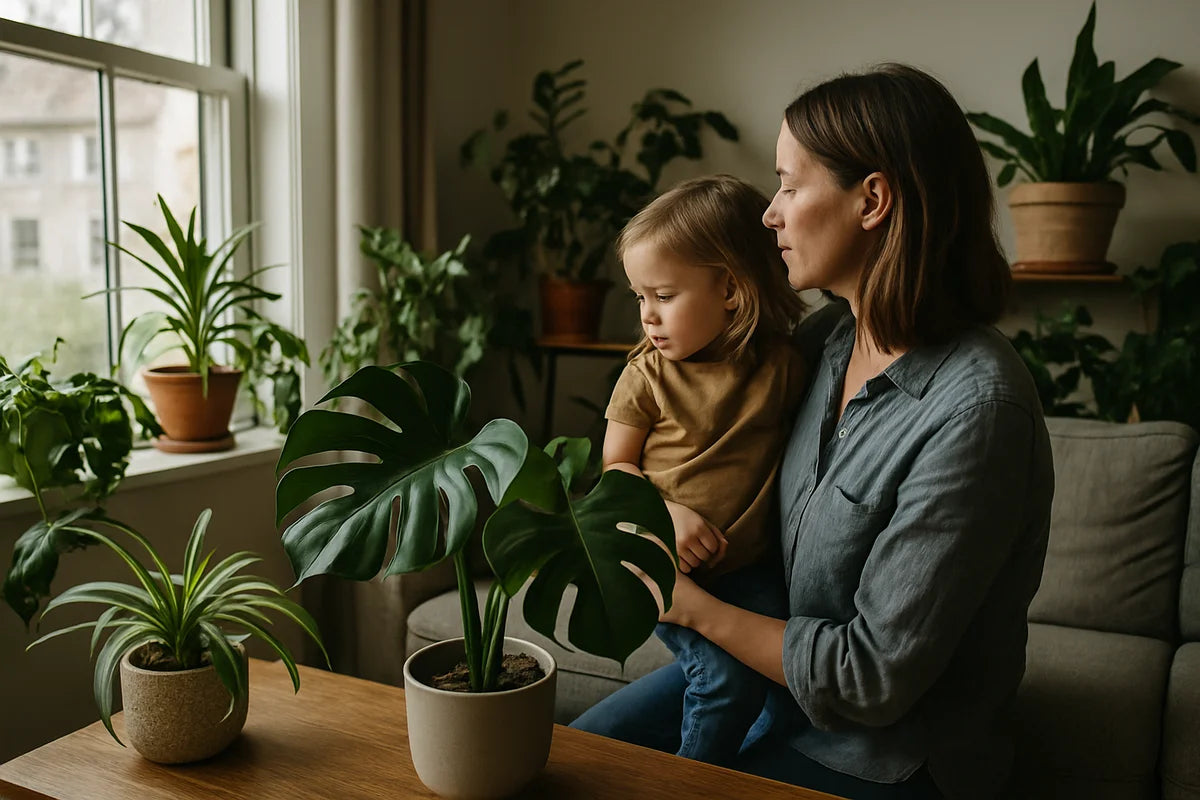
Best Plants for Family-Friendly Indoor Air Quality
Most of us spend a lot of our day indoors. Kids play on the floor. Pets nap on the couch. Dinner simmers while laundry dries on a rack. All that normal life can also mean more indoor pollutants, from cooking fumes to cleaning sprays to dust that never seems to quit.
Houseplants can help, but not in the magical way some headlines claim. Think of them as one part of a simple indoor air plan: they add moisture, trap some dust on leaves, and make you pay attention to your space. If you want the best plants for family-friendly indoor air quality, you also want plants that are tough, low-fuss, and less risky around kids and pets.
This guide focuses on practical picks, where to put them, and how to care for them so they stay healthy (because sick plants can mean moldy soil and fungus gnats).
What “better indoor air” really means

Indoor air quality depends on three big things: what gets into the air, how long it stays there, and how you remove it. Common issues include:
- Particles: dust, pollen, pet dander, smoke, and cooking aerosols
- Gases: VOCs from paints, air fresheners, and some building materials
- Moisture problems: air that’s too dry (irritation) or too damp (mold risk)
Plants can play a small role, mostly by adding humidity through transpiration and catching dust on leaves. But if you want measurable improvement, you’ll still rely on ventilation, source control, and filtration. The EPA’s indoor air quality guidance lays that out clearly.
So why bother with plants at all? Because they’re easy, they’re pleasant, and they can support habits that do improve air: opening windows, wiping leaves, and paying attention to humidity.
Before you buy: family-friendly plant rules
1) Choose plants that won’t stress you out
If your plant struggles, you’ll overwater it. Overwatering can lead to moldy soil and gnats, which makes your home feel worse, not better. Pick plants that match your light and your schedule.
2) Treat toxicity as a real factor
Many popular houseplants can upset a stomach or irritate a mouth if chewed. If you have toddlers or pets that snack on leaves, avoid risky plants or place them out of reach. A good reference is the ASPCA’s toxic and non-toxic plant list.
3) Keep soil and water clean
Indoor air quality and plant care overlap in one unglamorous place: the pot. Use pots with drainage holes, empty saucers, and let the top inch of soil dry for most plants. That one habit prevents most indoor plant problems.
Best plants for family-friendly indoor air quality (and why they work)
The plants below are popular for a reason: they tolerate indoor conditions, they’re easy to maintain, and they can support a cleaner-feeling home. I’ll also flag key safety notes so you can choose with confidence.
1) Spider plant (Chlorophytum comosum)
Spider plants are one of the best starter plants, and they’re a solid choice for family homes. They grow fast, handle missed waterings, and produce “babies” you can pot up and share.
- Why it helps: lots of leaf surface area to catch dust; easy to rinse and wipe clean
- Care: bright, indirect light; water when top inch dries
- Family note: generally considered non-toxic for cats and dogs, though pets can still get mild stomach upset if they eat a lot
2) Areca palm (Dypsis lutescens)
If your home feels dry in winter, palms can help. An areca palm transpires moisture and can make a room feel less scratchy, especially when your heat runs all day.
- Why it helps: adds humidity; large fronds catch dust
- Care: bright, filtered light; water when top inch dries; don’t let it sit in water
- Family note: often listed as pet-friendly, but keep fallen fronds picked up to avoid chewing
3) Boston fern (Nephrolepis exaltata)
Ferns love moisture. That makes them great in a bathroom or kitchen where humidity runs higher. They’re also good if you want a plant that nudges you toward a better humidity range.
- Why it helps: adds humidity; dense fronds trap dust
- Care: medium to bright indirect light; evenly moist soil; higher humidity helps
- Family note: commonly listed as non-toxic to pets
4) Rubber plant (Ficus elastica)
The rubber plant has thick, broad leaves that are easy to wipe. If you’re trying to reduce dust, plants with wipeable leaves are your best friends.
- Why it helps: big leaves collect dust that you can remove with a damp cloth
- Care: bright indirect light; let soil partly dry; rotate for even growth
- Family note: sap can irritate and it’s not a great pick for homes with plant-chewing pets or toddlers
5) Parlor palm (Chamaedorea elegans)
Parlor palms handle lower light better than many other palms. They stay smaller and fit well in bedrooms or offices.
- Why it helps: supports humidity; gentle, steady growth; easy to keep alive
- Care: low to medium light; water when top inch dries
- Family note: commonly listed as pet-friendly
6) African violet (Saintpaulia)
If you want color without strong scent, African violets do well on a bright windowsill. Strong fragrances can bug some people, so a mild, low-scent bloomer can be a good compromise.
- Why it helps: mainly comfort and mood, which changes how a room feels; compact size for small spaces
- Care: bright indirect light; water from the bottom; avoid wetting leaves
- Family note: often listed as non-toxic for pets
7) Bamboo palm (Chamaedorea seifrizii)
This palm can add a lush look without being fussy. Like other palms, it can support a better humidity feel when your air runs dry.
- Why it helps: humidity support; good leaf area
- Care: medium to bright indirect light; water when top inch dries
- Family note: commonly considered pet-friendly
8) Herbs for the kitchen (basil, mint, rosemary, parsley)
Herbs won’t “purify” a whole home, but they give you a practical reason to keep a sunny window clear and a habit of tending plants. They also help you skip some packaged flavorings and scented products.
- Why it helps: encourages source control habits in the kitchen; pleasant, mild plant smell
- Care: strong light; regular watering; pinch back to prevent legginess
- Family note: most common culinary herbs are safer than many ornamentals, but check specific plants if pets chew
Plants people recommend for air quality - and when to be careful
You’ll see some plants listed again and again on “air-purifying” lists. Some are useful houseplants, but they may not be the best match for a family home.
Snake plant and pothos: tough, but not kid-and-pet friendly
Snake plant (Sansevieria/Dracaena) and pothos (Epipremnum aureum) are hard to kill and handle low light. The catch: both can irritate mouths and stomachs if chewed. If you love them, place them high and use hanging planters that kids and pets can’t reach.
Peace lily: pretty, higher risk
Peace lilies show up on air quality lists, but they can cause irritation if eaten and their pollen can bother some people. They also like evenly moist soil, which tempts overwatering.
How many plants do you need for a real effect?
For a normal home, plants alone won’t replace ventilation or a good filter. The famous lab studies used controlled chambers and a lot of plants relative to the space. If you want background on what plants can and can’t do, the review in Nature’s journal on indoor air explains why the “one plant cleans a room” idea doesn’t hold up in real homes.
Still, a few well-placed plants can help your indoor air quality routine. A simple goal that fits most homes:
- Small room (bedroom, office): 2-4 medium plants
- Large living area: 4-8 plants spread out
Pick the plants you’ll keep alive. Healthy plants beat struggling plants every time.
Placement tips that make plants more useful
Put plants where you’ll care for them
A plant in the right light, near a sink, will get watered and wiped. A plant in a dark corner becomes a problem. If you only have low light, choose parlor palm or spider plant and use a simple grow light.
Use plants to support humidity, not fight it
Dry air can irritate noses and throats, but damp air can feed mold. Aim for a middle range. Many building science groups recommend keeping indoor humidity in a safe band, often around 30-50% to reduce mold risk and discomfort. For more detail, see Building Science Corporation’s guide to indoor humidity.
Use a small hygrometer so you know what’s real. If you need a practical tool, AirNow helps you check outdoor air quality so you can decide when opening windows helps and when it makes things worse.
Keep leafy plants near dust sources
Entryways, near pet beds, and beside busy hallways tend to collect dust. Plants with broad leaves (rubber plant) or many leaves (spider plant, palms) can act like dust “catchers” that you clean weekly.
Care steps that protect indoor air quality
If you want the best plants for family-friendly indoor air quality, care matters as much as plant choice. These steps keep plants from becoming a source of problems.
- Use pots with drainage holes. If water can’t escape, roots rot and soil gets sour.
- Empty saucers after watering. Standing water invites fungus gnats.
- Let soil dry a bit. Most houseplants prefer a wet-dry cycle, not constant damp.
- Wipe leaves every 1-2 weeks. Use a damp cloth. This removes dust and helps the plant photosynthesize.
- Skip heavy fragrance products. Many “air fresheners” add irritants. Let clean air smell like nothing.
- Watch for mold on soil. If you see fuzzy growth, scrape off the top layer, improve airflow, and water less.
Pair plants with the moves that matter most
Plants work best as part of a simple indoor air plan:
- Ventilate: use kitchen and bath fans; open windows when outdoor air is clean
- Filter: consider a HEPA air cleaner for bedrooms or living rooms; the ASHRAE filtration resources explain filters and air cleaning in plain terms
- Control sources: choose low-odor cleaners, avoid indoor smoking, and store paints and solvents outside living areas
- Clean smart: vacuum with a HEPA-rated vacuum if possible; damp-dust surfaces instead of dry sweeping
Quick shopping list: a safe, simple starter set
If you want an easy set of plants that suits many family homes, start here:
- 2 spider plants for bedrooms or a living room shelf
- 1 parlor palm for a lower-light corner
- 1 Boston fern for a bathroom with a window (or a kitchen)
- 1 pot of basil or mint for a sunny kitchen window
This mix stays manageable, looks good, and fits the goal: best plants for family-friendly indoor air quality without adding stress.
Conclusion
Plants can’t do all the work of cleaning indoor air, but they can support a healthier home when you choose the right ones and care for them well. Start with hardy, family-friendly picks like spider plants, parlor palms, and Boston ferns. Place them where light and routine make care easy. Keep soil on the dry side, wipe leaves, and pair your plants with ventilation and good filtration. Your home will feel fresher, and your plants will actually thrive.