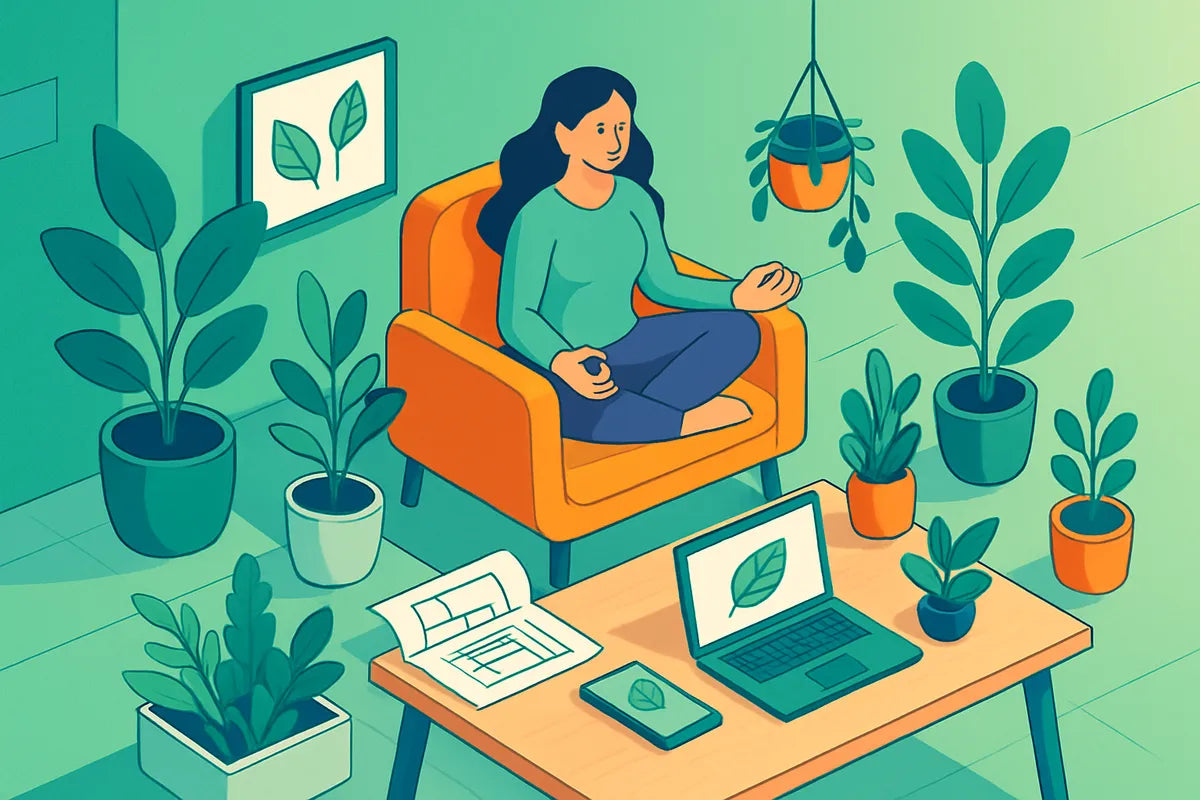
Creating a Biophilic Home Environment for Stress Relief
Most of us spend the majority of our time indoors. Yet, our minds and bodies evolved in nature. This mismatch can take a toll on our mental health. Biophilic design - the practice of bringing natural elements into our living spaces - helps bridge that gap. A home inspired by nature can lower stress, improve mood, and even boost focus. You don’t need a big budget or a designer’s touch to make it happen. You just need a few thoughtful choices that reconnect your home with the natural world.
What Is a Biophilic Home?

Biophilia means “love of life.” The term describes our innate connection to nature. A biophilic home uses that connection as a guiding principle. It weaves natural materials, light, plants, and patterns into daily living. This design approach is backed by science. Studies from environmental psychology show that exposure to natural elements reduces anxiety and supports overall well-being.
How Nature Reduces Stress

Our nervous systems respond instinctively to natural cues. Sunlight helps regulate circadian rhythms. Greenery signals safety and abundance. Flowing water and bird sounds calm the body’s stress response. According to a report from the American Psychological Association, spending time in nature lowers cortisol levels and heart rate while improving mood. A biophilic home recreates those effects indoors, offering daily micro-recoveries from stress without leaving your living space.
Core Elements of Biophilic Design

Biophilic design isn’t about decorating with plants and calling it a day. It’s about engaging all your senses and fostering a deeper connection with natural systems. Here are the main elements to consider.
1. Natural Light and Air
Light and air are the foundation of a healthy home. Start by maximizing sunlight. Open blinds during the day and rearrange furniture to avoid blocking windows. Use mirrors to reflect daylight deeper into rooms. If your space lacks natural light, choose warm, full-spectrum bulbs that mimic sunlight. For air, keep windows open when possible and use plants like peace lilies or snake plants to help filter indoor pollutants.
The U.S. Environmental Protection Agency notes that indoor air can be two to five times more polluted than outdoor air. Improving ventilation and adding plants can make a measurable difference in how your home feels and how well you breathe.
2. Plants and Greenery
Plants are the most direct way to bring life indoors. They absorb carbon dioxide, release oxygen, and add humidity. Beyond physical benefits, they have a visual and psychological effect that soothes the mind. Choose species suited to your light and care levels. Low-maintenance options include pothos, ZZ plants, and dracaenas. Group them in clusters to create visual impact and mimic natural growth patterns.
If you lack the time for live plants, use high-quality preserved moss or dried arrangements. These still evoke nature’s textures and colors without the upkeep.
3. Natural Materials and Textures
Natural materials ground your space. Wood, stone, bamboo, rattan, and linen each bring their own tactile warmth. Replace synthetic finishes with organic ones where you can. A wooden cutting board, a jute rug, or linen curtains all add subtle sensory depth. The goal isn’t to make your home look like a cabin in the woods but to let natural variation and imperfection break the monotony of flat surfaces and plastics.
4. Water and Sound
Water has a unique calming effect. Even small cues of it can improve mood and focus. Consider a tabletop fountain, an aquarium, or sound recordings of gentle rain or waves. The Frontiers in Psychology journal reported that listening to natural sounds lowers the body’s sympathetic stress response. Pair those sounds with quiet spaces in your home where you can unwind.
5. Patterns and Shapes from Nature
Nature doesn’t rely on straight lines or sharp edges. It favors curves, fractals, and asymmetry. Bringing these patterns inside creates visual harmony. Choose textiles or wallpapers with organic motifs. Opt for furniture with rounded corners. Even artwork that depicts landscapes or natural forms can trigger a sense of calm.
6. Views and Visual Connections
If you have a garden, balcony, or even a street tree, make sure it’s visible from your main living areas. Studies by Harvard Health show that simply viewing greenery promotes relaxation. If you don’t have outdoor access, large nature photographs or digital windows (like a live forest video feed) can still provide a sense of connection.
Practical Steps to Create a Biophilic Home
1. Start Small
You don’t need to overhaul your home in one go. Choose one room where you spend the most time - maybe your bedroom or living room - and start there. Add one or two plants, switch to natural fabrics, and let more daylight in. The key is to feel the difference and build from there.
2. Use Color Thoughtfully
Nature’s palette is soft and balanced. Greens, browns, blues, and earthy neutrals tend to calm the mind. Use these tones on walls, textiles, and decor. Avoid harsh contrasts or overly saturated hues in spaces meant for rest. If you want vibrancy, bring it in through plants or flowers rather than paint.
3. Balance Order and Variety
Natural environments are orderly yet diverse. Too much clutter causes stress, but too much uniformity feels sterile. Aim for visual balance: mix textures, shapes, and materials while keeping surfaces clear. A neatly arranged shelf with a few natural objects - stones, branches, or pottery - can be both simple and grounding.
4. Prioritize Comfort and Function
Biophilic design isn’t only about how things look. It’s about how they make you feel. Choose furniture that invites you to relax. Add soft lighting and cozy fabrics. Make sure your space supports the activities that reduce your personal stress, whether that’s reading, meditating, or cooking.
5. Explore Scent and Touch
Scent plays a powerful role in memory and mood. Use natural candles, diffusers, or herbs to bring in earthy aromas. Lavender, cedarwood, and citrus are all known for their calming effects. Textiles also matter: linen, cotton, and wool feel more grounded than synthetic fabrics. These sensory cues work together to create a space that feels alive and restorative.
6. Connect the Indoor and Outdoor
If you have outdoor space, treat it as an extension of your home. Grow herbs on your windowsill, or create a small patio garden. Even a few potted plants near your doorway can blur the boundary between inside and out. The closer your living environment mimics natural flow, the more it supports your well-being.
Examples of Biophilic Touches for Every Room
- Living room: Cluster of plants near a window, wooden coffee table, woven throw blanket
- Bedroom: Cotton bedding, landscape artwork, soft white curtains for filtered light
- Kitchen: Herb garden on the counter, bamboo utensils, open shelves with ceramic dishes
- Bathroom: Stone soap dish, eucalyptus bunch in the shower, small potted fern
- Workspace: Desk near natural light, small plant, nature-themed screensaver or print
Science Behind the Calm
Researchers continue to explore how natural environments affect our brains. According to Stanford University research, exposure to nature reduces activity in brain regions linked to rumination and anxiety. Even short interactions - like looking at greenery for a few minutes - can restore attention and reduce fatigue. When you design your home to reflect nature, you’re building in these small restorative moments throughout your day.
Maintaining the Connection
Creating a biophilic home isn’t a one-time project. It’s an ongoing relationship with your space. Observe how your environment affects your mood. Notice which corners feel peaceful and which feel draining. Adjust lighting, rearrange furniture, or add a living element as needed. The goal is to create a home that evolves with you and continues to nurture calm and clarity.
Final Thoughts
Bringing nature into your home is one of the simplest ways to support mental health. You don’t need to live near a forest or have a designer’s budget. You just need intention. A few plants, natural light, and mindful design choices can transform how your home feels - and how you feel in it.
Whether you start with one plant or a full redesign, each step toward a biophilic home is a step toward peace. The more you align your daily surroundings with the rhythms of nature, the easier it becomes to breathe, rest, and recharge in your own space.