How Biochar Filters Work: Turning Charcoal into a Powerful Water Purifier
Clean water is essential for life, yet billions of people still struggle to access it. Engineers and scientists are exploring new materials and low-cost technologies to improve water treatment systems. One material drawing growing attention is biochar - a charcoal-like substance made from organic waste. But how exactly does a biochar filter work, and can it really clean drinking water as effectively as other filtration methods?
What Is Biochar?

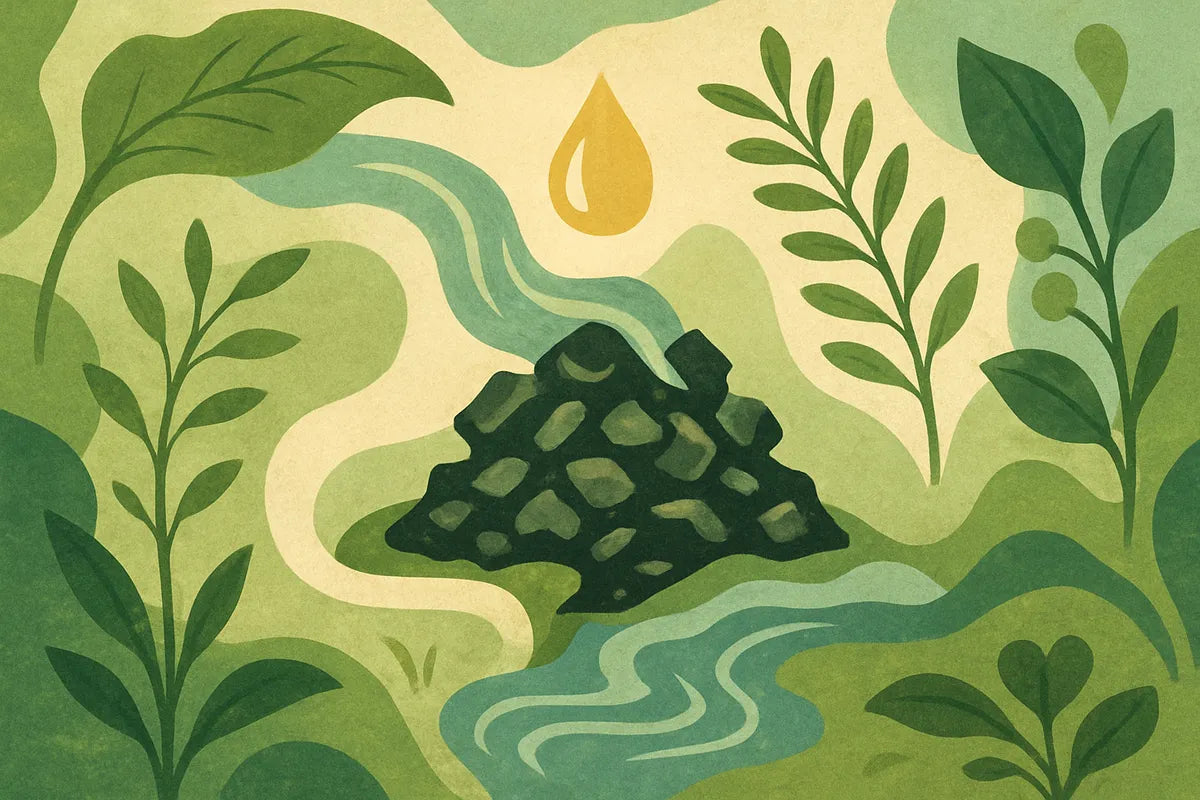
Biochar is made by heating plant or animal biomass in a low-oxygen environment, a process called pyrolysis. This converts organic matter - such as wood chips, crop residues, or manure - into a stable form of carbon. The result is a lightweight, porous material that looks like charcoal but has a very different structure and purpose.
Because of its high surface area and rich network of microscopic pores, biochar can trap and hold contaminants from water and air. Its structure also makes it useful for removing carbon dioxide (CO2) from the atmosphere, storing it in a stable form that doesn’t easily degrade.
How Does a Biochar Filter Work?

At its core, a biochar filter works through adsorption - the process by which particles stick to the surface of a solid. When water passes through a bed of biochar, contaminants in the water cling to the surface of the char. The cleaner water then exits the filter, while the unwanted substances remain trapped.
The Role of Porosity and Surface Area
The effectiveness of any filtration material depends largely on its surface area. Biochar’s porous structure gives it a huge internal surface for contaminants to attach to. The more pores it has, and the smaller those pores are, the more pollutants it can hold. This makes biochar ideal for removing impurities from aqueous solutions such as drinking water or wastewater.
Adsorption and Ion Exchange
Biochar can trap both organic and inorganic contaminants through different mechanisms. Organic compounds like pesticides or dyes stick to the carbon surface due to adsorption forces. Inorganic substances, such as heavy metals, are often removed through ion exchange, where ions in the water swap places with ions on the surface of the biochar.
These combined processes make biochar a versatile material in biochar-based water treatment systems. It can remove a wide range of contaminants, including lead, arsenic, nitrates, and even microorganisms.
Comparison with Activated Carbon
Activated carbon has long been the standard for water and wastewater treatment. It’s known for its high adsorption capacity and reliability. Biochar, however, offers a low-cost and sustainable alternative. While its adsorption capacity is usually lower than that of activated carbon, biochar can be produced locally from agricultural waste, reducing costs and environmental impact. For many communities, especially in developing regions, biochar filters could offer an affordable path to clean water.
Applications of Biochar in Water and Wastewater Treatment

Researchers and engineers are testing biochar in a range of water treatment systems, from simple household filters to large-scale industrial setups. Below are some common uses:
- Household water filters: Simple biochar filters can purify drinking water by removing bacteria, turbidity, and chemical pollutants.
- Rural and off-grid water treatment: Villages without access to modern filtration systems can build biochar-based filters using local materials.
- Wastewater treatment: Biochar can be added to treatment systems to remove heavy metals, nutrients, and organic matter from sewage or industrial effluent.
- Stormwater management: Biochar filters placed in drainage systems can trap oil, sediments, and chemicals before they reach rivers and lakes.
Biochar-Based Water Treatment Systems: How They’re Designed
A biochar-based water treatment system can be as simple or as advanced as the situation demands. The basic design includes a container filled with layers of gravel, sand, and biochar. Water flows through each layer, with biochar acting as the main filtration medium. In some systems, biochar is combined with other materials like sand or zeolite to improve performance.
Engineers often adjust the size, type, and chemical properties of the biochar to target specific contaminants. For example, biochar made from coconut shells might be better at adsorbing organic compounds, while biochar from wood chips could be more effective at trapping metals. The feedstock and pyrolysis temperature both influence how well the final filter works.
Benefits of Using Biochar Filters
Biochar filters bring several clear advantages in water and wastewater treatment:
- Low cost: Biochar can be produced locally from agricultural waste, reducing reliance on imported materials.
- Sustainability: It’s renewable and can be made from waste biomass, turning a disposal problem into a resource.
- Carbon sequestration: Biochar locks carbon in a stable form, which means using it in water treatment also helps reduce atmospheric CO2.
- Adaptability: Biochar filters can be tailored for specific contaminants or combined with other treatment stages.
How Does Biochar Remove CO2 from the Air?
Biochar’s ability to store carbon is one of its biggest environmental benefits. When organic matter decomposes naturally, it releases CO2 into the atmosphere. But when it’s converted into biochar through pyrolysis, much of that carbon becomes stable and remains locked in the solid material for hundreds or even thousands of years. This means that every ton of biochar added to soil or used in filtration helps remove CO2 from the air and store it safely.
Some researchers believe that large-scale biochar production could play a role in climate mitigation, complementing its use in biochar-based water treatment.
The Controversy Around Biochar
Despite its promise, biochar isn’t without critics. The main controversy centers on sustainability and effectiveness. Some argue that large-scale biochar production might compete with food crops or encourage deforestation if not managed carefully. Others question whether all types of biochar are equally effective at removing contaminants or storing carbon. The quality of biochar depends heavily on the feedstock and production conditions, so not all biochar performs the same way.
There’s also debate about its long-term performance in biochar-based water treatment systems. Over time, the pores can fill with contaminants, reducing filtration efficiency. Regular maintenance or regeneration is needed to keep the filter working properly.
Challenges and Future Research
Scientists are still studying how to optimize biochar for water treatment. Key research areas include:
- Improving adsorption capacity through chemical activation or surface modification
- Understanding how different biochar types interact with specific contaminants
- Developing scalable biochar-based water treatment systems for communities and industries
- Evaluating the environmental impact of large-scale production and disposal
As research progresses, biochar could become a standard part of future water treatment systems, especially where cost and sustainability matter most.
Can Biochar Filters Make a Real Difference?
Yes - but only if they’re used wisely. A biochar filter can provide safe drinking water in areas lacking infrastructure, reduce pollution from wastewater, and help capture carbon from the atmosphere. However, it’s not a one-size-fits-all solution. Each application requires testing and proper design to match local conditions and contaminants.
Conclusion
Biochar filters combine ancient carbon materials with modern water treatment needs. They clean water through adsorption, improve water quality, and help lock away carbon that would otherwise contribute to climate change. While challenges remain, especially in standardizing production and performance, biochar-based filtration offers a sustainable path toward cleaner water and a healthier planet. With continued research and careful implementation, biochar could become one of the most practical tools for improving both water and air quality worldwide.