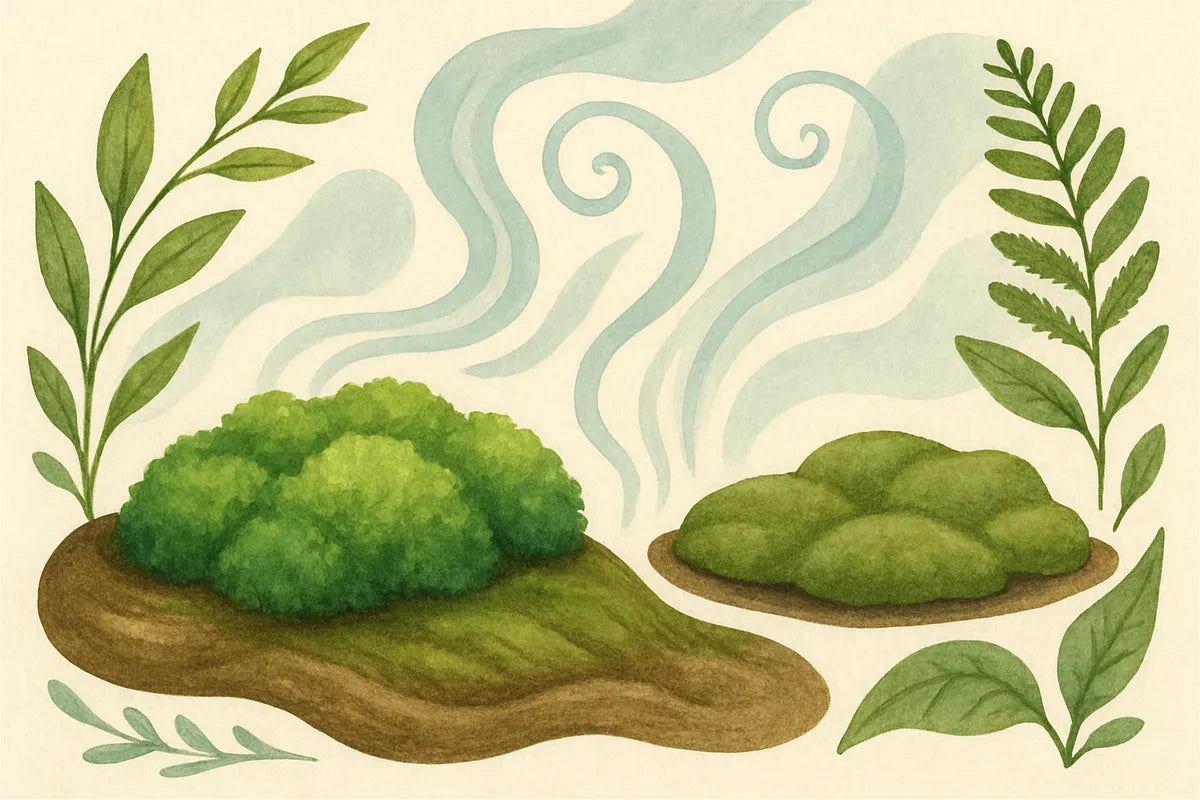
Live Moss vs Preserved Moss for Air Purification: What Really Works?
People love bringing moss into their homes. It’s green, low-maintenance, and instantly gives a space a touch of nature. Many believe moss also helps clean indoor air, making it more than just decor. But if you’re deciding between live moss and preserved moss, it helps to know which actually purifies the air and which just looks good. Let’s break it down clearly and simply.
What Is Live Moss?

Live moss is exactly what it sounds like - living plant tissue that’s actively growing. It absorbs water, sunlight, and nutrients (mostly from moisture in the air) and continues the natural processes that keep plants alive.
Because it’s alive, this type of moss needs a bit of care. It doesn’t need soil, but it does need moisture and some indirect light. There are hundreds of live moss species, like pillow moss, sheet moss, and fern moss, all of which can grow indoors or outdoors under the right conditions.
How Live Moss Helps Purify Air
Like most living plants, live moss can improve air quality in several ways:
- Absorbs pollutants: Moss can capture particulates and volatile organic compounds (VOCs) from the air. Studies from the U.S. Environmental Protection Agency (EPA) show that natural plant systems, including moss, can help reduce airborne pollutants indoors.
- Produces oxygen: Through photosynthesis, moss takes in carbon dioxide and releases oxygen, improving air freshness.
- Regulates humidity: Moss retains and releases moisture as needed, which can help balance indoor humidity levels.
Some modern cities have even used moss walls outdoors to combat pollution. For example, the National Library of Medicine has published studies showing that moss captures fine dust particles and nitrogen oxides, making it valuable for urban air cleaning projects.
What Is Preserved Moss?

Preserved moss starts life as live moss, but it’s treated to stop growth and preserve its look. The plant is usually soaked in a preservation solution, such as glycerin, which replaces its natural moisture. The result is a soft, realistic, and long-lasting moss that stays green without watering or sunlight.
Preserved moss walls and frames have become extremely popular in interior design because they give a natural look with almost no upkeep.
Can Preserved Moss Purify Air?
Here’s the simple truth: preserved moss cannot purify air. Once treated, it’s no longer alive, which means it doesn’t photosynthesize or filter pollutants. It’s decorative, not functional.
Some marketing claims suggest preserved moss “regulates humidity” or “cleanses the air,” but these are often misleading. Unlike live moss, preserved moss is inert. It won’t absorb toxins or produce oxygen. It’s purely aesthetic.
That said, preserved moss has other benefits. It’s maintenance-free, less messy, and can last for years. For many, the visual calmness it brings might have indirect wellness benefits by creating a peaceful atmosphere, similar to what research from Harvard University says about exposure to natural elements reducing stress levels.
Comparing Live Moss and Preserved Moss

1. Air Purification Ability
Live moss clearly wins this category. Because it’s a living organism, it breathes, filters, and reacts to the environment. Preserved moss is static and offers no active air-cleaning effects.
2. Maintenance Level
Preserved moss requires almost no care - no watering, no sunlight, no pruning. Live moss, by contrast, needs a bit of regular misting to stay hydrated and green. If your space is dry or lacks natural light, keeping live moss healthy might take extra effort.
3. Lifespan
Preserved moss can look good for five or more years if you keep it out of direct sunlight and away from high humidity. Live moss, however, will thrive indefinitely if conditions are right, but can die quickly if neglected.
4. Aesthetic Appeal
Both types look beautiful, but in different ways. Live moss offers subtle growth and texture changes that evolve naturally, while preserved moss provides consistent color and structure. If you want a “living wall” look that changes over time, go for live moss. If you prefer a static art piece that always looks neat, preserved moss works best.
5. Cost and Installation
Preserved moss installations often cost more upfront because of design and material processing. However, once installed, they need no maintenance. Live moss walls may cost less initially but can add expense over time due to care needs, misting systems, and potential replacement of dying patches.
6. Environmental Impact
It might seem like preserved moss is more sustainable because it lasts, but there’s nuance. Live moss supports small ecosystems, provides microhabitats, and contributes to ongoing carbon exchange. On the other hand, some preservation processes use chemicals that aren’t environmentally friendly. For those concerned about green living, live moss has a more authentic ecological benefit.
Where Live Moss Works Best
Live moss fits well in environments with good natural light and moderate humidity. Think bathrooms, kitchens, terrariums, or shaded patios. It’s an excellent choice if you want a living feature that contributes (even modestly) to cleaner air.
Designers sometimes install moss in air-purifying panels or green walls combined with fans and sensors. These hybrid systems can improve airflow and enhance filtration. You can learn more about such designs in resources like Architectural Digest or specialized green design platforms that showcase sustainable interiors.
Where Preserved Moss Works Best
Preserved moss is ideal for places where you want greenery without maintenance - offices, hotels, meeting rooms, or homes with low light. It doesn’t attract bugs, won’t mold if kept in dry conditions, and can cover large wall areas without any care needs.
Because it’s lightweight and customizable, designers often use preserved moss for acoustic panels or visual accents. While it won’t clean air, it can still make the environment feel calmer and more natural, which can reduce stress and improve focus according to studies on nature-inspired interiors from Frontiers in Psychology.
Practical Tips for Choosing the Right Moss
Check Your Space Conditions
If your space gets natural light and you don’t mind light maintenance, live moss is a rewarding choice. For darker or air-conditioned areas, preserved moss will look better longer.
Consider Air Quality Goals
If air purification is your top reason for installing moss, only live moss can help. You can also pair it with other natural filters like spider plants or peace lilies for a broader effect, as supported by data from NASA’s Clean Air Study.
Mind the Maintenance
Live moss needs misting every few days, depending on humidity levels. You’ll also need to watch for brown patches or mold growth. Preserved moss just needs to be kept dry and out of direct sunlight to retain its color and texture.
Set Realistic Expectations
Neither type of moss is a miracle air purifier. Live moss can supplement your indoor air quality strategy, but it won’t replace proper ventilation or air filters. Think of it as part of a larger, natural approach to cleaner air.
Combining Both Types
Why not mix both? You could use live moss near windows or humid spots and preserved moss for shaded walls or framed art. This can give your space a balanced, low-maintenance, and visually diverse look. Hybrid designs that blend functional and decorative moss appeal to both plant lovers and design enthusiasts.
Final Thoughts
So, live moss vs preserved moss - which should you choose? If you’re after real air purification, choose live moss. It breathes, grows, and actively improves your environment. If you want natural beauty without the upkeep, preserved moss is the better option.
In the end, the decision depends on your space, your priorities, and how much care you want to give. Both types have value, but only one - live moss - truly brings living, breathing nature into your home.