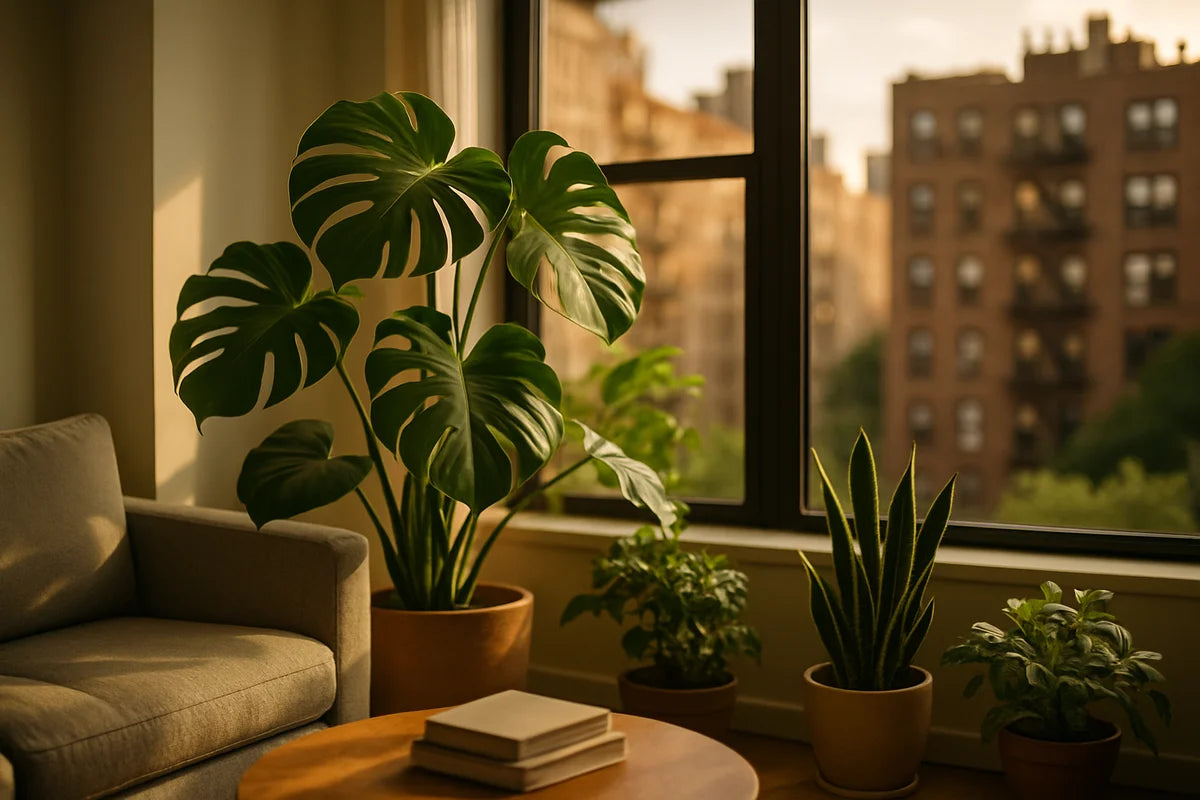
Concrete, glass, traffic noise, packed sidewalks. Urban life has a lot going for it, but it can also feel tight, loud, and a bit dry. That’s where greenery helps. The benefits of bringing greenery into urban living spaces aren’t just about making a room look nicer. Plants can shift how a space feels, how you use it, and how you recover from the daily grind.
You don’t need a backyard or a designer budget. A few smart choices can make a studio apartment, balcony, or shared courtyard feel more livable. Below, you’ll find the most practical benefits, plus ways to get them without turning plant care into a second job.
Why urban homes need greenery more than most

Urban living often comes with the same set of limits: less floor space, fewer windows that open wide, more shared walls, and more time indoors. Many city apartments also sit near busy roads, construction, or crowded sidewalks. You can’t fix all that, but you can change your indoor environment in ways you’ll notice every day.
Greenery does that in two main ways:
- It improves how a space functions, by shaping light, privacy, and comfort.
- It improves how you feel in that space, by lowering stress and helping you reset.
This is why the benefits of bringing greenery into urban living spaces show up fast, even when you start small.
Better air is a real benefit, but set fair expectations

Let’s talk about air quality, because it gets overhyped. Yes, plants can support a healthier indoor environment. But no, a couple of pothos plants won’t replace proper ventilation.
Research often cited in this area includes NASA’s early work on plants and air in sealed environments. You can read more about it through NASA’s published report on indoor air and plants. The key point: plants can remove some pollutants under certain conditions, but real homes aren’t sealed chambers, and airflow matters.
What plants can do for indoor comfort
- Add moisture to dry indoor air through normal water release from leaves.
- Support a “cleaner-feeling” room by reducing dust you kick up, since you often clean and tidy more when you care about the space.
- Encourage habits that improve air, like opening windows, using exhaust fans, and paying attention to stale rooms.
What helps more than plants alone
If your goal is cleaner indoor air, pair greenery with basics that work:
- Use kitchen and bathroom fans.
- Ventilate when outdoor air is decent.
- Choose a HEPA air purifier if you live near heavy traffic or have allergies. The EPA’s guide to air cleaners and filters helps you sort marketing from facts.
Plants still earn their place. Just treat air quality as one benefit, not the only one.
Stress drops when you can see something alive
Ever notice how a room can feel harsh when it’s all hard lines and blank walls? Greenery softens that. It also gives your eyes a place to rest. For many people, that matters more than they expect.
A large body of research links exposure to nature with lower stress and better mood. If you want a deeper look at how nature contact supports health, the Harvard T.H. Chan School of Public Health overview on nature contact is a solid starting point.
Small daily “micro-breaks” add up
The benefits of bringing greenery into urban living spaces often show up as tiny breaks you don’t schedule:
- You water a plant and pause for 60 seconds.
- You notice a new leaf and feel a quick lift.
- You step onto the balcony because it looks inviting.
That sounds minor, but city life can be a chain of small stressors. Small resets matter.
Greenery makes small spaces feel bigger and calmer
Plants do something design tricks can’t fully copy. They add depth. A tall plant in a corner draws the eye up. A trailing plant softens a shelf edge. Even one pot can break up the “box” feel of a tight room.
Use plants as living layout tools
- Create a “soft divider” with a taller plant to separate a work area from a sleep area.
- Add privacy on a balcony with a narrow row of planters along the rail.
- Hide awkward angles and blank corners with a statement plant.
For practical layout ideas that work in real apartments, not showrooms, Apartment Therapy’s small-space plant and decor ideas can be useful inspiration.
Plants can support focus and better work-from-home habits
Many urban homes now double as offices. When your “office” is also your kitchen table, your brain needs cues. Greenery can become one of those cues. A plant on your desk signals that the spot has a purpose. It also makes the area feel less like a temporary setup.
Try this simple setup
- Pick one plant that can handle your light level.
- Put it in your work zone, not across the room.
- Pair it with one consistent habit, like watering every Sunday or wiping leaves every other week.
This is not magic. It’s a small structure that makes your space feel intentional.
Greenery nudges you toward healthier routines
Plants don’t just sit there. They ask for care. That care pulls you into routines that often help in other areas, too.
- You notice light patterns and open blinds more often.
- You pay attention to drafts and temperature swings.
- You clean surfaces because you don’t want dust on leaves.
- You slow down enough to check on something living.
These changes don’t require willpower. They happen because a plant gives you a reason.
Urban biodiversity starts at home
Most city dwellers can’t plant street trees or redesign parks. But you can support small-scale biodiversity where you live. A few balcony plants, herbs, or native flowers can feed bees and other pollinators, depending on your region and building rules.
Balcony and window box choices that help pollinators
Look for region-friendly, nectar-rich plants, and aim for variety across seasons. If you want guidance that’s specific to where you live, use a local resource. The Pollinator Partnership’s regional planting guides make it easier to choose plants that actually match your climate.
A quick note on safety and rules
- Check your building policy on rail planters and watering runoff.
- Secure pots so wind can’t tip them.
- If you have pets, avoid toxic plants. The ASPCA list of toxic and non-toxic plants is a practical reference.
Social benefits count too, especially in dense buildings
One overlooked benefit of bringing greenery into urban living spaces is how it changes social behavior. Plants make shared areas feel cared for. That can shift how neighbors treat a hallway, stoop, or courtyard.
Simple ways to use greenery to build community
- Start a small “plant swap” shelf in the lobby if management allows it.
- Offer cuttings to neighbors instead of throwing them away.
- Create a shared watering schedule for a roof deck or courtyard.
Plants give people an easy reason to talk. In many buildings, that’s half the battle.
Save money and reduce waste with edible greenery
City food costs add up. You won’t feed yourself from a window box, but you can get fresh herbs and greens that taste better than the packaged stuff.
Easy edibles for urban spaces
- Herbs: basil, mint (keep it in its own pot), parsley, chives
- Greens: arugula, baby spinach, leaf lettuce
- Compact fruits: cherry tomatoes with strong light and support
These plants also cut waste. You snip what you need instead of buying a full plastic box.
How to get the benefits without killing your plants
Most people don’t fail at plants because they “have a black thumb.” They fail because they pick the wrong plant for the wrong spot, then overwater out of guilt.
Step 1: match the plant to your light
Before you buy anything, check your light for a day.
- Bright direct light: sun hits the spot for hours.
- Bright indirect light: the area is well lit, but sun doesn’t hit leaves much.
- Low light: you can read, but the room stays dim.
If you want a simple way to estimate light, a phone lux app can help. For a deeper explanation of how plants use light indoors, the Royal Horticultural Society’s guide to houseplant light levels breaks it down in plain terms.
Step 2: start with tough plants
- Pothos
- Snake plant
- ZZ plant
- Spider plant
- Peace lily (great, but don’t overwater)
These options handle missed waterings and mixed light better than fussy plants.
Step 3: water less than you think
Overwatering kills more houseplants than underwatering. Do this instead:
- Stick your finger 1-2 inches into the soil. If it feels damp, wait.
- Water fully, then let excess drain. Don’t let pots sit in a puddle.
- Use pots with drainage holes when you can.
Step 4: make plant care easy to stick with
- Keep a small watering can where you see it.
- Group plants by water needs so you don’t guess.
- Choose one “care day” each week for a quick check.
When care feels simple, you keep going long enough to enjoy the real benefits.
Greenery for renters and small budgets
You don’t need built-in planters or fancy stands. A renter-friendly setup still delivers the benefits of bringing greenery into urban living spaces.
Low-cost, low-commitment ideas
- Grow cuttings in jars on a windowsill.
- Use wall-safe adhesive hooks for light hanging planters (check weight limits).
- Buy smaller plants and let them grow into the space.
- Check local plant swaps, community groups, or garden clubs.
If you only buy one thing, buy this
Get a saucer and a pot with drainage. That one choice prevents most beginner problems and protects your floors.
Looking ahead where to start this week
If you want the benefits soon, don’t redesign your whole home. Pick one goal and build from there.
- If you want calm: place one medium plant where you see it first thing in the morning.
- If you want better use of space: put a tall plant in the most awkward corner of the room.
- If you want healthier routines: choose one easy plant and tie care to a weekly habit.
- If you want a better balcony: add a narrow row of planters and one chair, even if it’s small.
Once you live with greenery for a month, you’ll start making sharper choices about light, clutter, and comfort. That’s the real long-term win. In dense cities, you can’t control everything outside your door. You can control what your home feels like when you step back inside.