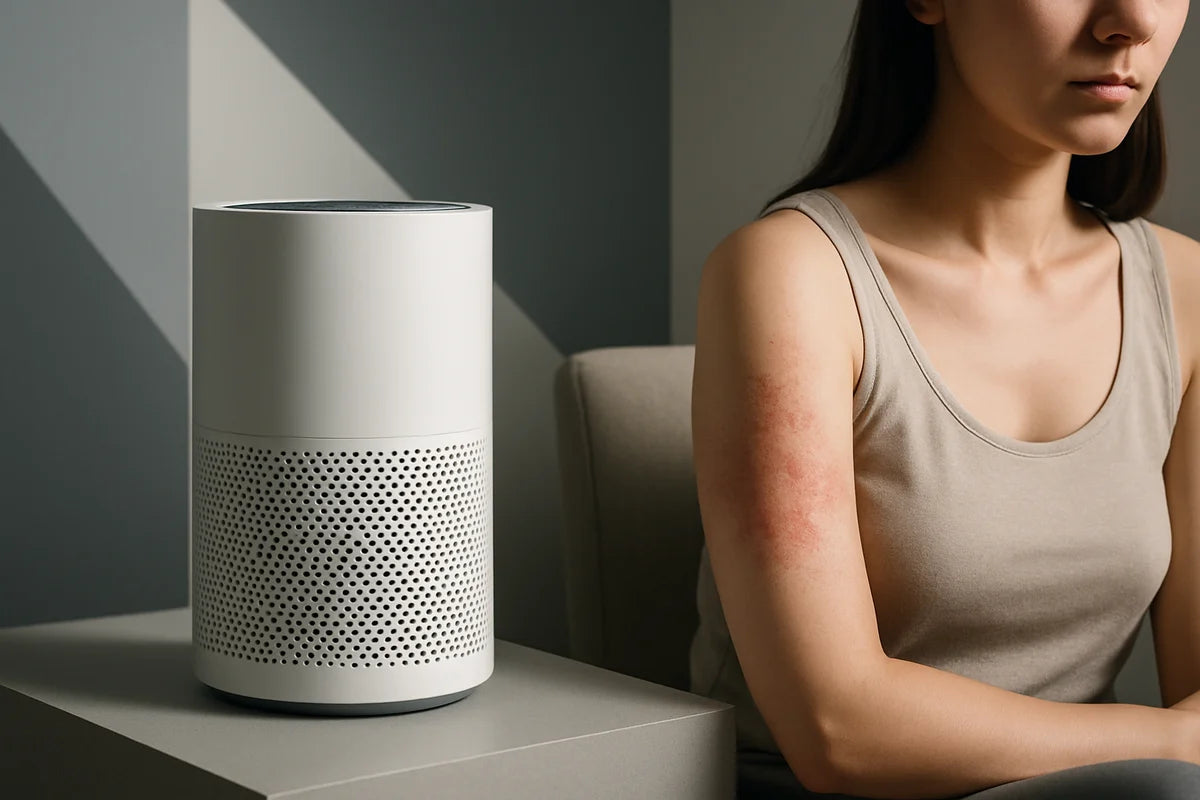
You can feel bad air at work before you can name it. You get a dull headache by mid-morning. Your throat feels dry. You yawn even after coffee. You might blame the screen, stress, or sleep, but stale indoor air often plays a part.
The good news: preparing your workspace for better air quality doesn’t require a remodel or a pile of gadgets. Small changes stack up fast. This article walks you through the steps that matter, in plain language, with choices for home offices, shared offices, and everything in between.
What “better air quality” means at a desk

Indoor air problems usually come from four buckets:
- Too little fresh air (poor ventilation)
- Particles (dust, pollen, smoke, printer toner, pet dander)
- Gases and odors (cleaning sprays, fragrances, off-gassing from furniture and carpets)
- Humidity that’s too high or too low
You don’t need to measure every molecule. You just need to control the big levers: bring in clean outdoor air when you can, filter what you can’t, cut sources, and keep moisture in a healthy range. The EPA’s indoor air quality guidance is a solid baseline if you want the official view.
Start with a quick air-quality walk-through
Before you buy anything, do a five-minute scan. It will tell you where to focus.
Look for the obvious culprits
- Dust buildup on vents, fan blades, and baseboards
- Musty smells near windows, carpets, or under desks
- Clutter that traps dust (paper piles, fabric bins, open shelving)
- Printers or copiers right next to where you sit
- Air fresheners, scented candles, or strong cleaning products
Ask two simple questions
- When do you feel worst - first thing in the morning, after cleaning, during high pollen days, after lunch?
- Does opening a window for 10 minutes change how you feel?
Patterns help you pick the right fix. If a short window break helps, ventilation is a key issue. If it doesn’t, you may be dealing with particles, odors, or humidity.
Ventilation: the fastest win for most workspaces
Ventilation sounds technical, but the goal is simple: swap out stale indoor air for cleaner air. The trick is doing it without pulling in smoke, high pollen, or hot humid air.
Use windows with a plan
If outdoor air is decent, crack a window for 5-15 minutes a few times a day. Create cross-ventilation when you can: open two windows on opposite sides of the space. Even a small pressure change helps.
- Best times: after a rain, mid-day (often lower morning traffic pollution), or when pollen counts are lower in your area
- Skip it: during wildfire smoke, heavy traffic rush hours, or when neighbors are burning wood
If you’re unsure about outdoor conditions, check your local air report. The AirNow AQI map is a practical tool for day-to-day decisions.
Make bathroom and kitchen fans do real work
In many homes, exhaust fans are the only mechanical ventilation you control. Run them during and after cooking, cleaning, or any activity that makes odors or moisture. If your workspace sits near a kitchen, this matters more than you think.
- Run the fan for 15-30 minutes after cooking
- Clean the fan cover so it can move air
- If the fan is loud, you may avoid using it. A quieter replacement can improve habits.
In office buildings, work with the system
You can’t rewire the HVAC, but you can still improve your workspace air quality.
- Don’t block supply vents with monitors or storage
- Keep return vents clear (they pull air back for filtering)
- If the air feels stuffy, report it with specifics: time of day, room, symptoms
If you’re a facilities decision-maker, the CDC/NIOSH ventilation resources can help you frame requests in a way that gets traction.
Filtration: your workhorse for particles
If you do one paid upgrade for preparing your workspace for better air quality, make it filtration. A good filter reduces dust, pollen, smoke particles, and other stuff you don’t want in your lungs.
Pick the right air purifier size
Most people buy an air purifier that’s too small, run it on low, and wonder why nothing changes. Look for a unit that matches your room size and has a strong clean air delivery rate (CADR).
- Measure your room (length x width x height)
- Aim for at least 4-5 air changes per hour if allergies or smoke matter in your area
- Place it where air can flow around it, not jammed under a desk
For a deeper primer on what CADR means and how to compare models, AHAM’s air cleaner guidance lays it out in plain terms.
HEPA vs “HEPA-like” and other label traps
- True HEPA: a defined standard for particle capture
- HEPA-type/HEPA-like: marketing terms that can mean almost anything
- Ionizers/ozone generators: avoid these for most workspaces
Ozone can irritate lungs. If a device talks about “fresh ozone scent” or “ionic purification” without clear filter specs, walk away. The California Air Resources Board’s air cleaner fact sheet explains why ozone and some electronic air cleaners can be a bad trade.
Don’t ignore your HVAC filter
If you have a forced-air system at home, the HVAC filter can do a lot of heavy lifting. Set a reminder to replace it on schedule. A clogged filter reduces airflow, which can make air feel stale even if the filter rating is high.
- If allergies are a problem, consider a higher MERV rating if your system can handle it
- Write the install date on the frame with a marker
- Buy a multi-pack so you don’t stretch filters longer than you should
Control the sources you can control
Filtering helps, but you’ll get better results if you stop pollutants at the source. This is where many “workspace air quality” efforts fail. People add a purifier but keep spraying fragrance and harsh cleaners in the same room.
Swap out high-scent products
Strong fragrance can trigger headaches and irritation. If your office allows it, skip plug-ins, scented candles, and heavy room sprays. Use mild soap and water for routine cleaning.
- Choose fragrance-free when you can
- Store cleaning products sealed and away from your desk
- If you must use a strong product, ventilate during and after
Handle printers and office gear wisely
Printers can release particles and smells, especially in small rooms. If you can, keep printers a few steps away from where you sit. In a home office, that might mean a shelf in the hallway, not the desk behind your chair.
- Don’t store paper right next to vents (it catches dust)
- Vacuum around the printer area more often
- Use manufacturer supplies to reduce odd smells and residue
Watch for off-gassing after new purchases
New furniture, rugs, and some plastics can release odors for days or weeks. If you just built a workspace or bought a new chair, air it out.
- Unbox and let items sit in a ventilated space when possible
- Open windows for short bursts if outdoor air is clean
- Run your purifier on high for the first few days
Humidity: the quiet factor that changes everything
Air that’s too dry can irritate your eyes, nose, and throat. Air that’s too humid can feed mold and dust mites. Either way, you feel it at your desk.
Aim for a reasonable range
Many experts suggest keeping indoor humidity around 30% to 50% for comfort and mold control. Instead of guessing, measure it. A basic hygrometer costs little and tells you more than you’d expect.
- If humidity runs low: use a humidifier, but clean it often
- If humidity runs high: use a dehumidifier and fix moisture sources
Keep humidifiers clean, or skip them
A dirty humidifier can blow problems into the air. If you use one, treat it like a kitchen tool: clean it, empty it, and follow the manual.
- Use distilled water if mineral dust becomes an issue
- Empty the tank daily if you can
- Descale and disinfect on schedule
Clean smarter so you don’t stir up dust
Cleaning can help or hurt. Dry dusting and aggressive sweeping can kick particles into the air right where you breathe.
Use the right tools
- Microfiber cloths trap dust better than feather dusters
- A vacuum with a HEPA filter helps if you have carpets or rugs
- Damp mop hard floors instead of dry sweeping
Focus on “air touchpoints”
Some spots matter more for air quality than for looks.
- Vent covers and return grilles
- Window sills and blinds (they collect fine dust)
- Under the desk (cables and chair wheels trap debris)
- Soft items near your face (desk chair fabric, curtains)
Layout changes that make clean air easier
Preparing your workspace for better air quality isn’t only about devices. Your setup affects how air moves and what you breathe all day.
Don’t park your face in a dead zone
If your desk sits in a corner with no airflow, you can end up in a pocket of stale air. Try a small shift:
- Move the desk a foot away from the wall
- Keep tall furniture from blocking vents
- Let the air purifier “see” the room, not the underside of your desk
Create a low-dust zone near your chair
- Use closed storage for papers and cables when possible
- Wash blankets or throws if you keep them on your chair
- If you wear shoes indoors, consider a no-shoes rule in the workspace
Plants: helpful, but don’t treat them like filters
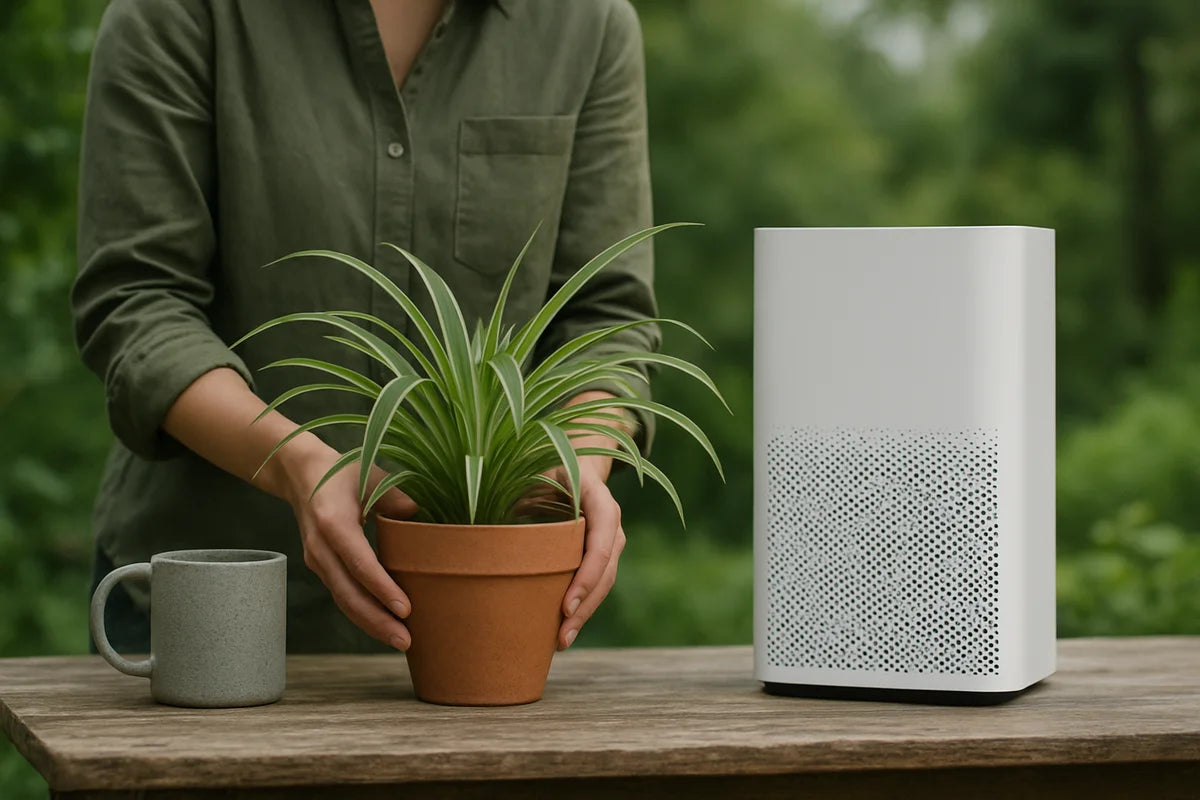
Plants can make a workspace feel better, and caring for them can lower stress. But don’t rely on plants to clean your air in a meaningful way. Real-world air cleaning needs ventilation and filtration.
If you want greenery, use it in a way that supports better air quality:
- Avoid overwatering (it can lead to mold)
- Use a well-draining pot and remove standing water
- If you see fuzzy growth on soil, replace the top layer or repot
When you should measure air quality (and what to measure)
If you like data, a simple monitor can help you spot patterns and test fixes. You don’t need a lab-grade setup. Use it like a thermometer: directionally useful, not perfect.
Good metrics for a workspace
- PM2.5: fine particles from smoke, traffic, dust
- CO2: a rough signal for how “stale” the air is in occupied rooms
- Humidity: comfort and mold risk
If you want to learn how to interpret CO2 and ventilation in practical terms, Energy Vanguard’s explanation of what CO2 can and can’t tell you is a clear, non-hyped read.
A simple testing routine
- Measure baseline readings for a few days in your normal routine.
- Change one thing (new filter, purifier location, window schedule).
- Track readings and how you feel for a week.
- Keep what works, ditch what doesn’t.
Quick fixes for common workspace air problems
If you get headaches in the afternoon
- Take a 5-minute ventilation break if outdoor air is okay
- Move scented products out of the room
- Check if CO2 rises when the door stays closed for hours
If you wake up congested after working in the room
- Wash soft items (curtains, chair cover) and vacuum edges
- Run a HEPA purifier for 2-3 hours before you start work
- Replace HVAC filters if you’re overdue
If your workspace smells “new” or chemical
- Vent in short bursts and run filtration on high
- Store solvents, paints, and hobby supplies outside the workspace
- Let new items off-gas in a garage or spare room if possible
If humidity swings make you miserable
- Buy a hygrometer and track the range for a week
- Fix the cause before adding gadgets (leaks, poor exhaust, wet basement air)
- If you add a humidifier, commit to cleaning it
Looking ahead: build a simple routine that keeps air clean
Better air quality comes from repeatable habits, not one big purchase. Pick a short checklist you can stick with:
- Daily: 5-10 minutes of ventilation when outdoor air is decent
- Weekly: wipe dust from your desk area and clean around vents
- Monthly: check purifier and HVAC filters and clean humidifier parts if you use one
- Seasonally: adjust for pollen, wildfire smoke, heating season dryness, or summer humidity
If you start small, you’ll notice changes fast. Cleaner air often shows up as better focus, fewer headaches, and less of that “stale room” feeling by mid-day. The next step is simple: choose one fix you can do this week, then measure how it feels. Your workspace will tell you what to do next.