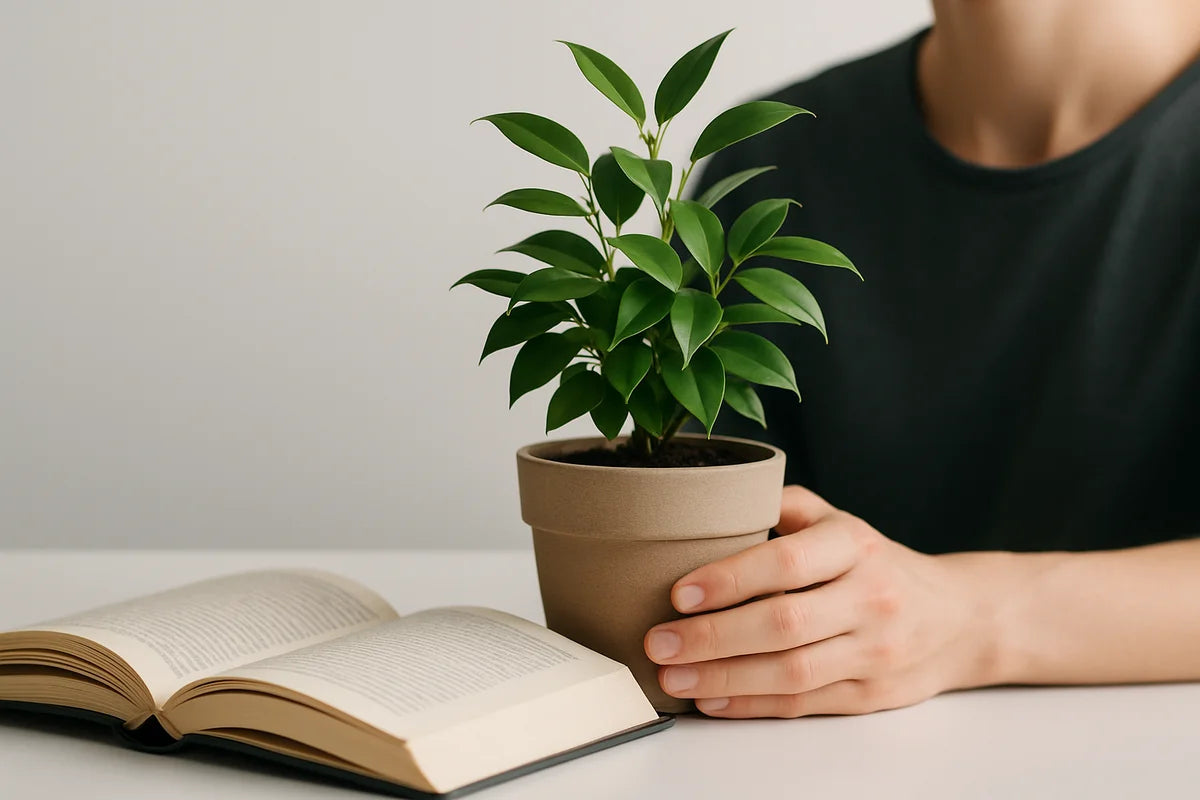
Want fresh herbs, crisp greens, or even tomatoes, but you don’t have a backyard? You can still grow a lot in a small space. The trick is to plan around light, containers, and how you’ll water. The good news: urban gardening rewards smart choices more than square footage.
This guide shares practical urban gardening tips for small spaces, from picking the right spot to avoiding the most common rookie mistakes. You’ll get options for balconies, windowsills, stoops, patios, and shared outdoor areas.
Start with the one thing plants can’t fake: light
Before you buy a single pot, figure out what kind of light you really have. “Bright” to a person can be “dim” to a basil plant.
How to measure your light (fast)
- Track direct sun: note how many hours of direct sunlight your space gets on a clear day.
- Check the direction: south-facing usually gives the most light, north-facing the least (in the Northern Hemisphere).
- Watch shadows: sharp shadows mean strong light; soft shadows mean medium; barely-there shadows mean low.
If you’re in the U.S. and want to plan around heat and seasonal swings, check your plant hardiness zone on the USDA Plant Hardiness Zone Map. It won’t tell you balcony light, but it will help you pick plants that can handle your winters and summers.
Match plants to your light
- 6+ hours direct sun: tomatoes, peppers, basil, rosemary, strawberries, many flowers.
- 3-5 hours direct sun: leafy greens, chard, parsley, cilantro, some root crops in deep containers.
- Bright shade or 1-3 hours: mint, lettuce (often happier here in summer), some houseplants, microgreens.
No good sun? You still have choices. You can grow greens and herbs under a simple LED grow light setup. For safe, clear guidance, the University of Minnesota Extension’s guide to lighting indoor plants explains what plants need and how to place lights.
Choose the right containers (it’s not just size)
In small-space urban gardening, containers act like a plant’s whole world. That means they control moisture, airflow, and root room. A random decorative pot can work, but only if it drains well and fits the plant’s needs.
Container rules that prevent most failures
- Always use drainage holes. If your pot has none, use it as a cachepot and keep the plant in a nursery pot inside it.
- Go bigger than you think for fruiting plants. Tomatoes and peppers do better in 5-10 gallon containers.
- Use wider pots for shallow-rooted crops (lettuce) and deeper pots for roots (carrots need depth).
- Pick light-colored pots if your balcony bakes in summer. Dark pots heat soil fast.
Smart container options for tight spots
- Rail planters for balconies (check weight limits and secure them well).
- Fabric grow bags for tomatoes and potatoes (they breathe and store easily off-season).
- Window boxes for herbs and greens (great for “cut-and-come-again” harvests).
- Self-watering planters if you travel or forget to water.
If you’re gardening on a balcony, think about load. Wet potting mix is heavy. Spread weight, use plant stands to avoid trapping water, and avoid lining up all the biggest pots on one edge.
Soil is your foundation in small spaces
Don’t scoop dirt from a random patch outside. In containers, you want a potting mix made for drainage and root air. Garden soil compacts and can smother roots.
What to buy and how to improve it
- Use a quality potting mix labeled for containers.
- For thirsty plants like tomatoes, mix in compost for better water hold and nutrients.
- For herbs that hate soggy roots (like rosemary), add extra perlite for drainage.
Compost helps, but you don’t need to overdo it. Too much compost can hold water too long in humid areas. Aim for a balanced mix and adjust based on how fast your pots dry out.
Want to compost in an apartment? You can. Many cities support it, and indoor options exist. Start by checking the EPA’s home composting basics to understand what’s safe and what belongs in the bin.
Watering: the make-or-break habit for urban gardens
Small containers dry fast. Windy balconies dry even faster. Most urban gardening problems come down to water: too much, too little, or wildly uneven.
How to water well (without hovering over your plants)
- Water deeply until it runs out the bottom, then let the top inch dry (most plants prefer this rhythm).
- Check daily in summer for small pots, especially herbs in terra cotta.
- Water in the morning when possible. Leaves dry faster, and plants handle heat better.
- Use saucers with care. Empty standing water so roots don’t rot.
Easy upgrades that save time
- Mulch container tops with shredded leaves, straw, or even a thin layer of compost to slow evaporation.
- Add a simple drip line or watering spikes if you have many pots.
- Group pots together so they shade each other’s soil and reduce wind exposure.
If you want a clear, practical explanation of how drip systems work for home gardeners, DripWorks’ irrigation guides are straightforward and useful.
Go vertical to multiply your growing area
When floor space is tight, build up. Vertical growing is one of the best urban gardening tips for small spaces because it adds capacity without crowding your walkway.
Vertical ideas that don’t require carpentry
- Use a sturdy trellis in a large pot for cucumbers, pole beans, and peas.
- Try a wall-mounted pocket planter for shallow-rooted herbs (only if it drains well).
- Set up tiered shelves for seedlings and small herb pots near the sunniest wall.
- Hang baskets for trailing plants like nasturtiums and some strawberries.
One caution: hanging planters dry out quickly and sway in wind. Line them with coconut coir or use self-watering inserts if you can.
Pick plants that pay rent
In a small space, every pot should earn its place. That doesn’t mean you can’t grow flowers. It means you should grow what you’ll actually use, and what grows well in containers.
High-value crops for small-space urban gardening
- Herbs: basil, chives, parsley, cilantro, thyme (big flavor, high store cost).
- Leafy greens: lettuce, arugula, spinach, bok choy (fast harvest, repeat cuts).
- Compact fruiting plants: patio tomatoes, dwarf peppers, bush cucumbers.
- Edible flowers: nasturtiums and calendula (salads, garnishes, pollinators).
Look for these words on seed packets and plant tags
- “Dwarf,” “patio,” or “compact” for tomatoes and peppers.
- “Bush” for beans and cucumbers.
- “Cut-and-come-again” for greens that regrow after harvest.
- “Bolt-resistant” for lettuce and spinach if summers get hot.
For plant-by-plant guidance and seasonal timing, The Old Farmer’s Almanac planting calendar can help you map what to plant and when in your area.
Make a simple layout that avoids chaos
Small spaces feel crowded fast. A clean layout makes your garden easier to water, easier to harvest, and less likely to turn into a tangled mess.
A quick planning method
- Choose your “sun zone”: put the thirstiest, sun-hungriest plants in the brightest spot (often the outer edge of a balcony).
- Create a “daily use” area: keep herbs near the door so you grab them while cooking.
- Leave a narrow path: even 12-18 inches helps you reach pots without knocking things over.
- Use risers: put small pots on stands so tall plants don’t block light.
Also think about water access. If you must carry a watering can through the living room, you’ll water less. Put a small bucket, tray, or watering can right by the door.
Feed container plants the right way
In the ground, plants can chase nutrients. In pots, they can’t. Regular feeding keeps container gardens productive, especially in peak summer.
Simple fertilizing options
- Slow-release granules mixed into potting mix at planting time (good for steady growth).
- Liquid fertilizer every 1-2 weeks for heavy feeders like tomatoes (follow label rates).
- Top-dress with compost monthly for greens and herbs.
Watch the leaves. Pale growth can mean you need nitrogen. Lots of leaves but no flowers on tomatoes can mean too much nitrogen and not enough sun.
Pest control without drama
Urban gardens still get pests. Aphids can show up overnight. Fungus gnats love soggy soil indoors. The key is to act early and keep it simple.
Small-space pest checks that take two minutes
- Look under leaves twice a week, especially on peppers and herbs.
- Pinch off badly infested tips instead of trying to “save” every leaf.
- Blast aphids off with a strong spray of water in the sink or shower.
- Use yellow sticky traps for fungus gnats and let the soil surface dry between waterings.
If you need a trusted overview of safe controls and what works for common home garden pests, UC IPM’s home garden pest guidance is clear and science-based.
Make peace with microclimates (balcony weather is weird)
Balconies and courtyards create their own weather. Walls hold heat. Wind tunnels dry plants out. Upper floors can feel like a different city than street level.
Microclimate fixes you can do today
- Windy balcony: add a trellis screen, cluster pots, and stake tall plants early.
- Hot reflective wall: move pots a foot away from the wall and mulch the soil surface.
- Shady corner: grow greens, mint, and parsley there, not tomatoes.
- Heat spikes: use shade cloth during extreme days and water early.
Once you notice your patterns, you can work with them. That’s when small-space gardening starts to feel easy.
Indoor urban gardening: herbs and greens year-round
No balcony? You can still grow a reliable indoor garden. Herbs and leafy greens fit most homes, and you can keep them close to the kitchen.
Indoor setups that work
- Sunny windowsill: basil (in summer), chives, parsley, mint (watch spread).
- Countertop grow light: salad greens, baby kale, microgreens.
- Hydroponic countertop system: fast growth, clean setup, higher upfront cost.
Indoors, the main risk is overwatering. Pots dry slower without wind and sun. Let the soil surface dry before you water again, and don’t let pots sit in water.
Common small-space mistakes (and quick fixes)
- Too many plants too soon: start with 3-5 containers, learn your light and watering, then add more.
- Tiny pots for big plants: upgrade to a larger container before the plant stalls out.
- Ignoring support: put in cages and stakes at planting time, not after the plant flops.
- Planting the wrong season: lettuce hates hot midsummer sun; start it earlier or give it shade.
- Letting herbs flower too long: pinch basil and mint to keep leaves tender and the plant productive.
Where to start this week
If you want momentum, keep it small and specific. Pick one sunny spot. Choose two herbs you cook with and one fast green like lettuce or arugula. Buy containers with drainage, a solid potting mix, and a watering can that won’t drip across your floor.
Then run a simple experiment: take notes for two weeks. How fast do pots dry? Which spot gets the best sun? What grows fast, and what struggles? That little bit of feedback will guide every next step, from adding a trellis to trying patio tomatoes. Small spaces reward attention, and once your system works, you can scale it up one pot at a time.