Setting Up a Mindfulness Practice With Indoor Plants
Mindfulness doesn’t need a silent retreat or a perfect morning routine. It needs a cue, a place, and a simple action you can repeat. Indoor plants make that easier. They sit in plain sight, change slowly, and ask for steady care. That’s a good match for mindfulness, which also grows through small, regular attention.
This guide shows you how to build a mindfulness practice with indoor plants in a way that feels real and doable. You’ll learn how to choose plants that support your habits, set up a calm spot at home, and turn everyday plant care into short mindfulness sessions you’ll actually keep.
Why indoor plants work so well for mindfulness

A mindfulness practice is often framed as “sit still and clear your mind.” That can feel hard. Plants give you something concrete to focus on. Leaves, soil, water, and light create an easy anchor for attention.
They offer a gentle focus
When you look at a plant, your brain doesn’t have to invent a target for attention. You can observe shape, color, texture, and movement. You can notice new growth or a drooping leaf. That’s mindfulness in plain form: paying attention on purpose.
They create a natural pause
A plant needs care on a schedule that’s calm by design. You can’t rush a leaf to unfurl. You can’t force roots to grow. This “slow feedback” helps you practice patience without trying to.
They can support a healthier indoor space
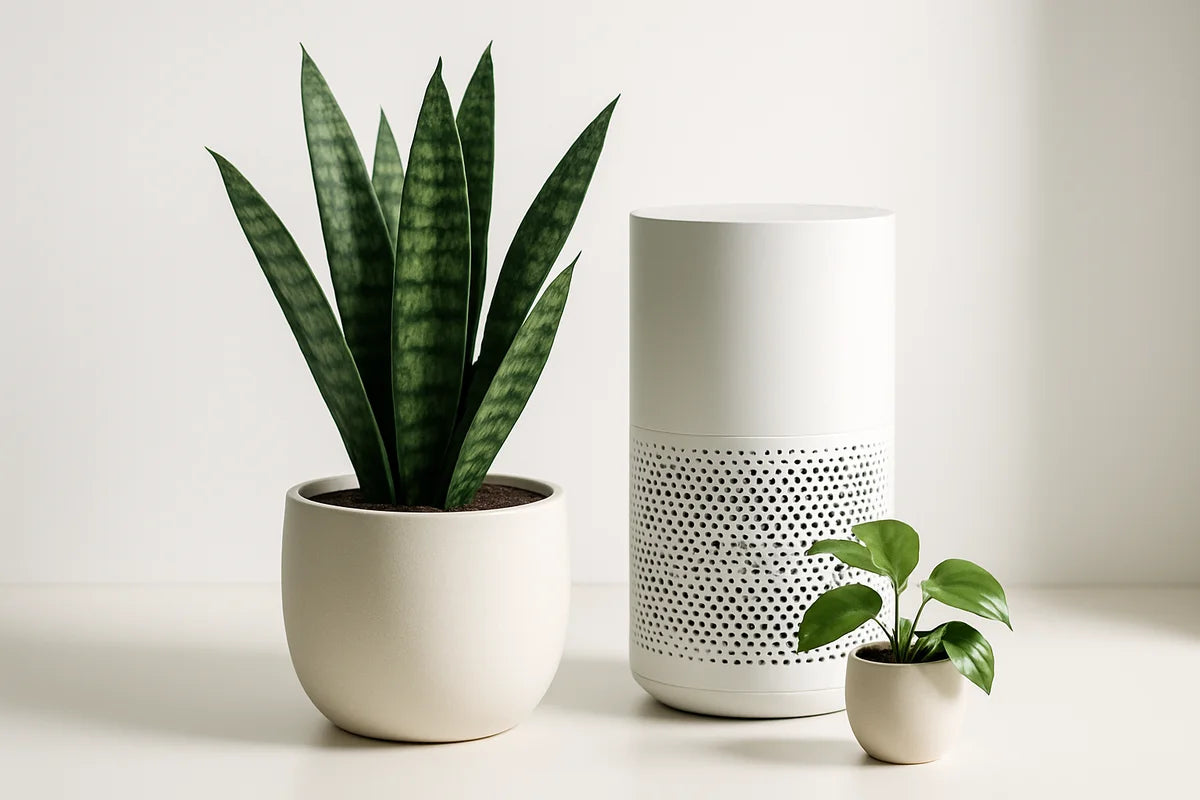
Plants won’t replace ventilation, but they can make your home feel fresher and more alive. If you’re curious about indoor air quality basics (and what really helps), the EPA’s indoor air quality guidance is a clear starting point.
Start with the mindset: what you’re building
Before you buy plants or rearrange furniture, decide what you want your mindfulness practice with indoor plants to do for you. Keep it simple. Pick one.
- Take a 3 minute break when you feel tense
- Start your morning with a calm cue
- Make evenings quieter and less screen-heavy
- Build a steady habit that doesn’t rely on motivation
This matters because your goal shapes your setup. A morning practice might live near a window and your coffee mug. A stress break might live near your desk.
Choose the right plants for mindful care
You don’t need rare plants. You need plants that match your home and your attention span. A plant that keeps struggling won’t help you settle. It will nag at you.
Pick “low drama” plants if you’re new
These tend to handle missed waterings and normal indoor light:
- Pothos
- Snake plant
- ZZ plant
- Spider plant
- Peace lily (it’s a bit more vocal about thirst)
If you want a quick reference for light levels and plant matchups, the University of Minnesota Extension’s houseplant resources are practical and easy to follow.
Choose one “attention plant”
An attention plant is one you enjoy studying up close. It gives you a reason to slow down.
- A small herb like basil or mint (smell becomes part of the practice)
- A fern (texture and new fronds draw your eye)
- A succulent (slow change rewards steady observation)
Be honest about your light
Light is the make-or-break factor for indoor plants. A plant that “should” do fine will still struggle if it’s in the wrong spot.
Try this quick test:
- Stand where you want the plant at noon.
- Look at the shadow your hand makes.
- Sharp shadow usually means bright light, soft shadow means medium, and barely-there shadow means low.
If you want a more precise read, a free tool like Light Meter can help you estimate light with your phone. It’s not lab-grade, but it’s good enough to avoid obvious mismatches.
Set up a “plant pause” space at home
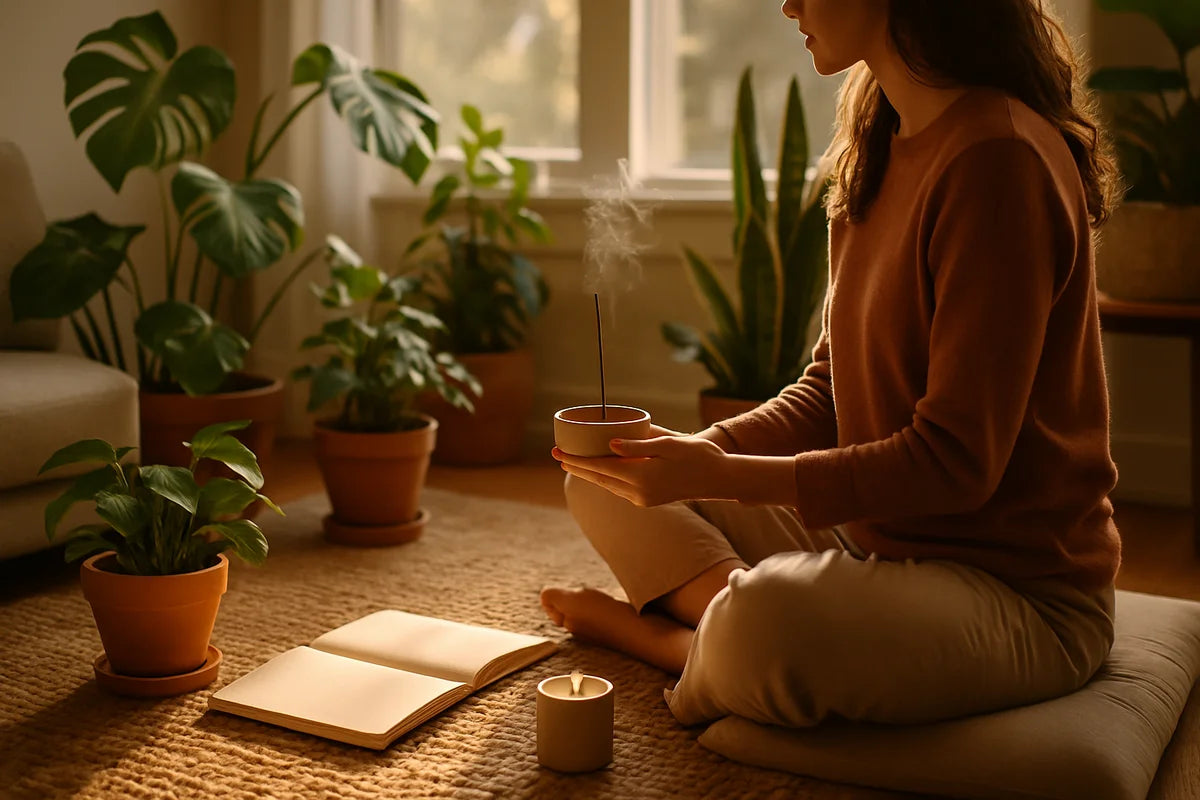
You don’t need a whole room. You need a small area that feels intentional. This becomes the physical cue for your mindfulness practice with indoor plants.
Pick a location you already visit
Habit sticks best when it rides on something you already do. Good spots include:
- Next to your kettle or coffee setup
- By your desk (but not behind your monitor)
- Near the sink, where watering is easy
- Beside your reading chair
Keep the setup simple
A calm setup reduces friction. Try:
- 1-3 plants max to start
- One small tray to catch water and soil
- A watering can or cup that stays nearby
- A small cloth for wiping leaves
Reduce visual noise
If the area is crowded, your eyes bounce around. Clear a little space so the plant becomes the main “object” of attention. If you can, keep your phone out of reach during the pause.
Turn plant care into a mindfulness practice
You’re not trying to “do plant care perfectly.” You’re using plant care as a repeatable way to train attention. Here are simple practices you can rotate through.
Practice 1: One minute of looking
Do this when you feel scattered.
- Stand or sit in front of the plant.
- Look for three specific details (a new leaf, a spot of dust, a bend in the stem).
- Name the details quietly in your head.
- Take five slow breaths while you keep looking.
If your mind wanders, you don’t “fail.” You just come back to one leaf.
Practice 2: Mindful watering
Watering works well because it’s sensory and slow.
- Before you water, touch the top inch of soil.
- Notice: is it cool, dry, or slightly damp?
- Pour slowly and listen to the sound of water meeting soil.
- Stop when water begins to drain, then pause and watch it settle.
Want a solid baseline on how and when to water? The Royal Horticultural Society’s houseplant advice covers common problems without making it complicated.
Practice 3: Leaf cleaning as a reset
Dust blocks light and dulls color. Wiping leaves also gives your hands something calm to do.
- Dampen a soft cloth.
- Support the leaf with one hand.
- Wipe from stem to tip with one slow stroke.
- Notice the color change as the leaf clears.
Keep it gentle. You’re not scrubbing a pan. You’re practicing care.
Practice 4: A short “growth check” journal
This is mindfulness plus memory. It helps you see slow change, which is easy to miss day to day.
- Date
- One thing you notice (new leaf, leaning toward light, dry soil)
- One action you took (watered, rotated, moved closer to window)
- One sentence about your mood
You can do this on paper or in a notes app. If you like reminders and plant logs, a tool like Planta can nudge you without taking over your day.
Build the habit: make it easy to repeat
Most people don’t quit mindfulness because it “doesn’t work.” They quit because it’s too vague, too long, or too hard to fit into a normal day. Make yours small on purpose.
Use a tiny time goal
Pick a time you can hit even on a rough day:
- 1 minute of looking
- 3 slow breaths
- One leaf wiped
Small actions keep the chain going. Longer sessions will happen on their own once the habit feels normal.
Link it to an existing routine
Try one of these:
- After you pour coffee, look at your plant for 60 seconds
- Before you open your laptop, touch the soil and take three breaths
- After you brush your teeth at night, do a quick leaf check
Keep tools visible
If the watering can sits in a cabinet, you’ll forget. If it sits near the plant, you’ll remember. This isn’t laziness. It’s how habits work.
Common mistakes that break the calm (and how to avoid them)
Too many plants, too soon
A lot of people buy five plants, then feel guilty when two struggle. Start with one or two. Add more when care feels easy.
Using mindfulness as a way to force relaxation
If you tell yourself you must feel calm, you add pressure. Aim for attention, not a certain mood. Some days your mind will buzz. The practice still counts.
Overwatering as “care”
It’s easy to water when you feel anxious because it feels like action. But many houseplants die from soggy soil. Let the soil guide you, not your mood.
Ignoring the mental side of the habit
Mindfulness isn’t just quiet time. It can help with stress, but it also builds awareness. For a grounded look at what mindfulness is and how it’s used, see the National Center for Complementary and Integrative Health overview.
A simple 7 day plan to start your mindfulness practice with indoor plants
If you like structure, follow this. Keep each day under 5 minutes.
- Day 1: Choose one plant and one spot. Do one minute of looking.
- Day 2: Check light. Rotate the pot a quarter turn. Take five slow breaths.
- Day 3: Touch the soil. If it’s dry, water slowly. If not, just observe.
- Day 4: Wipe one or two leaves. Notice color and texture.
- Day 5: Do a “three details” scan. Look for tiny changes.
- Day 6: Journal one line about what you notice and how you feel.
- Day 7: Repeat your favorite practice and set a simple schedule for next week.
Make it yours: small touches that help you stick with it
You don’t need to turn this into a whole aesthetic. A few choices can make the practice feel more inviting.
- Pick a pot you like touching (matte ceramic, textured clay)
- Add a small stool or cushion near the plant
- Use a warm lamp if your corner feels harsh at night
- Choose one scent plant (herb, lemon balm, or a lightly scented geranium)
If you live with others, tell them what the corner is for. A simple “I take two minutes here to reset” helps protect the habit.
Conclusion
A mindfulness practice with indoor plants works because it’s grounded in real life. Plants give you a steady cue to pause, notice, and care for something living. Start with one plant, one spot, and one tiny practice you can repeat. Let it be imperfect. Let it be ordinary. That’s where habits hold.