Difference Between Preserved Moss Wall and Living Moss Wall
Moss walls have become a striking feature in modern interiors, bridging nature and design. Whether in homes, offices, or public spaces, they bring a touch of greenery that promotes calm and well-being. But not all moss walls are the same. The main difference lies between a preserved moss wall and a living moss wall. Both create beautiful green walls, yet they vary in how they function, what they require, and the experience they offer. Understanding these differences helps you choose what truly fits your space and lifestyle.
In this guide, we’ll explore how living walls require ongoing care, while preserved moss offers low maintenance beauty. We’ll also explain how the preservation process works, how you can customize your wall, and how both types affect air quality and biophilic design.
Understanding Moss Walls vs Living Walls

How Moss Walls Fit into the Idea of a Green Wall
A green wall can include many types of plant-based surfaces, from live plants to decorative moss. A moss wall is simply one form of this concept. It can either feature preserved moss or live moss, depending on whether you want an active ecosystem or a static display.
Unlike typical living walls that include various live plants and require water, a moss wall focuses on the texture, shape, and color variation of the moss itself. Some feature only one species of moss, while others blend multiple types for depth and character.
Benefits That Walls Provide Beyond Aesthetics
Both preserved and living moss walls provide more than visual appeal. They contribute to biophilic design – an approach that connects people with nature indoors. According to research from WELL Building Standard, natural elements like greenery can improve mood, lower stress, and increase productivity.
Beyond mental well-being, certain living walls require real plant systems that can help regulate temperature and humidity. While preserved moss doesn’t actively affect indoor conditions, both types promote a peaceful atmosphere and visually soften modern interiors.
What Is the Difference Between Live and Preserved Moss?

The Key Contrast: Living vs. Preserved
The main difference between live moss and preserved moss lies in their state of life and care needs. Live moss continues to grow and photosynthesize, meaning it’s a true living organism. It requires water, light, and suitable humidity to survive. Preserved moss, on the other hand, has gone through a preservation process that replaces its natural moisture with a safe solution, keeping its texture and color intact without ongoing care.
Why People Use Preserved Moss for Interiors
People often use preserved moss because it’s simple to manage. You don’t need to require water or light – the moss will maintain its soft, lush look without any of the work of keeping live plants alive. Designers also like how easy it is to customize a preserved moss wall into patterns, logos, or art. It fits spaces with limited direct sunlight where living moss wouldn't thrive.
Comparing Longevity and Cost
A living moss wall is essentially a mini garden on your wall. It needs proper care to stay healthy, but it can last for years when well maintained. A preserved moss wall offers longevity in a different way – it doesn’t grow or die, so its appearance remains consistent for many years, especially when protected from moisture and sunlight. For many homes and offices, this makes it the practical choice for a permanent display.
What Is a Preserved Moss Wall?

The Preservation Process Explained
A preserved moss wall starts with freshly harvested moss. This moss then undergoes a preservation process where its natural fluids are replaced with a biodegradable glycerin-based solution. This process stops biological activity while keeping the moss soft and colorful. The result is real moss that never needs water or direct sunlight.
The Appeal of Low Maintenance
Preserved moss is loved for being completely low maintenance. You don’t have to water it, trim it, or worry about changing seasons. This makes it ideal for spaces like lobbies, meeting rooms, or hallways with little natural light. You simply install it once and enjoy the consistent look of greenery year-round.
Design Versatility and Customization Options
Another reason many designers use preserved moss is its versatility. It can be shaped, dyed, or combined with other materials like wood or stone. You can customize a moss wall into geometric patterns or company logos. Modern businesses use this approach as part of branding and biophilic design strategies to make workspaces more inviting.
Limitations of Preserved Moss Walls
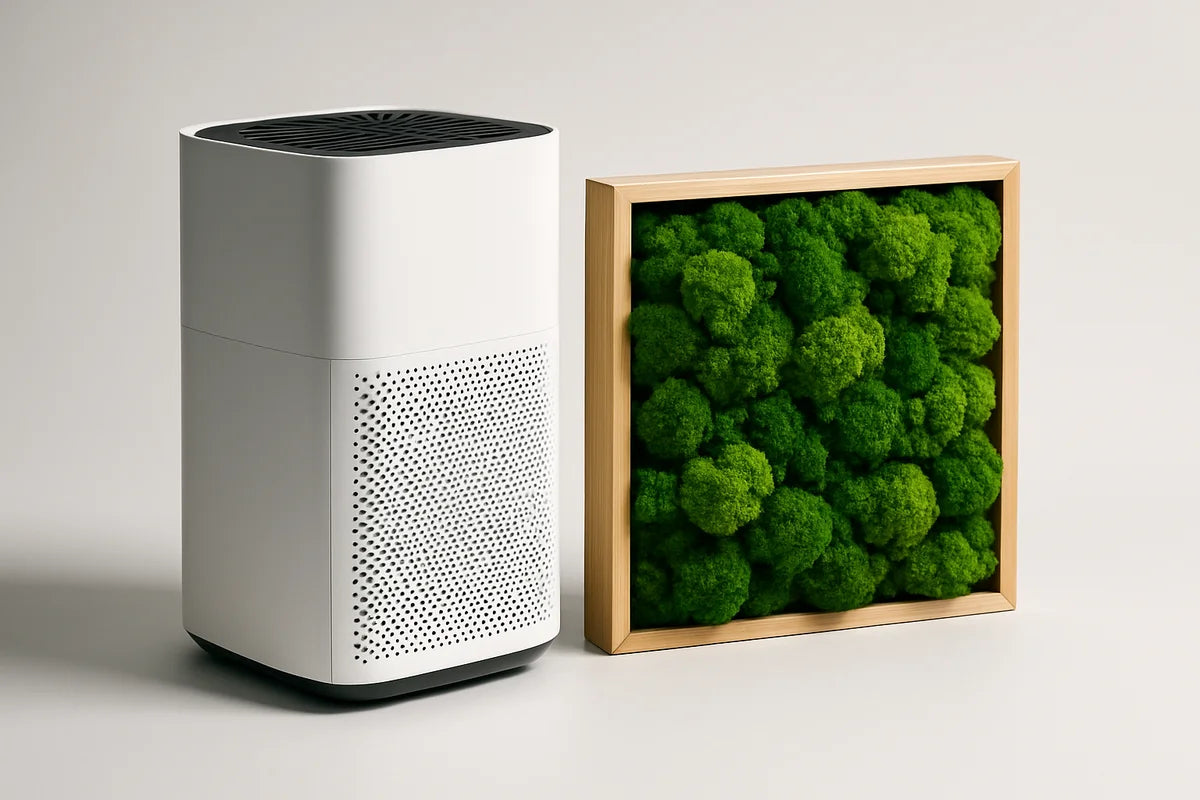
While preserved moss looks natural, it no longer functions like live vegetation. It doesn’t clean the air or support humidity the way a living wall might. It can also fade or become brittle under constant exposure to direct sunlight or moisture. But when placed correctly, it remains a beautiful, hassle-free decorative feature for years.
What Is a Living Moss Wall?
How Installing a Living Wall Works
Installing a living moss wall means creating a system that supports actual plant life. It usually includes a frame, a growing medium, an irrigation setup, and sometimes artificial lighting if natural illumination is limited. Professionals ensure the system balances humidity, drainage, and light so the live moss can thrive. You can learn about proper watering systems from guides on watering indoor plants.
Requirements for Water, Light, and Air
Because living walls require conditions close to their natural habitat, they typically need moderate water, gentle airflow, and partial shade. Too much direct sunlight can dry out the moss, while poor air circulation may cause mold. Regular misting or automated watering is essential to maintain vibrancy.
Advantages of Living Moss in Indoor Spaces
One major benefit of a living moss wall is its impact on air quality. Like most live plants, moss absorbs carbon dioxide and releases oxygen. It also traps dust and pollutants. Studies from the U.S. Environmental Protection Agency show that natural vegetation indoors can help purify the air and balance humidity levels, improving overall comfort.
Challenges and Ongoing Maintenance
Keeping live moss healthy requires diligence. You’ll need to monitor moisture regularly and adjust lighting depending on the season. A living wall might also need periodic pruning or cleaning to remove dead growth. While maintenance adds effort, many owners value the connection they feel with caring for a living system.
Walls vs Maintenance: Choosing the Right Option
Deciding Between Living Walls and Preserved Moss
When comparing walls vs walls, the decision mostly comes down to lifestyle and location. If your space lacks natural light or your schedule doesn’t allow for plant care, a preserved moss wall delivers consistent greenery with zero upkeep. If you enjoy gardening or want real environmental benefits, a living wall is worth the effort.
Matching Your Wall Type to the Environment
For areas such as reception halls or windowless offices, preserved moss thrives because it doesn’t require water or direct sunlight. For open layouts with steady humidity and indirect light, live moss can flourish and contribute to better air quality. Consider where you plan to install the feature and how much interaction you want with it daily.
How Both Types Enhance Biophilic Design
Psychological and Aesthetic Value
Both preserved and living moss walls embody the principles of biophilic design. They reconnect occupants with nature and soften sterile spaces, providing a calm environment amid digital life. Moss, with its unique texture and tone, adds depth to interiors while aligning with sustainability trends promoted by organizations like the International Living Future Institute.
Customization and Creativity in Application
Whether you install a living moss wall or a preserved moss wall, you can express creativity through layout and materials. Designers now customize these installations to match corporate colors or architectural features. In both cases, these walls provide a link between built environments and the natural world.
Final Thoughts on Selecting the Ideal Moss Wall
Both moss wall types bring nature indoors, but your best choice depends on purpose and personal preference. If you want easy beauty, use preserved moss. It stays perfect with no effort and works anywhere without water or light. If you value the organic benefits of living greenery, choose a living wall and enjoy tending your vibrant ecosystem.
Whether for a home, workspace, or retail setting, these walls provide an elegant way to add natural warmth. Think of them as living art – one that either grows with time or stays timeless through preservation.
Before buying, consult an experienced installer or review resources from AmericanHort or interior design experts to plan proper setup and care. A well-chosen moss wall, whether preserved or alive, can reshape any room into a healthier, more refreshing space.