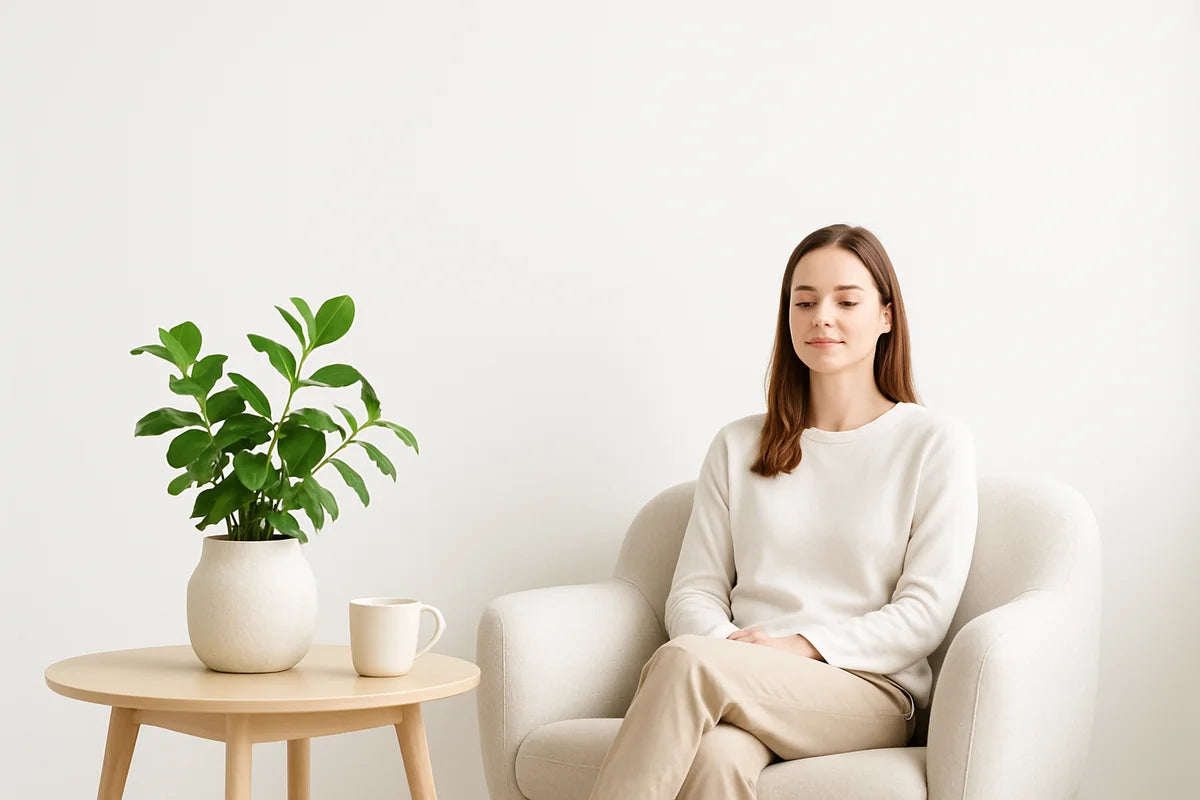
Your home does more than hold your stuff. It shapes how your body feels, how your mind runs, and how you move through the day. When a space feels tense, noisy, cluttered, or harsh, you react. Your shoulders rise. Your patience drops. Sleep gets lighter. When a space feels calm, you settle without trying so hard.
That’s the real value behind the benefits of creating a calming indoor space. It’s not about copying a showroom. It’s about building a place that supports your nervous system, your focus, and your relationships. The good news: you don’t need a big budget or a blank-slate renovation. Small changes stack up fast.
Why calm at home changes how you feel (even when you don’t notice)

Your brain tracks cues all day: light, noise, mess, air, and how easy it is to move around. When those cues signal “work” or “watch out,” your body stays on alert. When cues signal “safe,” your body downshifts.
One of the clearest benefits of creating a calming indoor space is that it cuts the number of small stress hits you take at home. You stop spending energy on friction: searching for keys, stepping over clutter, squinting at harsh lights, or trying to relax in a room that feels busy.
Stress isn’t only mental. It’s physical.
A calm room can’t erase hard days, but it can help you recover from them. Think of it as reducing “background stress,” the steady drip that keeps you wired. The more your home supports recovery, the less you carry into the next day.
Benefit 1: Lower stress and a steadier mood

When your environment feels orderly and gentle, your mind has less to manage. That can show up as fewer arguments, less irritability, and more patience.
- You spend less time reacting and more time choosing how to respond.
- You get fewer “micro-annoyances,” like visual clutter or constant noise.
- You come home and actually feel like you arrived somewhere safe.
If you want a science-backed nudge, start with air and toxins. Indoor air can carry irritants that affect comfort and stress, especially if you’re sensitive. The EPA’s indoor air quality guidance offers practical steps for reducing common indoor pollutants.
Benefit 2: Better sleep without trying harder
Sleep isn’t only about willpower and a strict bedtime. It’s also about cues. Light, temperature, sound, and even the emotional feel of your bedroom all shape sleep quality.
A calming indoor space helps you separate “rest” from “scroll, snack, and worry.” This is one reason the benefits of creating a calming indoor space often show up first at night. You fall asleep faster because your bedroom stops acting like an office or a storage unit.
Simple sleep cues that work
- Dim lights 60 to 90 minutes before bed.
- Keep the bed for sleep and sex, not email and bills.
- Reduce noise spikes with a fan or white noise if you need it.
- Cool the room slightly. Many people sleep best in a cooler space.
For evidence-based tips on building better sleep habits and sleep-friendly surroundings, see the Sleep Foundation’s sleep hygiene guide.
Benefit 3: Easier focus and fewer distractions
Even if you don’t work from home, you still need focus: paying bills, helping kids with homework, planning meals, reading, or just finishing a thought. A calm space reduces competing signals. That matters more than people think.
Designers talk about “visual noise,” but you can think of it as the brain’s open tabs. Too many objects in view can make it harder to settle into one task. If you’ve ever cleaned a counter and felt your mind clear, you’ve already experienced this.
Create one low-friction focus zone
You don’t need a full office. Pick one small spot and make it easy to use.
- Clear one surface completely.
- Keep only the tools you use for that task (pen, notebook, charger).
- Add one comfort cue: a small lamp, a plant, or a chair that supports your back.
If you want an expert view on how the built environment affects comfort and daily life, the International WELL Building Institute shares research-driven ideas about spaces that support health.
Benefit 4: A healthier home (air, dust, and allergens)
Calm isn’t only visual. It’s also physical comfort. Dust, stale air, and mold risk can create low-grade symptoms that drain you: headaches, itchy eyes, congestion, and that “tired but not sure why” feeling.
When you build a calming indoor space, you often improve cleaning habits and airflow as a side effect. Clearer floors mean you vacuum more easily. Fewer piles mean less dust. Better ventilation helps odors and humidity.
Quick wins for cleaner indoor air
- Open windows for short bursts when outdoor air is decent.
- Use the bathroom fan during showers to cut humidity.
- Vacuum with a HEPA filter if allergies bother you.
- Wash bedding weekly in hot water if dust mites are an issue.
If you want a practical guide to picking and using air cleaners, Wirecutter’s air purifier guide breaks down what matters and what doesn’t, without pretending every home needs a lab-grade setup.
Benefit 5: Better relationships and fewer “home friction” moments
Many home conflicts aren’t really about the dishes. They’re about overload. When a space feels chaotic, small problems feel bigger. When a space feels calm, people give each other more room.
A calming indoor space can also make it easier to host friends or spend quality time together. You don’t need to clean in a panic. You can sit down without moving stacks of stuff. That changes how the home feels as a shared place, not a stress project.
Try a shared reset ritual
- Set a 10-minute timer after dinner.
- Each person picks one small task (trash, counters, toys, dishes).
- Stop when the timer ends, even if it’s not perfect.
Perfection kills the habit. Consistency builds the calm.
Benefit 6: More time and less decision fatigue
Decision fatigue shows up at home in sneaky ways. Where are the scissors? Which cabinet has the spices? Where did I leave the charger? Every small search costs attention.
One of the most practical benefits of creating a calming indoor space is that you waste less time. You set up your home so basic tasks feel automatic. That gives you energy back.
Use “homes” for the things you always lose
- Keys: one hook or bowl by the door.
- Mail: one tray, sorted once a week.
- Chargers: one charging spot, not every outlet.
- Remote controls: one basket near the couch.
What actually makes an indoor space feel calming?
Calm looks different for everyone, but most calming rooms share a few traits: fewer sharp contrasts, less clutter, softer light, and smoother flow. You can create that feel in almost any home.
Light: choose soft, warm, and layered
Overhead lights can feel harsh, especially at night. Add lamps so you can light the room in zones.
- Use warm bulbs in living areas and bedrooms.
- Add one lamp near the couch and one near a reading spot.
- Use dimmable bulbs if you can.
If you want a clear reference for how light affects the body clock, Harvard Health explains circadian rhythm basics in plain language: how blue light can affect sleep.
Sound: reduce spikes, add steady calm
Constant noise keeps your body alert. Sudden noise spikes feel even worse. Soft surfaces help more than people expect.
- Add a rug if your floors echo.
- Use curtains that add weight and dampen sound.
- Try a small fountain or a white noise machine if street noise is a problem.
Texture and comfort: make the space feel kind to the body
Calm often comes from touch: a throw that feels good, a chair that supports you, sheets you don’t fight with. If your home looks fine but doesn’t feel good to use, start here.
- Pick one seat you love and build around it.
- Add one soft layer: a blanket, pillow, or rug.
- Choose materials that don’t irritate your skin.
Color: keep it simple and repeat it
You don’t need to paint everything beige. You do need restraint. Pick a small palette and repeat it across the room. That reduces visual “chatter.”
- Choose 2 to 3 main colors and 1 accent color.
- Repeat the accent color in small ways (a vase, a book spine, a cushion).
- If you love bright colors, use them in one area, not everywhere.
Action plan: create a calming indoor space in 60 minutes
If the idea feels big, make it small. You can change the mood of a room in one hour.
- Pick one room you use every day (often the living room or bedroom).
- Set a timer for 10 minutes and remove trash and obvious “doesn’t belong” items.
- Clear one surface fully (coffee table, nightstand, or kitchen counter corner).
- Put back only what supports how you want to feel in that space.
- Add one calming cue: a lamp, a plant, a candle you actually like, or a soft blanket.
- Do a 2-minute air reset: open a window or run a fan to move stale air out.
This works because it cuts clutter, adds comfort, and creates a visible win. That’s how new habits stick.
Room-by-room ideas that don’t cost much
Bedroom: protect it like a sleep tool
- Remove work items from sight (laptop, paperwork, gym bag).
- Use one bedside light instead of overhead light at night.
- Keep a small basket for “random stuff” so it doesn’t spread.
Living room: create one clear “rest zone”
- Keep one area free of clutter: the seat you relax in and the space in front of it.
- Group loose items in a tray or basket (remotes, coasters, chargers).
- Place a plant or simple art where your eyes land first.
Kitchen: reduce visual noise on counters
- Store appliances you don’t use daily.
- Keep one clear prep spot, even if it’s small.
- Use one container for utensils instead of scattered tools.
Entryway: stop chaos at the door
- Add hooks for bags and coats.
- Use a shoe tray or small rack.
- Place a bowl for keys and earbuds.
Common mistakes that make a home feel less calm
- Buying decor before fixing clutter. Objects don’t calm a messy room.
- Using one bright overhead light for everything.
- Keeping “maybe” items in prime space. Store them or let them go.
- Trying to change the whole house at once. One room is enough to start.
- Chasing a style that doesn’t match how you live.
Where to start (and how to keep going)
If you want the benefits of creating a calming indoor space to last, build a system that fits real life. Start with one change you can repeat, not a perfect weekend project.
- Pick one daily reset: 5 minutes to clear one surface.
- Pick one weekly reset: laundry, floors, or a clutter sweep.
- Set a “one in, one out” rule for small items that multiply fast.
Need help staying organized without turning it into a hobby? The Unfck Your Habitat cleaning method offers short, timed routines that feel doable on low-energy days.
As you build momentum, you’ll notice something: calm becomes a design choice and a daily habit. Your space starts supporting who you are now, not who you were when you bought that chair or kept that box of “someday” stuff. Pick one room, make one change this week, and let that calmer baseline carry you into what’s next.