Most people treat indoor air quality like a background problem. If the room looks clean, they assume the air is fine. But the stuff you can’t see often matters more: cooking fumes, cleaning sprays, dust, damp, and stale air that never cycles out.
Mindfulness practices to enhance indoor air quality aren’t about pretending your home is a spa. They’re about paying attention, noticing patterns, and making small choices that add up. When you get more aware of what’s in the air, you start changing the habits that pollute it. The best part? You don’t need fancy gear to start.
Why mindfulness belongs in an indoor air quality plan

Mindfulness means you notice what’s happening while it’s happening. That sounds simple, but it’s rare at home. We cook while scrolling, clean while rushing, and ignore smells because we “got used to them.” Awareness breaks that autopilot.
When you practice mindfulness, you’re more likely to catch:
- That “normal” musty smell in the bedroom after rain
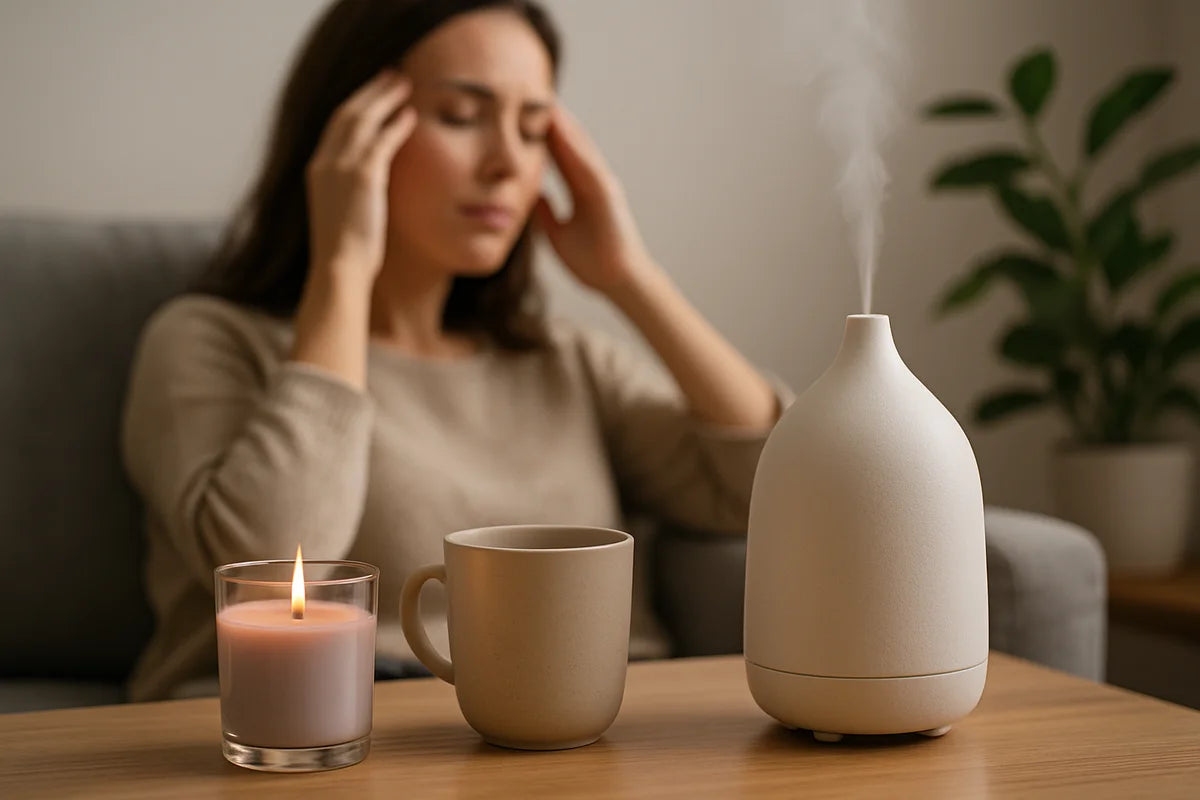
- Headaches that show up after you burn a candle for an hour
- Stuffy air every morning because the windows never open
- Dust buildup near vents that keeps returning
This kind of noticing leads to better indoor air quality habits. And you can pair it with basic science-backed steps. The EPA’s indoor air quality guidance offers a clear foundation: control sources, improve ventilation, and clean the air.
Start with a 60-second “air check” (and make it a habit)

Here’s a simple daily practice: once a day, stop and check your air on purpose. No judging. No fixing yet. Just notice.
The 5-sense air scan
- Smell: Do you notice cooking odors, stale air, fragrances, mustiness, pet smells?
- Feel: Does the air feel dry, humid, warm, heavy, irritating?
- See: Any haze near sunlight, dust on surfaces, moisture on windows?
- Hear: Is the bath fan loud enough that you avoid using it? Is the air purifier off because it annoys you?
- Body: Any scratchy throat, watery eyes, or coughing that starts at home?
Do this in the same spot each day, like the kitchen doorway or your bedroom. Over time, you’ll spot patterns fast. That’s where mindfulness practices to enhance indoor air quality shine: you catch problems early, when they’re easier to fix.
Mindful breathing that doubles as a ventilation cue
Breathing exercises can do more than calm you down. They can remind you to refresh air before it feels stale.
The “open-air exhale” routine
Pick one daily breathing session you already do (or want to do). Tie it to a ventilation action:
- Morning: open a window for 5 to 10 minutes while you take 10 slow breaths
- After cooking: run the range hood while you do a 2-minute breathing reset
- After showers: turn on the bathroom fan and take five slow breaths before you leave
This works because it links a calm habit to a useful one. If you need a reminder of what “good ventilation” means in plain terms, the CDC’s ventilation resources explain why moving and diluting indoor air helps reduce pollutants.
Mindful cooking: the biggest hidden air polluter in many homes
If you want better indoor air quality fast, look at your stove. Cooking produces particles and gases, even when it smells good. Frying, searing, and high-heat roasting can spike indoor pollution. Gas stoves also add nitrogen dioxide.
You don’t need fear. You need awareness and a few defaults.
Three mindful cooking habits that clean up your air
- Turn on ventilation before heat: Start the range hood 1 to 2 minutes before you cook, not after smoke shows up.
- Match the method to the day: On still days or in small kitchens, choose lower-smoke methods (steam, simmer, bake) more often.
- Do a “smoke check” mid-cook: Pause and look sideways across the light. If you see haze, you need more ventilation.
Not sure if your range hood actually vents outdoors? Many recirculate air through a filter and send it back into the room. That may help with odor, but it doesn’t remove combustion gases. For practical guidance, this kitchen exhaust overview from Energy Vanguard breaks down what effective kitchen ventilation looks like.
Clean with attention, not with fumes
Cleaning should improve indoor air quality, but some products do the opposite. Strong scents can irritate lungs. Sprays can linger in the air. Mixing products can create dangerous gases.
A mindful cleaning reset: “low scent, high purpose”
Before you clean, ask one question: What am I trying to remove? Grease, soap scum, dust, mold, bacteria? When you get specific, you stop reaching for the strongest-smelling bottle out of habit.
- Choose fragrance-free when you can, especially for daily wipe-downs.
- Use liquids and cloths more than sprays to reduce airborne mist.
- Ventilate while cleaning, even in winter. Crack a window for 5 minutes.
- Never mix bleach with ammonia or acids.
If you want a quick reality check on household chemicals and safer choices, the EWG’s cleaning product guide is a practical starting point. Use it as a reference, not a rulebook.
Mindful humidity: the quiet driver of musty air
Humidity shapes how a home feels and smells. Too high and you invite mold and dust mites. Too low and you dry out skin and airways. Many people ignore humidity until they see condensation or smell something off.
A simple awareness practice: track one room
Pick the room that feels “off” most often (bedroom, basement, bathroom). For one week, pay attention at the same time each day:
- Do windows fog up in the morning?
- Do towels dry fast or stay damp?
- Does the room smell stale after the door stays shut?
If you want numbers, use a cheap hygrometer. Aim for a middle range most of the year. ASHRAE, a leading HVAC standards group, covers comfort ranges and building guidance. Their main site is here: ASHRAE resources on indoor environments.
Mindful bathroom habit: don’t “save” the fan for later
Many people skip the bath fan because it’s loud, then wonder why the bathroom smells musty. Try this instead:
- Turn the fan on at the start of the shower.
- Keep it running for 15 to 20 minutes after.
- While you wait, do a short stretch or 2-minute breathing exercise.
Linking the fan to a calm routine keeps you from forgetting it. If your fan is weak or noisy, that’s useful data. Mindfulness helps you notice friction points that block good habits.
Declutter with an “air lens”
Clutter isn’t just a visual issue. It’s a dust issue. Piles on the floor make it harder to vacuum well. Overstuffed closets block airflow and trap odors. Crowded shelves collect particles you later breathe.
The mindful declutter rule: clear for air paths
Try a small, targeted approach:
- Clear 6 inches around vents and radiators.
- Reduce textiles that hold dust in bedrooms (extra throw pillows, piles of spare blankets).
- Store shoes near the door in a closed bin to cut tracked-in dirt.
This isn’t about minimalism. It’s about making cleaning easier and airflow smoother.
Bring in plants, but don’t expect them to do the heavy lifting
Houseplants can make a room feel fresher and can support well-being. But they won’t replace ventilation, source control, or filtration. Some can also add moisture and, if overwatered, lead to mold in the soil.
A mindful way to use plants for indoor air quality
- Use plants as behavior cues: when you water, crack a window for 5 minutes.
- Don’t overwater. Let the top layer of soil dry for many common plants.
- If you smell mold near pots, fix that first. Remove decaying leaves and check drainage.
Want a practical plant care reference that keeps things simple? The Royal Horticultural Society houseplant guides cover basics without hype.
Mindful filtration: make the clean option the easy option
Air purifiers can help, especially for smoke, pollen, and fine particles. But most people use them in a scattered way: they run them for a day, get annoyed by noise, then forget.
Set a “default on” routine
- Run the purifier on low all day, then boost it during cooking or cleaning.
- Place it where you spend time, not where it “looks best.” Bedrooms often give the biggest payoff.
- Change filters on a schedule you’ll follow. Put it on your calendar.
If you want to size a purifier to a room, use CADR and room volume, not marketing claims. For a practical tool, try an air purifier sizing calculator and cross-check it with the product’s CADR ratings.
Create a “mindful air map” of your home
Most indoor air problems aren’t everywhere. They cluster in a few spots: the kitchen, the damp bathroom, the dusty bedroom, the basement corner with poor airflow.
How to map your air in 15 minutes
- Walk room to room with a note app or paper.
- Mark any room with one of these: stale, musty, dusty, irritating, or fine.
- Write the likely driver: cooking, pets, humidity, clutter, chemicals, outdoor smoke, poor ventilation.
- Pick one fix per problem room that you can do this week.
This avoids the common trap of buying a gadget before you know the real issue.
Small scripts that keep mindfulness practices working
Habits stick when they’re simple. Try these short “if-then” scripts:
- If I cook on high heat, then I turn on the hood before the pan heats.
- If I smell fragrance after cleaning, then I ventilate for 5 minutes.
- If the bathroom mirror fogs, then I run the fan longer.
- If I wake up stuffy, then I air out the bedroom and check bedding dust.
- If wildfire smoke is in the news, then I check windows, filters, and purifier settings.
They sound basic because they are. That’s why they work.
Looking ahead: make indoor air quality part of your daily rhythm
You don’t need to chase perfect air. You need a home that supports your lungs and your sleep, day after day.
This week, pick one mindfulness practice to enhance indoor air quality and tie it to something you already do. Ventilate while the kettle boils. Run the bath fan while you brush your teeth. Do a 60-second air check before bed. Once those cues feel normal, add one more.
If you keep paying attention, your home will start telling you what it needs. And you’ll know how to respond before a small air problem turns into a stubborn one.