Houseplants make a room feel lived-in. They soften hard edges, add color, and can nudge you to slow down and care for something. But can air-cleaning houseplants actually clean the air you breathe?
The honest answer: plants can help in small, specific ways, but they won’t replace ventilation, filtration, or fixing the source of pollution. Still, if you use them the right way, they can support a healthier-feeling home and may reduce some indoor chemicals at the margins. This article breaks down what the science says, which plants are worth your windowsill space, and how to build a simple plan that works in real homes.
What “dirty indoor air” really means

Indoor air can pick up a mix of pollutants from everyday life. Some come from outside (traffic, wildfire smoke, pollen). Others come from inside your home.
- Particles: dust, smoke, pet dander, cooking aerosols
- Volatile organic compounds (VOCs): gases released from paints, cleaners, air fresheners, furniture, and some building materials
- Biological pollutants: mold spores, bacteria, and allergens
- Carbon dioxide (CO2): rises with people and poor ventilation, which can make a room feel stale
If you want the clearest overview of indoor air risks and fixes, the EPA’s indoor air quality guidance is a solid starting point.
Do air-cleaning houseplants work? Here’s the real story

The “plants clean indoor air” idea took off after famous lab studies showed some plants could reduce certain chemicals in sealed chambers. Those results were real, but the setting matters. A small sealed chamber is not your living room.
Why lab results don’t translate neatly to homes
In a home, air constantly mixes and leaks. Pollutants enter from cooking, cleaning, and outdoor air. And most homes have far more air volume than a lab chamber. That means a few plants can’t keep up in the way people often imagine.
A widely cited review in the scientific literature found that, at realistic plant numbers, the clean-air effect is tiny compared with basic ventilation or mechanical filtration. You can read the review in Indoor Air quality research (peer-reviewed).
What plants can do well indoors
- Boost comfort: greenery can make a space feel fresher, even when the air chemistry doesn’t change much
- Add humidity in dry months: some people notice fewer dry-skin and dry-throat days
- Support routine cleaning: plant care often goes hand-in-hand with wiping surfaces and clearing clutter where dust builds
What plants can’t do
- Remove wildfire smoke or fine particles at a meaningful rate
- Replace a range hood, bathroom fan, or fresh-air ventilation
- Fix mold, leaks, or strong VOC sources like fresh paint or new flooring
So yes, air-cleaning houseplants can play a role, but think of them as helpers, not heroes.
The best air-cleaning houseplants for real homes
If you want plants that are tough, common, and well-suited to indoor life, start here. These picks show up often in air-quality discussions, but they also earn their spot because they’re easy to keep alive. A thriving plant beats a “perfect” plant that dies in three weeks.
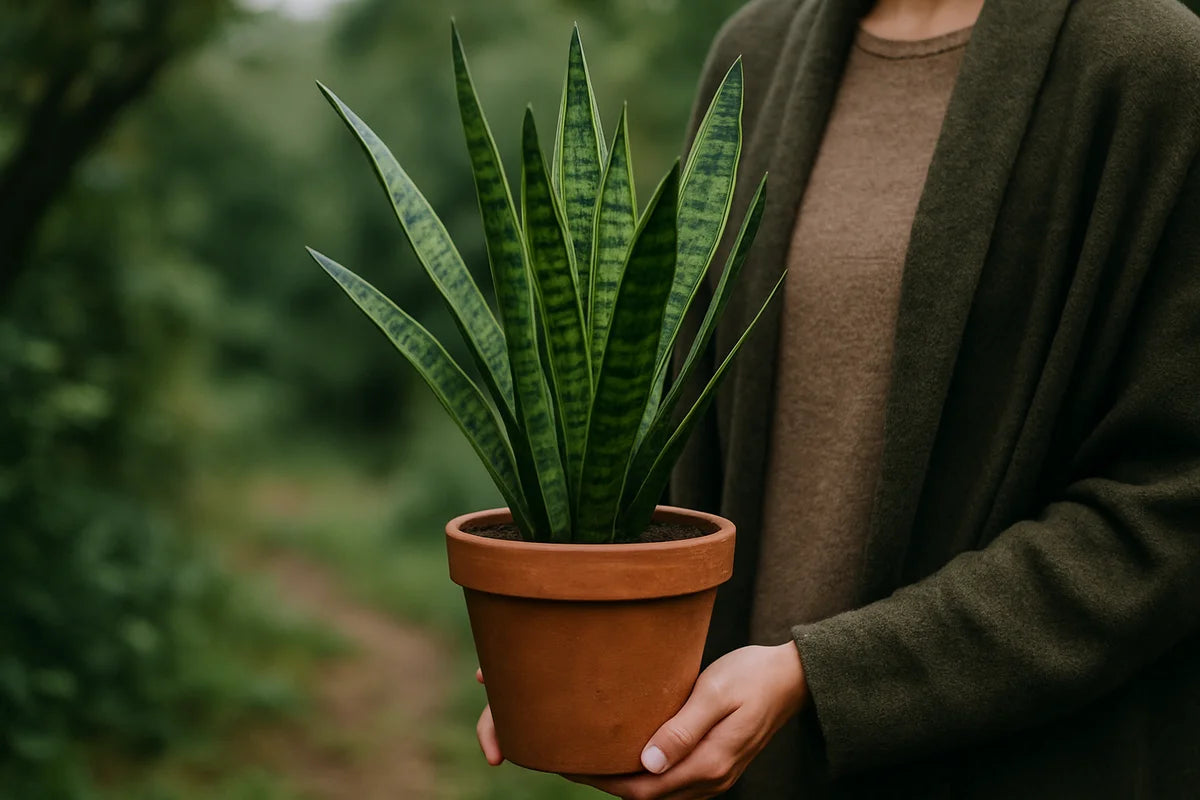
Snake plant (Sansevieria, now Dracaena trifasciata)
- Why people like it: handles low light, missed waterings, and dry air
- Care basics: water only when soil is dry, use a pot with drainage
- Good fit for: bedrooms, offices, corners with indirect light
Spider plant (Chlorophytum comosum)
- Why people like it: fast growth, easy propagation, forgiving
- Care basics: bright indirect light, water when top inch of soil dries
- Good fit for: shelves, hanging baskets, kitchens with window light
Pothos (Epipremnum aureum)
- Why people like it: it grows almost anywhere and signals thirst by drooping
- Care basics: indirect light is ideal, trim to shape, don’t let it sit in water
- Good fit for: high shelves, bookcases, low-maintenance homes
Peace lily (Spathiphyllum)
- Why people like it: dramatic “I’m thirsty” droop, then perks up fast after watering
- Care basics: medium to low light, keep soil lightly moist, avoid harsh sun
- Good fit for: bathrooms with windows, shaded living areas
Rubber plant (Ficus elastica)
- Why people like it: large leaves you can wipe clean, strong visual impact
- Care basics: bright indirect light, water when top layer dries, rotate for even growth
- Good fit for: living rooms where you want one bigger plant instead of many small ones
If you have pets or small kids, check toxicity before you buy. Many popular houseplants can irritate mouths or stomachs if chewed. The ASPCA’s plant safety list is a practical reference.
How to use houseplants as part of an indoor air plan
If your goal is cleaner air, you’ll get the best results when plants support the basics: source control, ventilation, and filtration.
Step 1: Cut pollution at the source
Start with the easiest wins. They cost little and work fast.
- Skip scented sprays and plug-ins if you notice headaches or throat irritation
- Choose fragrance-free cleaners when you can
- Store paints, solvents, and harsh chemicals in a sealed bin, ideally outside the living space
- Use a lid when you cook and don’t burn oils on high heat
Step 2: Ventilate on purpose
Open windows when outdoor air is decent. Use bathroom fans during showers. Use the range hood when you cook. If you’re not sure what “decent” means, check local air quality reports before you air out the house.
For a deeper look at ventilation and why it matters, the CDC’s ventilation resources explain the basics in plain language.
Step 3: Add filtration where it counts
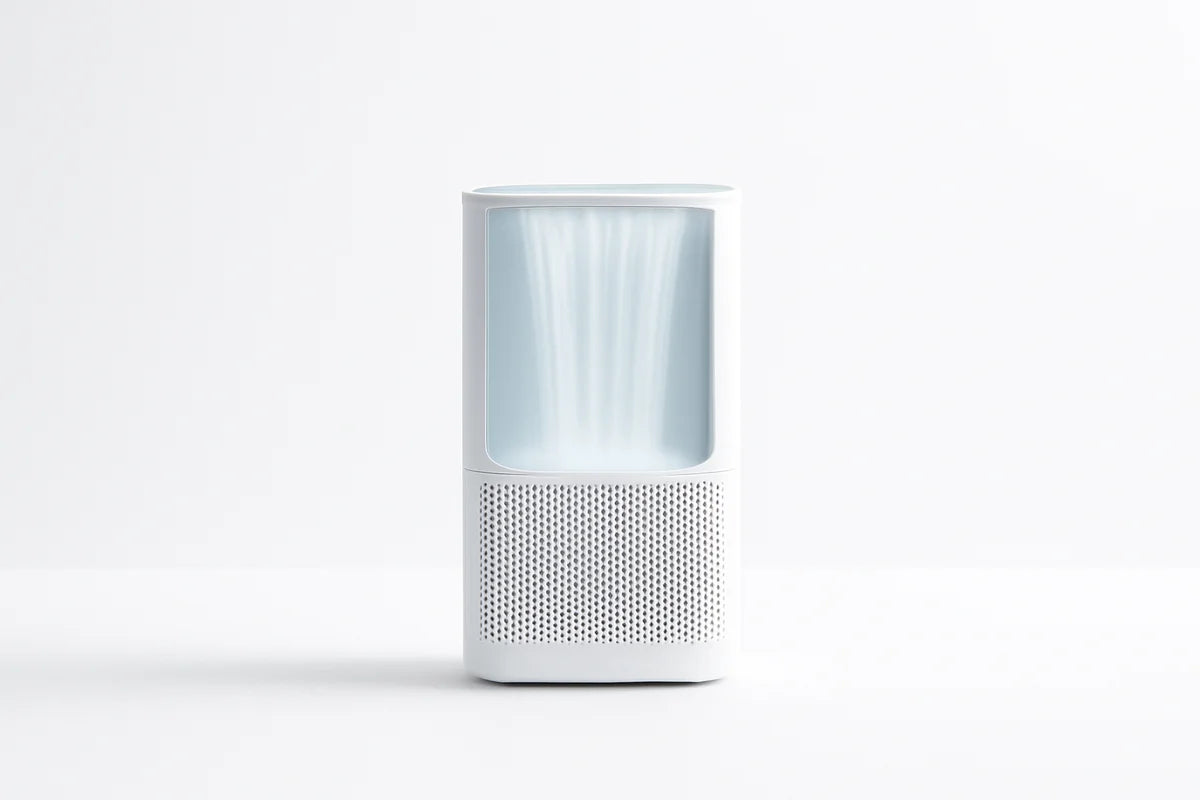
Plants don’t catch fine particles well. Filters do. A good portable HEPA air cleaner can reduce indoor particle levels far more than a few pots ever will.
If you’re shopping, look for a unit sized to your room and run it consistently. The AHAM guidance on room air cleaners and CADR ratings helps you compare models without getting lost in marketing claims.
Step 4: Then use plants to support the system
Once you handle the big levers, plants make more sense. They can help with comfort and may reduce small amounts of VOCs over time, especially when the plant and its root microbes stay healthy.
Placement tips: where air-cleaning houseplants help most
You don’t need a “plant wall” to get value. Put plants where they’ll thrive and where you’ll care for them.
Put plants near light, not in dark corners
A struggling plant won’t do much of anything. If a room has low light, pick snake plant or pothos. If you have bright indirect light, rubber plants and spider plants often take off.
Use plants where odors and moisture show up
- Kitchen: spider plant or pothos near a bright window, away from hot burners
- Bathroom (with a window): peace lily can handle the humidity, but don’t use it to “solve” mold
- Entry or mudroom: tougher plants can handle temperature swings better than delicate ones
Don’t block airflow
If you use a HEPA air cleaner, don’t surround it with plants or furniture. Give it space so it can move air.
Common mistakes that make “air-cleaning plants” backfire
Plants can also add problems if you set them up poorly. Here are the issues I see most often.
Overwatering and moldy soil
Wet soil can grow mold and fungus gnats. If you smell a musty odor near a pot, fix it fast.
- Use pots with drainage holes
- Empty saucers so roots don’t sit in water
- Let the top layer of soil dry between waterings for most common houseplants
Dusty leaves
Dust doesn’t just look bad. It can slow a plant’s growth and may hold allergens.
- Wipe broad leaves (rubber plant) with a damp cloth every few weeks
- Rinse smaller-leaf plants in the sink or shower on a gentle setting
Buying plants that don’t match your home
Got low light, travel often, or forget watering? Skip fussy plants. Pick two or three reliable types and repeat them. Consistency beats variety.
How many plants do you need for air quality?
If you’re hoping for a measurable change in indoor pollutants from plants alone, the number is usually “more than you want to own.” That’s why air-cleaning houseplants work best as part of a bigger plan.
A more useful target: choose a number you can keep healthy. For many homes, that’s 1-2 medium plants per main room, placed where they’ll grow well. If you want to add more, do it slowly so you don’t end up with a row of stressed plants and damp soil.
Want data? Measure your indoor air
If you like real feedback, measure the things that change. You can track PM2.5 (fine particles) and sometimes VOCs with consumer monitors. They aren’t lab-grade, but they can show trends: cooking spikes, cleaning spikes, and what happens when you open windows or run a filter.
For a practical overview of what different air sensors can and can’t tell you, Wirecutter’s air quality monitor guide gives a clear, user-focused breakdown.
Simple plant-and-air routine for a cleaner-feeling home
If you want a plan you’ll actually follow, keep it small.
- Pick two easy plants: snake plant and spider plant are a strong starter pair.
- Place them near a window with indirect light.
- Run the kitchen hood when you cook and the bath fan when you shower.
- If you have allergies or smoke exposure, add a HEPA air cleaner to the bedroom first.
- Once a month: wipe leaves, check for damp soil smell, and empty drip trays.
Looking ahead: a smarter way to think about “clean air” at home
Air-cleaning houseplants fit best in a bigger picture: you lower pollution where you can, move fresh air through the home, and filter what’s left. Plants then add comfort and a steady reminder to care for your space.
If you want a next step that pays off fast, start with one room. Put a tough plant where it will grow, improve ventilation during the activities that pollute the air most, and track how the room feels over a few weeks. Once that room works, copy the setup elsewhere. That’s how you build a home that looks better, feels better, and keeps getting better over time.