Essential oil diffusers sit in a sweet spot between comfort and function. They can make a room smell clean, help you stick to a bedtime routine, or mask cooking odors that hang around too long. But “best essential oil diffusers” means different things depending on your space, your noise tolerance, and how much cleaning you’re willing to do.
This article breaks down the main diffuser types, the features that matter, the safety basics (especially for kids and pets), and a short list of stand-out picks by use case. You’ll finish knowing exactly what to look for and what to avoid.
First, a quick reality check: what a diffuser can (and can’t) do

A diffuser spreads scent. That’s the core job. Some people also use oils for relaxation or to support routines like wind-down time. But don’t treat diffusers like medical devices. If you want a grounded overview of how essential oils fit into real health care, the National Center for Complementary and Integrative Health explains what evidence exists and what doesn’t.
Also, a diffuser won’t “clean the air.” If you care about indoor air quality, focus on ventilation and filtration first. The EPA’s indoor air quality guidance is a better starting point than any scent product.
Types of essential oil diffusers (and who they’re for)

Most “best essential oil diffuser” lists mix types without explaining the trade-offs. Type matters because it changes the scent strength, the noise, the maintenance, and the cost.
Ultrasonic diffusers (the most common)
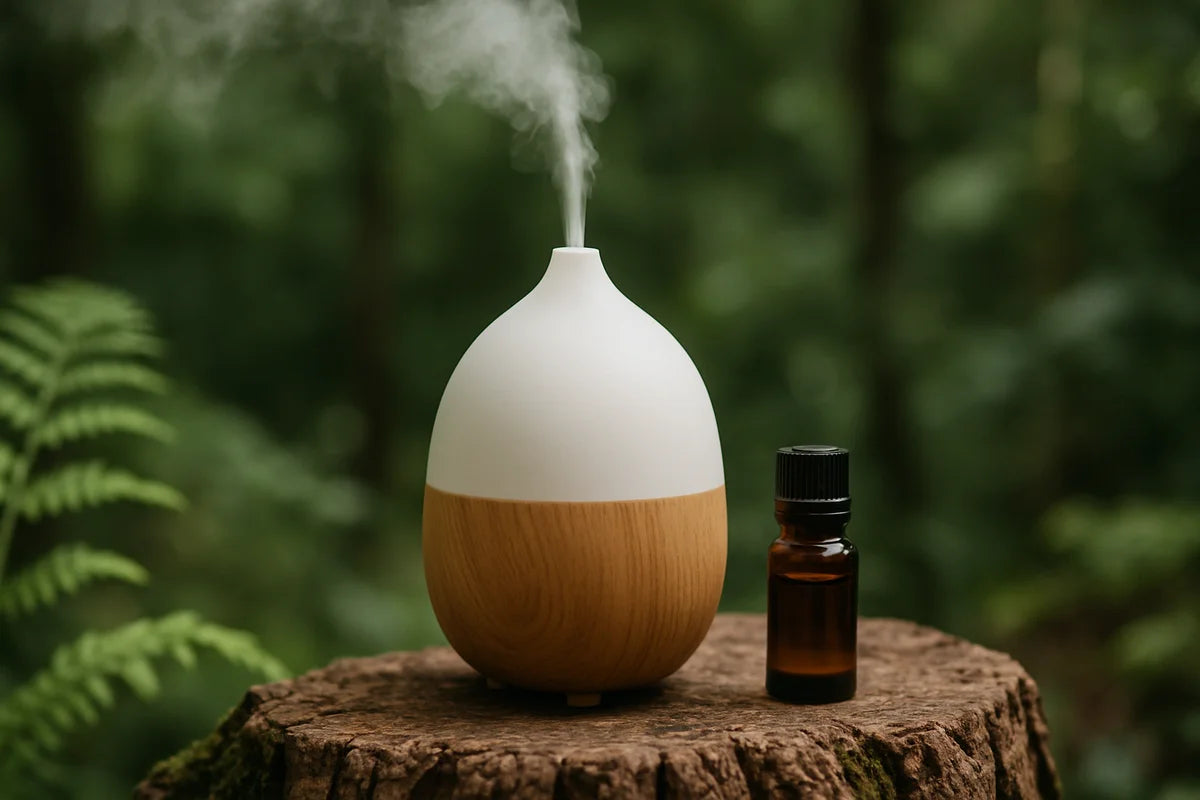
These use water plus vibration to create a cool mist. They’re popular because they’re affordable, easy to find, and often include timers and lights.
- Best for: bedrooms, offices, medium rooms, anyone who wants simple controls
- Upsides: quiet, doubles as a light humidifier in dry months
- Downsides: needs regular cleaning, can leave a damp ring if you place it on wood without a tray
Nebulizing diffusers (strongest scent, no water)
Nebulizers push air through pure oil to create a fine vapor. You get a bold scent fast. They also use more oil.
- Best for: large rooms, open layouts, people who want strong scent without moisture
- Upsides: powerful, no water tank, no humidity added
- Downsides: louder, higher oil use, usually costs more
Evaporative diffusers (simple, often portable)
These use airflow over an oil pad or filter. Think small desk units or car diffusers.
- Best for: small spaces, travel, cars
- Upsides: low cost, low mess
- Downsides: scent fades fast, less even diffusion
Heat diffusers (not my first pick)
Heat can change how an oil smells and may reduce some compounds you want to keep intact. Many “candle warmers” fall in this bucket.
- Best for: occasional use when you already own one
- Upsides: cheap, no water
- Downsides: less control, can alter scent, safety concerns with hot surfaces
How to choose the best essential oil diffuser for your home

If you only remember one thing, remember this: match the diffuser to your room size and your routine. Most regret comes from buying a tiny unit for a big room or picking a fussy model you won’t clean.
1) Room size and output
Manufacturers list coverage in square feet, but those numbers often assume ideal conditions. Open layouts, high ceilings, and strong airflow cut scent quickly.
- Small room (bathroom, nursery, desk area): 50-150 sq ft
- Medium room (bedroom, office): 150-350 sq ft
- Large room (living room, open plan): 350+ sq ft, consider nebulizing
2) Run time and timer options
If you diffuse at night, look for auto shut-off and a timer that matches your sleep window. Intermittent modes (like 10 minutes on, 20 off) stretch oil and keep the scent from getting heavy.
3) Noise level
Ultrasonic models usually make a soft water trickle sound. Nebulizers can sound like a small aquarium pump. If you’re a light sleeper, prioritize quiet designs and avoid anything that uses a fan unless reviews confirm it’s silent.
4) Tank design and cleaning access
Cleaning decides whether you’ll keep using it. A wide, open tank beats a narrow one. You should be able to wipe the base without fighting corners.
5) Materials and build quality
Look for BPA-free plastic tanks and stable bases. If you want glass, remember it’s heavier and breaks. For many homes, a tough plastic shell wins.
6) Lights and “extras”
Lights can help if you use the diffuser as a nightlight. They can also annoy you at 2 a.m. Pick a model that turns lights off completely, not just “dims.”
Best essential oil diffusers by use case
Instead of dumping a giant product list, here are the categories that actually map to real homes. Use these as shopping targets. When you compare models, focus on type, tank size, timer, and cleaning access.
Best for bedrooms: quiet ultrasonic diffuser with a true light-off mode
- What to look for: 200-500 ml tank, 4-8 hour timer, auto shut-off, low-light or no-light setting
- Why it works: you can set it once, sleep, and not worry about it running dry
- Common mistake: buying a tiny 100 ml unit that quits halfway through the night
Best for large living rooms: nebulizing diffuser or high-output ultrasonic
- What to look for: strong output settings, intermittent mode, stable base
- Why it works: open spaces swallow scent; you need real output
- Common mistake: turning a small diffuser to max and burning through oil with barely any effect
Best for small spaces and desks: compact evaporative or mini ultrasonic
- What to look for: easy refill, simple one-button control, spill-resistant design
- Why it works: you get a light scent without adding much humidity
- Common mistake: placing a misting unit next to electronics without a coaster or tray
Best for travel and cars: USB evaporative diffuser
- What to look for: replaceable pads, no water tank, fits a cup holder
- Why it works: less mess, quick setup
- Common mistake: over-oiling the pad and ending up with a sharp smell that won’t fade
Best for low maintenance: models with fewer parts and a wide tank
- What to look for: a single lid, wide opening, smooth tank, fewer seams
- Why it works: you’ll actually clean it, so it won’t get funky
Diffuser safety: kids, pets, allergies, and common sense
Essential oils are concentrated. That’s the point, and it’s also the risk. Diffusing uses less oil than topical use, but it still puts scented compounds into the air.
If you have pets
Cats and dogs react differently to many oils. Some oils can be harmful, especially if a pet can’t leave the room. Start with short sessions, keep doors open, and don’t diffuse right next to a pet’s bed or litter box.
For a practical overview, the ASPCA toxic and non-toxic resources can help you think through plant-based risks. For essential oils in particular, many vets recommend extra caution with cats.
If you have babies or young kids
Skip strong diffusion and avoid running a diffuser all night in a closed nursery. Use short sessions in shared spaces instead. If your child has asthma or reacts to fragrance, don’t force it. Scent sensitivity is real.
If you want a medical perspective on oils and kids, Boston Children’s Hospital shares safety concerns and practical guidance.
If you have allergies or asthma
Even “natural” scents can trigger symptoms. Start with one oil at a low dose and see how you feel after 30-60 minutes. Ventilate. If you react, stop.
Basic rules that prevent most problems
- Don’t diffuse in a sealed room for hours. Let fresh air in.
- Keep oils away from eyes and skin unless the label says it’s safe and you dilute correctly.
- Store oils like you’d store cleaning products: high up, capped tight, away from heat.
- Don’t run a diffuser on a towel or soft surface that blocks airflow.
How to use an essential oil diffuser so it smells good (not overwhelming)
Use less oil than you think
Most people add too many drops. Start small, then adjust. For many ultrasonic diffusers, 3-6 drops is enough for a bedroom. Large tanks might take 6-10, but you don’t need to max it out.
Try timed sessions
If you go nose-blind after 20 minutes, timed sessions fix that. They also cut oil use. A common pattern is 30 minutes on, 30 minutes off for a couple of hours.
Match oils to the moment
- For focus: rosemary or peppermint, used lightly
- For wind-down: lavender or cedarwood
- For “clean house” vibes: lemon, eucalyptus, or tea tree in small doses
If you want deeper detail on oil compounds and safe dilution concepts, Tisserand Institute’s safety resources are one of the better references online.
Cleaning and care: the part nobody wants, but everyone needs
Dirty diffusers smell off. They can also sputter or fail early. A simple routine takes two minutes.
After each day of use (or every few uses)
- Unplug the diffuser.
- Pour out leftover water.
- Wipe the tank with a soft cloth or cotton swab around the ultrasonic plate.
- Leave the lid off for a few minutes so it can dry.
Once a week (or when you switch oils often)
- Fill the tank halfway with water.
- Add a small splash of white vinegar.
- Run it for 3-5 minutes, then unplug and rinse well.
- Wipe and dry.
Always follow your manual. If you lost it, many brands host PDFs on their product pages. If you want a general maintenance checklist you can print, this step-by-step cleaning guide covers the basics for common diffuser styles.
Shopping checklist: a fast way to spot the good ones
- Clear timer settings: 1 hour, 2 hour, 4 hour, plus intermittent if possible
- Auto shut-off when the tank is empty
- Wide tank opening you can wipe by hand
- Stable base and a lid that seats well
- Light can turn off fully
- Coverage that fits your room, not an optimistic marketing number
Where to start this week
If you’re shopping for the best essential oil diffuser and you want a low-risk win, start with a quiet ultrasonic model for the room you use most. Put it on a hard surface, run it on a timer, and keep the dose light. If you love the routine and want stronger scent in open spaces, then upgrade to a nebulizer for the living room and keep the ultrasonic for nights.
Your next step is simple: pick one goal (sleep, focus, or freshening a space), choose one oil, and test it for a week with short timed sessions. You’ll learn more from that small experiment than from any product list, and you’ll end up with a setup you actually use.