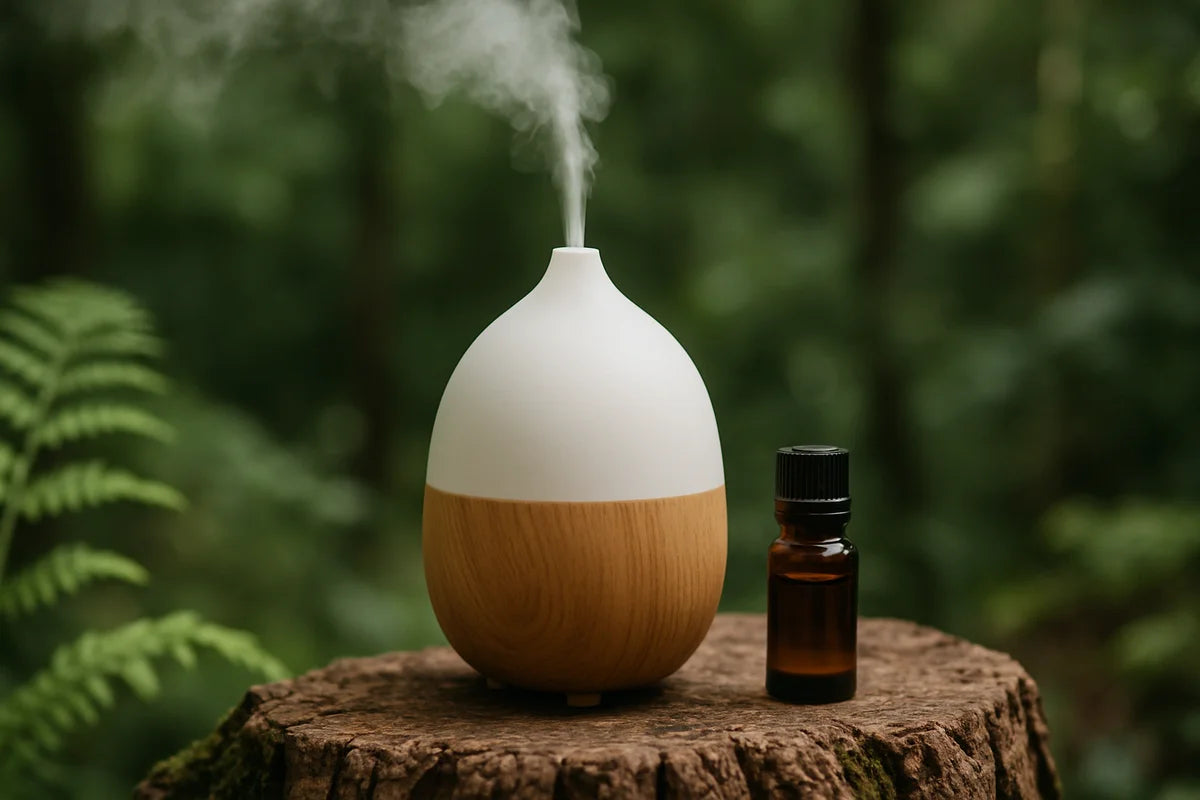
A steam diffuser sounds simple: add water, make warm mist, and let it spread through the room. But people use the term to mean a few different things. Some mean a steam humidifier. Others mean a facial steamer. Some even mean a diffuser that warms water with essential oils (which can be risky if you do it wrong).
This article clears up what a steam diffuser is, how it works, and how to get the benefits without turning your bedroom into a damp, mold-friendly cave. You’ll also get practical tips for picking one, placing it, cleaning it, and deciding if warm steam even makes sense for you.
What is a steam diffuser (and what is it not)?

Most shoppers use “steam diffuser” to describe a device that releases warm, visible mist. In plain terms, that’s a steam humidifier or warm mist humidifier. It heats water until it turns into steam, then vents that steam into the air.
It’s easy to mix up three common devices:
- Warm mist humidifier (often called a steam diffuser): boils water and releases warm mist.
- Cool mist humidifier: uses a fan or ultrasonic vibration to send cool mist into the air.
- Aromatherapy diffuser: disperses essential oils, usually with cool mist (ultrasonic) or evaporation, and sometimes with heat.
If your goal is comfort in dry air, you’re really shopping for a humidifier. If your goal is scent, you want a diffuser. Some devices do both, but the combo can create extra cleaning issues and can shorten the life of the unit.
How a steam diffuser works

A steam diffuser heats water with an internal element. As the water boils, the device releases steam through a vent. Many models include a mineral “demineralization” cartridge or pad because boiling leaves minerals behind as scale.
Warm mist vs cool mist: the real differences
Both types raise humidity. The big differences come down to heat, noise, and maintenance.
- Warm mist can feel soothing in winter because the mist is warm. It often runs quieter since it doesn’t need a fan.
- Cool mist uses less electricity in many cases and avoids burn risk, but it can be louder depending on design.
- Both need regular cleaning. Warm mist units can build scale faster because of boiling.
For a straight overview of indoor humidity and why it matters, the EPA’s indoor air quality resources offer a solid starting point.
When a steam diffuser can help (and when it won’t)

Warm steam can make a room feel more comfortable when the air is dry. That comfort can show up as less scratchy throat, fewer static shocks, and skin that doesn’t feel as tight. But it’s not a cure-all. It doesn’t “clean” air. It won’t remove allergens. And it can make some problems worse if you push humidity too high.
Dry air comfort, especially in winter
Heating systems dry indoor air. If your home sits under 30% relative humidity for weeks, you’ll likely feel it. A steam diffuser can raise humidity in a bedroom overnight, which many people find helps with dry nose and lips.
Congestion and cough: what warm mist can and can’t do
People often reach for warm mist when they’re stuffed up. Humid air can ease irritation, and the warmth can feel calming. Still, results vary. Some people do better with cool mist. The bigger win is usually staying in a safe humidity range and keeping the unit clean so it doesn’t add microbes to the air.
For guidance on humidity targets, CDC resources discuss indoor environmental factors and infection control practices in broader terms, including why ventilation and moisture control matter.
When warm steam is a bad idea
- If you have a toddler who can reach the unit, burn risk matters. Choose cool mist or place the unit where it can’t be touched.
- If you already fight condensation on windows, musty smells, or visible mold, adding more moisture can backfire.
- If you have dust mite allergies, high humidity can increase mite growth in bedding and carpets.
Getting humidity right: the sweet spot most homes miss
Humidity is a Goldilocks problem. Too low feels harsh. Too high invites mold and mites.
Many building scientists recommend keeping indoor relative humidity around 30% to 50% for comfort and moisture control. You don’t need to guess. Buy a small hygrometer and check the room where you run your steam diffuser.
For a deeper explanation of humidity levels and comfort, ASHRAE guidance is widely used in building and indoor air standards.
Quick signs you’re over-humidifying
- Condensation on windows in mild weather
- Musty odors, especially in closets
- Damp bedding or a clammy feeling in the room
- New spots of discoloration near vents, corners, or exterior walls
How to choose a steam diffuser that fits your space
Ignore marketing claims and focus on a few practical specs. A steam diffuser can work well, but only if it matches your room size and you’re willing to maintain it.
1) Room size and output
Check the listed coverage area, but treat it as a rough number. A “400 square foot” unit may struggle in a leaky old house or in a room with the door open.
- For a bedroom, most people do well with a small to mid-size unit aimed at one room.
- For open layouts, you may need two units or a whole-house system.
2) Controls that make daily use easier
- Built-in humidistat: the unit cycles to hold a set humidity level.
- Multiple output settings: helps prevent over-humidifying at night.
- Auto shutoff: shuts down when the tank is empty.
- Easy-fill tank: you’ll refill it often in dry seasons.
3) Water type and mineral handling
If your tap water is hard, steam units scale up fast. Look for a model with:
- A demineralization cartridge or pad
- Easy access to the heating chamber for descaling
- Clear cleaning instructions and available replacement parts
If you want to understand what “hard water” means in your area, practical tools like the USGS explanation of water hardness can help you decide if distilled water is worth it.
4) Noise and sleep
Many steam diffusers run quietly, but some click as they heat or cycle. If you’re a light sleeper, look for real user reviews that mention nighttime use.
Where to place a steam diffuser for best results
Placement affects comfort and also protects your home.
- Keep it a few feet from the bed so you don’t breathe a stream of hot mist.
- Don’t aim steam at walls, curtains, or wooden furniture. Moisture can warp finishes.
- Set it on a water-resistant surface. A small tray helps.
- Keep it away from electronics, books, and paper.
- Leave some space around the unit so steam can spread, not pool.
If you see condensation on nearby windows after running it for a few hours, lower the output or shorten run time.
Essential oils and steam diffusers: proceed with care
Many people want scent plus humidity. It can work, but you need to be picky about the device.
Check the manufacturer’s rules first
Some steam humidifiers warn against essential oils because oil can damage plastic parts, coat sensors, and leave residue that’s hard to clean. If the manual doesn’t allow oils, don’t add them.
Don’t heat oils in random containers
Heated oils can irritate airways, especially in small rooms. Pets can be sensitive too. If aromatherapy matters to you, consider a separate cool-mist diffuser designed for oils, and keep humidity control separate.
For a balanced overview of what essential oils can and can’t do, and safety considerations, NCCIH’s essential oils page is a good reality check.
Cleaning and maintenance: the part that decides if it’s worth owning
A steam diffuser that isn’t cleaned becomes a science project. Warm water and mineral scale create a friendly setup for buildup. Even if the device boils water, the tank and surfaces still collect residue.
A simple weekly routine
- Unplug the unit and let it cool fully.
- Empty the tank and rinse it with clean water.
- Descale the heating chamber using the method in your manual. Many brands allow white vinegar, but follow their ratios and soak times.
- Rinse again until you can’t smell vinegar.
- Let parts dry before reassembling, if the design allows it.
Daily habits that cut problems fast
- Don’t leave water sitting in the tank for days.
- Refill with fresh water each use.
- Use distilled water if scale becomes a constant battle.
How to spot scale and why it matters
Scale looks like white or tan crust near the heating element or inside the tank. It reduces efficiency and can make the unit noisier. Over time, it can shorten the device’s life.
If you want step-by-step cleaning visuals from a home maintenance angle, sources like This Old House home care guides often explain the basics in plain language.
Steam diffuser safety: burns, moisture damage, and indoor air
Warm mist feels comforting, but heat changes the safety picture.
Burn prevention
- Keep the unit out of reach of kids and pets.
- Don’t carry it while it’s running.
- Place the cord so no one trips and pulls it down.
Protecting your home from too much moisture
If you rent, watch corners, closets, and exterior walls. These spots cool down more, which makes moisture collect. If you own, the same rule applies, plus you should watch attic access doors and window frames.
Use a hygrometer and set a hard limit for yourself. If the room hits 50% to 55% and stays there, dial it back.
Don’t treat humidity as air cleaning
A steam diffuser adds moisture. It doesn’t remove smoke, pet dander, or cooking particles. If you need air cleaning, you’re looking for a HEPA air purifier and better ventilation, not more humidity.
Common mistakes people make with steam diffusers
- Running it all night with no humidity target, then wondering why windows sweat.
- Using hard tap water and never descaling.
- Putting it right next to the bed and waking up with a damp pillow.
- Adding essential oils to a unit that isn’t designed for them.
- Cleaning only the tank and ignoring the heating area where scale builds.
Where to start: a simple setup that works for most homes
If you want the benefits of a steam diffuser without the headaches, keep it basic.
- Buy a steam diffuser sized for one room, plus a cheap hygrometer.
- Set a humidity target of 40% to start.
- Run it for 1-2 hours and check humidity and windows.
- Adjust output until you get comfort without condensation.
- Pick one cleaning day each week and stick to it.
Once you’ve nailed one room, you can decide if you want a second unit, a larger console humidifier, or a whole-house solution tied into HVAC.
Looking ahead: smarter humidity without the guesswork
Steam diffusers are getting simpler to live with. Better sensors, auto shutoff features, and easier-clean designs take some friction out of daily use. The bigger shift, though, is how people manage indoor air as a system: humidity, ventilation, and filtration together.
If you already own a steam diffuser, your next step is to pair it with measurement. A hygrometer and a weekly clean beat any fancy feature. If you don’t own one yet, start by checking your winter humidity for a week. When the numbers stay low and the room feels dry, a well-chosen steam diffuser can earn its spot on the nightstand, as long as you run it with care.