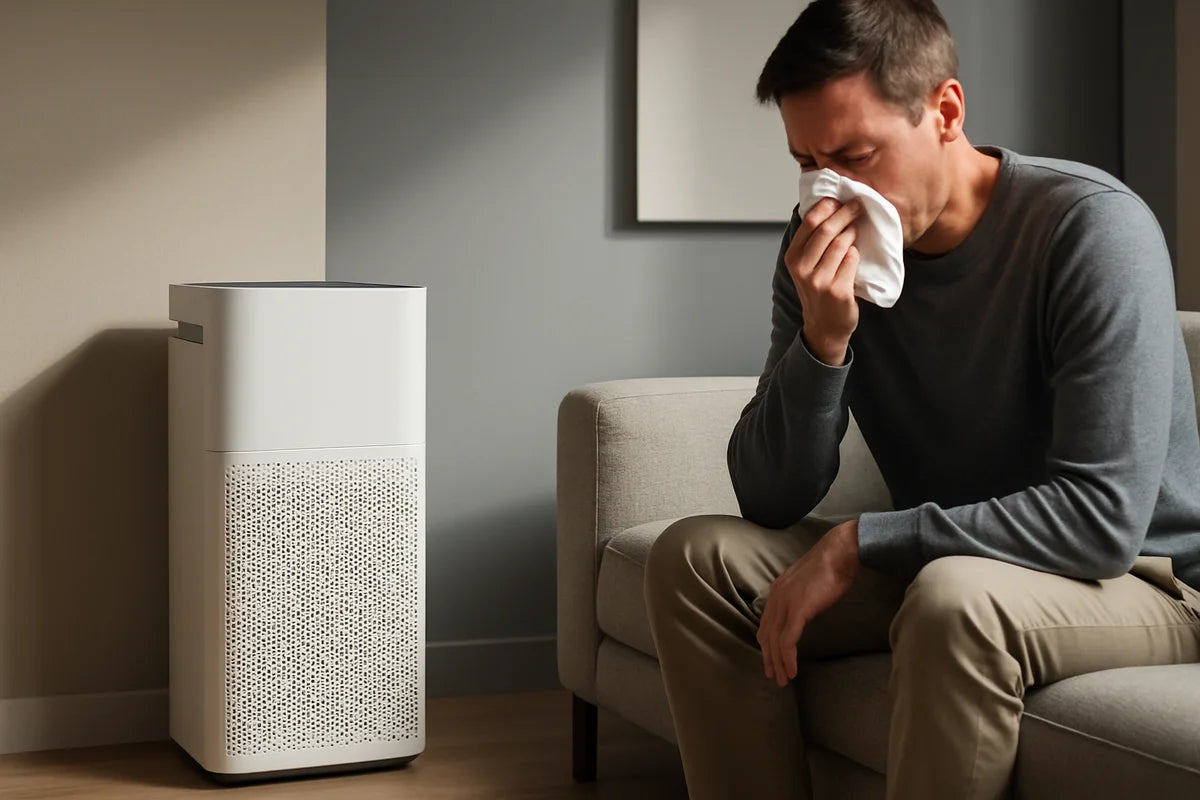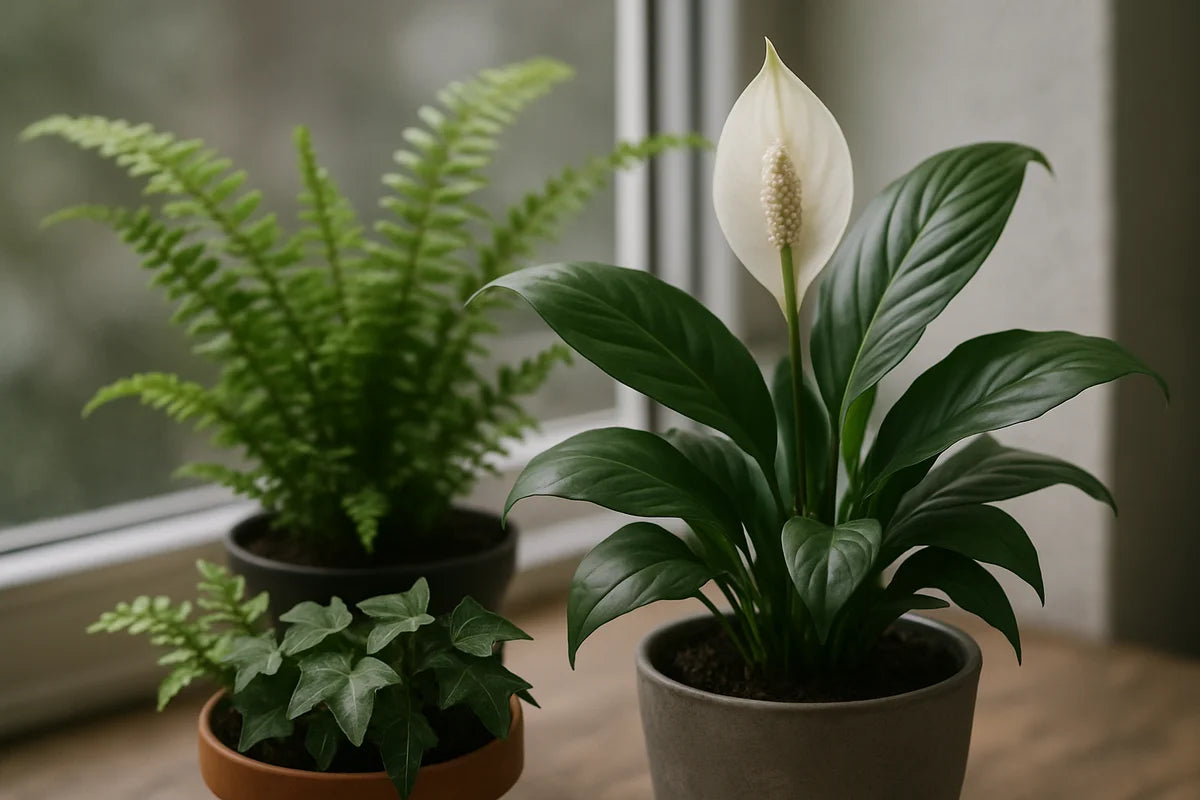
If you deal with sneezing, itchy eyes, or that clogged-up feeling at home, you’ve probably looked at air purifiers, filters, and cleaning routines. But what about plants? Can the best plants for reducing allergens in small spaces actually help?
They can help a bit, in the right way, and with the right expectations. Plants won’t “solve” allergies on their own, and some plants can make symptoms worse if you pick the wrong ones or care for them poorly. Still, a small, well-chosen set of low-pollen, easy-care plants can support cleaner-feeling indoor air, add moisture in dry rooms, and make you more likely to keep your space tidy and ventilated.
This guide focuses on what works in small homes, studio apartments, bedrooms, and offices: plants that fit, don’t shed pollen everywhere, and won’t demand a greenhouse setup.
First, a quick reality check on plants and allergens
Houseplants often get marketed as natural air cleaners. The famous NASA study did show some plants can remove certain chemicals in controlled conditions, but your living room isn’t a sealed lab box. For a grounded take on indoor air quality, start with the EPA’s indoor air quality guidance.
So what can plants do?
- Trap some dust on leaf surfaces (you still need to wipe them).
- Support humidity in dry seasons, which can ease irritated noses for some people.
- Encourage better routines like opening windows, wiping surfaces, and paying attention to damp spots.
And what can plants do wrong?
- Grow mold in soggy soil, which can trigger symptoms fast.
- Collect dust if you never clean the leaves.
- Release pollen (some species do, especially if they flower indoors).
If your allergies are severe, treat plants as one small part of your plan, not the plan. Medical groups like AAAAI’s indoor allergen overview give a clearer picture of what usually drives indoor symptoms: dust mites, pet dander, mold, and pests.
What makes a plant “allergy-friendly” in a small space?
The best plants for reducing allergens in small spaces share a few traits. Use these as your filter before you buy anything.
Low pollen, low fragrance, low drama
Pollen and strong scents can irritate sensitive noses. Many indoor plants rarely flower indoors, which helps. When you do see flowers, they’re often the point where people start reacting.
Leaves you can clean in 30 seconds
Broad, smooth leaves are easy to wipe with a damp cloth. Hairy leaves hold dust and feel like a chore. In a small space, chores pile up quickly.
Roots that hate swampy soil
Overwatering is the top way people turn a plant into a mold farm. If you’re allergy-prone, you want plants that forgive missed waterings more than they forgive constant wet soil.
Compact growth and predictable size
A small space can’t handle a plant that doubles in size and blocks airflow. Look for plants that stay neat with light pruning or naturally grow slowly.
Best plants for reducing allergens in small spaces
Here are strong picks that tend to be low-pollen indoors, easy to keep clean, and manageable in tight rooms. No plant is perfect for everyone, but these are solid starting points.
Snake plant (Sansevieria, now Dracaena trifasciata)
Snake plants handle low light, irregular watering, and small pots. Their upright leaves don’t take up much floor space, which matters in a studio or bedroom.
- Why it fits small spaces: tall and narrow, works on the floor or a stand
- Allergy angle: less likely to flower indoors, easy to wipe dust off
- Care tip: let soil dry out fully before watering again
If you have pets, check toxicity before you place it where an animal can chew. The ASPCA plant safety database is the easiest reference.
ZZ plant (Zamioculcas zamiifolia)
The ZZ plant is hard to kill, which makes it useful if you’re focused on allergy control and don’t want a high-maintenance hobby.
- Why it fits small spaces: compact footprint, slow growth
- Allergy angle: waxy leaves are easy to clean
- Care tip: overwatering is the main risk, so go light
Spider plant (Chlorophytum comosum)
Spider plants stay light and flexible. You can hang one near a window and keep surfaces below it clear. They also produce “babies” you can pot up if you want more plants without more shopping.
- Why it fits small spaces: great in hanging pots, shelves, and corners
- Allergy angle: generally low pollen indoors, easy care
- Care tip: rinse leaves occasionally to remove dust
Parlor palm (Chamaedorea elegans)
If you want a softer look than spiky leaves, parlor palms work well. They stay fairly compact and do fine in medium light.
- Why it fits small spaces: slow growing and apartment-friendly
- Allergy angle: palms often show up on lists of lower-allergen houseplants, and they don’t usually perfume a room
- Care tip: don’t keep the soil wet; aim for lightly moist, not soggy
Rubber plant (Ficus elastica)
Rubber plants have big, smooth leaves that you can wipe clean fast. That matters because dust is a common trigger, and dusty leaves don’t help.
- Why it fits small spaces: you can keep it as a small tree with pruning
- Allergy angle: leaves act like dust collectors, but only if you clean them
- Care tip: rotate the pot so it grows evenly toward light
Some people react to latex, and ficus sap can irritate skin. If you notice itching while pruning, wear gloves and wash up right after.
Pothos (Epipremnum aureum)
Pothos is a practical plant for small spaces because it climbs or trails. That means you can use vertical space instead of filling the floor.
- Why it fits small spaces: perfect for shelves and wall planters
- Allergy angle: rarely flowers indoors, leaves wipe clean
- Care tip: trim leggy vines and propagate in water if you want a fuller plant
Peace lily (Spathiphyllum) with a caution
Peace lilies often get recommended for air quality, and they can work in small spaces because they stay compact. But they also come with two big warnings: they can develop mold if you overwater, and they’re toxic to pets.
- Why it fits small spaces: compact, tolerant of lower light
- Allergy angle: can help you maintain a “green” humidity level, but you must avoid soggy soil
- Care tip: water when the top inch of soil feels dry, and empty the saucer
If you want a deeper look at what houseplants can and can’t do for air, Harvard Health’s take on houseplants and indoor air is a good reality check.
Plants to avoid if you’re trying to reduce allergens
You don’t need to fear every flower, but a few categories tend to cause trouble indoors, especially in tight rooms where irritants build up faster.
Strongly scented blooms
Heavy fragrance can trigger headaches or irritation even when pollen isn’t the main issue. If you smell it across the room, be cautious in a small space.
Plants that shed lots of pollen or fluffy bits
Some indoor gardeners bring in flowering plants that drop pollen onto surfaces. If you love flowers, keep them on a balcony or outdoors when possible.
Anything that stays wet for long periods
If the plant “likes” constantly wet soil, you’re more likely to grow mold in the potting mix. Mold is a common indoor trigger. The CDC’s mold resources explain why damp indoor environments cause problems and what to do about them.
How to set up plants so they don’t become allergen machines
A good plant choice helps, but your setup matters more. In small spaces, little mistakes add up.
Use the right pot and soil
- Pick pots with drainage holes. No holes, no deal.
- Use a saucer and empty it after watering.
- Choose a light potting mix, not heavy garden soil.
- If you tend to overwater, add perlite to improve drainage.
Water with a schedule based on soil, not a calendar
Stick a finger into the soil. If the top inch feels dry, water. If it feels damp, wait. This one habit cuts the risk of mold fast.
Wipe leaves often, not “sometimes”
If you want the best plants for reducing allergens in small spaces to do their small part, you need clean leaf surfaces. Set a simple rule: wipe leaves every week or two, and rinse smaller plants in the shower once a month.
- Use a damp microfiber cloth.
- Support the leaf with your hand so you don’t snap it.
- Skip leaf shine products. They can trap grime and irritate sensitive people.
Keep plants away from bedding and air vents
In a bedroom, don’t place plants right next to your pillow or directly under the HVAC vent. Airflow can blow dust off leaves and into your breathing zone. Put plants a few feet away and keep the area around them easy to clean.
Top-dress to cut down on mold and gnats
Fungus gnats and mold often start at the soil surface. You can reduce this by letting the top layer dry and adding a thin top-dress layer.
- A thin layer of horticultural sand can help keep the surface drier.
- Small pebbles can help too, but don’t make the layer thick.
- If gnats show up, use yellow sticky traps and reduce watering.
For a practical, plant-specific care reference, the Royal Horticultural Society houseplant guides are clear and easy to follow.
Small-space placement ideas that keep air and floors cleaner
Placement affects how much dust and moisture builds up. It also decides whether plants feel calming or cluttered.
Go vertical with one trailing plant
A single pothos or spider plant on a high shelf keeps floor space open. It also makes vacuuming and mopping easier, which matters more for allergens than any plant claim.
Use a “two-zone” rule
Pick one zone for plants (near a bright window) and keep the rest of the room plant-free. You’ll clean faster, and you won’t knock pots over in tight walkways.
Keep one easy-care plant near your entry
Why? It nudges you to check humidity, open a window, and wipe dust before it spreads. Habits beat hacks in small spaces.
Extra steps that make plants work better for allergy control
Plants help most when you pair them with basics that reduce allergens at the source.
Ventilation and filtration
If you can, crack a window for a few minutes each day, especially when you cook or shower. If you use HVAC, choose a filter that fits your system and change it on time. For a practical overview, see Energy Vanguard’s explanation of MERV ratings.
Moisture control
Humidity that’s too low can dry out your nose. Humidity that’s too high can feed dust mites and mold. Many homes do well around 30-50% relative humidity, but your climate matters. If you want to measure instead of guess, a small hygrometer costs little and reduces trial and error.
Clean like an allergic person, not a minimalist influencer
- Vacuum with a HEPA filter if you can.
- Wash bedding weekly in hot water if dust mites bother you.
- Don’t let clutter collect dust around pots and stands.
Where to start if you want results without more work
If you’re picking your first set of the best plants for reducing allergens in small spaces, keep it simple. Two or three plants beat ten plants you can’t maintain.
- Choose one upright plant (snake plant or ZZ plant) for a corner.
- Add one trailing plant (pothos or spider plant) on a shelf.
- Buy pots with drainage and a basic potting mix.
- Set a leaf-wipe reminder every two weeks.
- Watch for mold smells, gnats, or soggy soil and adjust fast.
Over time, you’ll learn what your space supports: light levels, your watering habits, and which plants stay clean with little effort. If you build around that, you’ll get the benefits plants can offer without adding a new allergy problem. And once the routine feels easy, you can experiment with one new plant at a time instead of gambling on a whole “indoor jungle” that’s hard to keep clean.