If you have allergies, you already know the pattern: you clean the house, you feel fine for a day, then the sneezing and itchy eyes come back. That’s because most allergy triggers don’t show up as “dirt.” They ride on tiny particles, cling to fabrics, and drift through your air every time you walk across the room.
The good news is that improving air quality for allergy sufferers isn’t mysterious. It’s mostly about controlling particles, moisture, and airflow. This article breaks it down into practical steps you can start today, plus upgrades that make sense if you have the budget.
What’s really in your indoor air?

Indoor air can hold a mix of allergy triggers and irritants. Some come from outside and drift in. Others build up inside because homes are sealed tighter than they used to be.
Common allergy triggers indoors
- Pollen (tracked in on shoes, pets, clothing, and through open windows)
- Dust mites (they thrive in bedding, carpets, and soft furniture)
- Pet dander (tiny skin flakes and saliva proteins that stick to surfaces)
- Mold spores (often from damp bathrooms, basements, or leaks)
- Cockroach allergens (more common in multi-unit buildings, but possible anywhere)
Irritants that can make symptoms worse
- Smoke (tobacco, wildfire, candles, fireplaces)
- Strong fragrances (air fresheners, scented cleaners, some laundry products)
- Cooking fumes (especially frying and gas stoves without good ventilation)
- Volatile organic compounds (VOCs) from paints, new furniture, and some floorings
If you want a solid overview of what affects indoor air, the EPA’s indoor air quality guide is a helpful reference.
Start with the basics: reduce what gets into the air
Air cleaners matter, but source control matters more. If you cut the amount of allergens entering and building up, you’ll need less “cleanup” later.
Build a simple entry routine
- Take shoes off at the door to reduce pollen and fine dust tracked in from outside.
- Add a washable doormat and clean it often.
- If pollen hits you hard, change clothes after being outside and don’t sit on the bed in outdoor clothes.
Make your bedroom a low-allergen zone
You spend a third of your day there, so small changes pay off fast.
- Wash sheets and pillowcases weekly in hot water when fabrics allow.
- Use zippered allergen covers on pillows and the mattress.
- Keep extra blankets and stuffed items to a minimum.
- If you can, keep pets out of the bedroom. If you can’t, at least keep them off the bed.
For practical guidance on allergy-proofing, the American College of Allergy, Asthma & Immunology’s home tips are clear and realistic.
Filter smarter: HVAC filters and portable air cleaners
Filtration is one of the most direct ways of improving air quality for allergy sufferers, but only if you pick the right filter and use it correctly.
Choose the right HVAC filter (and replace it on time)
Your central HVAC system can act like a whole-house air cleaner, but the filter has to match your system.
- Look for a filter with a MERV rating that your system can handle. Many homes do well with MERV 11-13, but some systems can’t push enough air through higher ratings.
- Replace filters on schedule. If you have pets, allergies, or wildfire smoke, you may need to replace them more often than the label suggests.
- Make sure the filter fits snugly so air can’t bypass it.
If you’re not sure what your system can handle, ask an HVAC tech. A filter that’s “too strong” for the blower can reduce airflow and comfort.
Use a portable HEPA air cleaner where you live
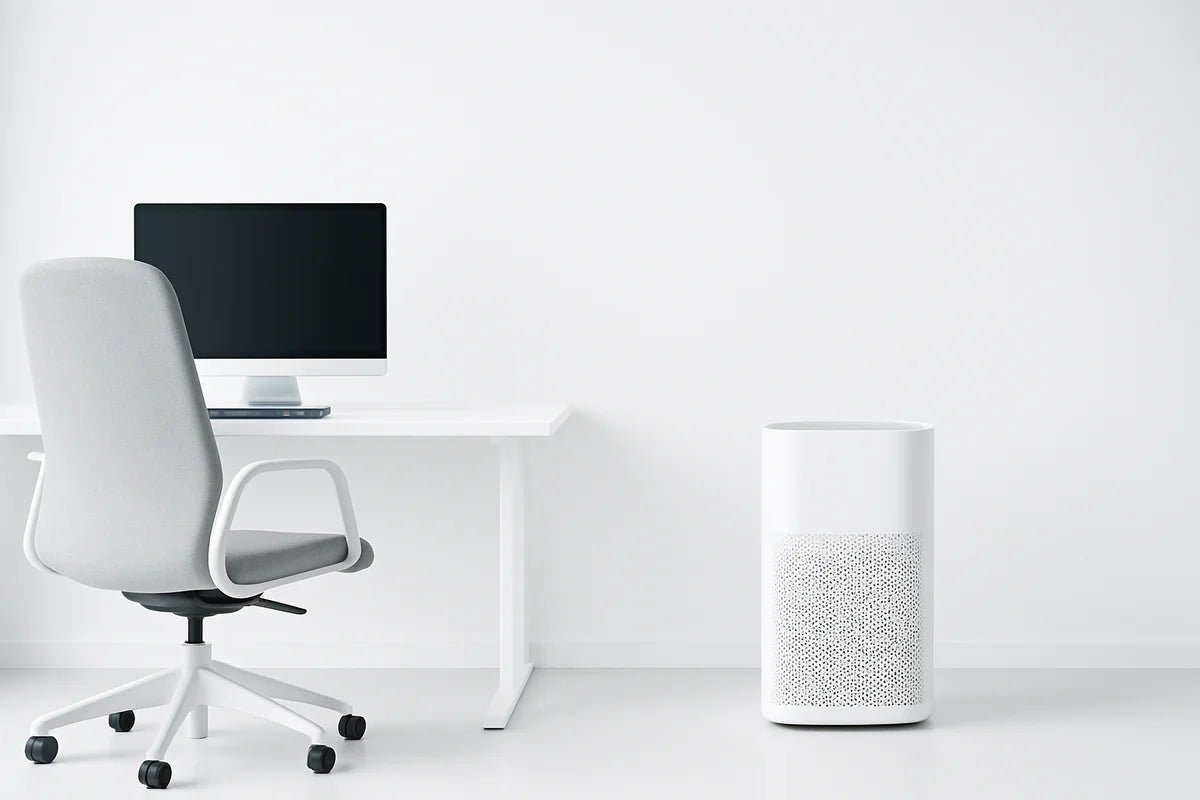
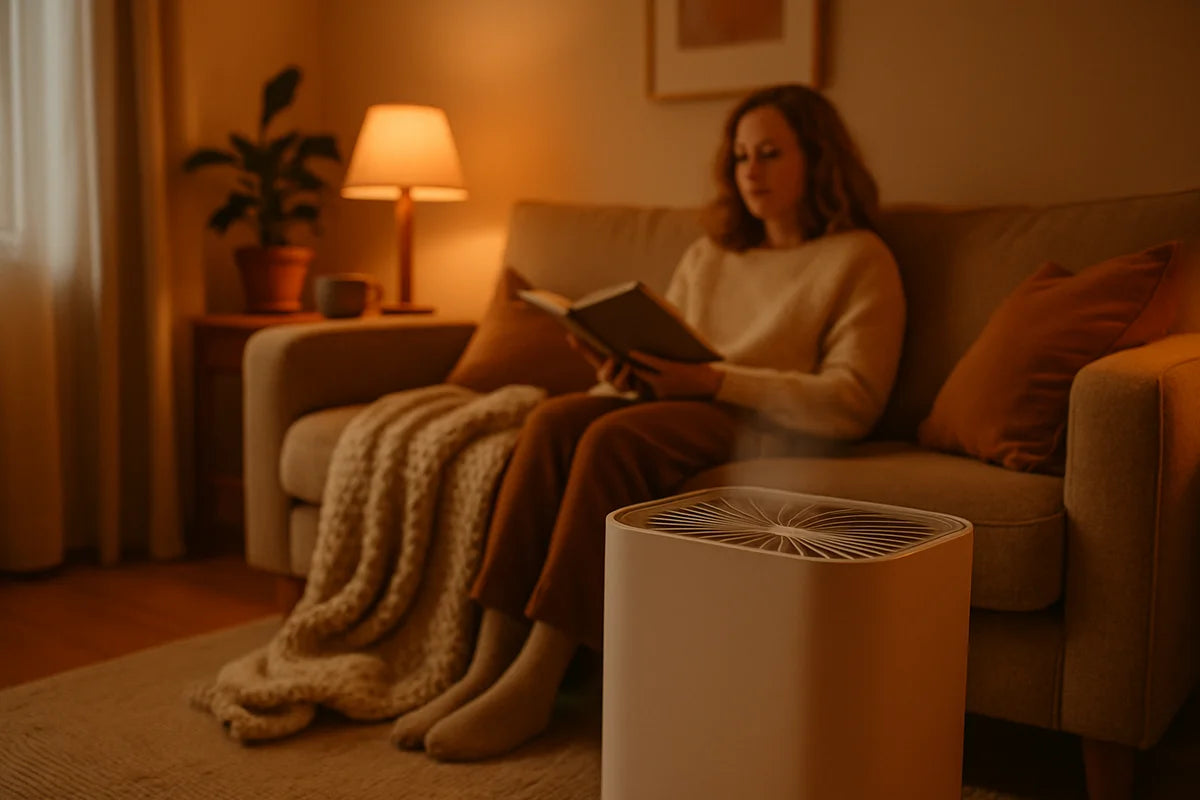
A portable air cleaner can help most in the rooms you use most: the bedroom and the main living space.
- Pick a true HEPA unit for particles (pollen, dander, dust). “HEPA-like” is marketing, not a standard.
- Match the unit to the room size. Check the CADR (clean air delivery rate) and the manufacturer’s room-size guidance.
- Run it consistently. Turning it on only when symptoms flare often isn’t enough.
- Place it where airflow isn’t blocked, not tucked behind furniture.
If you want a plain-English breakdown of what to look for, Wirecutter’s air purifier testing and picks can help you compare real-world performance and upkeep costs.
Control humidity to fight dust mites and mold
Humidity is a big deal for allergies. Dust mites thrive in humid conditions, and mold needs moisture to grow. You don’t have to guess, though. Measure it.
Target a safe indoor humidity range
Aim for around 30% to 50% relative humidity for most homes. Below that can dry your nose and throat. Above that invites mites and mold.
- Buy a cheap hygrometer (humidity meter) for the bedroom and basement.
- Use a dehumidifier in damp basements or humid climates.
- Use bath fans during showers and run them long enough to clear steam.
For a deeper look at humidity and health, CDC guidance on dampness and mold explains why moisture control matters so much.
Fix water issues fast
- Repair leaks under sinks, around toilets, and near water heaters.
- Dry wet carpets or padding quickly after spills or flooding. If it stays wet, remove it.
- Keep gutters and downspouts directing water away from the house.
Clean in a way that removes allergens instead of spreading them
Some cleaning habits make the air worse. Dry dusting can toss particles right back into the room. The goal is to trap allergens and remove them.
Vacuum with the right setup
- Use a vacuum with a sealed system and a HEPA filter, especially if you have wall-to-wall carpet.
- Vacuum slowly. Fast passes leave a lot behind.
- If vacuuming triggers symptoms, wear a well-fitting mask or ask someone else to do it.
Dust with a damp approach
- Use a damp microfiber cloth to trap dust instead of lifting it into the air.
- Clean high surfaces (fans, shelves) before low surfaces so you don’t redo work.
Wash fabrics that hold allergens
- Wash throw blankets and cushion covers regularly.
- Clean curtains or switch to washable options.
- If you can, reduce extra pillows and fabric clutter in sleeping areas.
Ventilation: let bad air out without pulling more allergens in
Fresh air helps, but “open a window” isn’t always the right move when pollen counts spike or wildfire smoke drifts in. Good ventilation means controlled ventilation.
Use exhaust fans the right way
- Run the bathroom fan during showers and for 20-30 minutes after.
- Use the kitchen range hood every time you cook, especially when searing or frying.
- If your hood vents back into the room, consider upgrading to one that vents outdoors if possible.
Know when to open windows
- Check pollen and air quality reports before airing out the house.
- In high pollen seasons, keep windows closed during peak times and ventilate during lower-count hours if you must.
To time ventilation better, use a local air quality tool like AirNow’s AQI maps and forecasts. It’s simple and reliable.
Allergies by source: quick fixes that work
Different triggers need different tactics. If you guess wrong, you can spend money and still feel awful.
If pollen is the main problem
- Shower before bed to rinse pollen off hair and skin.
- Dry clothes in a dryer, not on an outdoor line during pollen season.
- Use a HEPA air cleaner in the bedroom and keep windows shut on high pollen days.
If dust mites drive your symptoms
- Use mattress and pillow encasements.
- Wash bedding weekly.
- Lower humidity with a dehumidifier or better ventilation.
- Consider replacing old pillows and heavily used fabric items that can’t be washed well.
If pet dander is the big trigger
- Create pet-free zones, starting with the bedroom.
- Brush pets outside and wash pet bedding often.
- Use a HEPA air cleaner near the main pet hangout area.
- Vacuum with a sealed HEPA vacuum and keep floors as bare as you can.
If mold is the issue
- Find the moisture source first. Cleaning without fixing moisture just buys time.
- Scrub small spots on hard surfaces with appropriate cleaners and dry the area fully.
- Call a pro for large areas, recurring growth, or if the mold is inside walls or HVAC ducts.
If you suspect mold but can’t pin down the cause, InterNACHI’s mold and moisture guidance offers a practical overview of what to look for before you spend money on tests.
Hidden offenders: products and habits that keep allergies going
Sometimes the problem isn’t what you’re not doing. It’s what you’re doing every day without thinking.
Skip added fragrance where you can
- Swap scented sprays and plug-ins for basic ventilation and cleaning.
- Choose unscented laundry products if smells seem to set you off.
Be careful with “ozone” and ionizers
Some devices sold as air cleaners create ozone or other reactive byproducts. That can irritate lungs, especially if you have asthma. Stick with HEPA filtration for particles and activated carbon if odors are a real issue.
Don’t burn what you can avoid
- Limit candles and incense if you notice throat or eye irritation.
- If you use a fireplace or wood stove, maintain it and ensure proper venting.
Room-by-room checklist for improving air quality
If you want a quick plan, use this. You don’t need to do it all at once. Start with the bedroom, then move outward.
Bedroom
- HEPA air cleaner sized for the room
- Mattress and pillow encasements
- Wash bedding weekly
- Keep pets out (or at least off the bed)
- Keep humidity in range
Living room
- Vacuum with sealed HEPA vacuum
- Reduce extra throws and dusty decor
- Replace or clean HVAC filter regularly
- Consider a second HEPA unit if you spend most of your day here
Kitchen
- Use the range hood every time you cook
- Clean grease and dust that can trap particles
- Fix leaks under the sink fast
Bathroom
- Run exhaust fan during showers and after
- Keep surfaces dry where you can
- Address peeling caulk and chronic damp spots
Basement or laundry area
- Dehumidifier if needed
- Store items in sealed bins, not open cardboard
- Watch for damp walls, musty smells, and slow leaks
When upgrades are worth it
If you’ve handled cleaning, humidity, and filters but still struggle, it may be time to improve the “bones” of your air system.
Consider a mechanical ventilation upgrade
In tighter homes, an ERV or HRV system can bring in fresh air while controlling humidity and reducing stale air buildup. It’s not a DIY job, but it can help if indoor air feels heavy or you deal with recurring moisture.
Seal obvious leaks and tune airflow
- Seal gaps around doors and windows to reduce outdoor allergens drifting in.
- Make sure supply and return vents aren’t blocked by furniture.
- Get HVAC maintenance before peak heating and cooling seasons.
Where to start this week
If you want the fastest payoff, do these in order:
- Set up the bedroom: encase the mattress and pillows, wash bedding, and keep pets off the bed.
- Check humidity with a hygrometer and correct it if you’re above 50%.
- Replace your HVAC filter and set a reminder to change it again.
- Add a HEPA air cleaner to the bedroom and run it daily.
- Change how you clean: damp dusting and slow HEPA vacuuming.
After a couple of weeks, reassess. Are symptoms better at night but not during the day? Add filtration in the living area. Still getting hit after showers or in the basement? Focus on moisture and ventilation. Improving air quality for allergy sufferers works best when you treat it like a simple system: reduce sources, filter what’s left, and keep humidity under control. Once those habits are in place, you’ll spend less time chasing flare-ups and more time feeling normal in your own home.