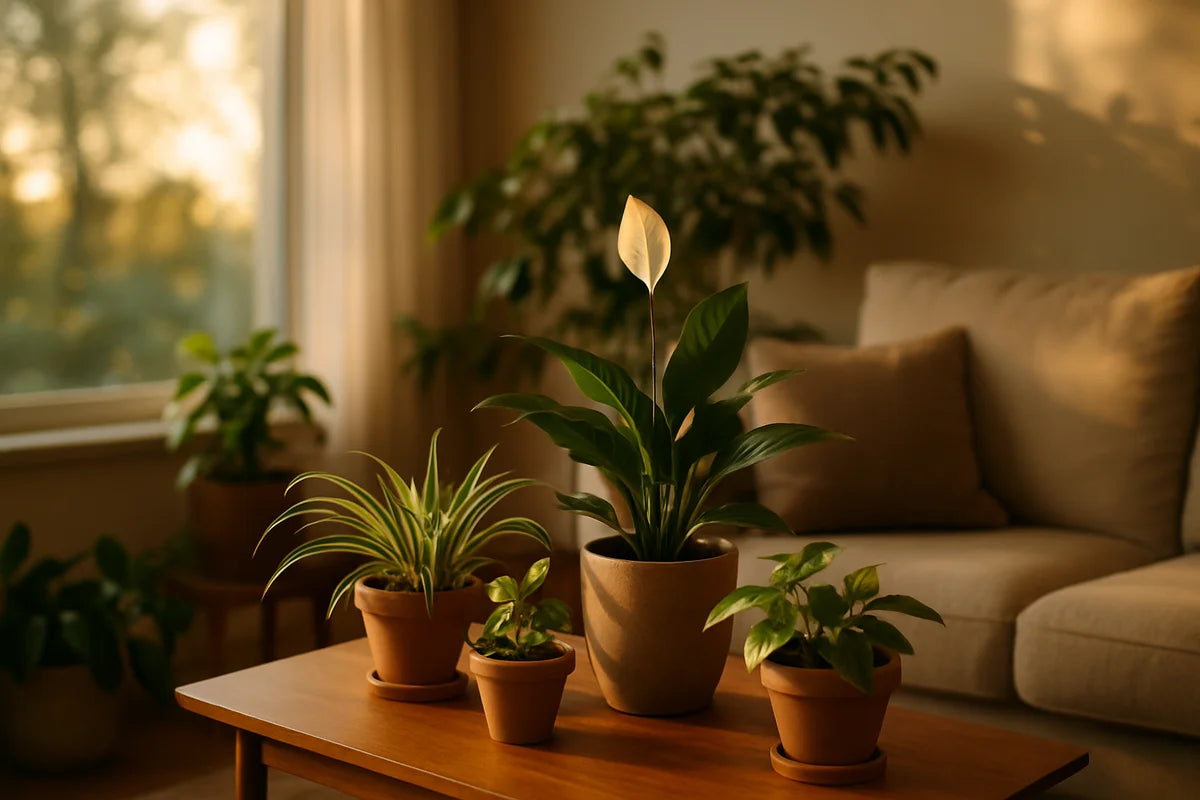
Allergy season can make your home feel like the one place you can’t fully relax. You shut the windows, wash the sheets, run the vacuum, and still wake up stuffy. Indoor plants won’t “cure” allergies, but they can help you prepare your home for allergy season in a practical way.
The trick is to use plants as part of an indoor air plan, not as a magic fix. Choose low-pollen, low-mold options, keep soil and leaves clean, and pair plants with the basics that matter most: ventilation, filtration, and humidity control. Do that, and you can make your home feel calmer on the days when pollen counts spike.
What indoor plants can and can’t do for allergies

Let’s be blunt: if you’re allergic to tree or grass pollen, a spider plant won’t stop your immune system from reacting. But indoor plants can still support a cleaner-feeling space in three useful ways.
- They can trap dust on leaves, which helps if you clean the leaves often.
- They can support healthy humidity when you water them well (within limits).
- They can push you toward better habits like routine cleaning and airflow, because plants make problems like dust and stagnant air more obvious.
You’ll also see big claims online about plants “purifying” air. The well-known NASA study is real, but it tested plants in sealed chambers, not normal homes. For real rooms, filtration and ventilation do most of the heavy lifting. If you want a grounded overview of what improves indoor air, start with the EPA’s guide to indoor air quality.
The allergy risks people forget about
Some plant setups can make allergies worse. Watch for these common issues:
- Mold growth in damp soil or drip trays
- Dust buildup on broad leaves
- Strong fragrances from flowering plants
- Pests like fungus gnats, which thrive in wet soil
If your allergies flare after you bring plants home, it’s usually one of those problems, not the plant “air” itself.
Start with the allergy basics before you add plants

If you want to prepare your home for allergy season with indoor plants, set the foundation first. Otherwise you’ll end up caring for plants in a dusty, humid room that keeps irritating your nose.
Control humidity so mold doesn’t get a head start
Most allergy-friendly homes sit in a moderate humidity range. Too dry can irritate your nose. Too humid invites mold and dust mites. The CDC’s mold guidance focuses on preventing moisture problems, because once mold grows, it’s hard to “plant your way” out of it.
- If you see condensation on windows, you’re likely too humid.
- If your throat feels dry every morning, you may be too dry.
- A cheap hygrometer can keep you honest.
Clean the air the simple way: filter and ventilate
Plants work best as a small add-on to real air cleaning. Two moves matter most:
- Run a HEPA air purifier in the rooms where you sleep and spend the most time.
- Ventilate when outdoor pollen is low (often after rain, or midday depending on your area).
If you want to size a purifier correctly, use the room’s square footage and check the unit’s CADR rating. For a practical, no-nonsense way to compare models, Wirecutter’s air purifier testing is a helpful starting point.
Stop pollen at the door
This sounds basic because it is. It also works.
- Take shoes off inside.
- Put a washable mat at each entrance.
- Change clothes after yard work or a long walk.
- Rinse hair before bed if you’ve been outside a lot.
Do those things and your plants won’t have to sit in a room filled with tracked-in pollen.
Choosing indoor plants that play well with allergies
When people struggle, it’s often because they buy the wrong type of plant. Your goal is low pollen, low fragrance, and easy care so you don’t create mold.
Best indoor plants to prepare your home for allergy season
These are popular because they’re hardy, mostly non-flowering indoors, and easy to keep clean.
- Snake plant (Sansevieria/Dracaena trifasciata): tough, slow-growing, doesn’t need much water.
- Spider plant (Chlorophytum comosum): forgiving, good choice for beginners, easy to rinse off.
- Parlor palm (Chamaedorea elegans): classic low-drama palm for indirect light.
- ZZ plant (Zamioculcas zamiifolia): drought-tolerant, good for low-light corners.
- Rubber plant (Ficus elastica): broad leaves that you can wipe clean, likes steady light.
- Pothos (Epipremnum aureum): fast grower, easy to prune, simple weekly check for soil moisture.
One caution: if you have pets or small kids, check toxicity before you buy. Many common houseplants can irritate mouths or stomachs if chewed. The ASPCA’s toxic and non-toxic plant list is a solid practical reference.
Plants to avoid if you’re sensitive
You don’t need to ban every flower, but some plants make allergy season harder.
- Strongly scented flowering plants (they can irritate even if you’re not “allergic” to them).
- Plants that drop lots of pollen indoors (some orchids and lilies can be messy in small rooms).
- Ferns if you tend to overwater (they like moisture, which can push mold if you’re not careful).
If you love flowering plants, keep them in one easy-to-clean area, not in the bedroom.
Set up plants the allergy-friendly way
A plant’s benefit depends on how you keep it. A neglected plant corner can turn into a mold corner.
Use the right pot and soil to cut mold and gnats
- Choose pots with drainage holes. No holes means soggy soil and mold risk.
- Empty drip trays after watering. Don’t let water sit for days.
- Use a quality potting mix, not garden soil from outside.
- Let the top inch or two of soil dry between waterings for most common houseplants.
Fungus gnats love wet soil. If you keep seeing tiny flying bugs near your plants, you’re watering too often or your soil stays too damp.
Top-dress the soil to keep allergens down
Here are simple options that can help keep the soil surface drier and reduce gnat breeding:
- A thin layer of horticultural sand
- Small pebbles (not too thick, so water still flows)
- Coconut coir (use lightly and don’t keep it soaked)
Avoid decorative moss. It holds moisture and can encourage mold if you aren’t careful.
Place plants where they help, not where they collect dust
Good spots:
- Near a bright window where they grow steadily (healthy plants mold less).
- In rooms you use often, so you notice problems early.
- Away from vents that blow dust straight onto leaves.
Skip the “plant shelf above the bed” if you rarely dust. Dust will settle on leaves, and you’ll breathe it every night.
Cleaning routines that make indoor plants allergy-friendly
If you do one thing differently this season, do this: clean the plant, not just the room.
Wipe or rinse leaves to remove dust
Dust sticks to leaves. That’s good and bad. Good because leaves can grab airborne particles. Bad because the dust stays there until you remove it.
- Wipe broad leaves (rubber plant, snake plant) with a damp microfiber cloth every 1 to 2 weeks.
- Rinse smaller-leaf plants (spider plant, pothos) in the shower with lukewarm water once a month.
- Don’t use leaf shine products. They can trap grime and irritate sensitive people.
Watch for mold in the places you forget
- Drip trays
- Saucers under decorative pots
- The soil surface near the stem
- Humid corners behind curtains
If you smell a musty odor near a plant, fix the moisture issue first. Remove decaying leaves, swap out soggy top soil, and adjust your watering schedule.
Make plant care part of your weekly allergy reset
Pair plant care with the chores that cut allergy triggers:
- Vacuum with a HEPA vacuum or a well-sealed vacuum 1 to 2 times per week.
- Wash bedding weekly in hot water if your fabric allows.
- Dust hard surfaces with a damp cloth, not a dry duster that kicks particles up.
- Wipe plant leaves and empty drip trays the same day.
Room-by-room plan for allergy season with indoor plants
Not every room needs the same setup. Use plants where they make life easier and keep the most sensitive spaces simple.
Bedroom: keep it calm and easy to clean
Your bedroom matters most because you spend hours there with your face close to pillows and sheets.
- Pick 1 to 2 low-maintenance plants, like a snake plant or ZZ plant.
- Keep plants across the room from the bed if you’re very sensitive.
- Run a HEPA purifier at night and keep the floor clear for easy vacuuming.
If you want more detail on managing airborne allergens indoors, the AAAAI overview of indoor allergens gives a clear, medically grounded list of the usual culprits.
Living room: go bigger, but keep leaves clean
- Use larger plants like a rubber plant or parlor palm if you have the light.
- Group plants on a tray you can wipe, so you don’t get water rings and grime on wood.
- Don’t overcrowd corners. You want airflow around pots and leaves.
Bathroom: only if you can control moisture
Bathrooms tempt people because “plants love humidity.” So does mold.
- Add plants only if you use the fan and the room dries out between showers.
- Choose plants that handle swings in humidity, like pothos.
- Check ceilings and grout for mold before you add anything else that likes moisture.
Kitchen: keep it practical and low-soil
If you want greenery in the kitchen, consider setups that reduce exposed soil.
- Use a pothos in water (change water weekly and rinse the jar).
- Try a small spider plant in a well-draining pot, away from the sink splash zone.
- Avoid keeping damp herbs crowded on the windowsill if you tend to overwater.
Common mistakes when you prepare your home for allergy season with indoor plants
- Buying too many plants at once and falling behind on care
- Watering on a schedule instead of checking soil moisture
- Letting water sit in saucers
- Ignoring dust on leaves for months
- Putting plants in dark corners where soil stays wet and growth stalls
If you’re new to houseplants, start with one plant in one room and build from there. That’s how you avoid a “plant collection” that turns into a cleaning problem.
Where to start this week
If allergy season is around the corner, you don’t need a full home makeover. You need a short plan you’ll actually follow.
- Pick one easy plant (snake plant, spider plant, or ZZ plant) and place it in your living room or bedroom with decent light.
- Get drainage right: a pot with holes, a saucer you empty, and a basic potting mix.
- Add one habit: wipe leaves every other week, or rinse the plant monthly.
- Run a HEPA purifier in the bedroom for two weeks and track how you feel.
- If things improve, add a second plant and repeat the same care routine.
Over time, you’ll end up with a home that looks better, feels fresher, and stays easier to clean. That’s the real win for allergy season: fewer triggers, fewer surprises, and a setup you can keep going long after spring pollen drops.