New baby, new routines, new gear, new mess. It’s a lot. When people talk about creating a sustainable home environment for new parents, it can sound like one more job on an already long list.
But “sustainable” doesn’t have to mean perfect, pricey, or Pinterest-ready. It can mean a home that’s healthier for your baby, easier for you to run on low sleep, and lighter on your wallet and the planet. Think fewer harsh chemicals, less waste, lower energy use, and systems that make daily life smoother.
This article breaks it down into simple, practical moves you can start this week, even if you’re holding a baby in one arm.
Start with the basics of sustainability for a newborn home

A sustainable home environment for new parents has three goals:
- Reduce what your family breathes, touches, and absorbs (dust, fumes, harsh cleaners).
- Cut waste without creating more work (especially disposable baby items).
- Lower energy and water use in ways you’ll keep doing when you’re tired.
If a “green” change makes your life harder, you won’t stick with it. So aim for the sweet spot: safer, simpler, repeatable.
Indoor air quality matters more than most baby gear

Babies breathe faster than adults and spend a lot of time close to the floor where dust settles. If you want a high-impact step toward a sustainable home environment, start with air.
Ventilate on purpose, not by accident
When weather and outdoor air allow, open windows for short bursts. Cross-ventilation (two windows on opposite sides) clears stale air fast.
If you live near traffic or wildfire smoke, you’ll need a different plan. The EPA’s indoor air quality guidance is a solid place to learn what helps and what’s hype.
Use filtration where it counts
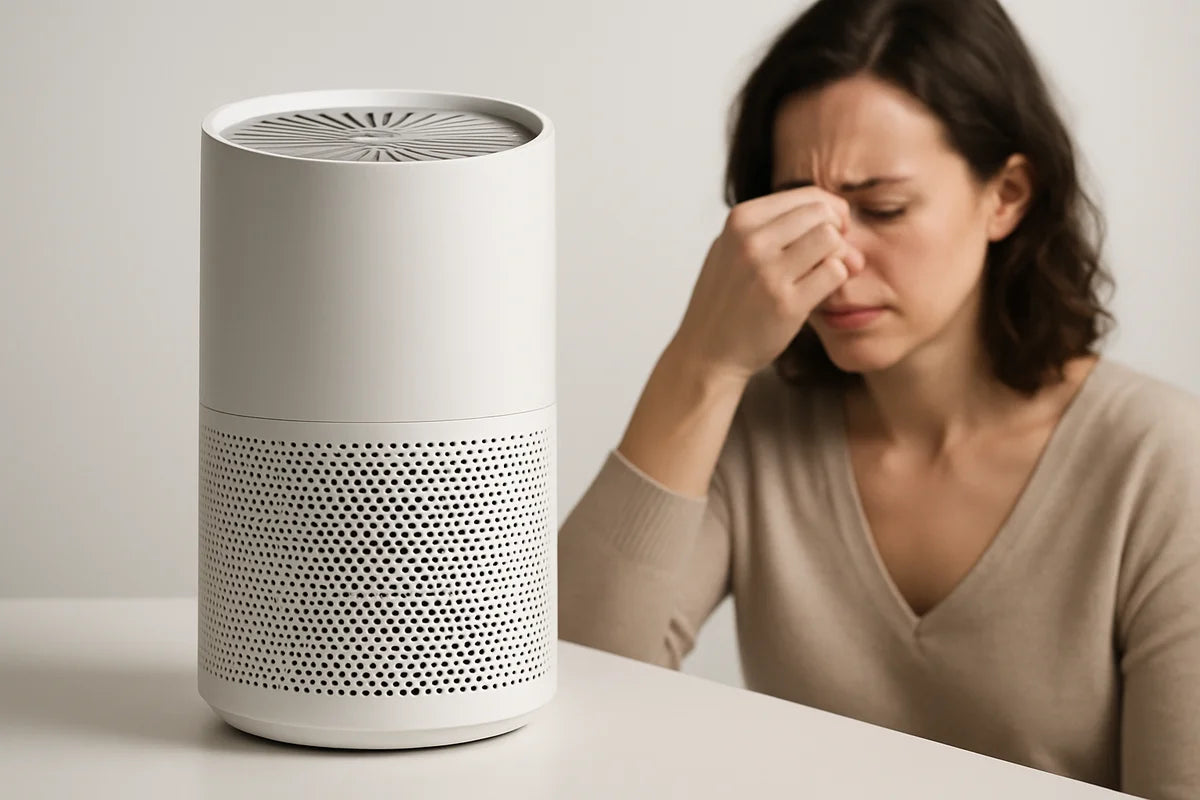
A good HEPA air purifier in the rooms you use most can cut fine particles like dust and smoke. You don’t need one in every room. Put it where the baby sleeps and where you spend long stretches (often the living room).
- Choose true HEPA filtration and check replacement filter cost before you buy.
- Run it on a quieter setting most of the day instead of blasting it for an hour.
- Vacuum the pre-filter if your unit has one.
For a deeper look at how filtration works and how to size a unit, Energy Vanguard’s air cleaner guidance is practical and clear.
Control dust without turning cleaning into a full-time job
Dust isn’t just annoying. It carries allergens and can pick up chemicals from household products.
- Use a vacuum with a HEPA filter if you can. If not, vacuum slowly and more often.
- Wet-mop hard floors instead of dry sweeping, which stirs dust up.
- Wash bedding on a regular schedule, especially if pets sleep on it.
- Keep clutter off the floor so you can clean fast.
Choose safer materials for sleep and feeding
New parents get marketed a lot of “must-have” items. Most aren’t. Focus on what touches your baby every day: the crib, mattress, sheets, bottles, and feeding tools.
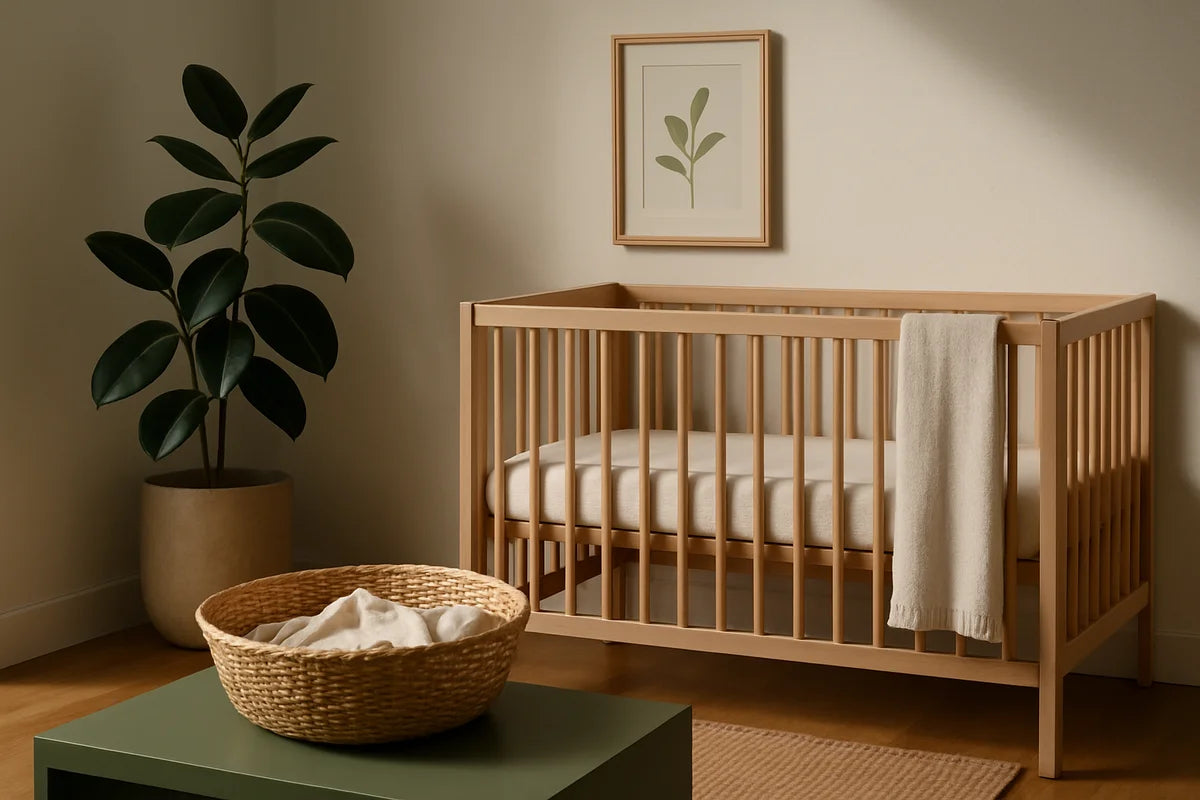
Crib mattress and bedding without the chemical fog
Many mattresses and foams can release fumes when they’re new. You can lower exposure with a few simple steps:
- If you buy a new mattress, unwrap it and let it air out in a ventilated room before use.
- Use fitted sheets you can wash often instead of layered pads you toss.
- Avoid added fragrance products in the nursery (plug-ins, sprays, scented candles).
If you want to understand common chemicals in consumer products and how to reduce exposure, the American Academy of Pediatrics environmental health resources offer parent-friendly guidance without panic.
Feeding gear that lasts
For bottles and storage, you’ll see strong opinions. Here’s the simple approach: pick durable, easy-to-clean materials and use them for years.
- Glass bottles last a long time and don’t hold odors, but they’re heavier. Silicone sleeves can help.
- Stainless steel cups and bowls hold up well once your baby starts solids.
- If you use plastic, replace worn, scratched items since scratches can trap residue.
Don’t chase perfection. “Good enough” choices that you’ll keep using beat ideal choices that end up in a drawer.
Diapers without the guilt spiral
Diapers shape your daily rhythm and your trash. They’re also personal. The best choice is the one you can keep doing at 3 a.m.
Cloth, disposable, or a hybrid that saves your sanity
Cloth diapers can cut waste, but they add laundry. Disposables are simple, but they pile up fast. Many families land on a hybrid:
- Cloth at home during the day, disposable overnight.
- Cloth most days, disposable for travel and childcare.
- Cloth wipes with any diaper type (easy win and they work well).
Want a realistic look at diaper impact and trade-offs? Wirecutter’s cloth vs. disposable breakdown lays out pros and cons in plain language.
If you do cloth, set it up like a system
Cloth works when it feels routine. Make it boring.
- Pick one style and stick with it (all-in-ones or pocket diapers are often easiest).
- Use a diaper pail with a washable liner.
- Run a simple wash schedule you can repeat without thinking.
- Don’t overbuy. Start small, see what you like, then add.
If your water and energy costs worry you, focus on efficient loads, full washes, and line-drying when possible. You don’t need to hand-wash anything.
Low-tox cleaning that still handles real mess
Babies bring spit-up, blowouts, and mystery stains. A sustainable home environment for new parents needs cleaners that work without leaving harsh residues on surfaces babies touch.
Build a small, effective cleaning kit
You can cover most cleaning with a few basics:
- Fragrance-free dish soap for general cleaning.
- White vinegar diluted with water for glass and some surfaces (skip natural stone).
- Baking soda for scrubbing.
- A disinfectant you trust for high-risk moments (raw meat spills, stomach bugs).
For safer product guidance, the EWG’s cleaner database can help you compare options, especially if you’re trying to avoid added fragrance or harsh preservatives.
Use disinfectants with care
Disinfecting isn’t the same as cleaning. If you disinfect everything every day, you’ll use more chemicals than you need. Save disinfectants for:
- Changing areas after a mess
- Kitchen counters after raw meat
- High-touch surfaces during illness
For everyday grime, soap and water usually do the job.
Energy and water upgrades that pay off fast
You don’t need solar panels to make a dent. Small changes stack up, and they make your home more comfortable.
Set your home up for “sleep-deprived efficiency”
- Switch to LED bulbs as old ones burn out.
- Use smart power strips for the baby monitor, sound machine, and chargers if they draw power all day.
- Wash baby clothes in cold water unless you have a medical reason not to.
- Run the dishwasher when it’s full. Hand-washing often uses more water.
If you want a quick view of where your home energy goes, Energy Saver’s guide from the U.S. Department of Energy breaks it down without making it feel like homework.
Cut hot water use without freezing everyone
Hot water costs money and energy. New parents also do a lot of laundry.
- Set your water heater to a safe, efficient temperature (often around 120°F, but follow local safety guidance).
- Fix slow drips and running toilets. Small leaks add up.
- Use low-flow showerheads if your current one blasts water.
Buy less by getting smarter about what comes in
One of the best parts of a sustainable home environment is less stuff to store, clean, and trip over. Babies need fewer things than the marketing says.
Use a “one in, one out” rule for baby items
It’s simple: when a new item comes in, decide what leaves. Donate, sell, or pass along items that your baby has outgrown.
- Keep one bin for outgrown clothes.
- Keep one bin for “try again later” items (sleep sacks, carriers).
- Schedule a monthly pass-along day on your calendar.
Choose secondhand when it’s safe
Secondhand cuts waste and saves money. It’s also often higher quality than cheap new items.
Good secondhand picks:
- Clothes, sleep sacks, blankets
- Baby carriers (check buckles and stitching)
- High chairs (confirm all parts and stability)
- Toys that you can wash
Be cautious with older car seats and crib mattresses. For car seats, follow safety rules and expiration dates. Many local communities offer checks and guidance.
If you need help finding local reuse options, Earth911’s recycling and reuse locator can point you to drop-off sites for hard-to-donate items.
Food habits that reduce waste and stress
Food waste is money waste, and new parents don’t have extra of either. Sustainability here looks like planning that respects your time.
Keep meals simple and repeatable
- Pick 5 to 8 go-to meals you can make half-asleep.
- Cook double and freeze half in flat bags or stackable containers.
- Store snacks where you feed the baby (granola bars, nuts, fruit).
Breastfeeding, formula, and sustainability
Feeding choices are personal and sometimes medical. Don’t let sustainability pressure you. If you want small, helpful steps:
- If you pump, batch-wash parts once or twice a day instead of after every session (as long as it fits your health guidance).
- Use a drying rack and air-dry instead of disposable paper towels.
- If you use formula, avoid over-mixing and wasting prepared bottles. Make what you’ll use.
Make the nursery calmer without buying more
A calm room often comes from what you remove, not what you add.
Light, sound, and temperature
- Use blackout curtains if outside light disrupts sleep.
- Pick a simple sound machine and keep volume modest.
- Dress the baby for the room, not the season on the calendar.
These steps support sleep and reduce the urge to buy “fix it” gadgets you don’t need.
Set up stations to cut chaos
Place what you need where you use it. This is sustainability, too, because it stops duplicates and panic buys.
- Diaper station: diapers, wipes, cream, spare outfit, small trash bin.
- Feeding station: burp cloths, water bottle for you, chargers, snack basket.
- Laundry station: hamper, stain remover, mesh bag for tiny socks.
The path forward for new parents who want a greener home
You don’t need a full home overhaul. Pick one room and one habit. Start with air and cleaning since they touch daily health. Then tackle waste where it bothers you most, often diapers and packaging.
If you want an easy order of operations, try this over the next month:
- Week 1: Improve air (ventilation plan, vacuum routine, one HEPA purifier if needed).
- Week 2: Simplify cleaning (one small kit, cut fragrance, stop buying single-use wipes where possible).
- Week 3: Reduce diaper waste in a way you can sustain (hybrid counts).
- Week 4: Buy less (set up donation bins, choose secondhand for the next size up).
As your baby grows, your home will shift again. That’s normal. A sustainable home environment for new parents isn’t a finish line. It’s a set of small choices that keep working as your family changes.