A calm home atmosphere doesn’t come from one big makeover. It comes from small habits that lower the noise in your space and in your head. The good news: you don’t need a perfect routine, a minimalist house, or a personality transplant. You need a few steady defaults that make your home feel safe, soft, and easy to live in.
This article walks through habits for cultivating a calm home atmosphere that work for real people: parents, roommates, couples, solo renters, and anyone with a full calendar. Pick two or three to start. Let them earn their place.
Start with the “baseline”: light, sound, air, and clutter

If your home feels tense, check the basics before you blame yourself. Harsh light, constant noise, stale air, and visible mess all push your body toward alert mode. Fixing your baseline makes every other habit easier.
Use calmer light after sunset
Bright, cool light late at night can keep your brain switched on. You don’t need to live by candlelight. Just make evening light warmer and lower.
- Swap one or two bulbs in your main evening rooms for warm (around 2700K) bulbs.
- Use lamps instead of overhead lights when you can.
- Dim screens an hour before bed or use built-in night settings.
If sleep is part of the calm you want, the Sleep Foundation’s overview on light and sleep gives a clear explanation of why timing and brightness matter.
Lower background noise on purpose
Silence isn’t the only calm. A steady, gentle sound can feel better than random spikes from traffic, neighbors, or a loud fridge.
- Try a fan or a simple white noise app during your noisiest hours.
- Close doors to “contain” sound and create zones.
- Add soft materials that absorb noise: a rug, curtains, or a fabric wall hanging.
For a practical starting point, Wirecutter’s guide to white noise machines helps you sort features without getting lost in specs.
Ventilate daily, even for a few minutes
Stuffy air can make a home feel dull and heavy. A short air-out can shift the whole mood.
- Open two windows on opposite sides for 5-10 minutes when weather allows.
- Run the bathroom fan during and after showers.
- If you use HVAC, change filters on a schedule you can remember.
If you want the science, the EPA’s indoor air quality guide is a solid reference without hype.
Make clutter “binary”: either put away or stage it
Some clutter is life. The problem is visual clutter with no home. When items float around, your brain keeps scanning them like unfinished tasks.
- Give common strays a “landing spot” (basket, tray, hook) near where they drop.
- Use one small “later bin” for items you can’t deal with right now.
- Clear flat surfaces first. Counters and tables drive most of the visual noise.
This isn’t about being strict. It’s about making your space feel handled.
Build micro-routines that reduce daily friction
Calm homes run on low-friction systems. Not big, fragile routines. Small loops that keep mess and stress from piling up.
Try a 10-minute reset at the same time each day
Pick one time. After dinner works well. Set a timer and reset the “public” areas: living room, kitchen, entry.
- Put dishes in the sink or dishwasher.
- Clear the main surface you see when you walk in.
- Return items to their zones (even if it’s not perfect).
Ten minutes doesn’t sound like much. That’s the point. You’ll do it even on tired days, and that’s how habits for cultivating a calm home atmosphere stick.
Use a “one-touch” rule for small items
When you pick something up, try to put it where it belongs in the same motion. Not “down for now.” It’s a tiny change that cuts cleanup later.
- Sort mail right by the trash and recycling.
- Hang keys on a hook as you walk in.
- Put laundry straight in a hamper, not on a chair.
Make mornings quieter with an evening prep habit
Mornings set the emotional tone. If your day starts in a scramble, your home can feel tense even if it looks fine.
- Lay out one outfit per person (or at least yours).
- Pack bags and set them by the door.
- Decide breakfast: even “toast and fruit” counts.
Keep it small. You’re building a calm launchpad, not a boot camp.
Create “calm zones” with clear rules
If your whole home has to feel calm all the time, you’ll lose. A better approach: pick one or two zones where calm is the priority and protect them.
Make the bedroom a lower-stimulation space
Your bedroom doesn’t need to look like a hotel. It needs to feel like sleep belongs there.
- Charge phones away from the bed if possible.
- Keep one surface clear (nightstand or dresser top).
- Use soft, warm light for evening wind-down.
If stress and sleep are tangled for you, Johns Hopkins Medicine’s sleep resources are a trustworthy place to explore sleep basics without gimmicks.
Set a “no pile” rule in the entry
The first thing you see when you walk in matters. An entry pile becomes a daily reminder of chaos.
- Keep a small bowl or tray for keys and wallet.
- Add two or three hooks for bags and jackets.
- Limit shoes to what fits in one rack or mat.
If you have kids, give them a lower hook they can reach. Calm loves easy access.
Protect one corner for quiet
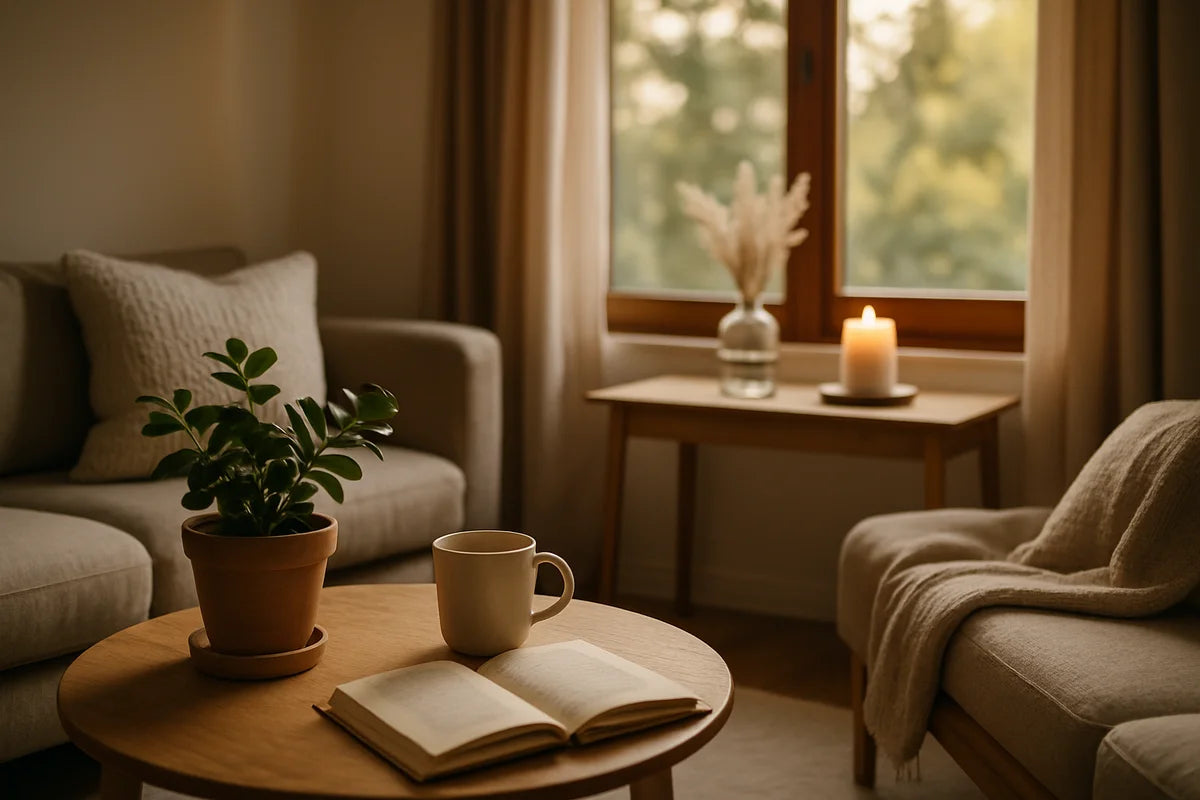
This can be a chair by a window, a small desk, or even one end of the couch. The point is that you can sit there and feel done for a few minutes.
- Keep the surface clear except for one or two items you like (book, plant, lamp).
- Store a blanket there so it always feels inviting.
- Don’t use the spot as a laundry holding area.
Use communication habits that lower tension
A calm home atmosphere isn’t only decor. It’s how people speak and repair after stress. You can’t control everyone, but you can change the default tone.
Do a daily “weather check”
Ask a simple question: “How’s your day feel right now?” Not “How was your day?” The first invites a quick, honest answer. The second can turn into a long recap when nobody has energy.
- Keep it to one sentence each.
- Don’t jump to fix. Just name what’s there.
- If someone’s at a 7 out of 10 stress, plan for a quieter evening.
Replace “you never” with a clear request
General blame heats the room fast. A calm home uses specific asks.
- Instead of “You never help,” try “Can you do the dishes tonight?”
- Instead of “This place is a mess,” try “Let’s do a 10-minute reset.”
- Instead of “Why are you like this?” try “What do you need right now?”
Small language shifts change the emotional cost of daily life.
Create a repair ritual after conflict
People argue. Calm homes repair quickly and clearly. A repair ritual can be as short as two minutes.
- Name what happened: “We snapped at each other.”
- Own your part: “I raised my voice.”
- Offer a reset: “Can we start over?”
If you want a research-backed view of how stress affects connection, the American Psychological Association’s stress resources give helpful context and practical direction.
Make cleaning calmer by making it smaller
Many people avoid cleaning because they treat it as a big project. Calm comes from tiny, regular actions that keep things from getting out of hand.
Pick one “anchor task” per day
An anchor task is the one thing that makes your home feel okay even if the rest stays messy.
- Kitchen sink empty before bed.
- Counters clear enough to make coffee.
- One load of laundry washed and moved along.
Choose one. Do it most days. That’s enough to change the vibe.
Use a weekly rhythm, not a massive Saturday clean
Try theme days. Keep them light.
- Monday: laundry
- Tuesday: bathroom wipe-down
- Wednesday: floors in high-traffic areas
- Thursday: fridge check and trash
- Friday: tidy surfaces
Need a simple structure? The Unf*ck Your Habitat approach focuses on short bursts that work for busy or overwhelmed days.
Keep “calm cleaning tools” within reach
If supplies live in a far closet, you won’t use them. Store a few basics where mess happens.
- Microfiber cloths under the sink
- All-purpose cleaner you like the smell of (or unscented if scents bug you)
- A small handheld broom or cordless vac for crumbs
When cleanup takes 30 seconds, you do it before irritation builds.
Use sensory cues that signal “safe and settled”
Your senses shape your nervous system. When you choose cues on purpose, you reinforce habits for cultivating a calm home atmosphere without needing willpower.
Choose one scent and keep it consistent
Scent ties strongly to memory. A steady scent can become a “we’re home” signal.
- Pick one: citrus, lavender, cedar, or just clean soap.
- Keep it mild. Strong scent can feel like noise.
- If you use candles, burn them while you’re in the room and follow basic safety rules.
Let texture do some of the work
Hard surfaces look clean, but they can feel sharp. Soft texture makes a space feel kinder.
- Add one throw blanket you actually use.
- Use a rug in the room where you spend the most time.
- Swap scratchy towels for softer ones when you can.
Bring in nature in small, low-effort ways
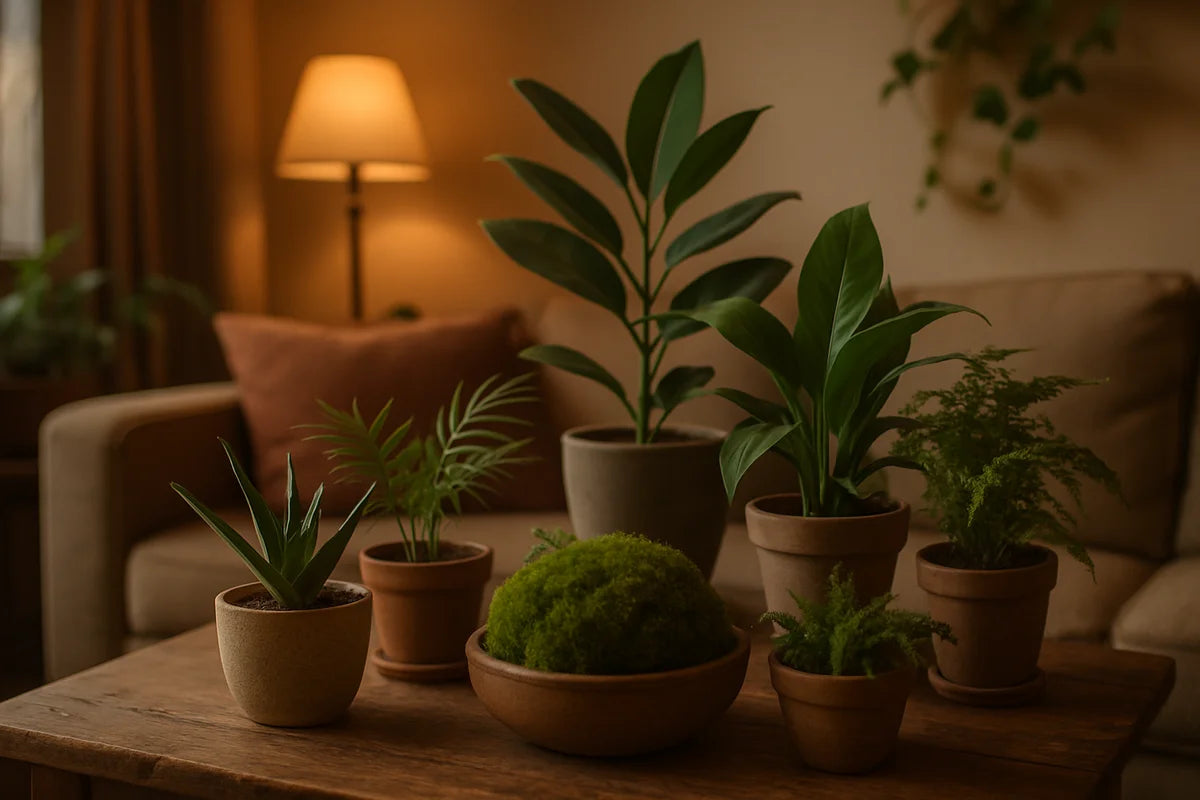
You don’t need a jungle of houseplants. One living thing can change a room.
- A pothos or snake plant if you want low maintenance.
- A small vase of grocery store flowers.
- A bowl of lemons or apples on the counter.
If you like the idea of plants but struggle to keep them alive, the University of Minnesota Extension’s houseplant guides are practical and plainspoken.
Set boundaries with screens so your home can rest
Screens can fill a home with tension even when nobody speaks. News alerts, loud videos, and endless scrolling keep your mind braced.
Create one screen-free window each day
Start small: 30 minutes. Common picks are dinner or the hour before bed.
- Put phones in a drawer or basket, not just face down on the table.
- Replace scrolling with something easy: tea, a shower, a short walk, a simple show you chose on purpose.
Cut notification noise at the source
You don’t need perfect digital habits. You need fewer interruptions.
- Turn off non-human notifications (shopping, games, most social apps).
- Use “Do Not Disturb” during your calm zone hours.
- Keep one channel open for emergencies if you need to.
Where to start this week
If your home feels far from calm, don’t try to change everything. Choose one baseline fix and one routine. That’s enough to shift the feel of your space in seven days.
- Baseline: switch to warm evening light in one room, or air out the house for 5 minutes each morning.
- Routine: do a 10-minute reset after dinner, or pick one anchor task like an empty sink at night.
- Relationship: try a one-sentence daily weather check to set expectations.
Then watch what happens. When your home gets a little calmer, you’ll protect that feeling. You’ll start making choices that support it: fewer piles, fewer sharp words, fewer rushed mornings. Calm becomes a habit, not a rare mood. And once you feel that difference, the next change gets easier.