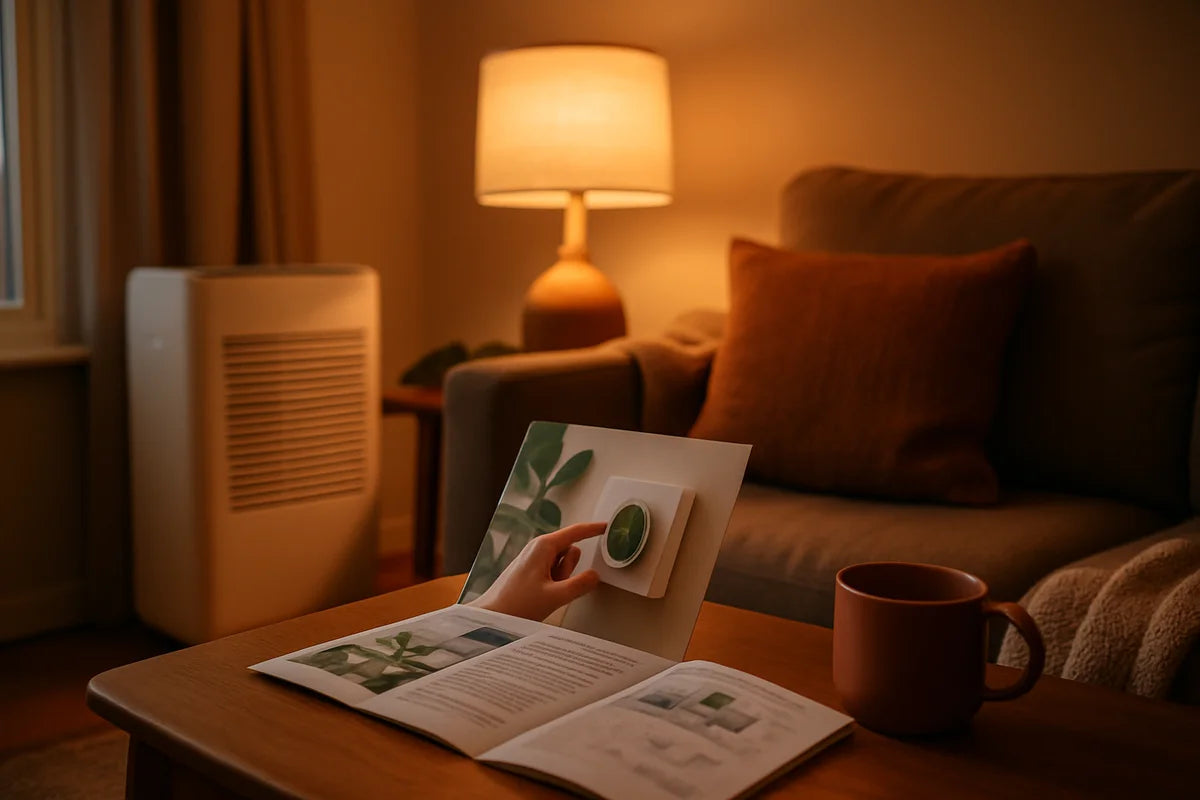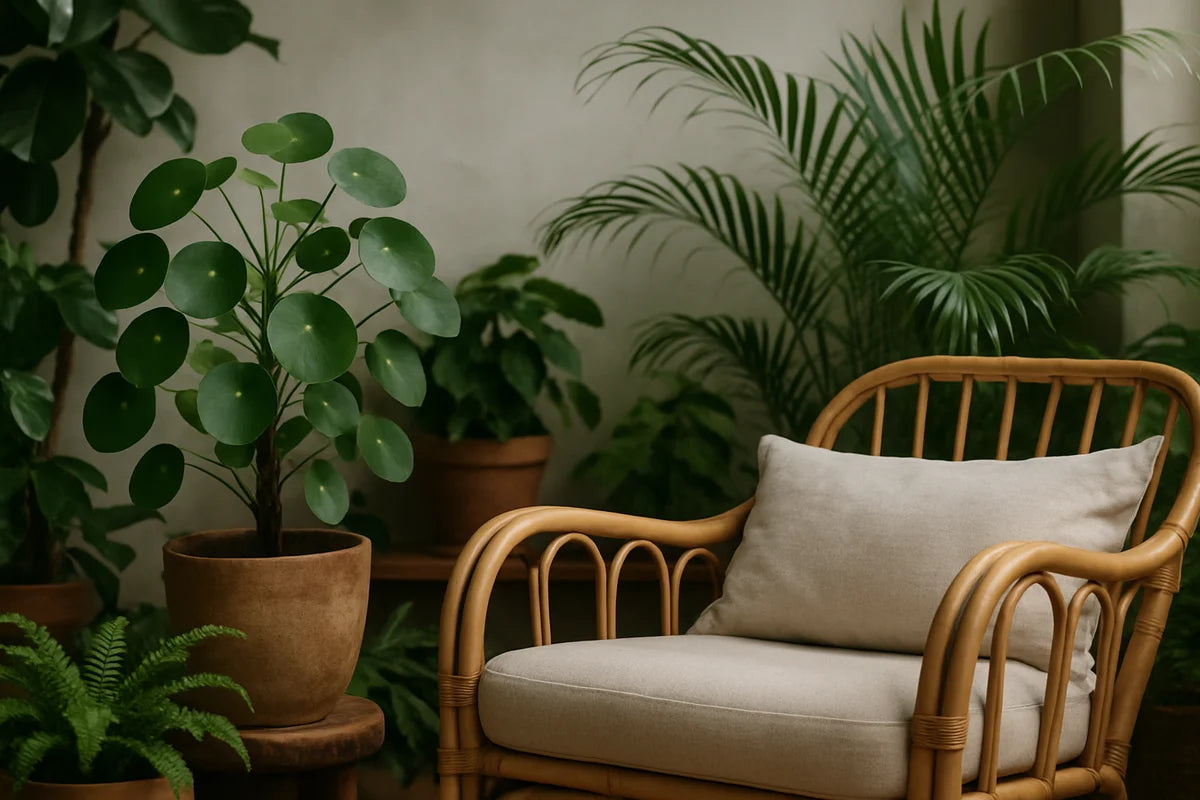
A calming indoor garden can change how your home feels in a very direct way. Plants soften hard lines, quiet visual clutter, and give you a small daily ritual that pulls your mind out of noise and back into the room you’re in.
This article walks you through creating a calming indoor garden for relaxation, even if you live in a small apartment or think you “kill plants.” You’ll learn how to pick the right spot, choose low-stress plants, set up light and watering without fuss, and shape the space so it actually feels restful.
Start with the feeling you want, not a plant list
Before you buy anything, decide what “calming” means for you. Do you want a quiet reading corner? A soft green backdrop for yoga? A small ritual by the kitchen window? Your answers shape every choice after that.
Pick one purpose for your calming indoor garden
- A decompression spot you use for 5 minutes after work
- A screen-free corner for reading or journaling
- A morning care routine with watering and checking leaves
- A gentle divider between work space and living space
When you build around one purpose, you avoid the common trap of scattering plants everywhere and still not feeling relaxed.
Choose a visual style that calms you
Some people relax with clean, simple lines. Others want a lush jungle feel. Neither is “better,” but mixing styles can look busy. Pick one direction:
- Minimal and airy: fewer plants, larger pots, more open space
- Soft and natural: warm pots (clay, tan, muted greens), mixed leaf shapes
- Lush and layered: groups of plants at different heights, fuller shelves
Find the right location and read your light
Light is the real budget. It decides which plants will thrive and how much work you’ll do. The goal is a calming indoor garden that stays healthy with steady, boring consistency.
Quick light check you can do in one day
- Stand where the plants will go in the morning, midday, and late afternoon.
- Note how bright the spot feels and whether sun beams hit the area directly.
- Match plants to that reality, not to a photo you saw online.
If you want a more exact read, the Purdue Extension guide on houseplant light explains light levels in plain terms and helps you map “bright indirect” versus direct sun.
What “bright indirect light” looks like in real life
- Bright indirect: a few feet back from an east or south window with no harsh sun on leaves
- Medium light: near a north window, or farther back from brighter windows
- Low light: corners away from windows (few plants truly love this)
Low light doesn’t mean “no light.” If you can’t comfortably read a book there in the day, most plants will struggle without a grow light.
Choose plants that support relaxation and won’t add stress
The best plants for a calming indoor garden are the ones that look good while asking little from you. You can always add fussier plants later. Start easy.
Reliable starter plants for a calming indoor garden
- Pothos (Epipremnum aureum): forgiving, trails nicely, handles medium light
- Snake plant (Dracaena trifasciata): slow-growing, tough, great for beginners
- ZZ plant (Zamioculcas zamiifolia): handles missed waterings well
- Spider plant (Chlorophytum comosum): fast, cheerful, easy to propagate
- Peace lily (Spathiphyllum): clear “thirst” signal when it droops, likes medium light
- Philodendron (heartleaf types): easy, soft leaf shape, good for shelves
If you have pets, check toxicity before you buy. The ASPCA toxic and non-toxic plant list is one of the most practical resources for pet-safe planning.
Plants that can add scent without overwhelming the room
Scent can help relaxation, but strong smells can also annoy you fast. Keep it subtle. Good options include:
- Herbs near a bright window: mint, rosemary, thyme
- Jasmine (needs strong light): for people who enjoy floral scent
- Lavender indoors (often tricky): only if you have strong sun or a grow light
If you mainly want a calming effect, leaf texture and color often matter more than scent. A quiet green palette reduces visual noise.
Design the space so it feels calm, not crowded
A relaxing indoor garden isn’t just “more plants.” It’s layout. It’s negative space. It’s how your eye moves when you enter the room.
Use the rule of three for plant grouping
Groups look calmer than scattered singles. Try one of these simple sets:
- One tall plant, one medium, one trailing plant
- Three plants with the same pot style but different heights
- Two plants plus one non-plant anchor (a lamp, a basket, a small stool)
Leave breathing room around the group. If every surface holds a pot, the space stops feeling restful.
Pick containers that don’t fight the plants
For a calming indoor garden, keep pots simple and consistent. You can vary shape, but stay in the same color family. Matte finishes often look quieter than glossy ones.
- Terracotta for warmth and steady drying
- Ceramic in soft neutrals for a clean look
- Woven baskets as cachepots to soften the scene
Make sure at least some pots have drainage holes. If you love decorative pots without holes, use them as outer cachepots and keep plants in plastic nursery pots inside.
Add one comfort element that invites you to stay
- A chair with a small side table for tea or a book
- A floor cushion for stretching
- A warm lamp (not overhead light) for evening calm
- A small tray to hold tools so they don’t clutter the area
This turns your plants into a place, not a display.
Set up watering and humidity without guesswork
Water stress is the main reason indoor gardening stops feeling relaxing. You can fix that with a simple system and one rule: don’t water on a schedule. Water based on the soil.
The finger test and a better option
Stick a finger 1-2 inches into the soil. If it feels damp, wait. If it feels dry, water. For deeper pots, a wooden skewer works well too. Push it down, pull it out, and check for damp soil stuck to it.
If you want a more structured approach, the Royal Horticultural Society indoor plant care advice lays out simple watering and placement basics that work for most common houseplants.
How to water so plants stay healthy and your floor stays clean
- Water slowly until it drains from the bottom.
- Let the pot finish dripping in the sink or shower.
- Empty saucers so roots don’t sit in water.
This method sounds “extra,” but it prevents gnats, rot, and the endless cycle of half-watering that weakens plants.
Easy humidity wins that don’t turn your home into a greenhouse
- Group plants together so they share a slightly more humid micro-space
- Run a small humidifier in winter if your air gets very dry
- Keep plants away from heating vents and blasting AC
Misting tends to help less than people think. If you want real results, use a humidifier. You can also learn how indoor air affects comfort from the EPA’s indoor air quality overview, which explains common indoor factors that change how a room feels.
Use lighting that supports the mood and the plants
Plants want light. You want a calm mood. You can get both.
Simple lighting plan for evenings
- Use a warm lamp near your garden corner for a softer feel
- Avoid harsh overhead lighting when you want to relax
- If you add a grow light, put it on a timer so you don’t think about it
Modern grow lights can look like normal bulbs or slim bars. Place them so they light the plants, not your face. A consistent timer also keeps you from overcorrecting and moving plants around every week.
Build a small care ritual that feels grounding
The most relaxing indoor gardens come with a low-key rhythm. The trick is to keep tasks small and predictable so you don’t dread them.
A 10-minute weekly reset
- Check soil moisture in each pot.
- Trim dead leaves with clean scissors.
- Wipe dusty leaves with a damp cloth.
- Rotate plants a quarter turn if they lean toward the window.
- Look for pests under leaves and along stems.
This is also a good time to slow your breathing and actually look at the plants. Not in a forced way. Just notice new growth and small changes.
Keep tools close so you don’t skip care
- A small watering can with a narrow spout
- Catch tray or saucer you don’t mind seeing
- Clean scissors or snips
- A soft cloth for leaves
If you want plant-by-plant care tips without wading through noise, Gardener’s Supply’s houseplant guides are practical and easy to follow.
Handle common problems before they ruin the calm
Every indoor gardener hits a few snags. The difference is how fast you spot them and how simply you respond.
Yellow leaves
- Most common cause: too much water
- Quick fix: let the soil dry more between waterings, check drainage
- If new leaves yellow fast: consider more light or a lighter potting mix
Brown crispy tips
- Often from dry air, missed watering, or mineral buildup
- Quick fix: water more evenly, consider filtered water if your tap is hard
Fungus gnats
- They thrive in constantly damp soil
- Quick fix: let the top few inches dry, use yellow sticky traps, bottom-water for a while
Pests like spider mites
- Signs: tiny specks, webbing, dull leaves
- Quick fix: rinse the plant in the shower, wipe leaves, isolate the plant for a week
If you want a deeper, science-based overview of plant health and common disorders, University of Minnesota Extension houseplant resources covers care and troubleshooting with clear steps.
Make it work in small spaces
You don’t need a spare room. You need a defined zone. Even one shelf can become a calming indoor garden if you treat it like a small scene.
Micro-garden setups that look good and stay manageable
- Window ledge herb line: 3-5 small pots, same style, labels if you cook
- One stool, one plant: a single taller plant beside a chair
- Shelf triangle: one plant on top, one mid-shelf, one trailing down
- Bathroom green corner: if you have a window, ferns and pothos can thrive
If you rent, focus on free-standing shelves and hooks that don’t damage walls. A tension rod by a window can hold light trailing plants with simple hangers.
Where to start this week
If you want a calming indoor garden for relaxation, keep the first step small and real. Pick one spot you already use and add one plant that matches the light there. Set a timer for 10 minutes each week to check soil and wipe leaves. That’s enough to build momentum without turning your new relaxing space into another project.
Over time, let the garden evolve with your routines. Add a second plant when the first one looks steady. Try one trailing plant when you want softness. Shift the lighting when evenings feel harsh. You’re not chasing a perfect look. You’re building a corner of your home that makes it easier to pause, breathe, and stay present.