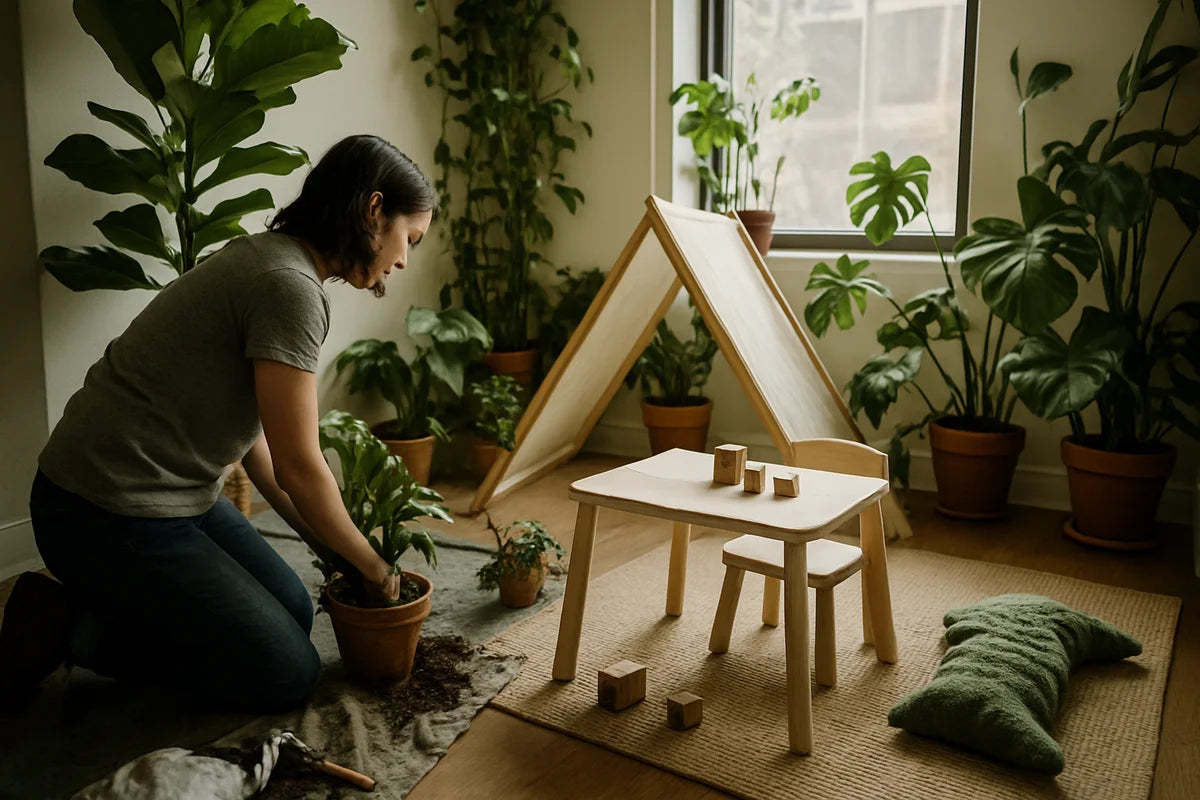
Ever notice how you breathe a bit easier near a window, a plant, or a patch of sun? That’s the heart of biophilic design: bringing nature’s patterns into the places where we spend our days. A biophilic workspace isn’t about turning your desk into a jungle. It’s about using light, air, living things, and natural materials in a way that helps you focus, feel better, and stay steady through the day.
This article walks you through practical steps to create a biophilic workspace at home or in an office, whether you have a big budget or almost none.
What “biophilic workspace” actually means
Biophilic design rests on a simple idea: humans do better when they stay connected to nature. In a workspace, that can mean direct contact with nature (plants, daylight, fresh air) and indirect cues (wood grain, stone, water sounds, nature-like shapes).
You don’t need to follow a strict style. Think in systems. Light, air, sound, materials, layout, and daily habits all shape how the space feels.
If you want a deeper framework, the 14 Patterns of Biophilic Design breaks the concept into clear design moves you can apply without guesswork.
Start with a quick audit of your current space
Before you buy anything, look at what you already have. A strong biophilic workspace often comes from small fixes, not big shopping trips.
Take five minutes and answer these
- Where does natural light land during the day?
- Can you see outside from where you sit?
- Does the air feel stale by mid-afternoon?
- Is the space loud, echo-y, or full of mechanical noise?
- Do you have any living things in view?
- Do you feel tension in your shoulders or eyes after an hour?
Your answers point to the highest-impact changes. For most people, the biggest wins come from daylight, air quality, and clutter control.
Use daylight like a tool, not a decoration
Daylight affects mood, alertness, and sleep. You don’t need perfect architecture to use it well. You need smart placement and a few simple controls.
Place your desk for light and comfort
- Put your desk near a window if possible, but avoid having the window directly behind your screen. That causes glare.
- If glare is a problem, turn the desk 90 degrees so the window sits to your side.
- If you can’t sit near a window, work within sight of one. A view still helps.
Control glare without killing the light
- Use sheer curtains or light-filtering shades instead of heavy blackout curtains during work hours.
- Choose matte finishes for desk surfaces to reduce reflections.
- Raise your monitor slightly and tilt it down a touch to cut glare.
Want to fine-tune your lighting levels? The CIBSE lighting guidance is a solid reference point for how lighting affects visual comfort in work settings.
Make indoor air feel clean and alive
Air is easy to ignore until it feels bad. Stale air can make you sleepy and give you headaches. A biophilic workspace should feel fresh, not sealed.
Ventilation first
- Open a window for 5 to 10 minutes in the morning and mid-day if outdoor air is decent.
- If you have HVAC, replace filters on schedule and keep vents unblocked.
- If you’re in a shared office, push for regular maintenance and filter changes. It matters more than most people think.
If you want practical, evidence-based guidance, the EPA’s indoor air quality resources cover ventilation, common pollutants, and steps that work in real buildings.
Add a purifier if you need one
If you live near traffic, have allergies, deal with wildfire smoke, or can’t open windows often, a HEPA air purifier can help. Buy based on room size and CADR, not marketing claims.
A practical way to size a unit is to use the AHAM air cleaner guidance on CADR so you match the purifier to your room.
Do plants “clean the air”?
Plants help in many ways, but they won’t replace ventilation. What they do reliably change is how a space feels. They add softness, humidity in small amounts, and a sense of care. That’s still valuable.
Bring in plants that won’t die on you
If you’ve tried plants and failed, you’re not alone. Most “brown thumb” stories come down to low light, overwatering, and pots without drainage.
Easy plants for most workspaces
- Pothos: tolerant, grows fast, looks good trailing from a shelf.
- Snake plant: handles low light, needs little water.
- ZZ plant: tough and slow-growing, good for dim corners.
- Spider plant: forgiving, easy to propagate.
- Peace lily: likes medium light, tells you when it’s thirsty by drooping.
Set your plants up for success
- Use pots with drainage holes. If you love a pot without holes, keep the plant in a nursery pot inside it.
- Water less than you think. Most indoor plants die from too much water.
- Put plants where you’ll see them. If you forget a plant exists, it won’t last.
For plant selection by light level, the University of Minnesota Extension houseplant resources gives plain-language care info that’s hard to mess up.
Choose materials that feel natural and wear well
Biophilic design isn’t only greenery. It’s also texture, temperature, and the small cues your brain reads as “safe” and “grounded.”
Simple material swaps that make a difference
- Add wood tones through a desktop, monitor riser, pencil cup, or shelf.
- Use natural fabrics like cotton, wool, or linen for curtains or a chair throw.
- Bring in stone or clay with a coaster set, a small tray, or a ceramic planter.
- Avoid high-gloss plastic everywhere. Mix in matte and textured surfaces.
Don’t chase perfection. A biophilic workspace should feel lived-in, not staged.
Use sound and scent with care
Nature isn’t silent, but it rarely sounds harsh. Office noise often does. You can shape sound without turning your day into a spa routine.
Make the room sound softer
- Add a rug if you have hard floors.
- Use curtains or fabric panels to cut echo.
- Place a bookshelf with uneven items behind you to break up sound reflections.
Try nature sounds if they help you focus
Rain, wind in trees, or ocean sounds can mask chatter and reduce sudden noise spikes. Keep it low. If you notice it constantly, it’s too loud.
If you want a simple, practical option, the free sound library at myNoise lets you adjust sound profiles so they fit your space and sensitivity.
Be cautious with scent
Scents can relax one person and trigger headaches in another. If you share a space, skip strong diffusers. In a home office, keep it light and clean. A real plant, fresh air, or a mild beeswax candle (used safely) often beats a heavy fragrance oil.
Design your layout around movement and “refuge”
Nature gives us two things we crave: a view (prospect) and a sense of cover (refuge). A good biophilic workspace uses both.
Create a “prospect” view
- Face toward the room or toward a window, not into a blank wall if you can help it.
- If your desk must face a wall, add a mirror that reflects light or place a plant and artwork with outdoor scenes.
Add a bit of “refuge”
- Use a shelf, tall plant, or divider to give your back a sense of support.
- Reduce visual clutter in your direct line of sight. The brain treats clutter as unfinished work.
Build movement into the day
Biophilic design isn’t only what you see. It’s also how you move. Stand up to water plants, open a window, or take a short walk outside after a meeting. Those small loops reset your attention.
Use color like nature does
Color can calm or drain you fast. If you want a biophilic workspace, start with nature-based colors and keep them in the background.
- Base colors: warm whites, soft beige, light gray, muted sand.
- Accent colors: plant greens, clay reds, deep ocean blues.
- Limit high-saturation colors in large areas. They can feel loud over long hours.
If you rent or can’t paint, use color through a desk mat, art prints, planters, or a rug.
Biophilic workspace ideas for small budgets
You can create a biophilic workspace without a redesign. Here are low-cost moves that work.
Under $50
- Add one hardy plant in a proper draining pot.
- Replace a harsh bulb with a warmer, diffused desk lamp.
- Put a small tray on your desk for “loose” items so the surface stays calm.
- Hang one nature photo or print where you’ll see it during calls.
Under $200
- Get a larger plant for the floor and a small one for your desk.
- Add a rug to soften sound and make the space feel warmer.
- Buy a basic humidifier if your air feels dry in winter.
When you can spend more
- Upgrade your chair fabric or add a natural-texture cover.
- Swap to a wood desktop or add a wood monitor riser.
- Add an air purifier sized to your room.
Common mistakes that make “biophilic” feel fake
- Too many small decorations and not enough function. Clutter kills calm.
- Plants in the wrong light. They struggle, then the space feels neglected.
- Relying on plants to fix air quality instead of improving ventilation.
- Blue-white lighting at night. It can leave you wired when you want to wind down.
- Copying a photo-perfect office that doesn’t match your work habits.
Where to start this week
If you want a biophilic workspace but don’t want a new project, keep it simple. Do three things and stop.
- Move your desk or chair to get better daylight and less glare.
- Add one plant you can keep alive, placed in your line of sight.
- Set a daily air habit: open a window, take a two-minute balcony break, or run a purifier while you work.
After a week, notice what changes. Do your eyes feel less tired? Do you stay calmer on calls? Do you take fewer “scroll breaks” because your brain feels less fried? Use those cues to decide the next upgrade.
Looking ahead
Once you build a biophilic workspace, you’ll start seeing your environment as something you can tune, not just tolerate. Over time, you can push it further: add a second light source, grow a small herb pot, swap one plastic item for wood or clay, or plan your workday around a short outdoor loop.
The real payoff comes when the space supports you without asking for attention. You sit down, your shoulders drop, and work feels a bit more steady. That’s what a biophilic workspace should do, and you can build it one small change at a time.