Your home affects your mood more than you think. Light, sound, clutter, smells, and even the way furniture sits in a room can raise your stress without you noticing. The good news is that you don’t need a full remodel to feel better. Creating a calming indoor environment for mental health often comes down to a few steady habits and a handful of simple upgrades.
This article walks you through what matters most and what to do first. You’ll get practical steps you can try today, plus options if you want to go further.
Start with one goal for each room

Before you buy anything, decide what each space should do for you. A room can’t support every mood at once. If you try, it often ends up feeling messy and tense.
- Bedroom: sleep and recovery
- Living room: rest, connection, low-effort fun
- Kitchen: ease and flow, not chaos
- Entryway: a soft landing when you walk in
- Home office corner: focus without strain
Pick the top two feelings you want each space to support: calm, safe, clear-headed, cozy, grounded. Keep that in mind as you make changes. It helps you avoid clutter disguised as “decor.”
Light that settles your nervous system

Lighting is one of the fastest ways to change how a space feels. Harsh overhead light can keep you wired. Dim, warm light tends to help you ease down.
Use daytime light on purpose
During the day, you usually want bright, natural light. It can boost alertness and support your sleep rhythm later. Open blinds early if you can. If your windows don’t give you much, consider a bright bulb in a desk lamp for morning use.
If you want the science behind light and sleep timing, the National Heart, Lung, and Blood Institute explains circadian rhythm basics in plain language.
Make evenings softer
At night, switch to warm bulbs (look for 2700K or “soft white”). Use more lamps and fewer overhead lights. If you only do one thing this week, do this.
- Add a lamp to the corner you sit in most
- Use a dimmer plug or smart bulb if you rent and can’t rewire
- Keep the brightest light in the kitchen, not the living room
Also check glare. If a bulb shines in your eyes when you sit down, you’ll stay on edge. Angle lamps at walls, not faces.
Air quality and scent without the gimmicks

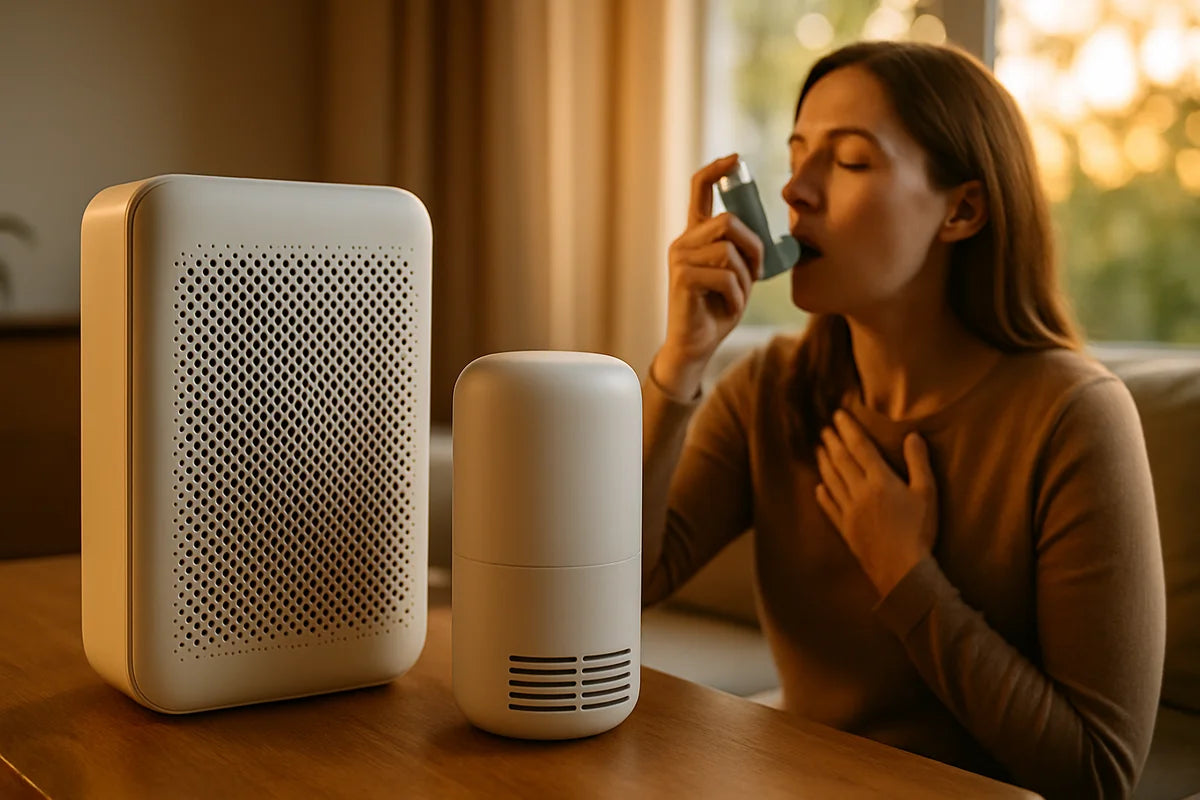
Stale air can make you feel sluggish and irritable. Strong fragrance can do the same, especially if you get headaches or allergies. Creating a calming indoor environment for mental health means your space should feel easy to breathe in.
Ventilation first, then filtration
Start with fresh air. Crack windows for 5 to 15 minutes if outdoor air is decent. Use the bathroom fan during and after showers. Run the kitchen hood when you cook. These small moves reduce moisture and smells that linger.
For clear, practical guidance, the EPA’s indoor air quality guide breaks down common issues and fixes.
If you want to add a purifier, match it to your room size and look for a true HEPA filter. For a tool that helps you size it, use a CADR and room size guide from AHAM.
Be careful with “clean” scents
A home can smell clean without smelling like a product aisle. If you like scent, go light and simple. Try one of these:
- Open a window after cooking and take out trash the same day
- Simmer citrus peel and cinnamon for 10 minutes, then turn it off
- Use an essential oil diffuser for short sessions, not all day
If you have pets, kids, asthma, or migraines, skip heavy fragrance and focus on ventilation and fabrics you can wash.
Sound matters more than you think
Noise keeps your body on alert. Even low-level sound, like traffic or a buzzing appliance, can make it hard to relax. Calm doesn’t require silence, but it does require control.
Reduce unwanted noise
- Use a draft stopper at the door to cut hallway sound
- Add a rug or runner if footsteps echo
- Hang heavier curtains if street noise seeps in
- Put felt pads under chairs and table legs
These are small, cheap changes that make a room feel less sharp.
Add sound you choose
Try steady sound to cover sudden spikes. That might be a fan, a sound machine, or quiet music. If you want a no-fuss option, a simple app works too, but avoid anything that pulls you into scrolling.
For a practical overview of how indoor sound affects comfort, ArchDaily’s breakdown of acoustic comfort offers useful ideas without getting too technical.
Declutter for your brain, not your closet
Clutter isn’t a moral failure. It’s often a sign that your home lacks systems. When objects pile up, your brain keeps “tracking” them. That background load can raise stress.
Instead of trying to declutter everything, use a mental health lens: remove what nags at you the most.
Try the “one surface” reset
Pick one surface you see often: the coffee table, kitchen counter, nightstand. Clear it. Then put back only what supports the purpose of the room.
- Nightstand: book, lamp, water, charger
- Kitchen counter: coffee setup, fruit bowl, one tool you use daily
- Entry table: keys tray, mail sorter, one small plant
A single clear surface can change how your whole place feels, because your eyes finally get a rest.
Give your stuff a “home” that makes sense
If you always drop your bag on the floor, you don’t need more willpower. You need a hook. If shoes pile up, you need a tray or a basket near the door. When you design around real behavior, calm starts to stick.
Color and texture that feel steady
You don’t need an all-beige home to feel calm. But intense contrast and busy patterns can feel noisy, especially when you’re already stressed. Aim for fewer visual “alarms.”
Pick a simple base, then add warmth
- Base: soft white, warm gray, muted green, clay, or sand tones
- Warmth: wood, woven baskets, linen, cotton throws
- Accent: one or two colors repeated in small ways
If repainting is too much, use textiles. A curtain swap or a new duvet can shift the whole mood.
Choose materials you want to touch
Texture grounds you. A scratchy blanket or a sticky faux-leather chair does the opposite. If you can, upgrade the items you touch every day: bedding, towels, a throw for the couch, a rug under your feet.
Set up a “calm corner” for tough days
Some days, the goal isn’t productivity. It’s regulation. A calm corner gives you a place to settle without needing to think.
What to include
- A comfortable seat (chair, floor cushion, or a spot on the couch)
- A soft light (lamp, salt lamp alternative, or warm bulb)
- One soothing object (book, knitting, sketchpad, worry stone)
- A blanket with a texture you like
- Water nearby
Keep it simple. If you turn it into a big project, you won’t use it.
Support your body, not just your mind
Stress lives in the body. If you want your space to support mental health, build in cues that help you come down: feet on a rug, back supported, shoulders relaxed, jaw unclenched. Small comfort features matter.
If you want extra ideas for coping tools that pair well with a calming indoor environment, the National Institute of Mental Health shares practical mental health self-care guidance.
Bedrooms that help you sleep, not scroll
Sleep affects anxiety, mood, focus, and patience. If you improve only one room, choose the bedroom.
Make the bed a sleep-only zone
If possible, keep work out of bed. Your brain learns associations fast. When you answer email under the covers, the bed stops feeling like a cue for sleep.
Quick wins for a calmer bedroom
- Keep the room cool and dark
- Use a warm bedside lamp instead of bright overhead light
- Charge your phone across the room or outside the bedroom
- Put a small basket near the bed for “pocket stuff” so it doesn’t scatter
If you need help building a realistic sleep routine, Sleep Foundation’s sleep hygiene tips are clear and usable.
Houseplants and nature cues without pressure
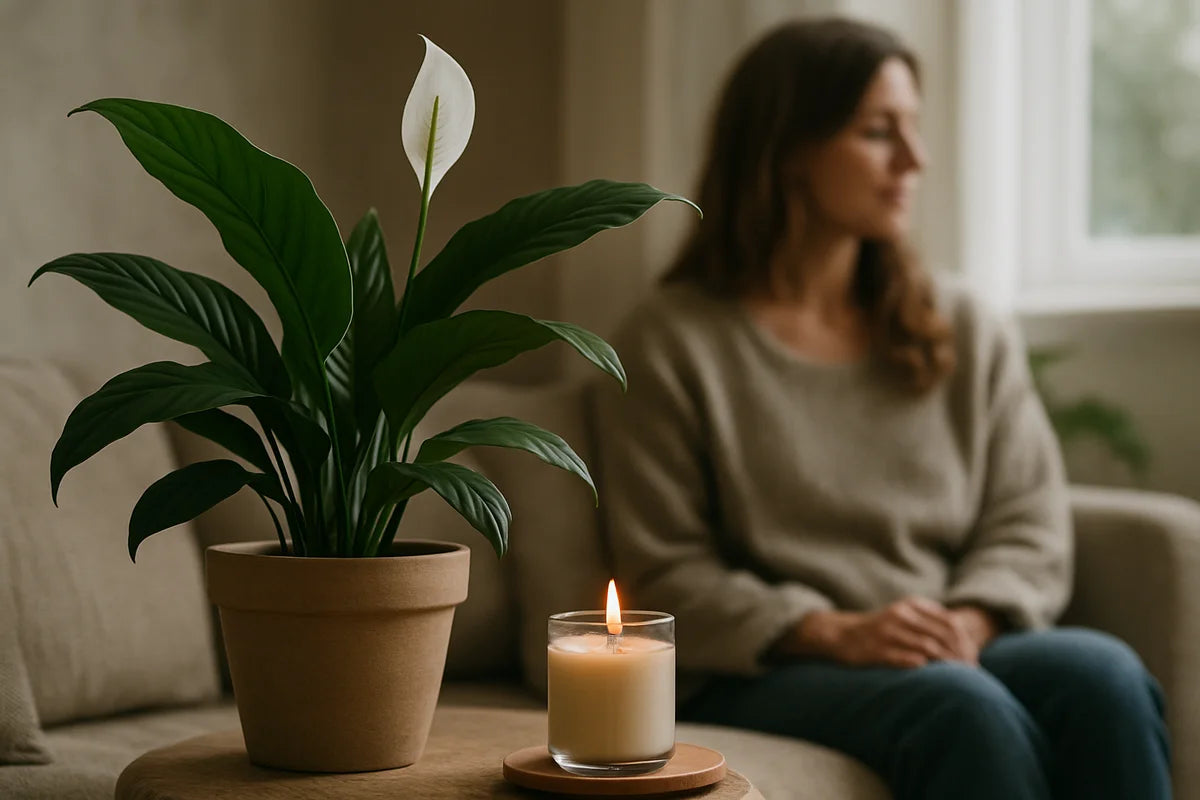
Nature cues can lower stress for many people, but don’t turn plants into another chore. One healthy plant beats five dying ones.
- If you forget to water, try pothos, snake plant, or ZZ plant
- If you want fragrance, try a small herb pot near a window (mint, basil)
- If you have low light, choose plants that tolerate it and place them near the brightest spot you have
No sunlight? Use a simple grow bulb in a clamp lamp and keep one plant alive on purpose. That’s enough.
Build small routines that keep the calm
Creating a calming indoor environment for mental health works best when the space stays close to “reset.” That doesn’t mean spotless. It means you can get back to calm in ten minutes.
Try these low-effort resets
- Two-minute tidy before bed: clear one surface and take cups to the sink.
- Morning air swap: open a window for a few minutes or run a fan.
- Light shift at sunset: switch to lamps and warm bulbs.
- One load rule: if you start laundry, finish that cycle the same day.
These routines work because they’re small. They don’t rely on motivation.
Where to start this week
If your home feels overwhelming, don’t try to fix everything. Pick one room and one problem. Then do one task that takes under 30 minutes.
- If you feel wired at night, change your bulbs or add a lamp.
- If you feel tense in the living room, clear one surface and add a soft throw.
- If your space feels stuffy, improve ventilation and consider a properly sized air purifier.
- If noise drains you, add a rug or run steady background sound.
Once you feel the difference, build from there. Calm isn’t a single “perfect” setup. It’s a home that supports you on normal days and makes hard days a bit easier. Your next step is simple: choose one change you’ll notice tonight, then make it real.