Indoor air can get stale fast. Cooking, cleaning sprays, smoke from outside, pet dander, damp basements, and even new furniture can all add to the mix. If you’ve ever walked into a room and thought, “This air feels heavy,” you’ve already met the problem.
A “nature air purifier” usually means using natural tools to improve indoor air: plants, fresh air, sunlight, and moisture control. Some people also use mineral-based filters like activated carbon (made from coconut shells or wood). These approaches can help, but they work best when you match them to the real sources of indoor pollution.
This article breaks down what nature-based air cleaning can and can’t do, how to set up a practical plan at home, and when a mechanical purifier makes sense.
What’s actually in indoor air?
Before you try to clean the air, it helps to know what you’re trying to remove. Most indoor air problems fall into a few buckets:
- Particles: dust, pollen, pet dander, smoke, soot
- Gases (VOCs): fumes from paints, glues, cleaning products, air fresheners, new flooring, and some cosmetics
- Moisture and mold: musty smells, damp walls, condensation, mold spores
- Biological bits: viruses and bacteria carried in droplets and aerosols
The tricky part is that “clean air” isn’t one thing. A plant might help with trace VOCs under lab conditions. It won’t pull wildfire smoke out of a living room in an hour. For health basics and plain-language guidance, the EPA’s indoor air quality resources are a solid starting point.
What people mean by “nature air purifier”
When someone searches for a nature air purifier, they usually want a solution that feels simpler and safer than a machine. In practice, it tends to mean one or more of these:
- Houseplants that may absorb small amounts of certain gases
- Fresh-air ventilation (opening windows, using exhaust fans)
- Activated carbon or charcoal products that adsorb odors and some VOCs
- Humidity control to reduce mold and dust mites
- Low-toxin habits: cleaning choices, fragrance-free products, source control
These are real tools. They’re just not interchangeable. Your best “natural” setup depends on what’s causing your air problem.
Houseplants: helpful, but not magic
Plants look alive because they are. They can make a space feel calmer, and they do interact with air. But the big question is whether they clean a room’s air in a meaningful way.
What the research says in plain English
Many classic plant studies took place in sealed lab chambers. That’s not your home. In most real rooms, air changes, furniture, dust, and human activity swamp the small air-cleaning effect plants can provide.
A careful review in Nature’s indoor plant air quality analysis found that while plants can remove VOCs in controlled settings, you’d need an unrealistic number of plants to match the cleaning power of ventilation and filtration in a typical building.
So should you skip plants? No. Just treat them as support, not your only plan.
When plants still make sense
- You want a low-effort boost to comfort and perceived freshness
- You’re pairing plants with ventilation and good cleaning habits
- You want a visual reminder to care for your indoor environment
Plant choices that tend to be easy to live with
If you want plants as part of a nature air purifier setup, pick hardy ones you’ll actually keep alive:
- Snake plant (Sansevieria): tough, low water needs
- Pothos: grows fast, tolerates low light
- Spider plant: forgiving, common, easy to propagate
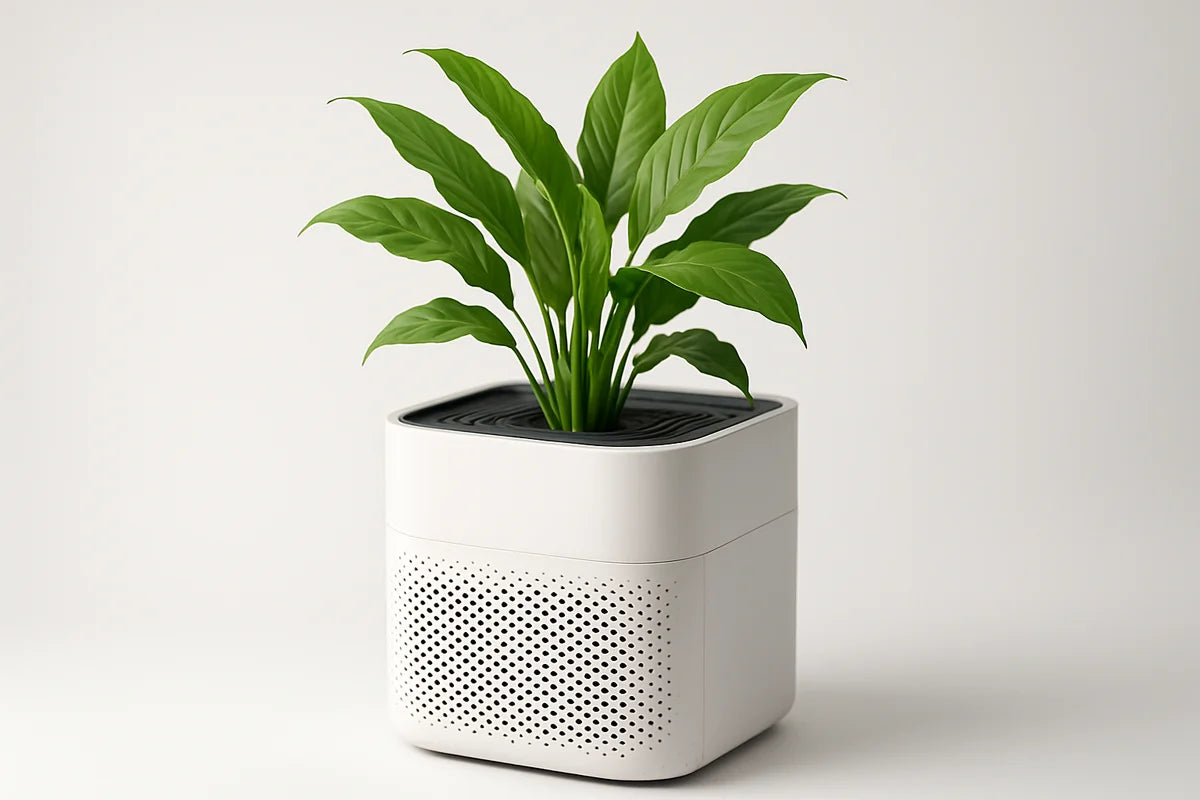
- Peace lily: likes consistent moisture, watch for pets (toxic if chewed)
One caution: overwatering can raise humidity and invite mold gnats. If a “natural air purifier” creates a damp corner, it backfires.
Fresh air: the most underrated “natural purifier”
Ventilation is the simplest nature-based air cleaning. You dilute indoor pollutants by replacing stale indoor air with outdoor air.
Two problems can limit this:
- Outdoor air may be worse (wildfire smoke, high pollen, traffic)
- Some homes don’t get good cross-breezes, so air barely moves
Use targeted ventilation where pollution starts
- Run the kitchen exhaust when you cook, especially frying or searing
- Use the bathroom fan during showers and for 20 minutes after
- If you paint or use strong cleaners, ventilate hard and keep kids and pets out
For a practical look at ventilation and filtration as a health tool, ASHRAE’s guidance on filtration and air cleaning explains how air movement and filters work together in real buildings.
Open windows strategically (not just “when you remember”)
Try this simple routine:
- Pick two windows on opposite sides of your home (cross-ventilation beats one open window).
- Open for 5 to 15 minutes if outdoor air is decent.
- Do it after cooking, after cleaning, and when you bring in new items that smell “new.”
If you live near heavy traffic, open windows during off-peak hours. If pollen hits you hard, you may need to ventilate in shorter bursts and rely more on filtration during peak season.
Activated carbon: nature’s odor and VOC helper
Activated carbon (sometimes sold as activated charcoal) comes from natural materials like coconut shells. It has a huge internal surface area that can adsorb odors and certain gases. This makes it a useful part of a nature air purifier approach, especially for:
- Cooking smells that linger
- Light chemical odors (paint off-gassing, new furniture smells)
- Pet and trash odors (when you also clean the source)
But carbon has limits:
- It fills up and stops working, so it needs replacement
- It doesn’t remove particles like dust and pollen well (that’s a job for HEPA-style filtration)
- Small “charcoal bag” products can help with mild odors in small spaces, but they won’t clean a whole home
If you want carbon to matter, look for enough carbon weight, clear replacement guidance, and a decent airflow path. A tiny pouch placed behind a couch won’t do much.
Humidity control: the natural purifier most homes need
Humidity shapes indoor air quality more than many people think. Too much moisture feeds mold. Too little dries your eyes and throat and can make a room feel dusty.
A good target for many homes is around 30% to 50% relative humidity. The best number depends on climate, season, and your building. If you want a deeper look at comfort ranges and moisture problems, the U.S. Department of Energy’s humidity control guide lays out the basics without fluff.
Quick signs your humidity is off
- Condensation on windows: often too humid (or poor window insulation)
- Musty smell in closets or basements: moisture and likely mold risk
- Static shocks and dry skin: often too dry
Simple fixes that work
- Use a dehumidifier in damp basements and empty its tank often (or use a drain hose).
- Fix leaks fast. Don’t “watch” a leak for weeks.
- Don’t block airflow to cold exterior walls with packed storage.
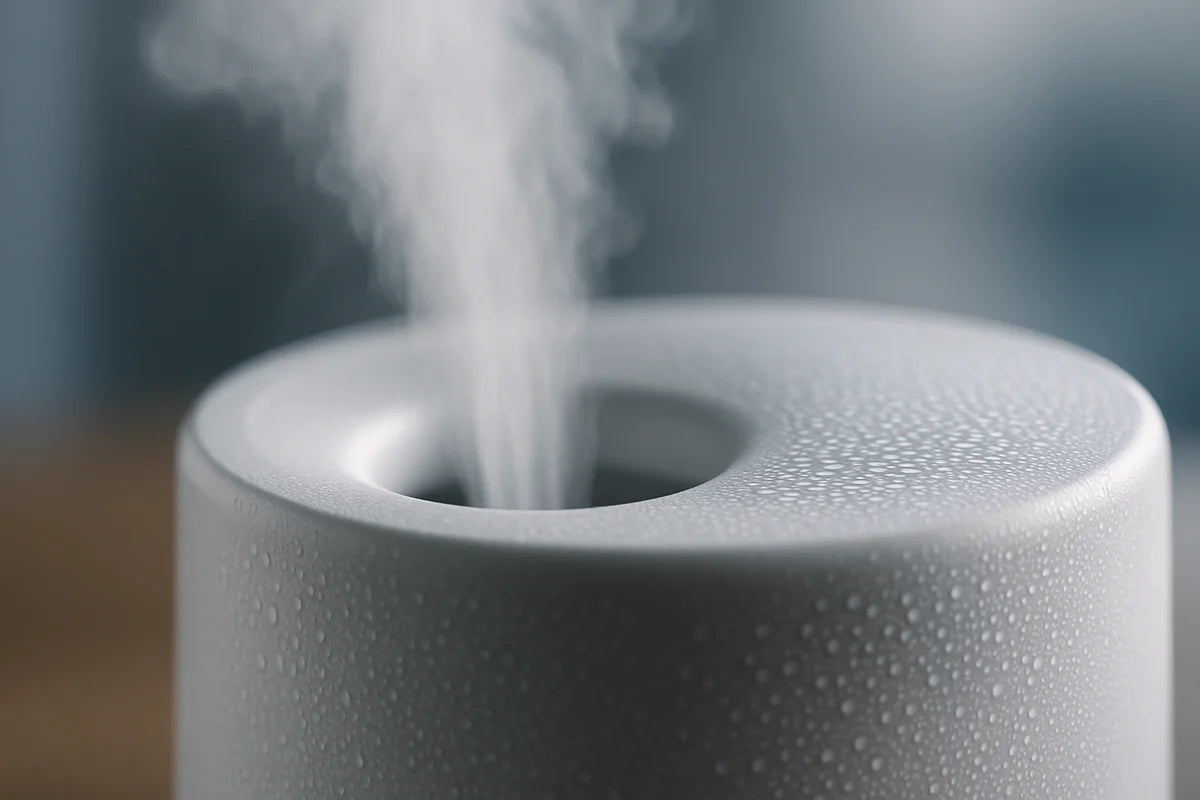
- If the air gets too dry in winter, use a humidifier but clean it on schedule to avoid microbial growth.
Source control: the clean-air move that costs the least
The best nature air purifier is often the choice you make before pollution enters the air.
Swap products that add fumes
- Skip air fresheners and scent plug-ins. They mask odors and can add VOCs.
- Choose fragrance-free cleaners when you can.
- Store paints, solvents, and strong chemicals outside living spaces if possible.
Change a few daily habits
- Use lids and run the exhaust fan when you cook.
- Vacuum with a sealed system if you have allergies.
- Take shoes off at the door to cut tracked-in dust and pollen.
- Wash bedding weekly in hot water if dust mites bother you.
If you want a practical explanation of why indoor pollutants build up and what actions help most, IQAir’s indoor air quality primer gives a clear overview that’s easy to apply at home.
When you’ll need a mechanical purifier anyway
Nature-based methods help, but they don’t cover every case. Consider a mechanical air purifier if you deal with:
- Wildfire smoke or frequent outdoor smoke
- Severe allergies (pollen, pet dander, dust mites)
- Construction dust or a home near heavy traffic
- Household members with asthma or other breathing issues
A true HEPA purifier targets particles. Carbon targets odors and many gases. The best units often combine both.
How to size a purifier for your room
Ignore vague marketing like “covers large rooms.” Look at CADR (Clean Air Delivery Rate) and match it to room size. If you want a quick way to estimate what you need, AHAM’s CADR and room size guidance explains the rating system used across many brands.
Even if you prefer a nature air purifier approach, a small purifier in a bedroom can be a smart “sleep upgrade” when pollen or smoke hits.
Build your own nature air purifier setup: a room-by-room plan
You don’t need to do everything. Pick the moves that match each room’s problems.
Bedroom: cleaner air where you spend the most time
- Ventilate for 5 to 10 minutes daily if outdoor air is decent.
- Keep one or two easy plants if you like them, but don’t overcrowd the room.
- Control dust: wash bedding weekly, vacuum regularly, keep clutter low.
- If allergies wake you up, add a small HEPA unit and run it at night.
Kitchen: manage particles and fumes at the source
- Use the exhaust fan every time you cook on the stove.
- Clean grease buildup. Grease holds odors and particles.
- If you cook often, consider a purifier with carbon nearby, but don’t block airflow.
Bathroom: win the moisture battle
- Run the fan during showers and after.
- Hang towels to dry fast. Wet towels keep humidity high.
- Fix grout and caulk gaps before mold takes hold.
Living room: reduce dust and keep air moving
- Open windows for short cross-breezes when you can.
- Use a doormat and a shoes-off rule if outdoor dust is an issue.
- Choose furnishings you can clean. Heavy fabric traps dust.
Common mistakes that make “natural air cleaning” fail
- Buying plants and ignoring the real source (like a damp basement or a smoky stove).
- Overwatering plants and raising indoor humidity.
- Relying on scented products to “freshen” air instead of removing the cause.
- Opening windows during bad outdoor air days (smoke, high pollen, high ozone).
- Using a tiny charcoal bag and expecting whole-home results.
Looking ahead: cleaner indoor air with less effort
Indoor air awareness is growing, and the tools keep getting better. Cheaper air quality sensors, quieter fans, and better filters will make it easier to respond in real time. You can prepare now without turning your home into a science project.
Start small this week: pick one room, find the main source, and fix it. Add one habit that cuts pollution (use the kitchen fan every time you cook, for example). Then add one nature air purifier element that supports the change, like a short daily cross-breeze or a dehumidifier schedule. If you want plants, choose the ones you can keep healthy and treat them as part of a bigger system, not the system.
Cleaner air comes from a few steady moves, not a single perfect product. That’s good news, because it means you can improve what you breathe without waiting for a major upgrade.