Dust feels like it breaks the rules. You wipe a shelf, turn around, and it’s back. The truth is less mysterious: dust comes from fabric fibers, skin flakes, outdoor dirt, pet dander, and tiny bits that drift in through doors, windows, and vents. A dust-free environment isn’t about one “deep clean.” It’s about setting up your space so dust has fewer ways to enter, fewer places to settle, and fewer chances to get kicked back into the air.
This beginner’s guide to maintaining a dust-free environment gives you a clear plan that fits real life. You’ll learn where dust comes from, what tools matter, how to clean in the right order, and which weekly habits keep the problem under control.
What dust is really made of (and why it keeps coming back)

Dust isn’t one thing. It’s a mix, and the mix changes based on where you live and how you use your home. The common sources are:
- Textile fibers from clothes, towels, bedding, rugs, and upholstered furniture
- Skin flakes and hair from people and pets
- Outdoor soil and pollen tracked in on shoes and blown in through gaps
- Cooking particles (especially oils) that cling to surfaces
- Paper fibers from cardboard, books, and stored clutter
Some dust is just annoying. Some can irritate allergies and asthma. If indoor air quality is a concern in your home, the EPA’s indoor air quality guidance is a solid place to understand common triggers and what helps.
The dust cycle most people accidentally create
Many people “dust” by flicking particles off a surface with a dry cloth or feather duster. That looks productive, but it often launches dust back into the air, where it settles again later. The better approach is to capture dust and remove it from the home. That means damp wiping, vacuuming with good filtration, and limiting the things that shed or trap dust in the first place.
Set up your space so dust has fewer hiding spots
If you want a dust-free environment (or close to it), start with the layout and the stuff you keep out. Cleaning gets easier when surfaces stay clear and fabrics don’t act like giant dust nets.
Declutter in a way that actually reduces dust
You don’t need minimalist shelves. You do need fewer dust catchers.
- Store loose papers in closed bins or file boxes instead of open stacks.
- Use cabinets with doors for dishes, pantry items, and small appliances.
- Limit open-shelf decor in bedrooms, where you breathe for hours.
- Choose smooth storage (plastic, metal, sealed wood) over woven baskets that trap dust.
Control what comes in from outside
Outdoor dirt is a major dust source, especially if you live near roads, construction, or dry soil.
- Put a sturdy doormat outside and a washable mat inside.
- Try a shoes-off rule, even if it’s just for carpeted rooms.
- Keep a small shoe tray by the door to catch grit.
- Wipe pet paws after muddy walks.
Pick textiles that don’t hold dust forever
Fabric isn’t the enemy, but some choices make dust control harder than it needs to be.
- Choose washable curtains or blinds you can wipe down.
- Use a low-pile rug instead of a shag rug if allergies are an issue.
- Rotate throw blankets and wash them often.
- Consider washable slipcovers for high-use seating.
Tools that matter (and which ones waste your time)
You don’t need a closet full of gadgets. You need a few items that grab dust instead of spreading it.
Start with these basics
- Microfiber cloths (a few for dry dusting, a few for damp wiping)
- A vacuum with strong suction and good filtration
- A vacuum attachment set (crevice tool, brush tool, upholstery tool)
- A mop or floor cloth for hard floors
- A small caddy so you can move room to room fast
Why filtration matters more than fancy features
If your vacuum leaks fine particles, you’ll stir up dust and put it back into the room. A vacuum with a HEPA filter can help trap smaller particles. For a clear overview of how HEPA filtration works and where it helps, see the U.S. Department of Energy’s air filter guide.
If you already own a vacuum, check these points before you replace it:
- Does it seal well, or do you smell dusty air blowing out?
- Is the filter clean and seated correctly?
- Do you use bags or a bin, and do you empty it without making a cloud?
Avoid these common dusting traps
- Feather dusters: they move dust around more than they remove it.
- Dry rags on glossy furniture: they can scratch and spread fine dust.
- Strongly scented sprays: they don’t remove dust and can irritate sensitive lungs.
The right cleaning order: capture dust, don’t chase it
Order matters. If you vacuum first, then dust a ceiling fan, you’ve done extra work. Use this simple top-to-bottom plan.
Step 1: Start high
Dust falls. Begin with the places most people skip:
- Ceiling fan blades (use a damp cloth or a pillowcase trick to trap dust)
- Light fixtures and the tops of frames
- Curtain rods and high shelves
- Air vents and returns (lightly, so you don’t push debris inside)
Step 2: Wipe surfaces with a slightly damp microfiber cloth
You want the cloth to grab dust, not smear it. For most surfaces, water is enough. For greasy kitchen film, use a mild cleaner and rinse the cloth often.
Quick tip: fold the cloth into quarters. That gives you eight clean sides. When one side looks gray, flip it.
Step 3: Vacuum slow, especially on soft surfaces
Carpets, rugs, and upholstery hold dust deep down. One fast pass won’t cut it. Move slowly and overlap your rows. Pay attention to edges and corners, where dust builds up.
If you want a practical checklist for vacuuming techniques and carpet care, Good Housekeeping’s vacuuming tips give clear, usable guidance without fluff.
Step 4: Finish with floors
On hard floors, vacuum first (or use a dry microfiber pad), then mop lightly. Too much water can damage wood and can leave residue that grabs more dust later.
Room-by-room dust control that beginners can stick with
Different rooms create different dust problems. Use these targeted habits to keep your results longer.
Bedroom: protect the air you breathe all night
- Wash bedding weekly in hot water if you can do so safely for the fabric.
- Use a mattress and pillow cover designed to block dust mites.
- Keep under-bed storage in closed bins, not open baskets.
- Vacuum around the bed edges and baseboards often.
If allergies drive your dust issues, dust mites may play a role. The American Academy of Allergy, Asthma and Immunology’s dust mite resource explains what helps and what doesn’t.
Living room: manage fabrics and high traffic
- Vacuum upholstery and cushions, including under the cushions.
- Wash throw blankets and pillow covers often.
- Keep a lidded basket for remote controls and small items so you can wipe surfaces fast.
- Don’t forget lampshades, which act like dust filters.
Kitchen: stop sticky dust before it starts
Kitchen dust is often mixed with cooking oils, which makes it cling. That’s why cabinets feel grimy faster than a bookshelf.
- Run the range hood when you cook, especially when frying or searing.
- Wipe cabinet fronts and handles weekly.
- Clean the top of the fridge and the area around the stove, where dust and grease meet.
Many people forget the hood filter. Cleaning it helps reduce buildup that can spread around the kitchen. For a clear step-by-step, see This Old House’s range hood filter cleaning guide.
Bathroom: handle lint and powdery products
- Vacuum or wipe around the base of the toilet and behind it.
- Keep cotton swabs and tissues in closed containers.
- If you use powders (baby powder, dry shampoo), apply them away from open shelves and wipe nearby surfaces after.
Home office: paper and electronics make their own mess
- Store papers in closed folders or drawers.
- Wipe your desk often, including the back edge where cords collect dust.
- Clean keyboard and monitor surfaces with the right cloths for electronics.
- Vacuum around power strips and cable clusters.
Airflow, filters, and humidity: the invisible side of a dust-free environment
You can clean perfectly and still feel dusty if air keeps moving particles around. Airflow and humidity make a big difference.
Replace HVAC filters on a schedule you’ll follow
A clogged filter can reduce airflow and may let more dust circulate. Many homes do well with filter changes every 1 to 3 months, but pets, allergies, and wildfire smoke can shorten that window. If you’re not sure what to buy, pick the highest-efficiency filter your system can handle and that your HVAC tech recommends.
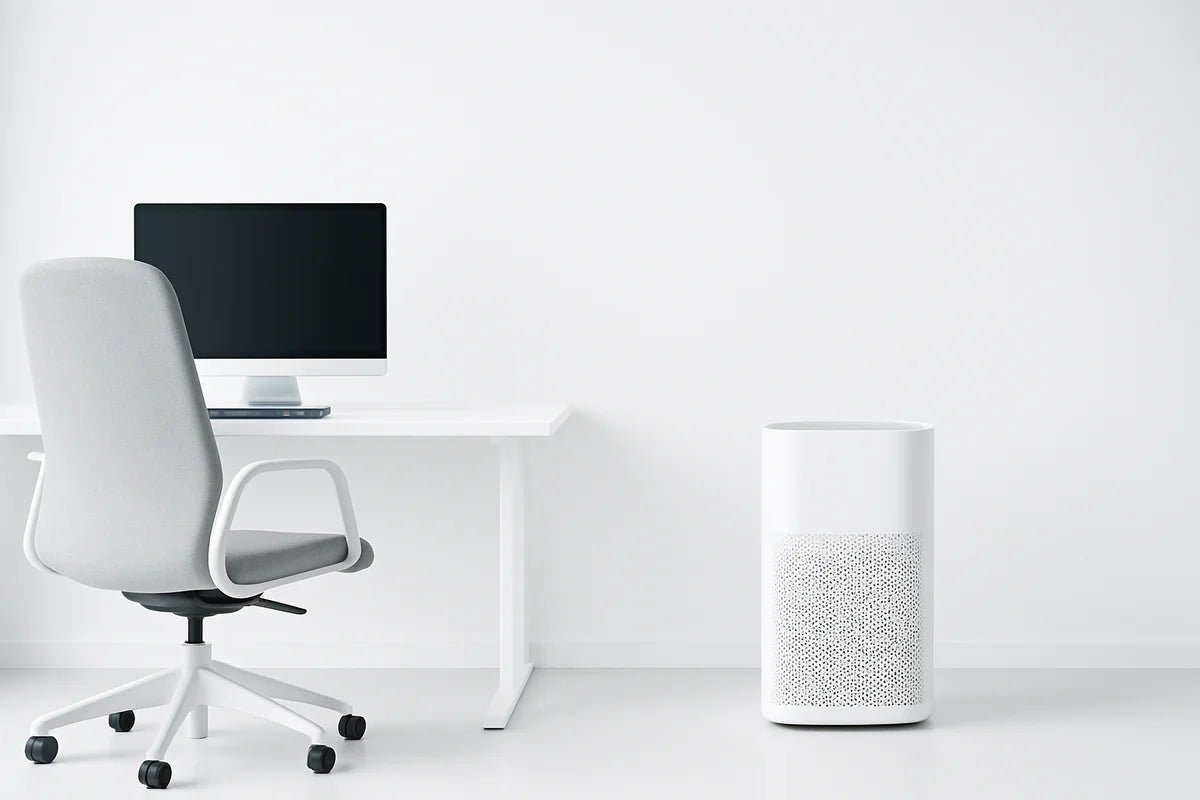
Try an air purifier where it counts
An air purifier can help, but only if you size it for the room and run it often. Look for a unit that lists a Clean Air Delivery Rate (CADR) appropriate for your room size. For a practical way to think about room sizing and performance, Consumer Reports’ air purifier buying guide breaks down what the numbers mean.
Keep humidity in the comfort zone
Very dry air can make dust easier to stir up. Very humid air can support dust mites and mold. Many homes aim for roughly 30% to 50% indoor humidity. A basic hygrometer costs little and removes the guesswork.
A simple schedule you can keep (daily, weekly, monthly)
The best beginner’s guide to maintaining a dust-free environment isn’t strict. It’s repeatable. Use this as a base and adjust to your home.
Daily (5 to 10 minutes)
- Do a quick floor sweep in the entry area and kitchen.
- Wipe obvious crumbs and grit before they become dust.
- Put clutter back into closed storage so surfaces stay clear.
Weekly (30 to 60 minutes per main area)
- Dust high-to-low with microfiber cloths.
- Vacuum rugs, carpets, and upholstery.
- Mop hard floors lightly.
- Wash bedding and pet blankets.
Monthly (pick one project per week)
- Vacuum baseboards, vents, and behind furniture.
- Wipe doors, trim, and window sills.
- Clean range hood filters and check bathroom fan grilles.
- Wash or wipe blinds and curtain tops.
Common mistakes that keep dust coming back
- Dusting with dry tools that throw particles into the air
- Skipping soft surfaces, then wondering why shelves get dusty fast
- Using too much cleaner, which leaves residue that grabs dirt
- Letting clutter pile up on floors and shelves
- Forgetting the entryway, the main dust pipeline into the house
Where to start this week (and how to make it stick)
If your home feels dusty all the time, don’t try to fix every room in one day. Start where you’ll feel the change.
- Set up the entryway: two mats and a shoes-off habit in carpeted areas.
- Do one high-to-low clean in your bedroom, then wash the bedding.
- Vacuum upholstery and the main rug slowly, using the right attachment.
- Check your HVAC filter and set a reminder to replace it.
- Pick one dust trap to remove or enclose (an open paper pile, an overstuffed shelf, a fabric-heavy corner).
Once those steps feel normal, your home won’t just look cleaner. It will stay cleaner with less work. That’s the real win: a dust-free environment becomes a routine you barely think about, not a weekend project you dread.