Improving Focus and Productivity With Indoor Plants
You don’t need a new app to focus better. Sometimes you need a calmer room, cleaner air, and a work spot that feels good to sit in. Indoor plants can help with all three. They soften hard edges, add a living cue for breaks, and may even support attention by lowering stress and mental fatigue.
This guide explains how indoor plants can support focus and productivity, which plants work best for real homes and offices, and how to set them up so they help instead of becoming another chore.
Why indoor plants can help you focus

Focus is not just willpower. Your brain reacts to your setting all day. Light, noise, air, clutter, and even the feeling of dryness in your nose can change how well you think. Plants won’t solve every problem, but they can nudge your space in a better direction.
Plants can lower stress, which frees up attention
When you feel tense, your mind scans for threats and distractions. That makes deep work harder. A growing body of research links contact with nature to lower stress and better mood. That includes indoor nature, not just hikes.
One widely cited study on indoor plants and stress responses appears in the Journal of Environmental Psychology. The details vary across studies, but the pattern is consistent: greenery tends to make people feel calmer and more comfortable in a room. Calm matters because it makes sustained attention easier.
Plants can make a workspace feel more pleasant, so you stay with the task
Motivation often comes down to friction. If your desk feels harsh or sterile, you look for reasons to leave it. A plant adds color and texture without adding clutter. It can make the space feel cared for, which makes it easier to sit down and start.
Plants may support better indoor air, but don’t expect miracles
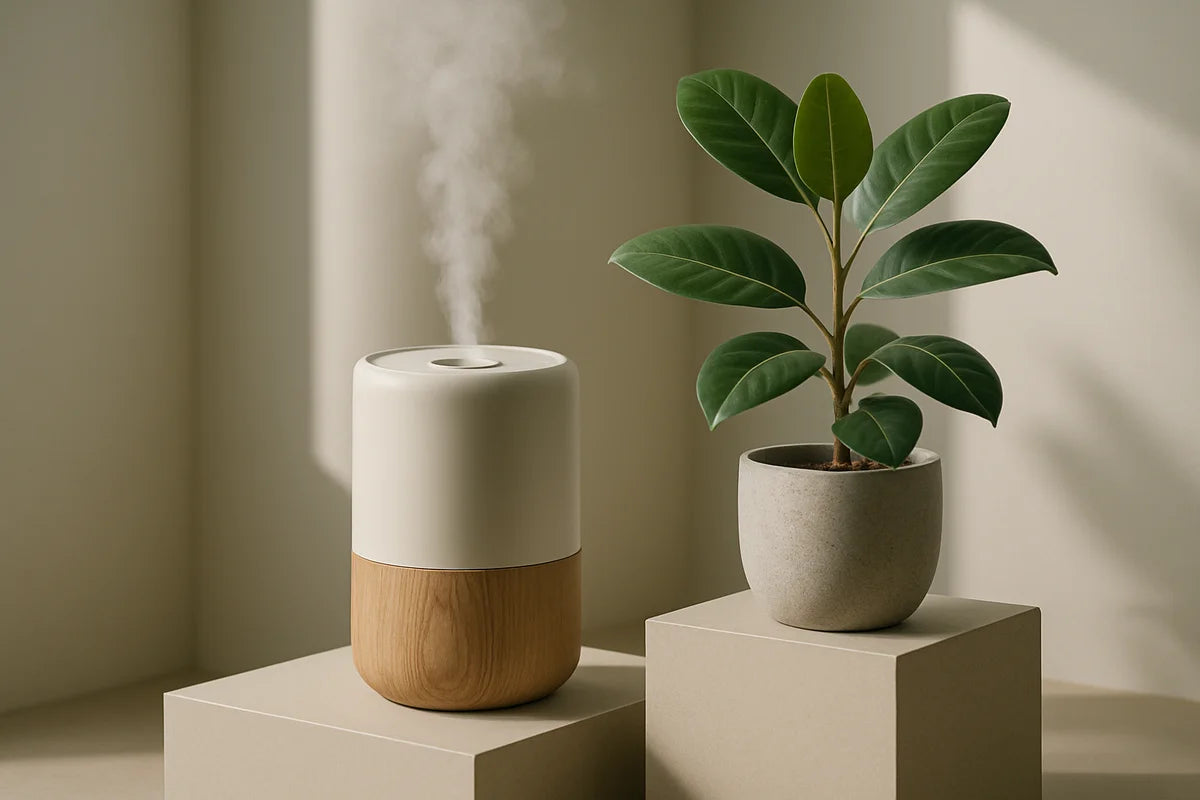
Many people buy plants for “air purification.” Plants do interact with air, but the real-world effect in a normal room is modest. A lab test isn’t the same as a home office with doors opening, fans running, and dust settling.
If you want the careful version of the story, read EPA guidance on indoor air quality. Ventilation and source control matter most. Plants can still play a supporting role, and even if the air impact is small, the visual and stress effects can still help productivity.
Plants can act as “soft timers” for breaks
Good work needs breaks. A plant gives you a natural, quick reset: you look up, water it, wipe a leaf, then return to the task. That tiny ritual can stop you from sliding into a 20-minute phone scroll.
Which indoor plants work best for focus and productivity
The best plant for productivity is the one you keep alive. Dead plants don’t help your mood. Pick plants that fit your light, your schedule, and your tolerance for mess.
Low-effort plants for busy people
- Snake plant (Sansevieria): tough, slow growing, fine with low light, hates overwatering
- ZZ plant (Zamioculcas zamiifolia): handles low light, stores water in its roots, great “forgetful” plant
- Pothos: fast growing, easy to propagate, clear sign when it needs water (leaves lose firmness)
- Spider plant: forgiving, grows “babies,” works well on shelves and ledges
Plants that add calm without taking much space
- Peace lily: bold leaves, clear droop signal when thirsty, likes medium light
- Chinese evergreen: steady growth, tolerates lower light, looks tidy
- Philodendron (heartleaf): easy vine, good for a bookcase near your desk
Plants that can support a better work rhythm
If you like routines, choose plants that respond well to regular care. You’ll notice progress, which can reinforce habits.
- Herbs (mint, basil, rosemary): reward you with scent and use, need bright light and more frequent watering
- Succulents: good for bright windows, teach restraint with watering
- Rubber plant: steady, upright growth, good “anchor” plant for a corner
Safety note for homes with pets and kids
Some common houseplants irritate mouths or stomachs if chewed. If you have a curious cat, dog, or toddler, check toxicity before you buy. The ASPCA plant safety database is a practical, easy reference.
How to set up plants for better focus (without clutter)
Plants help most when they support your workflow. Bad placement turns them into a distraction, a mess, or a light blocker. Use simple rules.
Place one plant in your line of sight, not on your work surface
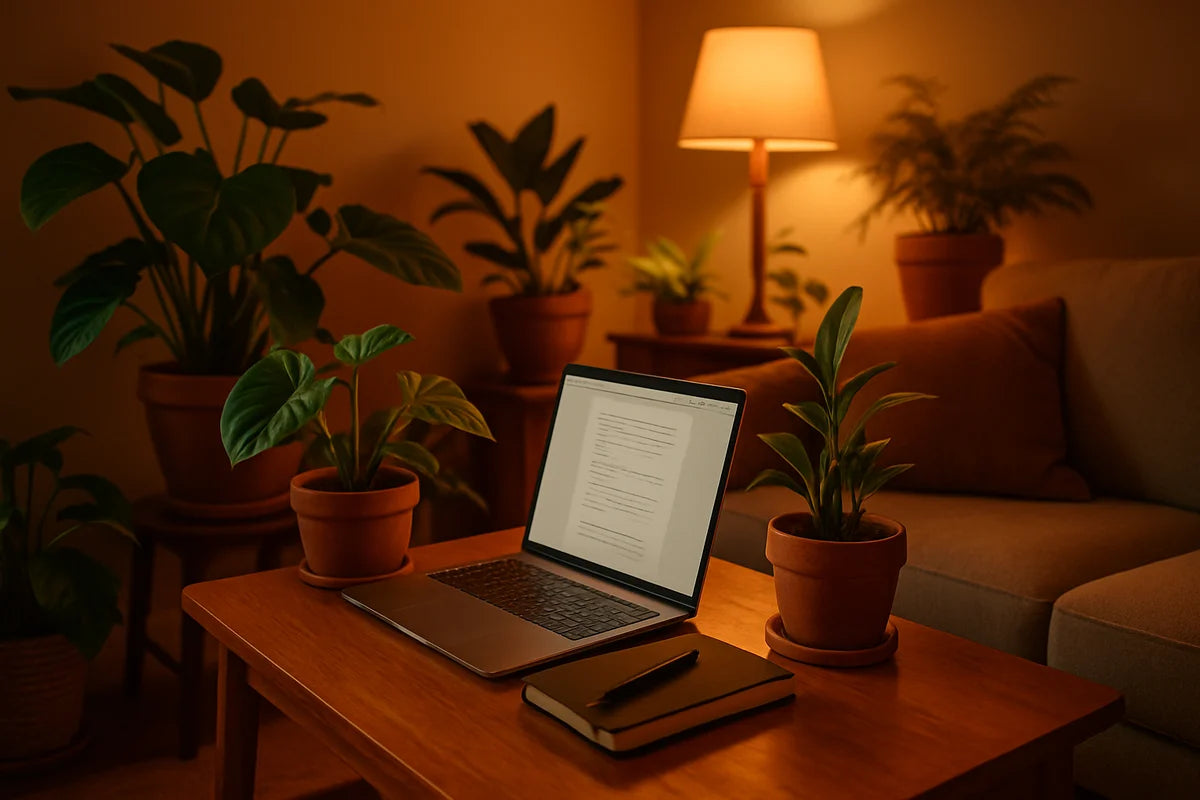
If your desk is already crowded, don’t add another thing where your hands need to move. Put a plant slightly off to the side or behind your screen. You’ll still see green when you look up, but you won’t fight for space.
Good spots:
- On a shelf behind your monitor
- On a windowsill near your desk
- On a small stand beside the desk
Match the plant to the light you actually have
Most “low light” plants still like bright, indirect light. Low light just means they won’t die fast. If you work in a dim room, pick a plant that truly tolerates it, or add a small grow light.
If you want a quick way to estimate brightness, a phone light meter can help. As a simple practical tool, you can use a free lux calculator to understand light levels and what they mean in plain numbers. You don’t need to get perfect. You just need to avoid a mismatch.
Use containers that prevent mess
Soil spills ruin the “calm desk” effect. Pick pots with saucers, or use a cachepot (a decorative pot that holds a plastic nursery pot). If you water at the sink and let it drain, you reduce leaks and fungus gnats.
- Use a saucer or tray under every pot
- Choose heavier pots for tall plants so they don’t tip
- Avoid tiny pebble top-dressings if you hate cleaning
Group plants in one “green zone”
One plant can help. Three plants scattered around the room can start to feel like clutter. Try one cluster instead: a tall floor plant, a medium shelf plant, and a small accent plant. That gives you visual impact without chaos.
A simple care plan that won’t steal your time
Indoor plants should support productivity, not compete with it. The best care plan is boring and repeatable.
Follow a weekly 10-minute plant check
Pick one day. Set a reminder. Walk your plants with a watering can and do a quick scan.
- Touch the soil and water only when the top inch feels dry (most common plants)
- Empty excess water from saucers after 15-30 minutes
- Remove dead leaves to prevent pests
- Turn pots a quarter turn so growth stays even
Water less than you think
Overwatering kills more houseplants than under-watering. Roots need air. If the soil stays wet, roots rot and gnats show up. If you struggle with this, choose drought-tolerant plants like snake plant, ZZ, and many succulents.
Keep leaves clean to reduce dust and help the plant work
Dusty leaves block light. They also look dull, which undercuts the point of having plants in your workspace. Wipe broad leaves with a damp cloth once a month. For smaller leaves, a quick shower rinse works.
Know the top two pest problems and fix them fast
- Fungus gnats: let the soil dry more between waterings, use sticky traps, and consider a top layer of coarse sand
- Spider mites: rinse the plant, increase humidity a bit, and wipe leaves regularly
If you want plant-specific care that’s easy to follow, the Royal Horticultural Society houseplant guides offer clear basics without hype.
Make plants part of your productivity system
The goal isn’t to “decorate.” The goal is to work better. Here are simple ways to tie indoor plants to focus and productivity.
Use plants as a cue to start work
Choose one small action you do before you begin. It could be checking soil moisture or misting a fern. Keep it under one minute. Over time, that action becomes a start signal.
- Sit down and clear one item from the desk
- Look at the plant and do the one quick care step
- Open your task list and pick the next action
Use a “green break” instead of a phone break
When your brain stalls, stand up and look at your plants. Water one if needed. Trim one yellow leaf. Then sit back down. You still get a reset, but you don’t fall into endless scrolling.
Pair plants with better air habits
If you care about indoor air because it affects your energy, don’t stop at plants. Use plants as your reminder to do the basics.
- Open a window for 5 minutes when weather allows
- Run a bathroom or kitchen fan during moisture-heavy tasks
- Vacuum or dust weekly to reduce allergens
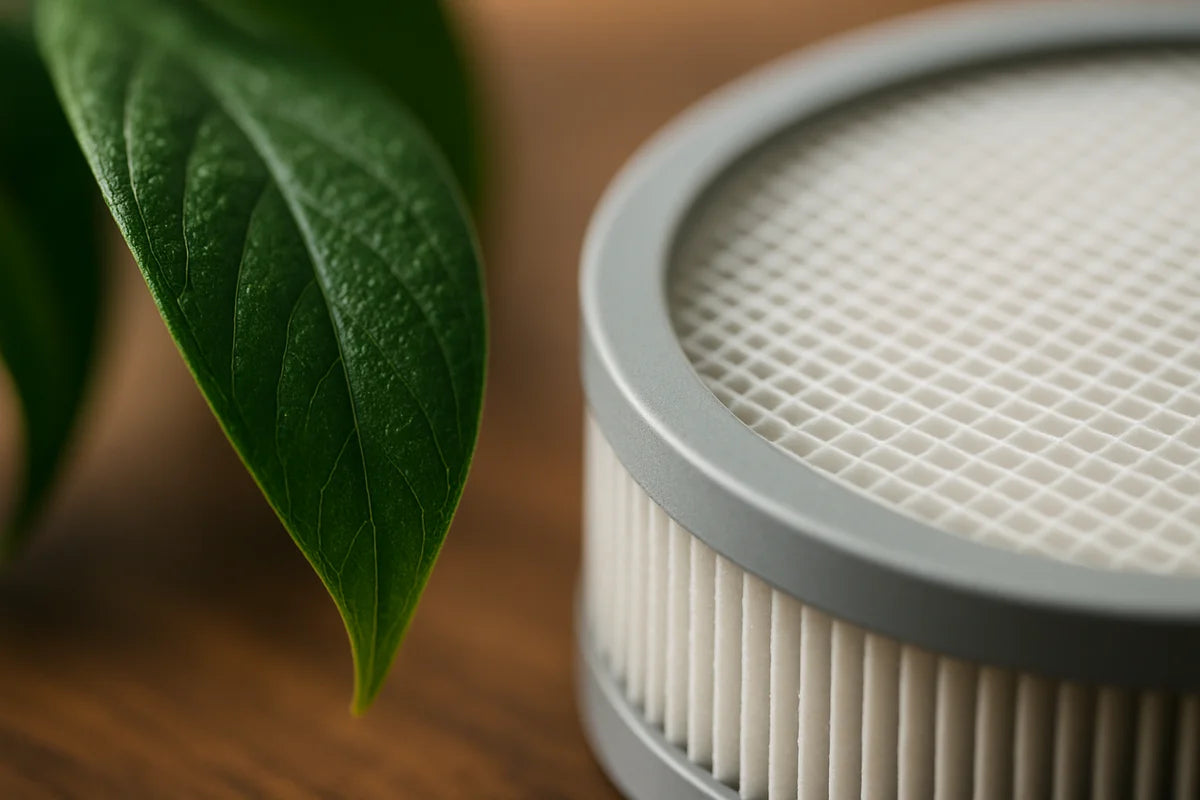
- If you use an air purifier, replace filters on schedule
For a grounded look at what plants can and can’t do for air in buildings, a review in Building and Environment discusses limits and practical context.
Room-by-room ideas for improving focus and productivity with indoor plants
Home office
- One upright plant in a corner (rubber plant or dracaena) to soften the room
- One trailing plant on a shelf (pothos) to add green without using desk space
- Keep the desk clear except for a small, easy plant only if you enjoy daily care
Bedroom workspace
- Choose low-fragrance plants if scent distracts you
- Avoid cluttering the nightstand with too many small pots
- Pick one calm focal plant near natural light
Kitchen or dining table “work spot”
- Use herbs if you get good sun and want something useful
- Choose a plant that can handle temperature swings away from the stove
- Use a tray to catch water and soil
Work office or cubicle
- Pick hardy plants that tolerate fluorescent light (ZZ, snake plant, Chinese evergreen)
- Use a self-watering pot if you travel often
- Keep it small enough that it doesn’t invade shared space
Common mistakes that hurt focus (and how to avoid them)
Buying plants that need high care
That fussy plant might look great on a feed, but it can turn into a guilt project. Start with one forgiving plant. Add more only after the first one thrives.
Overfilling the room with pots
More plants do not always mean more calm. Too many objects in your field of view can pull attention. Aim for a few larger plants instead of many tiny ones.
Placing plants where they block light or movement
If you bump into a pot, you’ll resent it. If a plant blocks daylight, you may feel more tired. Put tall plants in corners and keep walk paths clear.
Ignoring drainage
Drainage is the difference between a clean workspace and a water stain. If a pot has no drainage hole, treat it as a cover pot and keep the plant in a plastic pot inside it.
Quick start: a 3-plant setup that works for most people
If you want a simple plan for improving focus and productivity with indoor plants, this setup fits many homes and takes little effort.
- Snake plant on the floor or a low stand near your desk
- Pothos on a shelf or in a hanging pot near a window
- Peace lily or Chinese evergreen as a medium “center” plant in your line of sight
Do one weekly check. Water only when the soil tells you to. Keep pots tidy. You’ll get the visual calm without a big time cost.
Conclusion
Indoor plants won’t write your to-do list or block every distraction. But they can make your space easier to work in. They add a calm visual anchor, support better habits, and give you a clean way to take short breaks. Start small, pick tough plants, and set them up to stay neat. With a little care, improving focus and productivity with indoor plants becomes less of a project and more of a quiet edge you feel each day.