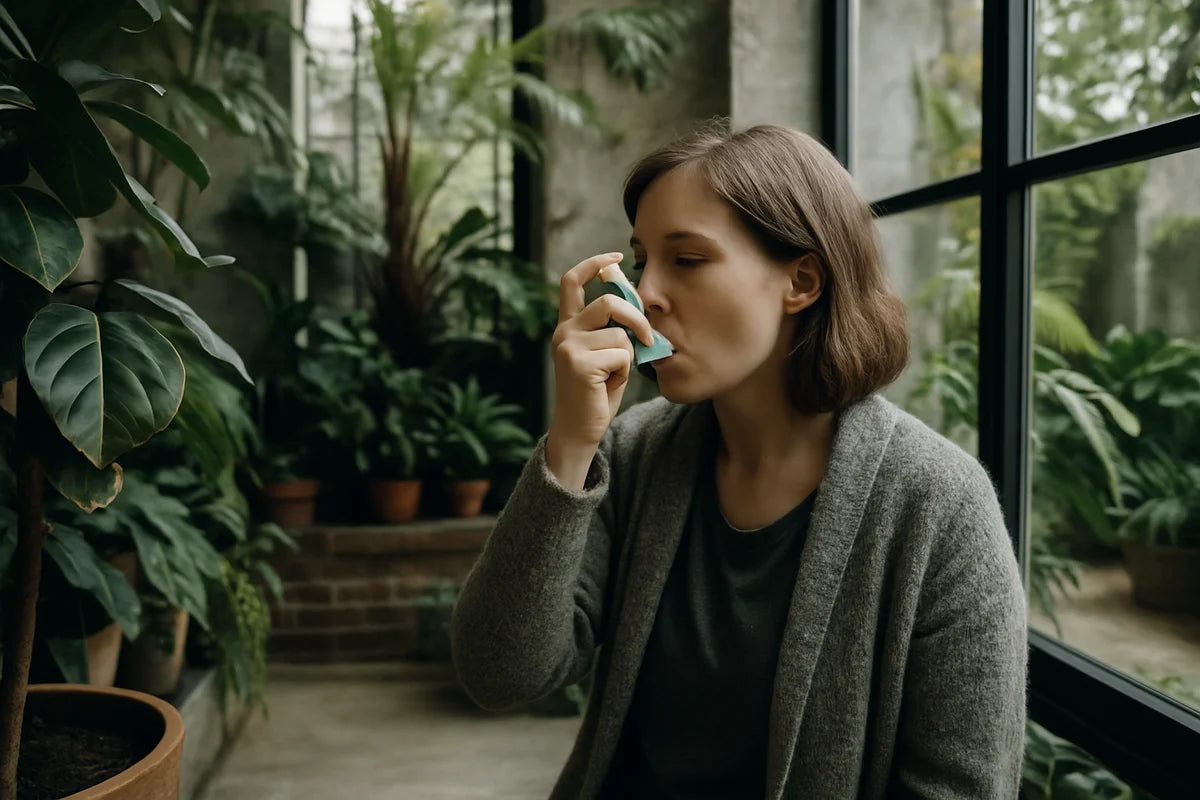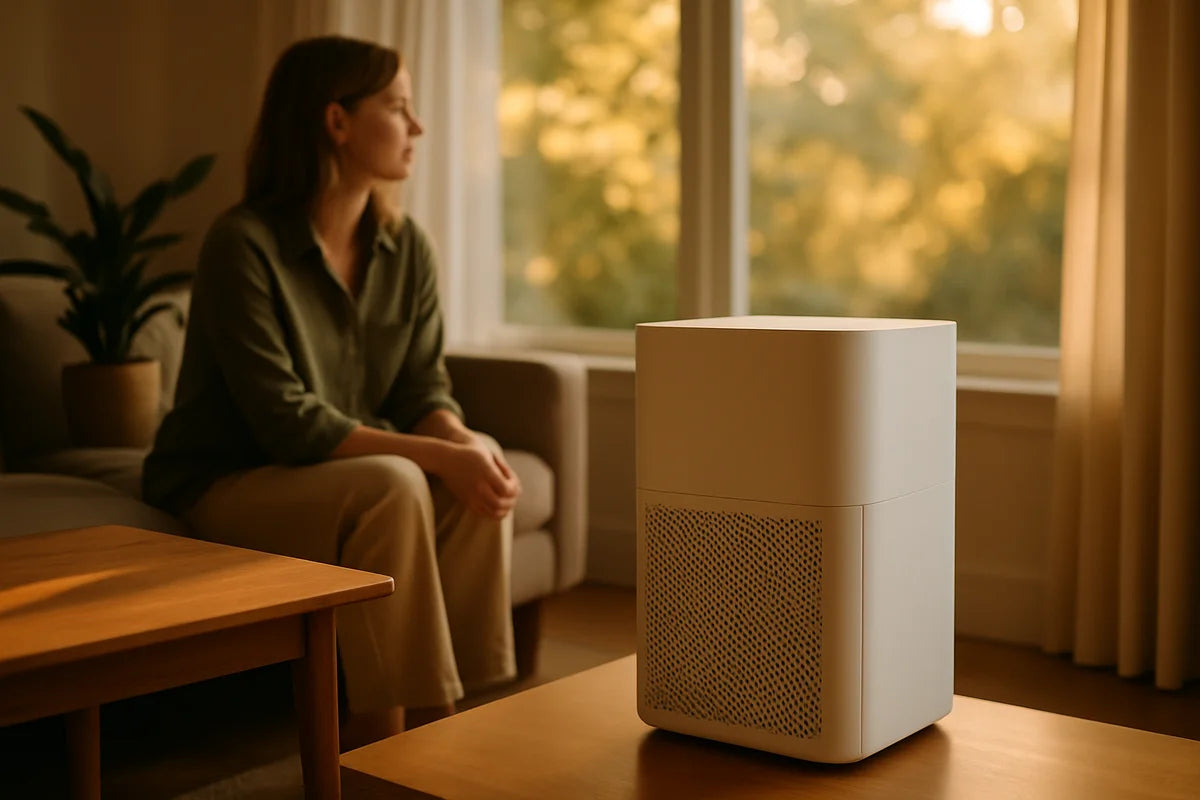
If you live with multiple chemical sensitivity (MCS), “clean air” can mean more than dust-free. A whiff of fragrance from a neighbor’s laundry, fumes from a new chair, or a cleaning product used two rooms away can trigger headaches, nausea, brain fog, or burning eyes. An air purifier can help, but the wrong one can make things worse. Some units off-gas, some generate ozone, and some stir up the air without removing the chemicals that bother you most.
This article breaks down what “low VOC air purifiers for multiple chemical sensitivity” really means, how to pick a unit that won’t add new irritants, and how to set it up so you actually feel a change.
Why VOCs hit harder when you have MCS

VOCs are volatile organic compounds. They’re gases that evaporate from solids and liquids, often at room temp. Paint, adhesives, new flooring, pressed-wood furniture, air fresheners, dry-cleaned clothes, and even some “natural” essential oil blends can release VOCs.
People with MCS often react to very low levels. The science around MCS is still debated, but the day-to-day reality is clear: certain chemicals trigger symptoms. Lowering the total chemical load indoors can reduce flare-ups, and it often starts with indoor air.
For background on indoor pollutants and practical steps, the EPA overview of VOCs and indoor air gives a solid baseline.
What “low VOC” should mean for an air purifier
An air purifier doesn’t “remove VOCs” just because the box says it helps with odors. It also doesn’t count as “low VOC” just because it has a HEPA filter. You want two things at the same time:
- The purifier itself should not off-gas much (low-emitting materials, low-odor plastics, minimal adhesives).
- The purifier should remove the pollutants that trigger you (often particles plus some gases).
That second point matters because many MCS households buy a strong HEPA unit and still feel sick. HEPA targets particles like dust, pollen, pet dander, and smoke particles. VOCs are gases. Removing gases usually requires a sorbent material such as activated carbon, sometimes paired with other media.
Filters that matter for MCS
True HEPA for particles you can’t see
Even if chemicals are your main trigger, particles still play a role. Wildfire smoke, fine dust, and allergens can keep your system on high alert. Look for “True HEPA” and a clearly stated efficiency rating. If you want a deeper read on particle filtration and what HEPA does well, IQAir’s HEPA filter explainer is practical and easy to follow.
Activated carbon for odors and many VOCs
Activated carbon works by adsorption. VOC molecules stick to the carbon’s huge surface area. For MCS, carbon often makes or breaks the purchase. Two tips:
- More carbon usually means better gas control. A thin carbon sheet won’t do much for strong chemical events.
- Carbon performance depends on airflow and contact time. A unit that blasts air through a tiny carbon pad may remove less than you expect.
Carbon also saturates. Once it fills up, it can stop working and may start releasing smells back into the room. Plan for replacement and budget for it.
“HEPA + carbon” combos and the fine print
Many popular purifiers include a HEPA filter with a light carbon layer. That setup can cut mild cooking smells, but it may not touch the kind of off-gassing that triggers MCS. If your main issue is fragrance, new materials, or solvent smells, look for a unit with a dedicated, heavy gas media stage (often sold as “VOC,” “gas,” or “smoke” filtration).
What to avoid for MCS: ozone and “ion” features
Some purifiers use ionizers, plasma, or other electrical methods marketed as “fresh” air. A few can produce ozone as a byproduct. Ozone can irritate lungs and worsen symptoms for sensitive people. If you have MCS, you’ll usually do best with a simple mechanical purifier (fan + filters) and no ion mode.
The ASHRAE resources on air cleaning and filtration can help you sort marketing from the basics of what actually cleans air.
How to spot a purifier that won’t off-gas
“Low VOC air purifier” isn’t a regulated category. You have to judge it by signals. None are perfect, but together they reduce risk.
Look for third-party emissions certifications
Some brands test for chemical emissions from the unit itself. If you can find it, that’s helpful. Certifications vary, but the idea is the same: the product emits fewer chemicals into indoor air.
For a general primer on low-emitting products and what certifications try to measure, UL GREENGUARD certification is a good reference point.
Pay attention to smell reports, not just star ratings
For MCS, “quiet” and “looks nice” don’t matter if the unit smells like hot plastic. When you read reviews, search within them for words like “odor,” “off-gassing,” “plastic smell,” and “headache.” Treat those reports as real data.
Choose simpler construction when you can
More features can mean more internal parts, coatings, and adhesives. A straightforward fan unit with replaceable filters often creates fewer surprises than an all-in-one “smart” device packed with extras.
Size and placement make or break results
People often buy a purifier that’s too small, run it on low to keep it quiet, and then wonder why nothing changes. Two factors drive real-world performance: airflow and room mixing.
Use CADR and air changes as a reality check
CADR (clean air delivery rate) measures how much filtered air a purifier delivers for smoke, pollen, and dust. It doesn’t directly rate VOC removal, but it helps you avoid under-sizing.
If you want a quick way to match CADR to room size, the AHAM guidance on CADR and room air cleaners is a practical resource.
Best placement for chemical sensitivity
- Put the unit where you spend the most time, often the bedroom.
- Keep it a few feet from walls and curtains so air can flow.
- Avoid placing it right next to a strong source (like a litter box or trash can) unless you want the filter to saturate faster.
- If one room triggers you most, start there before trying to cover the whole house.
Run it higher than you think, at least at first
For many homes, the difference between “meh” and “I can breathe” comes from running the purifier on a higher setting for the first week, then backing off. If noise bothers you at night, use a higher speed for 1-2 hours before bed, then switch to a lower but steady setting while you sleep.
Choosing the right setup for your triggers
MCS isn’t one-size-fits-all. What helps depends on what sets you off.
If fragrance is your main problem
- Prioritize a purifier with substantial activated carbon or other gas media.
- Control the sources. Ask household members to switch to fragrance-free laundry and cleaning products.
- Ventilate during and after exposure. A purifier helps, but fresh outdoor air (when safe) often speeds relief.
If new furniture, paint, or renovations trigger you
- Delay bringing new items into your main living area when possible.
- Air out items in a garage or spare room with ventilation.
- Run the purifier hard in the “off-gassing” room and keep the door closed if you can.
If you’re planning a bigger home project, it can help to understand how VOCs behave indoors. The IAQ.Works indoor air quality education site has clear explanations of indoor pollutants and mitigation strategies without turning it into a chemistry class.
If smoke is a trigger (wildfire smoke or tobacco)
- HEPA matters a lot for smoke particles. Carbon helps with the smell.
- Seal obvious leaks, then filter. If outdoor smoke pours in, your purifier has to fight a losing battle.
- Replace filters sooner during smoke season. A clogged filter cuts airflow and performance.
How to introduce a new purifier when you’re very sensitive
If you react to new plastics or manufacturing odors, unboxing can be the hardest part. A slow start often helps.
- Unbox outdoors or in a garage if possible. Remove bags, foam, and tape.
- Wipe the exterior with a damp microfiber cloth. Skip scented cleaners.
- Run the purifier in a separate room for 24-72 hours on medium or high, with a window cracked if weather allows.
- Bring it into the target room only after the “new” smell fades.
This won’t turn every unit into a low VOC air purifier, but it can reduce the initial odor spike that causes immediate symptoms.
Maintenance that keeps VOC control working
Maintenance isn’t glamorous, but for MCS it’s part of the health plan. A neglected purifier can become noisy, smelly, or ineffective.
Replace carbon on a schedule, not just when you remember
Carbon doesn’t always look dirty when it’s spent. If chemical odors start lingering longer, treat that as a sign to change the gas filter. If your home has frequent triggers (neighbors’ smoke, shared ventilation, strong outdoor odors), you may need more frequent replacements.
Don’t wash HEPA filters unless the maker says you can
Most HEPA filters aren’t washable. Washing can damage the fibers and lower capture. Stick to the manufacturer’s instructions.
Keep the intake clear
- Vacuum the pre-filter or screen if your model has one.
- Keep pet hair and dust bunnies from building up around the intake.
- Don’t block the outlet with furniture.
Low VOC air purifiers work better when you cut sources
An air purifier can reduce exposure, but it can’t outwork a constant chemical source. If you want the biggest relief, pair filtration with small source changes that don’t upend your life.
Simple swaps that often help
- Switch to fragrance-free laundry detergent and skip scent boosters.
- Drop plug-ins, candles, incense, and spray fresheners.
- Store paints, solvents, and strong cleaners outside living spaces.
- Let dry-cleaned clothes air out before you wear them.
- Choose low-odor trash bags and take out trash more often.
Ventilation still matters
Filtration recirculates indoor air. Ventilation replaces indoor air with outdoor air. When outdoor air is clean enough, a short airing-out can reduce VOC buildup faster than a purifier alone.
If you want a practical way to track when it’s a good time to open windows, tools like AirNow’s local air quality reports help you avoid bringing in smoke and high-pollution air.
Common buying mistakes people with MCS make
- Buying based on hype instead of filter media: a sleek unit with weak carbon won’t help much with VOCs.
- Choosing an ionizer “for freshness”: it can add irritants and doesn’t replace real filtration.
- Under-sizing the purifier: low airflow means low results, even with good filters.
- Running it only when symptoms hit: steady filtering often works better than emergency use.
- Ignoring the room that matters most: start with the bedroom so you can sleep and recover.
Where to start if you want relief this month
If you feel stuck, keep it simple and move in steps:
- Pick one room, usually your bedroom, and make it your low-odor zone.
- Choose a mechanical purifier with True HEPA and substantial gas media, and avoid ozone and ion features.
- Air it out before you live with it. Give your body a calm ramp-up.
- Run it consistently for two weeks and track symptoms in a quick note on your phone.
- Once the bedroom feels better, expand to the next most-used room.
Over time, you can build a home setup that supports your nervous system instead of stressing it. Low VOC air purifiers for multiple chemical sensitivity won’t solve every trigger, but they can give you a cleaner baseline. That baseline matters. It gives you room to think, sleep, and live while you work on the bigger sources one by one.