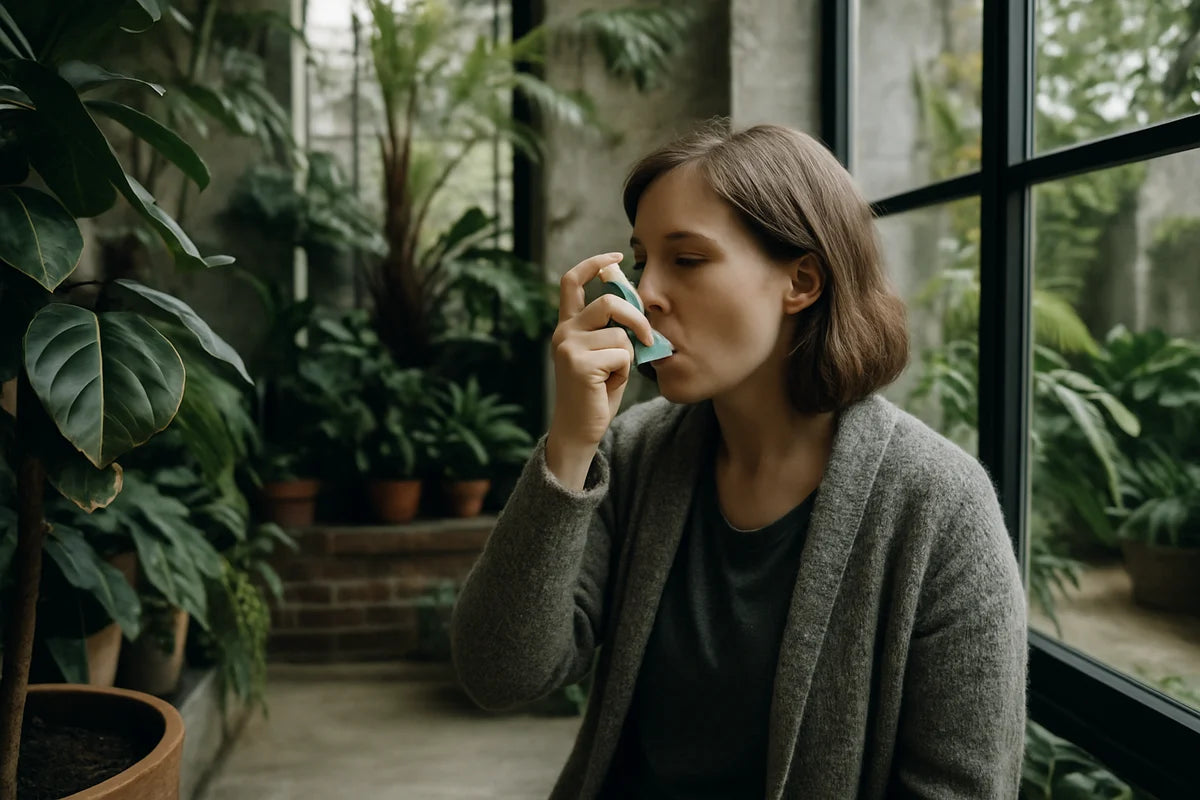
Asthma can turn ordinary spaces into quiet triggers. A stuffy bedroom, a dusty office, a harsh-smelling cleaner, or a room that never gets fresh air can all add up. Medicine matters, but the built environment matters too.
That’s where biophilic design comes in. Biophilic design brings nature into buildings through light, airflow, plants, natural materials, and views. Done well, it can support better indoor air, lower stress, and healthier daily routines. For asthma patients, those changes can make symptoms easier to manage and flare-ups less likely.
This article breaks down the benefits of biophilic design for asthma patients, what’s backed by evidence, and how to apply it in real homes, apartments, schools, and workplaces without turning your space into a greenhouse.
What biophilic design means in plain English

Biophilic design isn’t a single style. It’s a set of choices that help people feel and function better indoors by connecting them to nature. Some of those choices are visual (like a view of trees). Others are practical (like cleaner air and better humidity control).
Common biophilic elements you can actually use
- More daylight and less glare
- Fresh air and controlled ventilation
- Indoor plants chosen for low pollen and low mold risk
- Natural materials that don’t shed harmful dust or fumes
- Nature views, nature sounds, or nature-inspired patterns
- Outdoor access like balconies, patios, or shared green space
For asthma, the goal isn’t “more nature” in a vague sense. The goal is fewer triggers, steadier breathing, and less stress on the body.
How indoor spaces affect asthma symptoms

Asthma airways react to irritants and allergens. Indoors, those triggers often build up because we spend so much time inside, windows stay shut, and some materials release fumes.
The indoor triggers that show up most often
- Dust mites and dust buildup in carpets and soft furniture
- Mold from damp rooms, leaks, or poor ventilation
- Pet dander that sticks to fabric and floats in the air
- Smoke and cooking particles
- Strong odors and chemicals from cleaning products, air fresheners, and paints
- Pollen brought in on clothing, shoes, and open windows
The U.S. Environmental Protection Agency highlights indoor pollutants and moisture control as key parts of healthier indoor air, including steps that reduce asthma triggers. You can read their guidance on indoor air quality.
The benefits of biophilic design for asthma patients

Biophilic design can help asthma in two main ways. First, it can improve the physical conditions of the air you breathe. Second, it can lower stress, which often makes breathing problems feel worse and can even worsen symptoms in some people.
1) Better ventilation habits and cleaner indoor air
Many biophilic spaces prioritize fresh air. That can mean operable windows, better mechanical ventilation, or layouts that reduce stagnant corners. More consistent ventilation helps dilute indoor pollutants from cooking, cleaning, and off-gassing materials.
If you want a clear standard to reference, the American Society of Heating, Refrigerating and Air-Conditioning Engineers sets widely used ventilation guidance. Their residential ventilation standard is discussed at ASHRAE Standard 62.2.
Biophilic design also nudges behavior. People open windows more when a space feels pleasant and quiet, and they use outdoor spaces more when they’re easy to access. Those small habits can reduce how “stale” indoor air gets.
2) Moisture control that reduces mold risk
Mold and dampness trigger asthma for many people. Biophilic design often includes better airflow, smarter bathroom and kitchen exhaust, and materials that tolerate moisture without trapping it.
Good design doesn’t just hide moisture. It prevents it. That means:
- Exhaust fans that vent outside (not into an attic)
- Fixing leaks fast and drying materials fully
- Keeping indoor humidity in a safer range
- Avoiding wall-to-wall carpet in damp areas
For practical steps, the CDC’s guidance on mold cleanup and prevention explains what works and what doesn’t.
3) Less stress, which can ease asthma burden
Stress doesn’t cause asthma, but it can worsen symptoms and make attacks harder to manage. Nature contact can calm the nervous system. That can show up as slower breathing, less muscle tension, and better sleep.
Biophilic design supports that calming effect with daylight, natural views, and quieter spaces. If you’ve ever noticed your breathing feels tighter in harsh lighting or noisy rooms, you’ve felt this link firsthand.
4) Better sleep through light and daily rhythm
Sleep and asthma connect in both directions. Poor sleep can increase fatigue and make symptoms feel more intense. Nighttime symptoms can also disrupt sleep. Biophilic design often improves daylight exposure during the day and reduces harsh light at night, which helps steady your body clock.
Simple changes help more than most people think:
- Open blinds early and get daylight into the room
- Use warm, dim lighting in the evening
- Keep bedrooms cool, dry, and uncluttered
5) A stronger “do the healthy thing” pull
Asthma management takes work. You have to clean, ventilate, track symptoms, and notice patterns. A space that feels good makes those habits easier to keep.
When your home has a comfortable chair near a window, you’re more likely to sit and relax instead of staying in a stuffy bedroom. When your kitchen has a good exhaust fan and pleasant airflow, you’re more likely to cook at home instead of relying on smoky takeout places. Design shapes routine.
Plants and asthma can mix, but you need the right plan
People often hear “plants clean the air,” then buy ten of them and wonder why their allergies flare. Plants can help a space feel calmer and more alive, but asthma patients need to think about pollen, mold in soil, and humidity.
How to use indoor plants without inviting triggers
- Pick low-pollen plants and avoid strongly scented flowers indoors
- Don’t overwater. Soggy soil can grow mold and fungus gnats
- Use pots with drainage and empty drip trays
- Top soil with a barrier layer (like small stones) to reduce mold on the surface
- Keep plants out of bedrooms if you’re sensitive
Also, don’t rely on plants as your air filter. Mechanical filtration and source control do the heavy lifting. If you want a practical guide to choosing and using air cleaners, the Association of Home Appliance Manufacturers has a helpful explanation of CADR ratings for air purifiers.
Biophilic design choices that can reduce common asthma triggers
Here’s where biophilic design gets real. It’s not just about adding a plant. It’s about making the whole space easier to breathe in.
Choose materials that don’t hold dust
Soft materials trap dust, dander, and pollen. That doesn’t mean you need an empty house. It means you should be picky about where you use fabric and how easy it is to clean.
- Use hard flooring where you can, especially in bedrooms
- If you use rugs, pick low-pile rugs you can wash or vacuum well
- Choose washable curtains or simple shades instead of heavy drapes
- Use closed storage to cut dust on open shelves
Control fumes from paint, glue, and “new smell” products
Many asthma patients react to strong odors and chemical irritants. Biophilic design tends to favor natural finishes, but “natural” doesn’t always mean low-odor. The safer path is to choose verified low-emission products and ventilate well during and after changes.
To learn what labels mean, the U.S. Green Building Council explains common indoor air quality strategies used in healthier buildings, including low-emitting materials. See their LEED overview on health-focused building choices.
Use ventilation the right way, not the loud way
Lots of homes have fans people never use because they’re loud. A quiet bath fan and a strong range hood change that. Use them.
- Run the bath fan during showers and 20 minutes after
- Use a vented range hood when cooking, especially frying or searing
- If outdoor air quality is poor, keep windows closed and use filtration instead
Make cleaning easier so you do it more often
Biophilic design often uses simpler forms and fewer dust-catching details. That’s not just a style choice. It reduces the time you spend cleaning, which helps you keep triggers down.
- Swap cluttered surfaces for a few easy-to-wipe zones
- Use a doormat and a shoe-off rule to cut pollen and dirt
- Choose fragrance-free cleaning products when possible
Room-by-room biophilic upgrades that support asthma management
You don’t need a remodel to get the benefits of biophilic design for asthma patients. Start where you breathe the most: the bedroom and the living space.
Bedroom
- Keep humidity steady. Use a hygrometer and aim for a comfortable middle range (often around 30-50%, depending on your climate and clinician advice).
- Use allergen-resistant covers for mattress and pillows if dust mites trigger you.
- Keep pets out of the bedroom if you react to dander.
- Add a simple nature view if possible: place the bed where you can see a window, or hang calm nature photography if you can’t.
Living room
- Create cross-ventilation when outdoor air is clean: open windows on opposite sides for 5-10 minutes.
- Pick one or two easy-care plants and keep them healthy, not waterlogged.
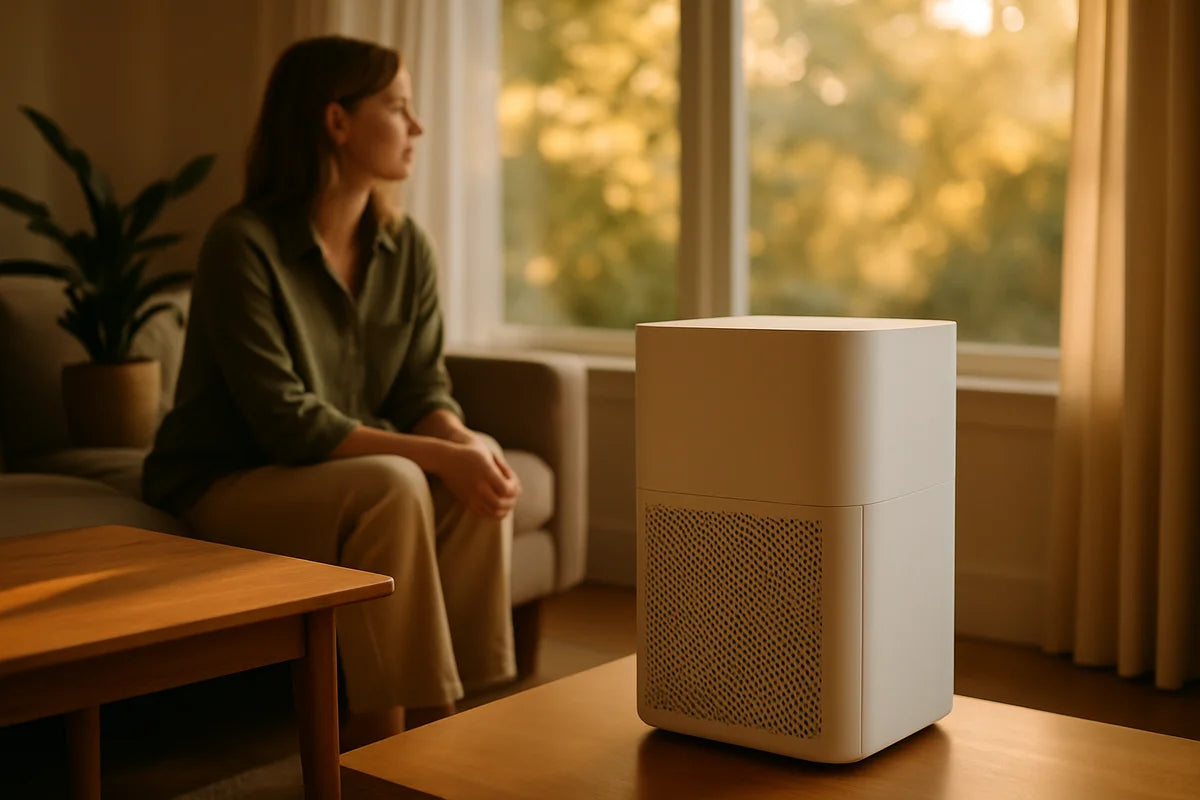
- Use a HEPA air purifier sized for the room if you deal with smoke, pet dander, or seasonal pollen.
Kitchen
- Use the range hood every time you cook.
- If gas cooking bothers your breathing, talk with a clinician and consider shifting some cooking to electric appliances.
- Keep compost and bins sealed to avoid mold and odors.
Bathroom
- Fix leaks fast and dry wet towels outside the bathroom if the room stays damp.
- Run the exhaust fan long enough to clear steam.
- Avoid heavy fragrances, especially in small bathrooms.
How to tell if your changes are working
Asthma can be unpredictable, so it helps to track a few signals before and after changes. You’re looking for patterns, not perfection.
Simple measures you can use at home
- Symptom notes: wheeze, cough, chest tightness, night waking, rescue inhaler use
- Humidity readings with a hygrometer
- Air particle readings if you have a monitor
- Peak flow readings if your clinician recommends it
If you want a practical tool, the EPA’s AirNow air quality index helps you decide when to open windows and when to rely on filtration instead.
When biophilic design can backfire for asthma
Biophilic design helps most when it stays grounded in indoor air basics. A few missteps can create new triggers.
Common pitfalls to avoid
- Too many plants in a small space, especially with damp soil and poor airflow
- Water features that raise humidity or grow mold
- Natural fiber rugs that shed or trap dust if you can’t clean them well
- Opening windows during high pollen days or wildfire smoke events
- Using “natural” scented products that still irritate airways
If you have severe asthma or frequent flare-ups, treat design changes like any other part of your management plan. Go step by step, observe results, and bring your clinician into the loop when needed.
Where to start this week
If you want the benefits without a big budget, start with a short checklist. These changes tend to give the best return for asthma patients.
- Get a hygrometer and check your humidity for a week.
- Make your bedroom a low-dust, low-clutter zone.
- Use bathroom and kitchen exhaust every day, and keep it running long enough.
- Add one nature element that doesn’t add allergens: daylight, a view, or a simple nature print.
- If you add a plant, add one. Keep it healthy and don’t overwater.
Looking ahead
Asthma care keeps moving beyond inhalers and into the places where people live, learn, and work. Biophilic design fits that shift because it links comfort with real environmental control: cleaner air, steadier humidity, and calmer spaces that support sleep and routine.
If you’re planning a renovation, talk with your designer or contractor about ventilation, low-emission materials, and moisture control before you talk about decor. If you’re renting, focus on portable wins like a good air purifier, a dehumidifier if needed, washable textiles, and a small set of biophilic touches that won’t raise humidity or dust. Over time, these choices can make your home feel less like a trigger zone and more like a place where breathing comes easier.