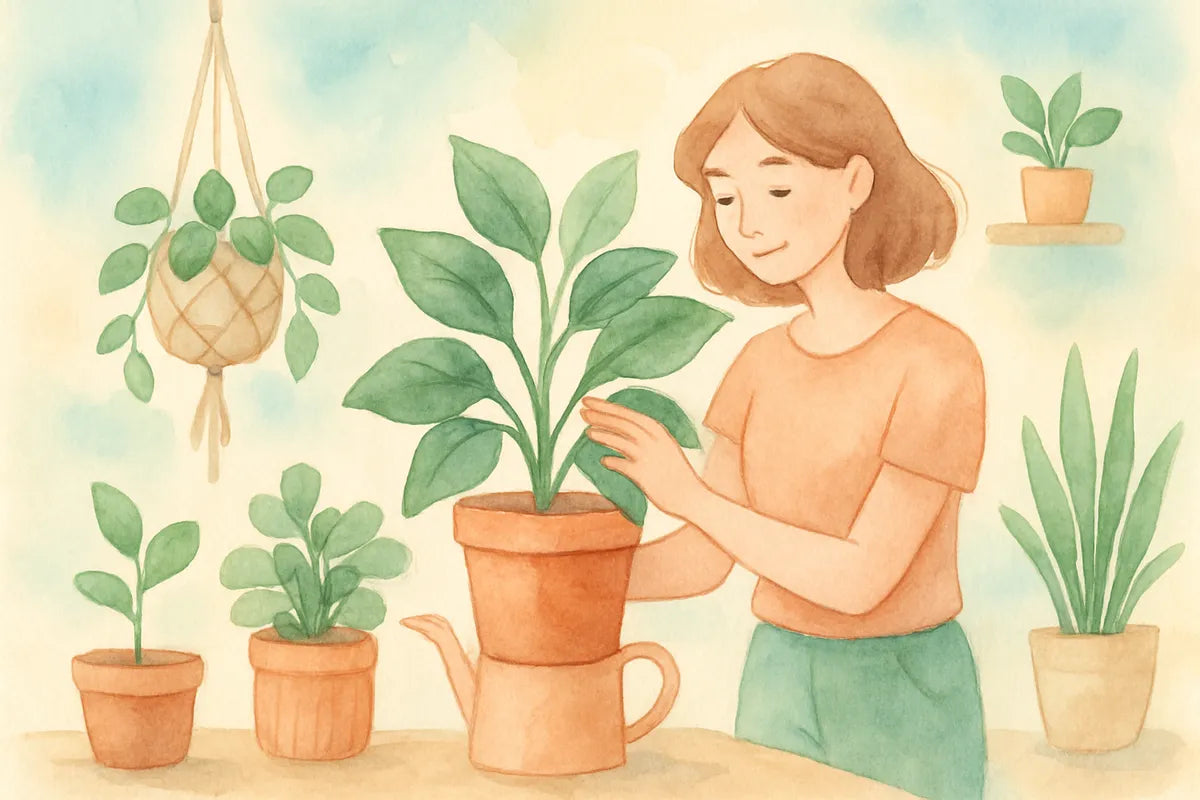
How to Bring Nature Indoors for Mental Well-Being
Most of us feel calmer, happier, and more grounded when we're surrounded by nature. Yet, many people spend most of their time indoors, cut off from sunlight, plants, and fresh air. The good news is that you don't need to live near a forest or ocean to enjoy the calming effects of nature. You can bring it inside. This guide explains how to create a home that supports your mental well-being by weaving natural elements into your daily surroundings.
Why Nature Matters for Mental Health

Our brains evolved outdoors. Being in nature helps regulate mood, reduce stress, and restore attention. Studies show that even short exposure to natural elements can lower blood pressure, slow heart rate, and reduce anxiety. According to research from the American Psychological Association, time in green spaces improves focus and emotional resilience. If you can’t step outside often, bringing nature indoors is a simple way to get similar benefits.
1. Fill Your Home with Living Plants

Indoor plants are one of the easiest and most effective ways to bring nature inside. They clean the air, soften hard edges, and bring a sense of peace to a room. Caring for plants also encourages mindfulness and patience.
Choose the Right Plants for Your Space
Pick plants that match your lifestyle and the light in your home. If you’re new to plant care, start small. Here are a few low-maintenance options:
- Snake plant - thrives on neglect and low light
- Pothos - grows quickly and tolerates most conditions
- Peace lily - helps purify the air and signals when it needs water
- Succulents - perfect for sunny windowsills
For more advanced care, group plants with similar needs together. Mist tropical plants regularly or use a humidity tray. Rotate pots every few weeks so each side gets light. The goal isn’t perfection but connection - the act of tending to something alive.
2. Use Natural Light as Much as Possible

Light affects mood, energy, and sleep. Exposure to natural light helps regulate your circadian rhythm and boosts vitamin D levels. According to Mayo Clinic, natural light can ease symptoms of seasonal affective disorder and improve sleep quality.
Maximize Sunlight in Your Home
Keep windows clear of heavy curtains. Use light-colored, sheer fabrics to let sunlight filter through. Place mirrors opposite windows to reflect light deeper into the room. If your space lacks natural light, use full-spectrum bulbs that mimic daylight. Place your reading chair, desk, or breakfast table near a window to soak up morning light.
3. Add Natural Textures and Materials
Nature isn’t only visual - it’s tactile. The feel of wood, stone, and linen can be just as grounding as a view of trees. Try swapping synthetic materials for natural ones wherever you can.
- Use wooden furniture instead of plastic or metal pieces
- Add wool or cotton throws for softness
- Choose jute or sisal rugs for a grounded, earthy feel
- Decorate with stone bowls, clay pots, or woven baskets
These materials don’t only look good; they age gracefully and bring warmth. When you touch natural textures, you engage the senses in a way that calms the mind and connects you to the present.
4. Bring the Outdoors In with Color and Art
Color has a strong emotional effect. Greens, blues, and earth tones remind us of water, trees, and soil. Even subtle changes in wall color or decor can shift the mood of a room. Choose shades that make you feel calm and comfortable.
Use Nature-Inspired Art
If live plants or open views aren’t possible, art can fill the gap. Framed photos of forests, beaches, or mountains can evoke similar feelings of calm. Research from the National Center for Biotechnology Information found that viewing images of nature can reduce stress and enhance recovery after mental fatigue.
You can also use wallpaper with botanical patterns, or hang pressed leaves and flowers in simple frames. The goal is to create visual cues that remind your brain of nature’s rhythm and calm.
5. Use Natural Scents to Set the Mood
Smell is tied closely to memory and emotion. Natural scents like pine, lavender, or citrus can lift your mood and reduce stress. You don’t need synthetic air fresheners - they often contain chemicals that irritate the lungs.
Ways to Bring Natural Scents Indoors
- Use essential oils in a diffuser (lavender, eucalyptus, or sandalwood work well)
- Simmer herbs and citrus peels on the stove
- Display bowls of dried flowers or herbs
- Burn natural soy or beeswax candles
According to WebMD, aromatherapy may help lower stress and improve sleep quality. Keep it simple and choose scents that make you feel refreshed rather than overwhelmed.
6. Create a View of Nature
Even a small view of trees, sky, or plants can help you recover from stress faster. If your window looks out onto a wall, you can still create your own view.
- Place tall plants near windows to frame the view
- Hang bird feeders outside to attract life and movement
- Use window boxes with herbs or flowers
- Position your desk or chair where you can see greenery
If outdoor space is limited, grow a few potted herbs on the sill. Watching something grow, even on a small scale, strengthens your sense of connection to the natural world.
7. Bring in Natural Sounds
Sound shapes mood as much as sight or scent. The rustle of leaves, chirping birds, or running water can calm the nervous system. If you live in a noisy city, you can still create a peaceful soundscape indoors.
- Play recordings of rain, waves, or birdsong
- Add a small tabletop fountain for the sound of moving water
- Open windows to let in fresh air and outdoor sounds when possible
These sounds slow breathing and heart rate, helping you unwind after a long day. They can also make meditation or reading more enjoyable.
8. Design a Nature-Focused Corner
You don’t need to overhaul your entire home. Start with one small corner where you can relax and recharge. This might be a reading nook, a corner of your bedroom, or a spot near a window.
How to Build Your Nature Corner
- Pick a quiet spot with decent light
- Add one or two plants
- Use natural materials like wood or cotton
- Include a comfortable chair or cushion
- Keep it clutter-free and simple
Use this space for calm moments - reading, journaling, or having tea. Over time, your brain will associate it with rest and focus.
9. Keep It Simple and Personal
Don’t aim for a picture-perfect “green” home. What matters is how your space makes you feel. You might prefer a few sturdy plants on a windowsill or a room filled with greenery. You might love bright sunlight or soft shadows. Experiment and see what helps you breathe easier and think more clearly.
Bringing nature indoors is less about decor and more about connection. When you tune into natural rhythms - light, growth, scent, and sound - your mind follows. You start to slow down, notice more, and feel grounded again.
Final Thoughts
Nature has always been medicine for the mind. Even small touches - a plant, a patch of sun, the sound of rain - can shift your mood and restore balance. By bringing nature indoors, you create a daily reminder that calm and beauty are close by. Start with one change today, and let your home become a quiet ally in your mental well-being.