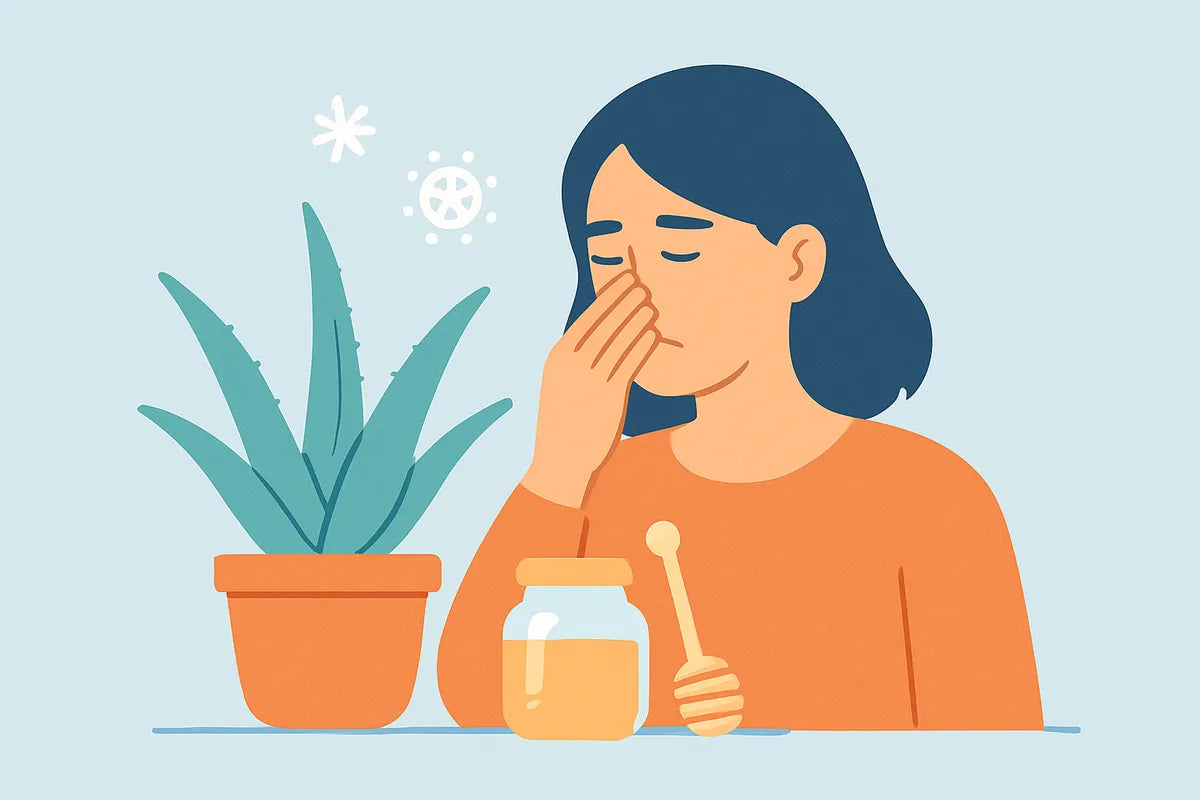
Natural Solutions for Allergies at Home: Effective, Drug-Free Relief
Seasonal allergies, hay fever, and pollen allergies can make even the most beautiful spring day miserable. Sneezing, watery eyes, nasal congestion, and fatigue can affect your mood, sleep, and focus. While medications help, many people look for natural allergy relief that works at home without side effects. This guide explores proven home remedies for allergies that are safe, accessible, and based on practical science. You’ll learn about drug-free allergy treatments, holistic allergy remedies, simple lifestyle changes, and natural supplements like local honey, quercetin, and vitamin C. With the right steps, you can create an allergy-friendly home environment and breathe easier through every season.
Understanding Allergies and Natural Allergy Relief

What causes seasonal and pollen allergies?
Allergies happen when your immune system mistakes harmless substances like pollen or dust for threats. These triggers, called allergens, cause your body to release histamine, leading to sneezing, itching, and congestion. Seasonal allergies often strike in spring and fall when pollen counts are high. Common pollen allergies come from grass, trees, and weeds. Understanding the cause helps you choose the right natural allergy relief methods for your symptoms.
Why choose drug-free allergy treatments?
Many allergy medications cause drowsiness, dry mouth, or dependency. Drug-free allergy treatments aim to manage symptoms and strengthen your body’s natural defenses without side effects. These methods often combine holistic allergy remedies, dietary support, and home environment improvements. For many people, this approach provides steady, long-term relief rather than temporary suppression of symptoms.
What Are the Most Effective Natural Solutions for Allergies at Home?

Simple home remedies for allergies that work
Among the best natural solutions for allergies at home are home remedies like saline nasal rinses, steam inhalation, and keeping windows closed during high pollen days. A saline nasal rinse or neti pot helps flush allergens from your nasal passages, reducing irritation and congestion. Steam inhalation soothes inflamed sinuses and clears mucus. Together, these simple practices can ease symptoms without medication.
Holistic allergy remedies and lifestyle habits
Holistic allergy remedies involve supporting your immune system through diet, hydration, and rest. Regular exercise improves circulation and lung function, helping your body process allergens more efficiently. Managing stress also matters, since stress hormones can worsen allergic reactions. Drinking plenty of water keeps your mucous membranes moist, which makes it harder for pollen and dust to irritate your nasal passages.
Creating an allergy-friendly home environment
Clean air inside your home is one of the most powerful natural defenses. Use high-quality air purifiers and filters to trap pollen, dust mites, and pet dander. Vacuum with a HEPA filter and wash bedding weekly in hot water. Reducing indoor allergens helps prevent constant exposure that can wear down your immune system. Plants like peace lilies and snake plants can also improve air quality naturally.
How Can I Quickly Relieve Allergy Symptoms Without Medication?

Fast-acting natural allergy relief methods
When symptoms hit suddenly, you want quick comfort. Steam inhalation is one of the fastest natural ways to ease congestion. Fill a bowl with hot water, place a towel over your head, and inhale deeply for five to ten minutes. The warm moisture loosens mucus and calms irritated tissues. A saline nasal rinse can also bring instant relief by washing away pollen and dust.
Using essential oils for allergies
Some essential oils for allergies, such as eucalyptus, peppermint, and lavender, help open airways and reduce inflammation. Add a few drops to a diffuser or mix with a carrier oil for a chest rub. Always use therapeutic-grade oils and test for sensitivity. While essential oils don’t cure allergies, they can offer quick comfort and support breathing during flare-ups.
Cold compress and hydration
For itchy eyes or facial swelling, a cold compress reduces inflammation fast. Apply a cool, damp cloth over closed eyes for a few minutes. Staying hydrated also helps thin mucus and flush allergens from your system. Herbal teas with ingredients like nettle or chamomile may add extra soothing effects while supporting overall wellness.
Which Home Remedies Help With Nasal Congestion, Sneezing, and Runny Nose?
Saline nasal rinse and neti pot techniques
Both a saline nasal rinse and a neti pot are safe, effective tools for clearing nasal passages. They work by gently flushing out allergens, mucus, and pollutants. Use distilled or boiled (then cooled) water mixed with a saline packet or homemade salt solution. Lean over a sink, tilt your head, and pour the solution into one nostril until it drains from the other. This simple habit can greatly reduce sneezing and congestion caused by pollen allergies or hay fever.
Steam inhalation and warm showers
Steam inhalation is another effective home remedy for allergies that helps relieve nasal congestion. Breathing in warm, moist air reduces swelling in nasal tissues and clears mucus. Taking a warm shower after being outdoors can also help remove pollen from your skin and hair, preventing it from spreading indoors.
Herbal and dietary support
Natural anti-inflammatory herbs like stinging nettle and spirulina may ease sneezing and congestion. Stinging nettle has been studied for its natural antihistamine effects, while spirulina supports immune balance. Including these herbs in your diet or supplements can help reduce allergy symptoms over time. Always consult your healthcare provider before starting any new supplement, especially if you have existing conditions.
How Do Saline Rinses and Neti Pots Work for Allergy Relief, and Are They Safe?
The science behind saline rinses and neti pots
Using a saline nasal rinse or neti pot is one of the most proven drug-free allergy treatments. The saline solution cleans out allergens, dust, and mucus from your nasal passages, reducing inflammation and improving airflow. According to the American Academy of Otolaryngology, nasal saline rinses are safe when used correctly and can be part of daily hygiene during allergy season.
How to use them safely
Always use sterile, distilled, or previously boiled water to avoid infection. Clean your neti pot or rinse bottle thoroughly after each use. Start with once daily during peak allergy times, then adjust based on your symptoms. If you experience discomfort or prolonged irritation, stop and consult a healthcare professional.
Long-term benefits of regular saline rinsing
Regular use of saline rinses helps maintain clear nasal passages, preventing buildup of allergens. Over time, many people find they need fewer medications and experience fewer flare-ups. Combined with other holistic allergy remedies, nasal rinsing supports overall sinus health and enhances your body’s natural defense against airborne irritants.
Can Local Honey, Herbs, or Supplements Like Quercetin and Vitamin C Really Help Allergies?
Local honey for allergies
Local honey for allergies is a popular home remedy based on the idea of building tolerance to local pollen. While research results are mixed, some people report fewer symptoms after eating small amounts of raw honey regularly. The key is to choose honey produced near your area so it includes trace amounts of local pollen. Think of it as a gentle, natural exposure therapy.
Quercetin-rich foods and vitamin C for allergies
Quercetin is a plant compound found in onions, apples, and berries. It acts as a natural antihistamine, stabilizing cells that release histamine during allergic reactions. Vitamin C for allergies also supports immune function and helps lower inflammation. Eating foods rich in these nutrients or taking supplements may reduce sneezing, nasal pressure, and fatigue over time. According to studies in the National Library of Medicine, quercetin and vitamin C together can reduce oxidative stress linked to allergy symptoms.
Probiotics and gut health
Healthy gut bacteria influence immune balance. Research shows that probiotics and gut health play a role in reducing allergic inflammation. Yogurt, kefir, and fermented foods support diversity in gut flora, which may help regulate immune response to allergens. This makes probiotics an essential part of holistic allergy remedies that work from within, not just on the surface symptoms.
Other herbal supports: stinging nettle and spirulina
Both stinging nettle and spirulina are known for their natural antihistamine and anti-inflammatory properties. Stinging nettle can be taken as a tea or capsule, while spirulina is often used as a powder in smoothies. These supplements help reduce nasal congestion, itching, and watery eyes, supporting your body’s natural resistance to allergens.
Creating an Allergy-Friendly Home Environment
Reducing indoor allergens through cleaning
Clean regularly to minimize dust, pet dander, and mold. Use a vacuum with a HEPA filter and avoid scented cleaners that may irritate sensitive airways. Wash curtains and rugs often, and keep humidity around 40–50% to prevent mold growth. For extra protection, use mattress and pillow covers designed to block dust mites.
Air purifiers and filters: improving indoor air quality
Invest in high-quality air purifiers and filters to trap airborne allergens. Choose models rated for HEPA filtration, which can remove particles as small as 0.3 microns. According to the U.S. Department of Energy, clean filters not only improve air quality but also reduce energy consumption. Keep windows closed during peak pollen times and change HVAC filters regularly.
Natural ways to freshen the air
Instead of synthetic sprays, use natural options like essential oil diffusers or houseplants. Plants such as spider plants, peace lilies, and snake plants help filter airborne toxins. These small changes can make your home feel fresher and more comfortable for anyone sensitive to allergens.
Lifestyle and Prevention Tips for Long-Term Allergy Relief
Diet and hydration
Eating a diet rich in anti-inflammatory foods supports your immune system. Include citrus fruits, leafy greens, and foods high in omega-3 fats. Staying hydrated keeps mucus thin and helps flush out irritants. Green tea, rich in antioxidants, can also calm allergic inflammation naturally.
Outdoor habits to limit pollen exposure
Check daily pollen forecasts and plan outdoor activities for times when counts are lower, usually after rain or in the evening. Wear sunglasses and a hat to reduce contact with pollen. After spending time outside, change clothes and shower to remove pollen from your skin and hair. These small habits can greatly cut down on symptoms of hay fever and pollen allergies.
Supporting your immune system naturally
Balanced sleep, stress management, and moderate exercise all contribute to better immune regulation. Chronic stress can worsen allergies by raising inflammation levels. Practices like yoga, meditation, or even short walks outside can help reset your body’s stress response and reduce allergic sensitivity.
Putting It All Together: A Holistic Approach to Allergy Relief
Combining methods for best results
There’s no single cure for allergies, but combining several natural methods can provide powerful relief. Use a saline nasal rinse daily, maintain an allergy-friendly home environment, and support your body with quercetin-rich foods, probiotics, and vitamin C. Add local honey or herbal supplements like stinging nettle and spirulina for extra immune support.
When to seek medical guidance
While natural remedies help most mild to moderate allergies, severe reactions require professional care. If you have difficulty breathing, swelling, or persistent sinus infections, consult an allergist. They can help confirm triggers and recommend safe complementary care alongside your home routine.
Living comfortably with allergies
With consistent habits and the right natural tools, you can manage allergies successfully. The key is prevention, cleanliness, and immune support. By reducing indoor allergens, using drug-free allergy treatments, and making small lifestyle changes, you can enjoy every season without constant discomfort.
Conclusion: Finding Balance Through Natural Allergy Relief
Natural solutions for allergies at home are about balance and consistency. By combining home remedies for allergies, maintaining an allergy-friendly home environment, and supporting your immune system through diet and rest, you can reduce your dependence on medication and feel better naturally. Saline nasal rinses, steam inhalation, essential oils for allergies, and supplements like quercetin, spirulina