Your home can help you feel steady, or it can keep your body on alert. Noise, clutter, harsh light, stale air, and constant reminders of unfinished tasks all add friction to your day. A peaceful living space for wellness doesn’t need to look like a magazine spread. It needs to support how you want to live: sleep well, think clearly, move more, and recover faster.
This article shows you how to create a peaceful living space for wellness with simple, real-world steps. You’ll work with what you have, room by room, without chasing perfection.
Start with what “peaceful” means in your home

Peace isn’t one style. For some people it’s quiet and minimal. For others it’s cozy, warm, and full of books. Before you move furniture or buy anything, define your target.
Ask three quick questions
- Where do I feel most tense at home, and why?
- Which daily moments do I want to feel easier (waking up, cooking, bedtime)?
- What would I stop doing if my space worked better (scrolling in bed, eating on the couch, leaving laundry everywhere)?
Write your answers down. You’ll use them to make choices that fit your life, not someone else’s.
Clear the friction: clutter, visual noise, and “open loops”

Clutter isn’t only mess. It’s anything that pulls your attention when you didn’t invite it. Stacks of papers you “need to deal with,” random cords, half-finished projects on the table. These are open loops that keep tapping you on the shoulder.
Use the 10-minute reset (daily)
If you want a peaceful living space for wellness, you need a repeatable system, not a weekend purge you never repeat. Set a timer for 10 minutes once a day.
- Put trash and recycling where it belongs.
- Return “wandered” items to their home (mugs, chargers, shoes).
- Clear one flat surface: coffee table, kitchen counter, nightstand.
This works because you keep your baseline tidy enough that you can recover quickly after a busy day.
Create homes for the usual mess
Most clutter comes from a few problem zones. Fix the zones, and the whole home feels calmer.
- Entry: a tray or bowl for keys, hooks for bags, a small bin for mail.
- Living room: one basket for blankets, one for toys or hobby items.
- Bedroom: a hamper where you actually drop clothes, not where you “should.”
Make the “home” closer than the floor. Convenience wins.
Light matters more than decor
Lighting controls mood and sleep. Bright blue-leaning light late at night can keep your brain awake. Dim, warm light signals your body to slow down. If you want your home to support wellness, start here.
Follow your body’s clock
Your circadian rhythm responds to light and dark. Morning light helps set your day. Evening dimness helps your body prepare for sleep. For practical tips grounded in sleep science, see guidance from the National Heart, Lung, and Blood Institute.
- Morning: open curtains early, sit near a window for a few minutes.
- Evening: switch to warm lamps, turn off overheads when you can.
- Night: keep pathways safe with low, warm night lights.
Simple upgrades that change a room fast
- Add a floor or table lamp and use it more than the ceiling light.
- Use warm bulbs in bedrooms and living areas.
- If glare bothers you, aim lamps at walls to bounce softer light.
Don’t chase “perfect” lighting. Aim for flexible lighting: bright when you need energy, soft when you need calm.
Make your air and sound quieter
You can’t relax in a space that feels stuffy or loud. Indoor air and noise both affect stress and sleep. The good news: small changes go a long way.
Improve indoor air quality without getting obsessive
Start with the basics and build from there. The EPA’s indoor air quality guidance covers common indoor pollutants and simple steps that reduce them.
- Ventilate when cooking: use the range hood or crack a window.
- Change HVAC filters on schedule if you have forced air.
- Vacuum and dust regularly, especially if you have pets.
- Fix moisture issues fast to prevent musty smells and mold growth.
If smoke, allergies, or city pollution affect you, a HEPA air purifier can help. For practical testing and product reviews, resources like Wirecutter’s air purifier picks can help you compare options without guesswork.
Soften harsh noise
Peaceful doesn’t always mean silent. It means sound you choose.
- Add textiles: rugs, curtains, and fabric chairs absorb echo.
- Use door sweeps or draft stoppers if hallway noise leaks in.
- Try a fan or white noise for consistent background sound.
If noise keeps you up, consider basic sleep-friendly strategies from the Sleep Foundation’s overview of noise and sleep.
Design for the life you live: layout and flow
A peaceful living space for wellness feels easy to move through. You don’t bump into furniture. You don’t juggle five steps just to make coffee. Flow reduces daily stress because your home stops fighting you.
Clear pathways first
- Keep main walkways open: entry to kitchen, bedroom to bathroom.
- Give doors full swing room so you don’t squeeze past them.
- Aim for “one-hand living” in key spots: you should carry a laundry basket, toddler, or grocery bag without hitting obstacles.
Create small zones with clear jobs
Zones stop a room from becoming a jumble. You don’t need more space. You need clearer purpose.
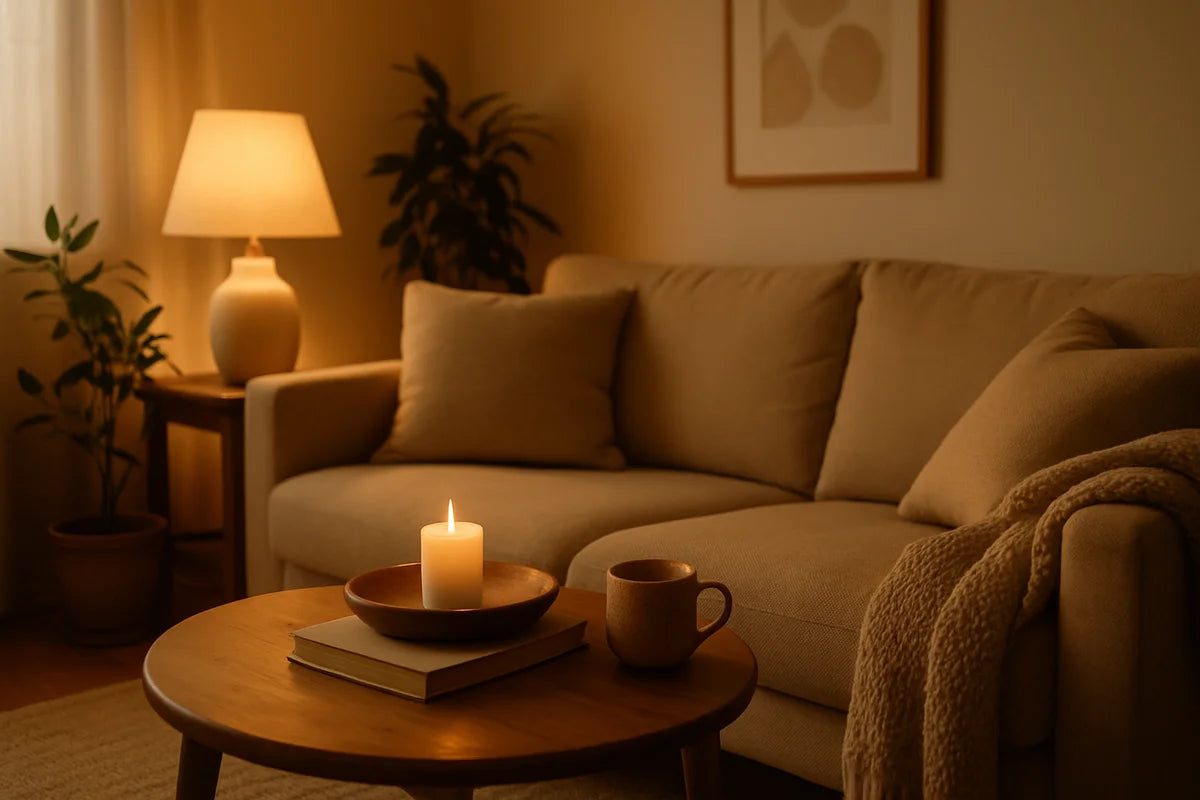
- Rest zone: couch or chair, lamp, blanket basket.
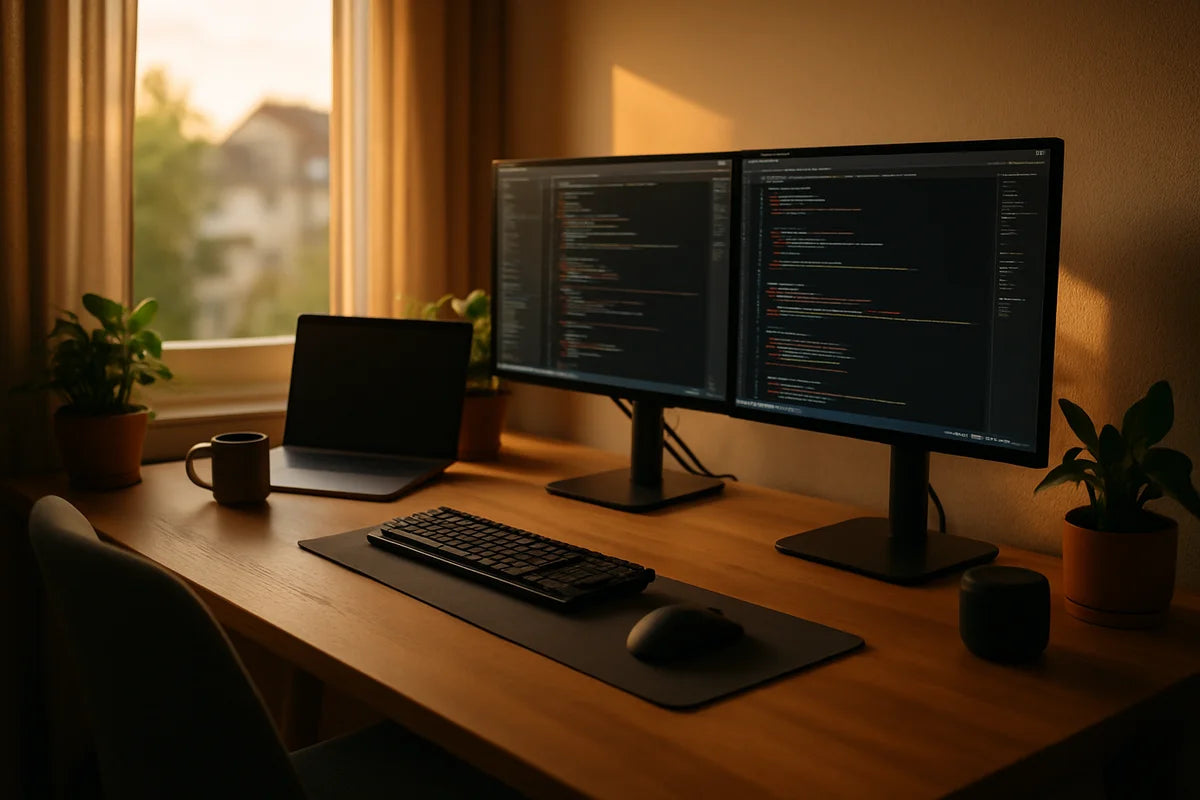
- Work zone: a table that isn’t also your dining chaos zone, even if it’s just one corner.
- Movement zone: a clear patch of floor for stretching or a short workout.
If one room has to do everything, use anchors: a rug to define a seating area, a small shelf to hold work items, a basket that “closes” clutter visually.
Bring in nature the simple way
Natural elements reduce stress for many people. You don’t need a jungle of plants or a full redesign. A small shift toward nature can make a room feel less sharp and more livable.
Use plants you won’t kill
Choose low-drama plants if you’re new to them: snake plant, pothos, ZZ plant. Put them where you’ll see them. If you hide them, you’ll forget to water them.
If you want deeper context on why nature exposure can help mental health, the American Psychological Association has covered the benefits of nature in everyday life.
Borrow nature with materials and views
- Use wood, cotton, linen, or wool where you can.
- Keep one window area clear so you can look outside.
- Add a simple bowl of fruit or a vase of greens on the table.
This isn’t about trends. It’s about giving your eyes a break.
Choose colors and textures that settle you
Color affects how a space feels, but it’s personal. One person finds white calming. Another finds it cold. Instead of chasing the “right” palette, pick a small set of colors that you already like living with.
Use the 60-30-10 rule (without getting rigid)
- 60%: the main background (walls, large rug, sofa).
- 30%: secondary color (curtains, chair, bedding).
- 10%: accents (pillows, art, small items).
For calm, many people do well with soft neutrals, muted greens, dusty blues, and warm earth tones. If bright color makes you happy, keep it, but contain it. Use it in small accents instead of every surface.
Make your bedroom a recovery room
If you do one thing for wellness at home, start with sleep. Your bedroom should help you recover, not keep you wired.
Remove the “attention traps”
- Keep work items out of sight if possible.
- Charge your phone away from the bed or across the room.
- Limit bedroom storage that becomes a dumping ground.
Upgrade comfort with targeted changes
You don’t need to replace everything at once.
- Start with bedding: breathable sheets and a pillow that supports your neck.
- Block light: curtains or a sleep mask.
- Set temperature: cool tends to work better for sleep for many people.
If you want a practical way to track bedroom comfort, try a simple room thermometer so you can see patterns instead of guessing.
Build calm routines into your space
A peaceful living space for wellness isn’t only about objects. It’s about habits your home makes easy.
Create a “landing” routine for the first 5 minutes home
- Hang keys and bag.
- Put shoes in one spot.
- Sort mail into recycle, action, and file.
This tiny routine prevents the slow creep of mess that makes a home feel chaotic.
Create an evening “closing” routine
- Reset the kitchen: clear counters, load dishwasher, wipe one surface.
- Prep one small thing for tomorrow: coffee setup, outfit, lunch container.
- Dim lights and lower noise for the last hour.
Your future self will feel the difference the next morning.
Go room by room: a simple plan that works
If you try to fix everything at once, you’ll burn out. Use this order to build momentum.
1) Entryway (stress starts here)
- Add hooks and a drop zone for keys and wallet.
- Keep a small basket for items that need to go back out.
2) Kitchen (daily friction lives here)
- Clear one counter and protect it as your prep space.
- Store tools near where you use them.
- Make a “tea or water” spot to nudge hydration.
3) Living room (the nervous system room)
- Fix lighting first: lamps, warm bulbs, fewer overheads at night.
- Add one soft texture: throw, rug, or curtains.
- Limit surfaces that collect clutter.
4) Bedroom (sleep and recovery)
- Remove screens or reduce their pull.
- Make the bed comfortable before you buy decor.
- Keep the floor clear so mornings feel easy.
Buying less is part of the point
Wellness doesn’t come from more stuff. It comes from fewer problems. Before you buy a storage bin, ask: can I own less? Before you buy decor, ask: does this solve a real issue, or will it become clutter later?
If you do buy, choose items that do two jobs, like a bench with hidden storage or a side table with a drawer. Try to avoid “almost useful” items. Those become junk fast.
Conclusion: aim for a home that supports your nervous system
When you create a peaceful living space for wellness, you’re not chasing a perfect look. You’re building a place that helps you breathe slower, sleep deeper, and move through your day with less effort. Start small: clear one surface, soften the light, improve the air, and set up one routine that keeps the calm going. Once your home stops adding stress, you’ll feel the difference in your body, not just your to-do list.