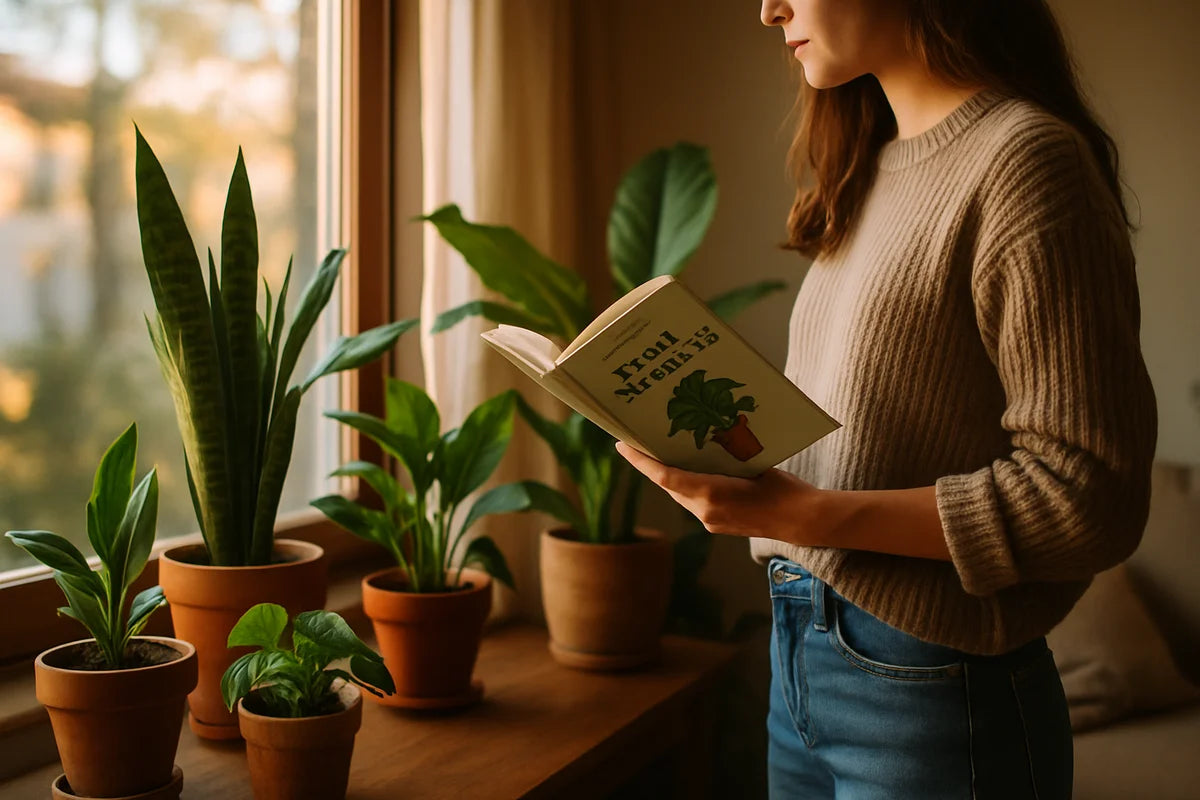
Indoor gardening for air purification sounds almost too simple: put a few plants in your home and breathe easier. Plants can help, but the real win comes from using them the right way and pairing them with a few smart habits.
This beginner’s guide to indoor gardening for air purification will help you choose good starter plants, place them where they can do the most good, and keep them alive without turning plant care into a second job.
Can houseplants really clean the air?

Plants do interact with indoor air. Leaves can trap dust. Soil microbes can break down some compounds. And plants take in carbon dioxide and release oxygen during photosynthesis. But you should keep your expectations grounded.
Many people first heard about air-cleaning plants from NASA research. Those studies were done in sealed test chambers, not real homes. In a normal house with open doors, drafts, and ventilation, plants won’t replace source control or good airflow. The EPA’s indoor air quality guidance is clear on the big levers: reduce pollutants at the source, ventilate, and filter when needed.
So what’s the honest takeaway? Indoor gardening for air purification works best when you treat plants as one part of a cleaner-air plan. They can help with dust and comfort, they may reduce some airborne particles near the plant, and they make you pay attention to your indoor environment. That last part matters more than most people think.
Start with the basics: what “cleaner air” means indoors

Before you buy plants, it helps to know what you’re trying to improve. Most indoor air issues fall into a few buckets:
- Particles: dust, pet dander, pollen, smoke
- Gases: VOCs from paint, new furniture, cleaning sprays, air fresheners
- Humidity problems: air that’s too dry or too damp
- Mold and mildew: often tied to moisture and poor airflow
Plants can play a small role with particles (by catching some dust) and comfort (by making a room feel fresher). But if you have strong odors, headaches, or visible mold, don’t rely on greenery alone. Use the big tools first: find the source, ventilate, and filter.
The best beginner plants for indoor gardening for air purification
For beginners, “best” means tough. You want plants that handle missed waterings, average light, and typical indoor temps. Many of these also show up in air-quality plant lists because they have lots of leaf area and steady growth.
Snake plant (Sansevieria / Dracaena trifasciata)
- Why it’s great: hard to kill, tolerates low light
- Care basics: water only when soil dries out
- Best spot: bedroom, hallway, office corners
Pothos (Epipremnum aureum)
- Why it’s great: fast growth, easy to propagate, handles many light levels
- Care basics: water when top inch of soil is dry
- Best spot: shelves, hanging planters, kitchens with bright indirect light
Spider plant (Chlorophytum comosum)
- Why it’s great: forgiving, produces “babies” you can replant
- Care basics: keep soil lightly moist but not soggy
- Best spot: bright rooms out of harsh sun
Peace lily (Spathiphyllum)
- Why it’s great: clear “I’m thirsty” droop, decent in low light
- Care basics: water when it droops or when top layer dries
- Best spot: living rooms, offices, bathrooms with a window
Rubber plant (Ficus elastica)
- Why it’s great: big leaves that catch dust, strong upright shape
- Care basics: bright indirect light, let soil dry a bit between watering
- Best spot: near a bright window with filtered light
Want a deeper plant list with research context? See this overview from Scientific American on what houseplants can and can’t do.
Where to place plants for the most impact
Placement matters more than people expect. Not because plants “suck up toxins” across the whole home, but because plants work best when they stay healthy and when they nudge you toward better routines.
Put plants where you spend time
If you work at a desk all day, add plants there. If you watch TV every night, place a plant near that seating area. You’ll notice dryness, dust buildup, and wilting faster, which helps you act sooner.
Use plants to “mark” problem zones
Do you have a dusty shelf, a stuffy bedroom, or a corner that smells musty after showers? A plant won’t fix the root issue, but it can serve as a visual reminder to:
- Open a window for 5-10 minutes
- Run the bathroom fan
- Check for a hidden leak
- Dust and wipe surfaces
Avoid the worst spots
- Right above heaters or radiators (leaf scorch and dry soil)
- In constant cold drafts (slow growth and stress)
- In dark rooms with no window (most plants will decline)
Light, water, soil: the simple system that keeps plants alive
Indoor gardening fails for two reasons: too little light and too much water. If you fix those, you’ll win.
Light: pick plants for the window you have
Most “low light” plants don’t love low light. They tolerate it. For stronger growth, aim for bright indirect light when you can.
- Bright indirect: near an east or north window, or a few feet back from a south/west window
- Direct sun: sunbeams hitting leaves for hours (great for some plants, harsh for others)
- Low light: far from windows, shaded rooms (only a few plants cope well)
If you want a practical way to measure light, a simple phone lux meter app can help you compare rooms. For plant-light basics, the University of Minnesota Extension houseplant guide gives clear, no-nonsense advice.
Water: learn the “dry-down” rule
Most common houseplants want a cycle: water well, then let the soil partly dry. Constantly wet soil suffocates roots and invites fungus gnats.
- Stick a finger 1-2 inches into the soil.
- If it feels damp, wait.
- If it feels dry, water until it drains from the bottom.
- Empty the saucer so the pot doesn’t sit in water.
Soil and pots: drainage beats fancy mixes
You don’t need premium soil to start indoor gardening for air purification. You do need drainage.
- Use pots with drainage holes.
- Choose a basic indoor potting mix.
- For plants that hate wet feet (snake plant, ZZ plant), mix in perlite for faster drainage.
Dust, leaves, and real-world “air purification” habits
If your goal is cleaner indoor air, plant care should include basic cleaning. Leaves collect dust. Dust can irritate allergies. And dusty leaves photosynthesize less.
Wipe leaves and rinse plants
- Once every 2-4 weeks, wipe broad leaves with a damp cloth.
- For smaller leaves, rinse plants in the shower with lukewarm water.
- Skip leaf shine sprays. They can clog leaf pores and attract grime.
Pair plants with ventilation
Plants work best as a companion to fresh air, not a substitute for it. If outdoor air quality is decent, crack windows for short bursts. If you live near traffic or wildfire smoke, check local air alerts first. The AirNow air quality index makes that easy.
Filter the air when you need real results
If you want a noticeable drop in particles, use a HEPA air purifier sized for your room. Plants won’t compete with that for smoke, fine dust, or heavy allergies. For a grounded overview of air cleaner performance, see guidance from Consumer Reports’ air purifier testing.
Then keep plants for what they’re great at: comfort, routine, and steady small improvements.
Humidity: a quiet factor that affects both air and plants
Many homes swing between dry winter air and humid summer air. That affects your lungs, your skin, and your plants.
How to read the room
A cheap hygrometer tells you your relative humidity. Many people feel best around 30-50%, but your climate and health needs can shift that range.
- Too dry: dry throat, static shocks, crispy leaf edges
- Too humid: musty smell, condensation on windows, mold risk
Simple fixes
- If it’s dry, cluster plants together and consider a small humidifier.
- If it’s humid, run exhaust fans, fix leaks, and use a dehumidifier if needed.
- Don’t overwater to “add humidity.” That usually backfires.
Pet and kid safety: choose plants you can live with
Some common houseplants can irritate pets if chewed. If you have curious cats, dogs, or toddlers, check toxicity before you buy.
The ASPCA plant safety database is a practical, trusted tool for this.
- If you have cats that chew leaves, avoid lilies and many aroids.
- Use hanging planters or wall shelves to keep plants out of reach.
- Pick safer options like spider plant in controlled areas, but still watch chewing.
A simple starter plan: your first 30 days
Want to begin indoor gardening for air purification without buying 20 plants at once? Use this plan.
Week 1: Buy two plants and set them up right
- Choose: snake plant + pothos (or spider plant)
- Repot only if the plant looks root-bound or sits in soggy soil
- Place them where you’ll see them daily
Week 2: Set a care rhythm
- Check soil moisture twice a week, water only when needed
- Rotate pots a quarter turn so growth stays even
- Open windows briefly when outdoor air looks good
Week 3: Add one “bigger leaf” plant for dust
- Choose a rubber plant if you have brighter light
- Wipe its leaves after a week to see how much dust collects
Week 4: Improve the room, not just the plants
- Vacuum and dust the room where the plants live
- Replace or clean HVAC filters on schedule
- If allergies hit hard, add a HEPA purifier for that room
Common beginner mistakes (and quick fixes)
Mistake: watering on a schedule
Fix: water based on soil feel, not the calendar.
Mistake: putting a “low light” plant in near-darkness
Fix: move it closer to a window or add a small grow light.
Mistake: ignoring drainage
Fix: use a pot with a hole and empty the saucer after watering.
Mistake: letting dead leaves rot on the soil
Fix: trim yellow leaves and clear fallen debris to reduce pests and mold.
What to expect from indoor gardening for air purification
If you’re hoping plants will erase cooking odors, paint fumes, or heavy smoke, you’ll feel let down. If you want a calmer home, less visible dust on surfaces near plants, and a routine that pushes you toward better airflow and cleaning, you’ll see real benefits.
Plants also change how you use a space. You open blinds for them. You wipe leaves. You notice stale air sooner. That kind of attention improves indoor air quality more than any single “miracle” plant.
Conclusion
Indoor gardening for air purification works best as a small, steady habit: choose tough plants, give them decent light, don’t drown them, and keep their leaves clean. Pair that with basic ventilation and, when needed, a good filter. Start with two plants, learn their signals, then build from there. Your air may not turn “lab clean,” but your home can feel fresher, calmer, and easier to breathe in.