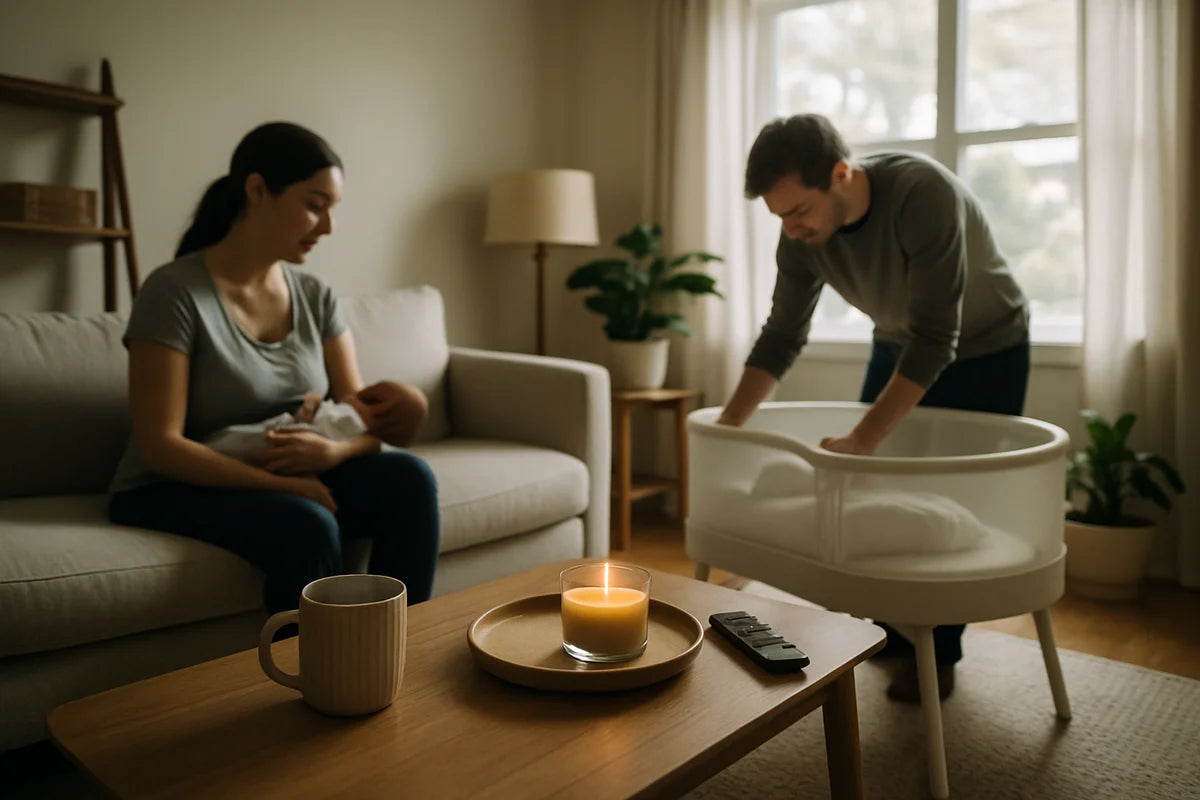
Bringing a new baby home can feel like you’re living in a loop: feed, change, soothe, repeat. When sleep runs short, your home starts to matter more than you ever expected. The goal isn’t a spotless house or a picture-perfect nursery. It’s a stress-free home environment that supports rest, safety, and simple routines.
This article breaks it down into practical steps you can do in short bursts. You don’t need a full weekend, a big budget, or a brand-new system. You need a few smart defaults that make daily life smoother.
Start with one idea: reduce friction

Stress often comes from tiny obstacles that add up. A missing burp cloth. Wipes in the wrong room. A loud door latch during a midnight diaper change. When you reduce friction, you create a calmer, more stress-free home environment without “doing more.”
Pick your top three stress points
Ask: what keeps going wrong every day?
- Diaper changes take too long because supplies are scattered
- You can’t rest because dishes pile up and the sink smells
- You wake the baby because the room is too bright or too loud
Now choose one problem to fix first. You’ll get a quick win, and quick wins matter a lot in the early weeks.
Set up “care stations” so you stop running laps
New parents waste energy moving around the house. You’ll feel calmer when the basics live where you use them.
The three stations most homes need
- Diaper station: diapers, wipes, cream, a change of clothes, trash bags, hand sanitizer
- Feeding station: water bottle, snacks, burp cloths, phone charger, extra pump parts or formula supplies if needed
- Sleep station: swaddles or sleep sacks, pacifiers, spare sheet, dim light you can reach from the bed
If your home has two levels, make a mini version of each station upstairs and downstairs. It doesn’t need to look nice. A small basket or caddy works.
Keep the “night kit” boring and reliable
Night care is where stress spikes. Make it predictable:
- Use a low, warm lamp instead of overhead lights
- Pre-stock diapers and wipes before bed
- Keep a clean onesie and burp cloth within arm’s reach
If you use a white noise machine, keep volume at a safe level. The American Academy of Pediatrics safe sleep guidance is a good reference point for keeping sleep spaces simple and safe.
Make sleep easier by shaping the environment
You can’t force a baby to sleep. You can make sleep more likely by controlling light, sound, and temperature. This is one of the fastest ways to build a stress-free home environment.
Light: use dim, warm, and consistent
- Use blackout curtains if streetlights or early sun cause wake-ups
- Use warm bulbs (not harsh blue-white) in evening lamps
- Keep nighttime feeds low-stimulation: dim light, minimal talking, no scrolling if you can help it
If you want deeper detail on baby sleep basics, NHS advice on helping your baby sleep is clear and easy to follow.
Sound: control what you can, soften what you can’t
- Fix squeaky hinges and loud latches
- Add a rug or runner to reduce footstep noise
- Put felt pads under chair legs if you pace during soothing
White noise can help mask sudden sounds, especially in apartments or busy streets. Keep it steady and not too loud.
Temperature: aim for “comfortable for an adult in light clothes”
Many parents overheat rooms out of worry. A cooler, comfortable room often works better for sleep. For general guidance on safe temperatures and reducing heat risk, you can check Safe to Sleep sleep environment tips.
Reduce visual clutter to reduce mental clutter
Clutter isn’t a moral failure. It’s also not “just stuff.” When your brain sees piles, it treats them as unfinished tasks. You’ll feel more calm when surfaces stay mostly clear.
Use the “one clear surface” rule
Pick one surface in your main living area and keep it clear. One counter. One table. One chair. This gives your eyes a place to rest.
Swap open piles for simple bins
- Basket for clean burp cloths and bibs
- Bin for diaper supplies
- Small laundry hamper just for baby items
Don’t over-sort. Over-sorting looks good for a day, then it collapses. Simple containers support a stress-free home environment because they don’t ask much from you.
Protect your air and surfaces without going overboard
New parents often feel pressure to sanitize everything. You don’t need a sterile home. You need smart hygiene habits that lower risk and keep work reasonable.
Focus on the “high-touch five”
- Phone
- Doorknobs and light switches
- Faucet handles
- Remote controls
- Counter where bottles or pump parts sit
Clean these often, and you’ll get more benefit than deep-cleaning baseboards.
Ventilation: the simple fix many people miss
Fresh air helps with smells, humidity, and overall comfort. If weather allows, crack a window for a short time each day. If you cook a lot, use the exhaust fan. The EPA’s indoor ventilation guidance explains why it matters and how to do it safely.
If you use a humidifier, maintain it
Humidifiers can help in dry climates, but they can also grow mold if you ignore cleaning. Follow the manual, use the right water if recommended, and clean it on schedule. For practical, detailed maintenance steps, see Consumer Reports humidifier cleaning advice.
Create a “reset routine” you can finish in 10 minutes
A stress-free home environment doesn’t come from a big cleaning day. It comes from small resets that stop mess from turning into chaos.
The 10-minute evening reset
- Trash and recycling: grab obvious items
- Dishes: load or stack neatly by the sink
- Floor: quick pick-up in the main walkway
- Stations: restock diapers, wipes, water, snacks
- Tomorrow: set out one thing you know you’ll need (a clean bottle, a fresh onesie, your own clothes)
If you only do two steps, do dishes and restocking. Those prevent the worst morning stress.
Lower the bar on laundry
Laundry becomes a constant. Make it easier:
- Use two hampers: “needs washing” and “can re-wear”
- Fold less. Use bins for clean baby clothes sorted by type
- Wash smaller loads more often if it prevents overflow
You’re not running a hotel. You’re keeping a baby and yourselves clean enough.
Plan for food when you’re too tired to plan
Hunger makes everything feel worse. The most stress-free home environment includes food you can grab with one hand.
Set up a “parent snack shelf”
- Protein bars, trail mix, crackers
- Jerky or roasted chickpeas
- Electrolyte packets or tea
Keep a water bottle at your feeding station. Dehydration sneaks up fast, especially if you’re breastfeeding or pumping.
Use the “three-meal fallback” list
Pick three meals you can make on autopilot. For example:
- Eggs and toast
- Frozen dumplings and bagged salad
- Sheet-pan chicken and vegetables
Write the list on your phone or a sticky note. Decision fatigue is real, and this removes a daily choice.
Make space for visitors without letting them run the house
Visitors can help or drain you. A calm home needs clear rules that feel fair.
Use clear, kind scripts
- “We’d love a short visit. Can you come between 2 and 3?”
- “If you want to help, folding laundry would be amazing.”
- “We’re keeping it low-key, so we won’t host right now.”
If someone asks what you need, give a concrete task. Most people want to help but don’t know how.
Create a simple “drop-in plan”
- Keep a basket near the couch with hand sanitizer, coasters, and a few spare blankets
- Set expectations on shoes, hand washing, and visit length
- Keep the nursery off-limits if it helps you protect naps
This reduces anxiety because you don’t have to improvise each time someone knocks.
Support mental health with small daily anchors
A stress-free home environment isn’t only about stuff. It’s about how you feel inside the space. New parent mood shifts are common. Some are normal. Some need support.
Build two “anchors” into your day
- Morning: open blinds, drink water, quick face wash
- Evening: 5-minute reset, set out supplies, dim lights
Anchors help when days blur together.
Know when to reach out
If you feel persistently hopeless, panicky, numb, or unlike yourself, tell a health professional. Postpartum depression and anxiety are common and treatable. Postpartum Support International offers a helpline, local resources, and support groups.
Safety basics that lower stress
Safety changes reduce the “what if” thoughts that keep many new parents on edge.
Do a quick, realistic home sweep
- Check smoke and carbon monoxide alarms
- Set water heater temperature to prevent burns if needed
- Secure cords near sleep and feeding areas
- Keep small items off the floor if you have older kids or pets
You don’t need to baby-proof everything on day one. Start with sleep and feeding areas, then expand as your baby grows.
Keep emergency info visible
- Poison control number
- Pediatrician number
- Your address (helpful if you’re sleep-deprived and calling for help)
A note on the fridge works. So does a shared note on your phone.
A sample setup for a calmer first month
If you want a quick plan, try this over a few days:
- Day 1: Build your diaper station and feeding station
- Day 2: Fix sleep basics (light, sound, temperature)
- Day 3: Set up two bins for clutter and a small laundry system
- Day 4: Create a 10-minute reset and do it once
- Day 5: Stock easy snacks and pick three fallback meals
That’s it. This gets you most of the benefit without a big project.
Conclusion
A stress-free home environment for new parents doesn’t come from doing everything right. It comes from removing small pain points, one at a time. Put supplies where you use them. Make nights dim and simple. Keep one surface clear. Reset the house in 10 minutes when you can. Feed yourselves like it matters, because it does.
Your home should support you while you learn your baby. Start small, keep it practical, and let “good enough” be the standard for now.