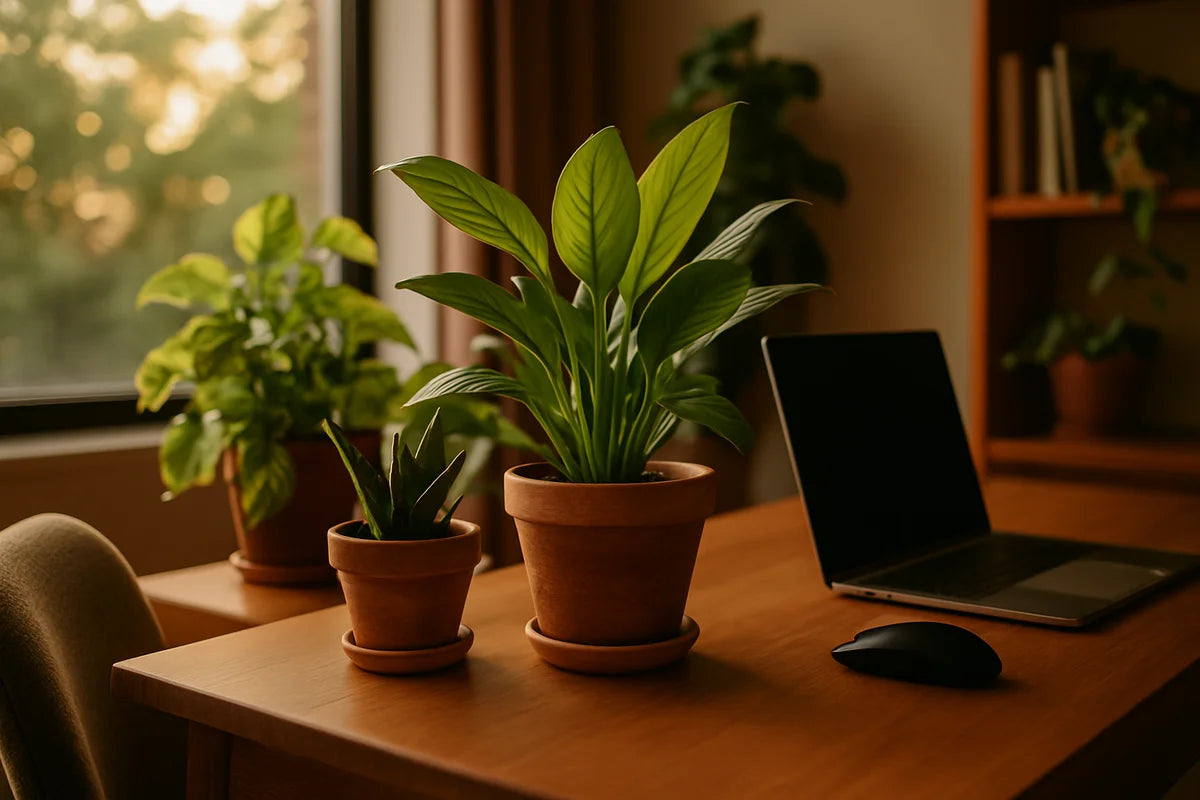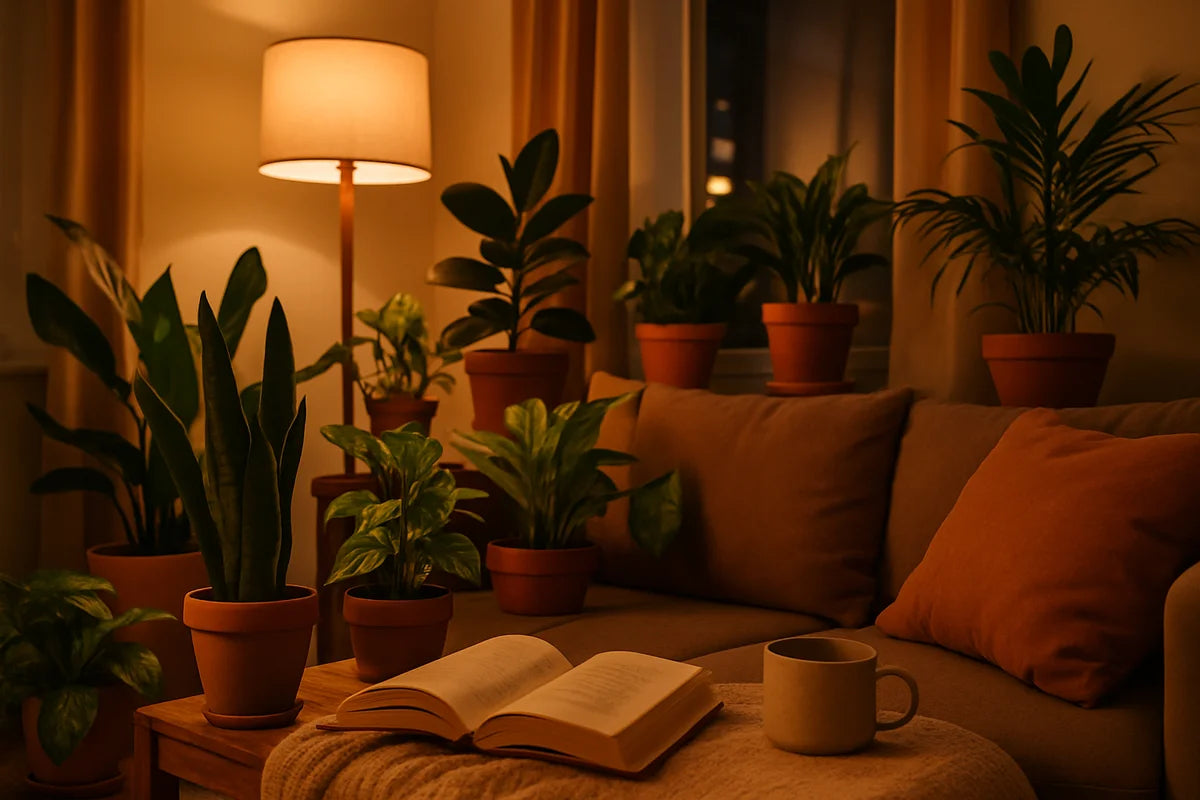
Small apartments trap smells and stale air fast. Cooking, cleaning sprays, pet dander, and even a new couch can add to the mix. It’s no surprise people look for houseplants to help.
Here’s the honest take: plants can support a fresher-feeling space, but they won’t replace good ventilation or a solid air purifier. Research done in sealed lab chambers doesn’t map neatly to real homes. Still, the best plants for improving air quality in a small apartment can make a real difference in comfort by adding humidity, catching some dust on leaves, and encouraging better habits (like opening windows and caring for your space).
This guide focuses on plants that fit tight spaces, handle indoor life well, and give you the most benefit per square inch.
What plants can and can’t do for indoor air

Many people cite the classic NASA plant study, but that work tested plants in small, sealed containers. Your apartment leaks air, and air moves differently. That’s why agencies like the US EPA’s indoor air quality guide focuses on source control and ventilation first.
So why bother with plants?
- They can raise humidity a bit, which may ease dry-air discomfort in winter.
- Leaves collect dust that would otherwise settle on shelves and floors.
- They can reduce the “stale room” feeling when paired with airflow and basic cleaning.
- They make you pay attention to your space. That alone often leads to better air habits.
If you want a science-forward reality check, read this overview from Carnegie Mellon University on plants and air cleaning. It doesn’t say plants are useless. It says you need a lot of plants to match what ventilation or filtration can do.
How to choose plants that work in a small apartment

When space is tight, the “best” plant is the one you can keep alive. Dead plants don’t help anything.
Pick sturdy plants before picky plants
Go for plants that handle low to medium light, uneven watering, and average indoor temps. Many apartments don’t get bright sun for long.
Match the plant to the room
- Kitchen: tougher plants that tolerate temperature swings and the odd splash.
- Bedroom: low-odor plants and simple care routines.
- Bathroom: humidity lovers, if you have a window or decent light.
Think in vertical space
In a small apartment, floor space matters. Trailing plants on shelves, hanging baskets, and tall narrow plants near windows give you greenery without clutter.
Watch allergies and pets
If you get allergies, avoid plants that shed a lot of pollen indoors. If you have pets, check toxicity before you buy. The ASPCA’s toxic and non-toxic plant list is the fastest way to confirm what’s safe.
The best plants for improving air quality in a small apartment
These picks balance ease, size, and the kind of day-to-day benefits plants actually provide indoors.
Snake plant (Sansevieria)
Snake plants survive almost anything. They handle low light, forgive missed waterings, and stay tidy. Their upright leaves work well in corners where furniture can’t go.
- Best for: bedrooms, living rooms, entryways
- Light: low to bright indirect
- Water: let soil dry out fully, then water
- Small-apartment tip: choose a slim variety and a narrow pot to save floor space
Pothos (Epipremnum aureum)
Pothos grows fast, trails nicely, and does fine in average indoor light. It’s one of the easiest ways to add a lot of leaf surface without adding floor clutter.
- Best for: shelves, bookcases, hanging planters
- Light: low to medium, brighter helps it grow faster
- Water: when the top inch of soil dries
- Small-apartment tip: train it along a wall with removable hooks to keep it off counters
Spider plant (Chlorophytum comosum)
Spider plants handle beginner mistakes and help a space feel less dry. They also produce “pups” you can propagate, which is great if you want more plants without more shopping.
- Best for: bright kitchens, living rooms, near a window
- Light: medium to bright indirect
- Water: when the top soil dries; don’t keep it soggy
- Small-apartment tip: put it in a hanging pot so the arching leaves don’t take over a table
Peace lily (Spathiphyllum)
Peace lilies do well in lower light and can add noticeable greenery in a small footprint. They also “droop” when thirsty, which makes watering easier to read.
- Best for: low-light rooms, offices, bedrooms
- Light: low to medium indirect
- Water: when the plant starts to droop or the top inch dries
- Small-apartment tip: keep it away from sofas or beds if the flowers drop pollen that annoys you
Rubber plant (Ficus elastica)
If you want one big plant instead of many small ones, rubber plants give you a lot of leaf area. They grow upright and can become a statement piece without needing a wide pot.
- Best for: living rooms with brighter light
- Light: medium to bright indirect
- Water: when the top few inches dry
- Small-apartment tip: rotate the pot monthly so it grows straight and doesn’t lean into your walkway
Areca palm (Dypsis lutescens)
Palms can raise humidity and soften a room visually. Areca palms tend to look full without needing a huge footprint, but they do want decent light.
- Best for: living rooms near a bright window
- Light: bright indirect
- Water: keep evenly moist, not wet
- Small-apartment tip: choose a smaller nursery size and let it grow into your space
Boston fern (Nephrolepis exaltata)
Ferns like humidity and can help a bathroom feel less stuffy. They need more consistent care than pothos or snake plants, but they can thrive if the environment fits.
- Best for: bathrooms with light, kitchens with decent humidity
- Light: medium to bright indirect
- Water: keep soil lightly moist; mist if your air is very dry
- Small-apartment tip: hang it in the bathroom so it doesn’t crowd your sink area
ZZ plant (Zamioculcas zamiifolia)
ZZ plants look glossy, stay compact, and tolerate low light. If your apartment feels dim, this is a low-stress choice.
- Best for: hallways, darker corners, offices
- Light: low to medium indirect
- Water: sparingly; let soil dry fully
- Small-apartment tip: use it to green up spots where other plants fail, so you don’t waste window space
Where to place plants for the biggest real-world impact
If you want the best plants for improving air quality in a small apartment to matter, placement beats quantity. Put plants where they support the habits that keep air clean.
Near odor sources, but not on the stove
In the kitchen, place plants near (not on) counters where smells build up. Keep them away from direct heat and grease splatter. A pothos on a high shelf or a spider plant in a hanger works well.
By windows you actually open
Plants can nudge you to ventilate. If you see them near the window, you’re more likely to crack it open for ten minutes while you water or prune.
In the bedroom, keep it simple
One or two easy plants beat a crowded shelf. Choose low-odor, low-shed options like snake plant or ZZ plant. Keep soil tidy and don’t let water sit in saucers.
In the bathroom, only if light makes sense
No light, no plant. If your bathroom has a frosted window or stays bright during the day, try a fern or peace lily. If it’s windowless, use a realistic plan and keep real plants elsewhere.
Care habits that keep plants from hurting air quality
Plants can backfire if you let mold grow in wet soil or you never clean leaves. A few small habits keep things healthy.
Don’t overwater
Overwatering causes fungus gnats and can lead to moldy soil. Use pots with drainage holes. Empty saucers after watering.
Wipe dust off leaves
Dust blocks light and turns your plant into a dusty surface. Wipe broad leaves with a damp cloth every couple of weeks. For ferns, rinse gently in the shower if you can.
Use the right potting mix
Dense soil stays wet too long indoors. Choose a mix suited to the plant, and add perlite for airflow when needed.
Skip heavy fragrance products around plants
Strong sprays and plug-ins don’t fix stale air. They cover it. If you want a cleaner baseline, focus on ventilation and source control first. The WHO overview of household air pollution helps put indoor air risks into context, especially around smoke and combustion.
Plants vs air purifiers and ventilation in a small apartment
If you rent a small place, you may not control the building’s ventilation. That’s where a few practical upgrades help more than adding ten extra pots.
Ventilation still wins
Run your kitchen and bath fans when you cook or shower. Crack a window for a short burst if outdoor air looks decent. If you want a deeper primer on what affects indoor air, this Indoor Air Quality (IAQ) community resource offers useful, plain-English explainers.
A small HEPA purifier helps with particles
Plants won’t filter fine smoke particles the way a HEPA unit can. If you deal with allergies, wildfire smoke, or heavy street dust, a purifier does the heavy lifting. Use a sizing tool like AHAM’s CADR guidance for room air cleaners to pick a unit that matches your square footage.
Use plants for comfort and consistency
Think of plants as part of a clean-air stack:
- Control sources (smoke, harsh sprays, dirty filters, damp towels).
- Ventilate (fans, windows, airflow routines).
- Filter (HEPA where it makes sense).
- Add plants for day-to-day comfort and a fresher-feeling home.
Simple plant setups that work in tight spaces
The “one shelf” setup for studios
- 1 pothos trailing from a top shelf
- 1 snake plant on the floor in a corner
- 1 small peace lily or spider plant on the same shelf, spaced for airflow
The “bright window” setup for a sunny apartment
- 1 rubber plant near the window (not pressed against the glass in winter)
- 1 areca palm a few feet back for bright indirect light
- 1 pothos to fill vertical space on the side
The “low light” setup for north-facing units
- 1 ZZ plant for a darker corner
- 1 snake plant for the bedroom
- 1 pothos closer to the best available light to keep growth steady
Common mistakes that make apartment air feel worse
- Buying too many plants at once, then overwatering them out of guilt.
- Using pots without drainage holes and letting water sit at the bottom.
- Stuffing plants into tight clusters where soil stays damp and leaves never dry.
- Ignoring dust buildup on leaves, shelves, and vents.
- Relying on plants to fix smoke, strong cooking fumes, or chemical odors instead of removing the source.
Where to start this week
Start small and build a setup you can keep alive. Pick one tough plant (snake plant or ZZ) and one fast grower (pothos or spider plant). Place them where you’ll see them, then tie plant care to an air-quality habit: open a window for five minutes while you water, run the bath fan during showers, and wipe leaves when you clean your counters.
If you want the biggest boost with the least fuss, pair those plants with a basic HEPA purifier sized for your room. Over time, you can add one larger plant like a rubber plant or a small palm when you know your light and watering rhythm.
That’s the path that works in real apartments: fewer plants, better placement, and habits that keep your air feeling clean all year.