If you have asthma, you already know air can feel personal. A musty corner, a dusty vent, a strong cleaning spray. Small things can turn into a tight chest fast. The good news is you can improve your indoor air without turning your home into a chemical lab or running machines all day.
This article breaks down eco friendly air quality solutions for asthma sufferers that work in real homes. You’ll get practical steps, product types to look for (and avoid), and a simple plan you can start this week.
Why indoor air hits asthma so hard

Most people spend a lot of time indoors. For asthma sufferers, indoor triggers often stack up: dust mites, pet dander, mold spores, smoke, and fumes from cleaning products or paints. If your home traps these irritants, your lungs pay the price.
Two building basics matter most:
- Ventilation: how fresh outdoor air comes in and stale air goes out
- Filtration and source control: how you remove particles and stop them from building up
Some “fresh” smells are not fresh at all. Scented products can release volatile organic compounds (VOCs), which can irritate airways in sensitive people. The EPA explains how VOCs affect indoor air and why they matter.
Start with the biggest wins that cost little

Before you buy anything, do the basics well. These steps often make the biggest difference for the least money.
Control moisture to block mold
Mold needs water. If you fix moisture, you cut mold at the root.
- Keep indoor humidity around 30-50% when you can.
- Run bathroom fans during showers and for 20 minutes after.
- Use a vented range hood while cooking.
- Fix leaks fast, even “small” ones under sinks.
- Don’t carpet bathrooms or damp basements.
If you suspect mold but aren’t sure what’s safe to clean yourself, read guidance from a medical source. The CDC’s mold health page covers risks and cleanup basics.
Make vacuuming actually work for asthma
Vacuuming can help or make things worse. A weak vacuum can blow fine dust back into the air.
- Use a vacuum with a sealed HEPA system (not just a “HEPA-like” filter).
- Vacuum slowly. Fast passes kick up more dust.
- Vacuum 2-3 times a week in bedrooms if symptoms flare at night.
- If you can, have someone else vacuum and stay out of the room for 20-30 minutes.
Wash bedding hot and simplify soft clutter
Dust mites love bedding, pillows, and plush fabrics. You don’t need harsh sprays. You need heat and routine.
- Wash sheets and pillowcases weekly in hot water if fabric allows.
- Use allergen-proof covers on pillows and mattresses.
- Reduce extra throw pillows and heavy fabric piles in the bedroom.
Eco friendly air quality solutions that make a real difference
“Eco friendly” should mean low emissions, low waste, and long-term usefulness. For asthma sufferers, it should also mean fewer triggers, not more smells.
Choose the right air purifier (and skip the gimmicks)
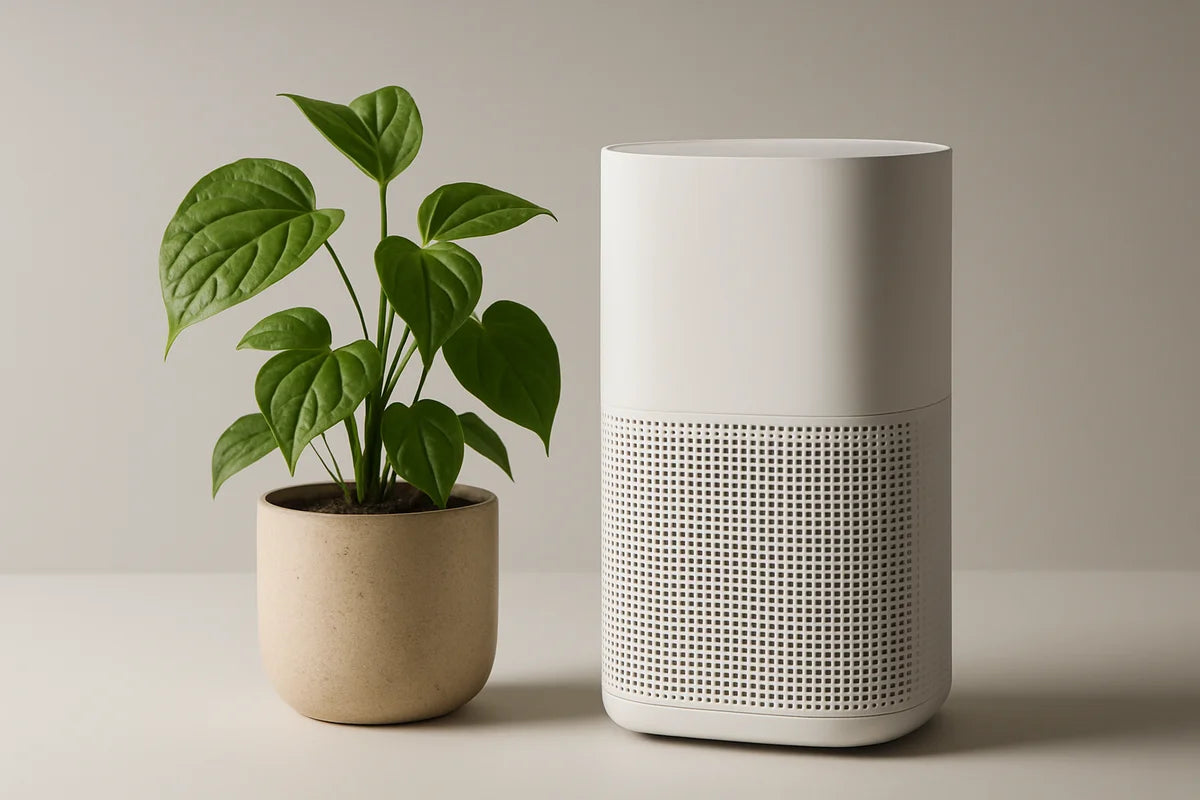
A good air purifier can reduce airborne particles like dust, dander, and smoke. The key is picking one that matches your room and doesn’t create new irritants.
- Look for True HEPA or HEPA H13 language and a clean air delivery rate (CADR) listed for smoke, dust, and pollen.
- Pick a unit sized for your room. Oversizing is fine. Undersizing wastes money.
- Prefer models with low standby power and easy-to-find replacement filters.
- Avoid ionizers and ozone generators. Ozone can irritate lungs.
For a practical way to compare models, the AHAM air cleaner guidance explains CADR and sizing in plain terms.
Eco angle: choose a purifier with durable construction and replaceable parts. A “cheap” unit that dies in a year creates more waste than a solid unit you keep for a decade.
Use your HVAC filter like a lung, not a decoration
If you have forced-air heating or cooling, your system can help filter the whole home. It can also spread dust if you ignore it.
- Use a quality pleated filter. Many homes do well in the MERV 11-13 range, but your system must handle the airflow.
- Change filters on schedule. Set a calendar reminder.
- Run the fan on “auto” or “circulate” if your system supports it and your energy use stays reasonable.
If you’re unsure what your system can handle, ask an HVAC pro. For deeper context on filtration and ventilation, Building Science Corporation’s residential ventilation overview is one of the clearer resources.
Ventilate smarter, not harder
Fresh air helps, but outdoor air isn’t always clean. Pollen, wildfire smoke, and traffic pollution can spike. The trick is timing and control.
- Air out your home when outdoor air looks good (after rain can help, high pollen days won’t).
- During smoke events, keep windows closed and run filtration instead.
- If you remodel or build, consider balanced ventilation (like an ERV) that brings in fresh air while managing humidity and heat loss.
Want a simple way to track outdoor conditions? A practical tool like AirNow’s AQI reports helps you decide when to open windows and when to seal up.
Switch to low-tox cleaning that still cleans
Asthma-friendly cleaning doesn’t need a strong scent. In fact, fragrance often causes more trouble than the dirt.
- Use fragrance-free products whenever possible.
- Start with basics: mild soap, water, microfiber cloths.
- For disinfecting, follow label directions and ventilate during and after use.
- Skip “air fresheners” and scented plug-ins. They add chemicals, not cleanliness.
If you want a shortcut for safer product picks, EWG’s cleaning product guide can help you compare options, especially for fragrance and ingredient transparency.
Cook without turning your kitchen into a smoke test
Cooking can release fine particles and gases, especially with gas stoves or high-heat frying. This can be a hidden trigger for asthma sufferers.
- Always use a vented range hood that exhausts outdoors, not a recirculating fan.
- Use back burners and keep pans covered to reduce smoke.
- If you use gas, keep the flame blue and get your stove serviced if it burns yellow or soots.
- Try more low-smoke cooking methods (baking, steaming, slow cooking) on bad symptom days.
Room-by-room plan for asthma-friendly, low-waste air
You don’t need to fix everything at once. Start where you breathe the most: the bedroom. Then move outward.
Bedroom: your top priority zone
- Keep pets out if you can. If you can’t, keep them off the bed.
- Use a HEPA purifier sized for the room and run it on a steady setting at night.
- Choose washable rugs over wall-to-wall carpet when possible.
- Keep surfaces easy to dust. Fewer knickknacks means less buildup.
Living room: manage fabrics and traffic
- Wash throws and cushion covers regularly.
- Use a doormat and take off shoes at the door to cut tracked-in pollen and soot.
- Dust with a damp cloth, not a dry feather duster.
Bathroom: stop mold before it starts
- Run the fan every shower and check that it vents outside.
- Fix dripping fixtures and recaulk gaps that collect water.
- Use a squeegee on shower walls to cut moisture fast.
Kitchen: target fumes and particles
- Use the range hood every time you cook, even for “quick” meals.
- Keep your trash covered and emptied often to reduce odors that tempt you to use air fresheners.
- Store cleaning products sealed and away from heat.
How to spot greenwashing in “eco” air products
Some products sell an image, not results. If you have asthma, you need proof, not promises.
Be cautious with “natural” scents
Essential oils can still irritate airways. “Natural” doesn’t mean asthma-safe. Diffusers also add particles to the air. If fragrance sets off symptoms, skip scented products entirely.
Watch for vague purifier claims
- If a purifier doesn’t list CADR or room size, treat that as a red flag.
- If it talks about “activated oxygen,” “plasma,” or “ion tech” but won’t say what it emits, move on.
- If it claims to remove “100% of pollutants,” it’s marketing, not science.
Build a low-cost way to measure progress
You don’t need a lab to see changes. You need a few signals you can track.
Use symptoms as a data point, not the only one
Track nights with coughing, rescue inhaler use, and morning tightness. If symptoms improve after a change, you learned something useful. If they don’t, adjust.
Consider an indoor air monitor for PM2.5 and humidity
A basic monitor can show spikes from cooking, candles, or vacuuming. Use it to change habits.
- PM2.5 helps you see fine particle pollution.
- Humidity helps you prevent dust mites and mold.
Eco friendly air quality solutions for asthma sufferers work best when you match them to your real triggers. Monitoring helps you avoid guessing.
Smart buying tips that reduce waste
Air quality gear can create its own footprint. Buy less, buy better, and keep it running well.
- Pick purifiers with long-lasting filters and clear replacement schedules.
- Buy one good unit for the bedroom before you buy three weak ones.
- Set reminders for filter changes and vacuum maintenance.
- Repair when you can. A new motor or gasket can beat a whole new machine.
When to talk to a pro
Sometimes home fixes hit a wall. Get help if:
- You see recurring mold or smell musty odors that won’t go away.
- Your asthma worsens in one room or after HVAC runs.
- You had water damage and never dried the area fully.
- You suspect a gas appliance problem or backdrafting.
An indoor air quality consultant or a reputable HVAC company can test airflow, check ventilation, and spot hidden moisture. If you rent, ask your landlord about ventilation, leaks, and filtration options. Many fixes are basic maintenance, not luxury upgrades.
Where to start this week
If you want a simple path, do this in order:
- Remove scented sprays, plug-ins, and candles from your main living spaces.
- Set bathroom fan rules: on during showers, 20 minutes after.
- Wash bedding hot, add allergen covers, and declutter the bedroom floor.
- Check your HVAC filter and replace it with a quality pleated filter that fits well.
- Add a HEPA air purifier to the bedroom and run it nightly.
- Use AirNow to time window airing and to plan for smoke days.
Over time, you’ll learn what matters most in your home. That’s the real promise of eco friendly air quality solutions for asthma sufferers: fewer triggers, fewer chemicals, and a space that supports your lungs instead of testing them. Start small, measure what changes, and keep building from there.