Working from home should feel like a win. But if you sneeze through meetings, wake up stuffy, or get itchy eyes by mid-afternoon, your home office may be the problem. Indoor allergens build up fast in the rooms we live and work in all day. The good news is you can cut them down without turning your life into a cleaning marathon.
This article walks through practical, low-fuss ways to reduce indoor allergens while working from home. You’ll learn what to target first, which changes pay off most, and how to keep your workspace comfortable through every season.
What counts as an indoor allergen in a home office?

Most home office allergy issues come from a short list of offenders. If you know what you’re dealing with, you can fix the root cause instead of guessing.
- Dust mites (they thrive in fabrics and bedding)
- Pet dander (tiny flakes of skin and dried saliva)
- Mold spores (from damp areas, leaks, or poor airflow)
- Pollen (tracked in on shoes, clothes, and through open windows)
- Cockroach allergens (more common in multi-unit buildings)
- Smoke and fine particles (candles, fireplaces, cooking, nearby wildfire smoke)
The tricky part: allergens don’t always stay where they start. Airflow, HVAC systems, and foot traffic spread them from room to room.
Start with the air you breathe all day

If you want quick relief, focus on what floats. Airborne allergens hit you while you sit still, type, and talk. That’s why air fixes often feel like the biggest upgrade.
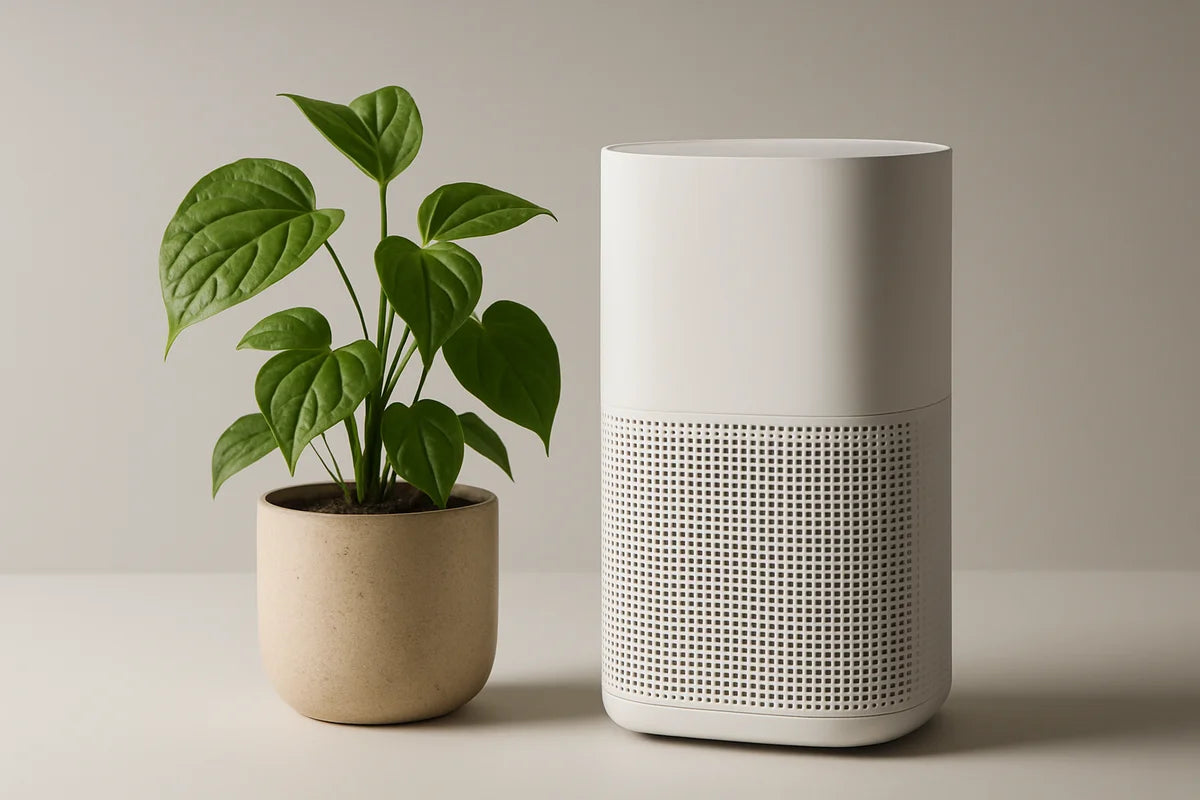
Use a HEPA air purifier sized for the room
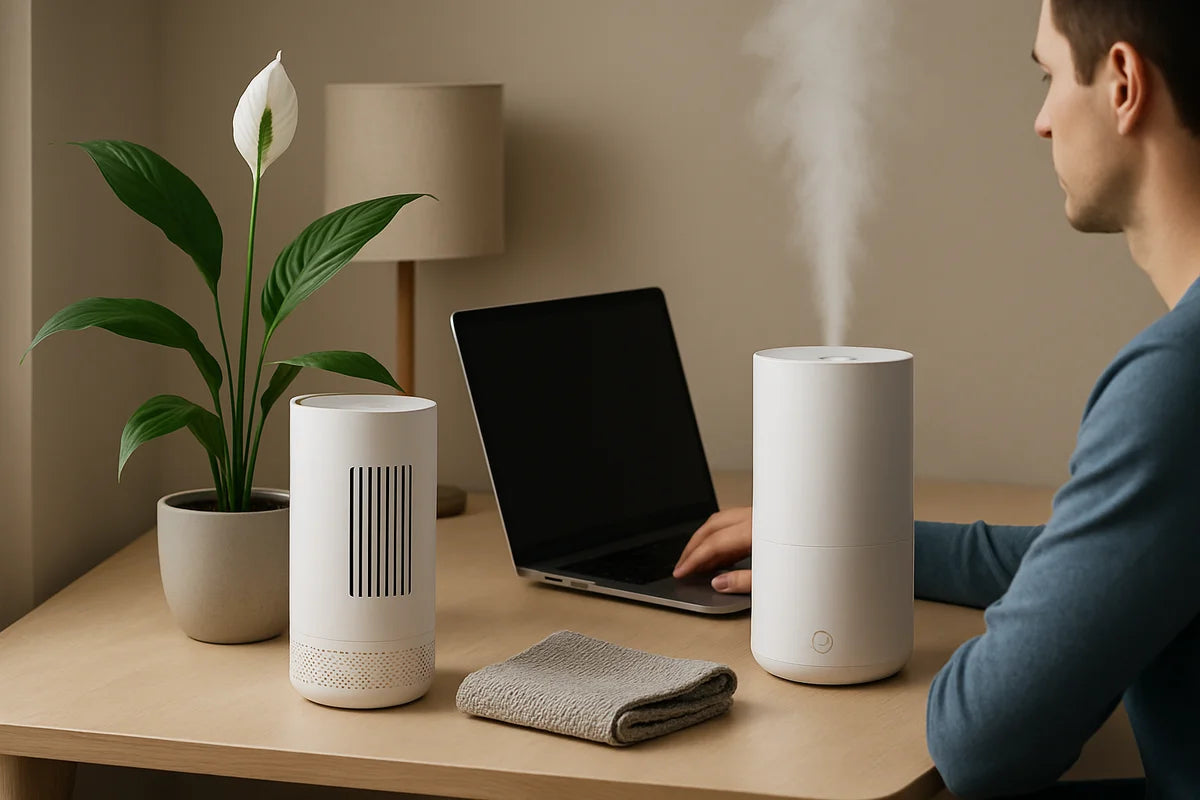
A true HEPA filter can capture many common particles, including dander and pollen. Place the purifier in your office, not the hallway, and run it long enough to matter. “Auto” mode helps, but continuous low-to-medium often works better during allergy season.
When choosing one, match the CADR and recommended room size to your square footage. For background on indoor particles and filtration basics, the EPA’s guide to air cleaners and filters gives a clear overview.
- Put the purifier a few feet from your desk, with space around the intake.
- Keep doors and windows consistent. A purifier can’t “win” if you keep dumping outdoor pollen into the room.
- Replace filters on schedule. A clogged filter drops performance.
Swap HVAC filters more often (and pick the right rating)
If your home uses forced air heat or AC, your HVAC filter matters. A higher MERV rating can trap smaller particles, but don’t jump to the highest number without checking your system. Some systems can’t handle very restrictive filters.
Many homes do well with a mid-range filter (often around MERV 8-13), but your best choice depends on airflow and your unit. For a solid, plain-English breakdown of MERV ratings, see Energy Vanguard’s explanation of MERV filters.
Control humidity to make the room less allergen-friendly
Humidity plays both sides. High humidity helps mold grow and can increase dust mite activity. Very low humidity can dry your nose and throat, which makes symptoms feel worse.
A good target for many homes is around 30-50% relative humidity. Use a cheap hygrometer to stop guessing. If you need more detail on humidity and health, CDC guidance on mold explains why moisture control is central.
- If humidity stays high, run a dehumidifier and fix the moisture source.
- If humidity crashes in winter, a humidifier can help comfort, but clean it often to prevent mold.
Clean smarter so allergens don’t build up
You don’t need perfect cleanliness. You need repeatable habits that stop allergen load from creeping up week after week.
Vacuum with a sealed HEPA vacuum (and use the right attachments)
Not all vacuums help allergies. Some blow fine dust back into the room. Look for a vacuum with a sealed system and HEPA filtration, especially if you have wall-to-wall carpet or pets.
- Vacuum high-traffic paths 2-3 times a week during peak allergy months.
- Use the crevice tool on baseboards and along the edge where carpet meets the wall.
- Vacuum upholstered chairs and fabric desk mats, which collect dander fast.
Dust in a way that traps particles instead of spreading them
Dry dusting can launch allergens into the air. Use a slightly damp microfiber cloth, rinse it often, and work top to bottom.
- Start with shelves, monitor tops, frames, and window sills.
- Wipe the desk surface, then chair arms and legs.
- Finish with the floor last (vacuum or damp mop hard floors).
Wash fabrics on a schedule
Fabrics act like allergen sponges. In a home office, that often means throw blankets, curtains, and even the clothes you drape on a chair.
- Wash blankets and removable covers weekly if you use them daily.
- Wash curtains monthly or switch to washable shades.
- If you use a space heater, don’t pile fabric near it. Warm, dusty fabric can smell and irritate airways.
If you take breaks on your bed and then return to your desk, you’re also bringing bedroom allergens into your work zone. Bedroom steps matter too. The American Academy of Allergy, Asthma & Immunology overview of dust mite allergy has practical pointers that carry over to any fabric-heavy room.
Fix the “hidden” sources in your workspace
Some allergy triggers don’t look like triggers. They look like normal home stuff.
Declutter the desk area (paper stacks hold dust)
Piles of paper, cardboard shipping boxes, and open storage collect dust and make cleaning annoying, so you do it less. If you want ways to reduce indoor allergens while working from home, this is a quiet win.
- Recycle cardboard quickly instead of storing it in the office.
- Use closed bins or drawers for paper files.
- Keep the floor under the desk clear so you can vacuum it easily.
Watch out for soft, porous office gear
Fabric desk chairs, felt organizers, and thick area rugs trap allergens. You don’t need to replace everything, but if symptoms stay stubborn, consider swapping one item at a time.
- A chair with a wipeable surface is easier to keep low-allergen.
- A thin, washable rug beats a plush one.
- A silicone or wipeable desk mat collects less dust than cloth.
Clean your keyboard, mouse, and headset
You touch these all day. Skin flakes, pet dander, and dust build up in crevices. Quick weekly cleaning helps more than people think.
- Use a microfiber cloth lightly dampened with water or 70% isopropyl alcohol (check device maker guidance first).
- Use compressed air for keyboards if you can do it outside.
- Wipe headset pads and let them dry fully before use.
Keep pollen from hitching a ride into your home office
Pollen isn’t only an outdoor problem. You bring it inside on shoes, hair, skin, and clothes.
Make the entryway a “pollen checkpoint”
- Leave shoes at the door, or at least outside the office.
- Use a washable entry mat and clean it often.
- Hang coats away from your desk so pollen doesn’t shake out near you.
Change how you use windows and fans
Fresh air feels good, but open windows can spike indoor pollen fast on high-count days. If you rely on open windows, check daily pollen forecasts and ventilate at lower-pollen times when possible.
For practical allergy-season habits, Harvard Health’s seasonal allergy tips covers simple steps like timing outdoor activity and reducing indoor carry-in.
Pet allergens and working from home
Pets and work-from-home life often go together. If you’re allergic, you don’t have to choose between breathing and bonding, but you do need rules.
Create one pet-free zone (your office if you can)
The easiest place to reduce indoor allergens is the room where you spend your workday. If your pet sleeps under your desk, dander builds up right where you breathe.
- Keep the office door closed if possible.
- Use a purifier in the office even if you run one elsewhere.
- Wash pet bedding often, and keep it out of your work room.
Grooming and bathing help, but consistency matters
Brush pets regularly, ideally outside. If bathing works for your pet, stick to a schedule your vet supports. Small weekly actions beat a big cleanup once a month.
Don’t ignore moisture, leaks, and musty smells
If you smell mustiness, treat it like a warning sign. Mold issues can trigger allergy symptoms and irritate the lungs even in people without classic allergies.
Find the moisture source first
- Check window frames and sills for condensation.
- Look under the desk if it sits near an exterior wall.
- Inspect around HVAC vents for dampness or staining.
- Watch for roof or plumbing leaks, even small ones.
If you rent, report leaks early. If you own, fix them fast. Cleaning without fixing moisture just buys time.
Use exhaust fans and airflow where it counts
Bathrooms and kitchens feed moisture into the rest of the home. Run exhaust fans during showers and cooking, and keep doors closed when possible. If your office sits near a bathroom, this matters more.
Set up your home office for low-allergen living
You can design your work zone so it stays cleaner with less effort. That’s the goal: fewer triggers with less time spent chasing dust.
Pick easy-clean surfaces
- If you can, choose hard flooring over carpet in the office.
- Use washable curtains or blinds.
- Store items in cabinets or bins with lids.
Place your desk with airflow in mind
Don’t push your desk right under a supply vent that blows dust onto your keyboard. Also avoid sitting in a dead corner where air never moves.
- Keep vents clear and vacuum vent covers now and then.
- Don’t block returns with boxes or furniture.
A simple weekly routine that actually sticks
If you want ways to reduce indoor allergens while working from home, you need a plan you’ll follow even on busy weeks. Here’s a realistic routine many people can keep.
Daily (5 minutes)
- Open the purifier intake area (no clothes piles, no stacked papers in front of it).
- Quick wipe of desk surface if you see dust or pet hair.
- Keep food scraps out of the office to avoid pests and extra particles.
Twice a week (15 minutes)
- Vacuum the office floor and the chair.
- Damp-dust the desk, shelves, and window sill.
Weekly (20-30 minutes)
- Wash office blankets or throws.
- Wipe keyboard, mouse, headset, and phone.
- Empty trash and recycling, especially cardboard.
Monthly (30-60 minutes)
- Check and clean vent covers.
- Wash curtains or wipe blinds.
- Inspect for moisture and musty spots near windows and exterior walls.
When symptoms don’t improve
If you’ve cleaned, filtered, and controlled humidity but still feel rough at your desk, treat it as a clue. Something else may be going on.
- Your purifier may be too small for the room or placed poorly.
- You may have a hidden moisture problem behind a wall or under flooring.
- Your symptoms may come from irritants (like fragrance sprays) rather than allergens.
- You may need medical advice and a clear diagnosis.
If you suspect your home has a broader air quality issue, you can explore local testing resources or talk with an HVAC pro. For a practical overview of indoor air quality steps beyond allergy basics, IAQ.Works resources on indoor air quality offers helpful education from an industry perspective. For a more DIY way to understand your air, a consumer-friendly option is the AirNow site, which helps you track outdoor conditions that often drive indoor symptoms too.
Where to start this week
If you feel overwhelmed, don’t try to fix everything at once. Start with the steps that cut exposure during your work hours.
- Put a HEPA air purifier in your office and run it every workday.
- Vacuum the office floor and chair with a HEPA vacuum.
- Wash or remove one dust-heavy fabric item near your desk.
- Check humidity and correct it if it stays high.
- Set one rule that stops pollen and pet dander at the office door.
Once those habits run on autopilot, you can go further: upgrade filters, adjust room layout, and tackle moisture risks before they turn into bigger problems. Your home office should support your focus, not fight your lungs. The sooner you lower allergen levels, the more normal your workdays will feel.