City apartments can feel like a pressure cooker. You’ve got noise, tight space, bright streetlights, thin walls, and a schedule that never seems to slow down. Stress builds fast when your home can’t help you recover.
The good news: you don’t need a bigger place to feel better. You need a smarter setup and a few repeatable habits. Below are practical tips for reducing stress in urban apartments, focused on what you can control: your air, light, sound, clutter, routines, and boundaries.
Start with the basics: what’s stressing you out at home?

Before you buy anything or rearrange furniture, do a quick stress audit. Stress in an apartment often comes from a few repeat sources:
- Noise that breaks your focus or sleep
- Clutter that makes every task feel harder
- Bad sleep due to light, heat, or an uncomfortable setup
- Stale air, odors, or dust that makes you feel sluggish
- No clear “work is over” boundary
- Too little privacy, even when you live alone
Pick the top two that hit you most days. Fixing just those can drop your stress more than ten small changes.
Make your apartment quieter (even if you can’t control the street)
Noise is one of the fastest ways to stay on edge. It keeps your body on alert, even when you think you’re used to it. The World Health Organization links long-term noise exposure with sleep problems and stress-related health effects. If you want deeper background, see WHO guidance on environmental noise.
Use “soft mass” to absorb sound
You can’t soundproof most rentals, but you can soften the room so noise doesn’t bounce around.
- Add a thick rug or rug pad, especially if you have hard floors.
- Hang heavier curtains. Blackout curtains help with light and sound.
- Put a bookshelf (with real books) on a shared wall.
- Lean a fabric headboard or a wall hanging behind your bed if the wall is thin.
Create a steady sound that you control
Sudden noise triggers stress more than steady noise. A simple fix: mask it.
- Run a fan at night (cheap and effective).
- Try a white noise app or speaker if fans don’t cut it.
- If you need gear, Wirecutter’s white noise machine picks are a practical place to start.
Talk to neighbors like a human, not a lawyer
If a neighbor’s noise spikes your stress, a calm, direct chat often works better than a complaint. Keep it simple:
- State the problem (time and sound type).
- Ask for one clear change (lower bass after 10 pm, rugs in the hallway).
- Offer a trade if it helps (you’ll text instead of knocking).
If you can’t fix the source, protect your sleep anyway. Earplugs are boring, but they work.
Fix light and sleep first (stress drops when sleep improves)
Sleep is your stress reset button. When it’s off, everything feels louder, harder, and more personal.
Block light like you mean it
Streetlights, billboards, and early sun can wreck sleep in a city. Aim for “cave dark” in the bedroom.
- Use blackout curtains or a blackout liner.
- Cover LED lights on devices with a small sticker or tape.
- If your bedroom can’t go dark, wear a sleep mask.
If you want the why, the National Sleep Foundation explains how light affects your sleep-wake cycle in their overview of light and sleep.
Cool the room down
Many people sleep better in a cooler room. If your apartment runs warm:
- Use a fan to move air across the bed, not just around the room.
- Swap heavy bedding for a breathable sheet and lighter blanket.
- Close blinds during the day to reduce heat gain.
Keep the bed for sleep (and sex) only
If you work from bed, your brain stops linking your bed with rest. In a studio, this matters even more. Try one of these:
- Work at a table or counter, even if it’s small.
- If you must work near the bed, put your laptop away fully when you’re done.
- Change the lighting at night so the space feels different.
Clean your air without turning your home into a lab
Stale air can make you tired and irritable. Dust and odors also add a low-grade sense of “something’s off.” For renters, air quality is one of the best stress-reduction upgrades because it improves how your body feels day to day.
For a solid overview, the EPA’s indoor air quality basics cover common pollutants and practical steps.
Ventilate on purpose
- Open two windows for 5 to 10 minutes to create cross-breeze (even in winter).
- Run the bathroom fan during and after showers.
- Use the range hood when cooking, even for “quick” meals.
Use a HEPA air purifier if you deal with dust or smoke
If you live near traffic, deal with wildfire smoke, or just have a dusty building, a purifier can help. Look for “HEPA” and match it to your room size.
Need a tool to pick the right size? This AHAM CADR guide explains clean air delivery rates in plain terms.
Keep “smell stress” under control
Some apartment stress comes from smells you can’t ignore: trash, cooking, pets, stale closets. Skip heavy scents that just cover it up. Do this instead:
- Take trash out more often than you think you should, especially food waste.
- Wash soft items that hold odor (throws, cushion covers, bath mats).
- Use baking soda in the fridge and in shoes.
- Clean the sink drain and garbage disposal if you have one.
Declutter in a way that doesn’t eat your weekend
Clutter adds friction. You waste time looking for stuff, your space feels smaller, and you never feel “done.” But decluttering can also feel like a huge project, which adds stress. Keep it tight and repeatable.
Try the 10-minute “surface reset”
Set a timer for 10 minutes. Clear only the surfaces you touch most: kitchen counter, coffee table, bathroom sink, entry shelf. Stop when the timer ends. Do it daily or every other day.
Why it works: you get a visible win fast, and your brain relaxes when it sees clear space.
Give every high-use item a home within one step
If something you use every day doesn’t have a spot, it becomes clutter. Fix the “no home” items first:
- Keys and wallet: one tray by the door.
- Chargers: one basket, not three outlets.
- Mail: one standing file or bin, emptied weekly.
- Workout gear: one hook or cube near where you use it.
Use small-space storage that doesn’t look like storage
- Under-bed bins for off-season clothes.
- Over-door hooks for towels, bags, or cleaning tools.
- An ottoman with hidden storage for blankets and cables.
- A slim rolling cart for bathroom or kitchen overflow.
If you want renter-friendly layout ideas, Apartment Therapy’s small-space tips can spark solutions without big spending.
Create “zones” so your brain can switch off
One reason city living feels intense: your home becomes your office, gym, dining room, and social spot. Without clear zones, your mind stays half-on all day.
Use light to mark a change in mode
You don’t need more space. You need a cue.
- Work mode: brighter, cooler light.
- Off mode: warmer, dimmer light in the evening.
- If you can, use one lamp only for wind-down time so it signals “we’re done.”
Set up a “landing strip” by the door
This is one of the best tips for reducing stress in urban apartments because it cuts the daily scramble. Keep it simple:
- A hook for keys and a bag
- A tray for wallet, metro card, earbuds
- A spot for shoes that won’t block the path
When your entry feels calm, you start and end the day better.
Make a tiny recovery corner
Pick one chair, one cushion on the floor, or one window ledge. No work allowed there. Add one calming object:
- A book
- A plant
- A small lamp
- A notebook
The point is not decor. The point is permission to rest.
Use micro-habits that lower stress on busy days
Apartment changes help, but your daily stress level depends on what you do when you walk in the door, when you hit a snag, and when your mind won’t stop.
Do a 2-minute breathing reset
When you feel wired, use a simple pattern: breathe in slowly through your nose for 4 seconds, out for 6 seconds. Repeat for 2 minutes.
Slower exhales help your body shift toward calm. For a clear explanation of how this ties to stress response, see the American Psychological Association’s overview of how stress affects the body.
Try a “close the day” ritual
If you work from home, stress follows you because there’s no commute to mark the end. Build a short ritual instead:
- Write down the top three tasks for tomorrow.
- Shut the laptop fully and put it out of sight.
- Do one small home reset: dishes, trash, or a quick sweep.
It’s not about productivity. It’s about telling your brain the shift is real.
Move for five minutes when your mind spins
Stress is physical. If you sit still, it lingers. When you feel stuck:
- Do a brisk stair walk if your building allows it.
- Do a short mobility routine (hips, shoulders, neck).
- Put on one song and tidy while it plays.
Handle neighbor and roommate stress with clear rules
City apartments push people close. Boundaries keep small annoyances from turning into daily stress.
Set quiet hours and defaults
If you live with others, agree on basics:
- Quiet hours for calls, music, and guests
- Kitchen and bathroom routines in the morning
- Rules for shared items (paper towels, dish soap, streaming logins)
Write it down. A shared note prevents repeat fights.
Protect one private routine
Privacy reduces stress, even when you like your roommates. Claim one routine that’s yours alone:
- Tea by the window before work
- A short walk after dinner
- Reading in bed for 15 minutes
People respect what you repeat.
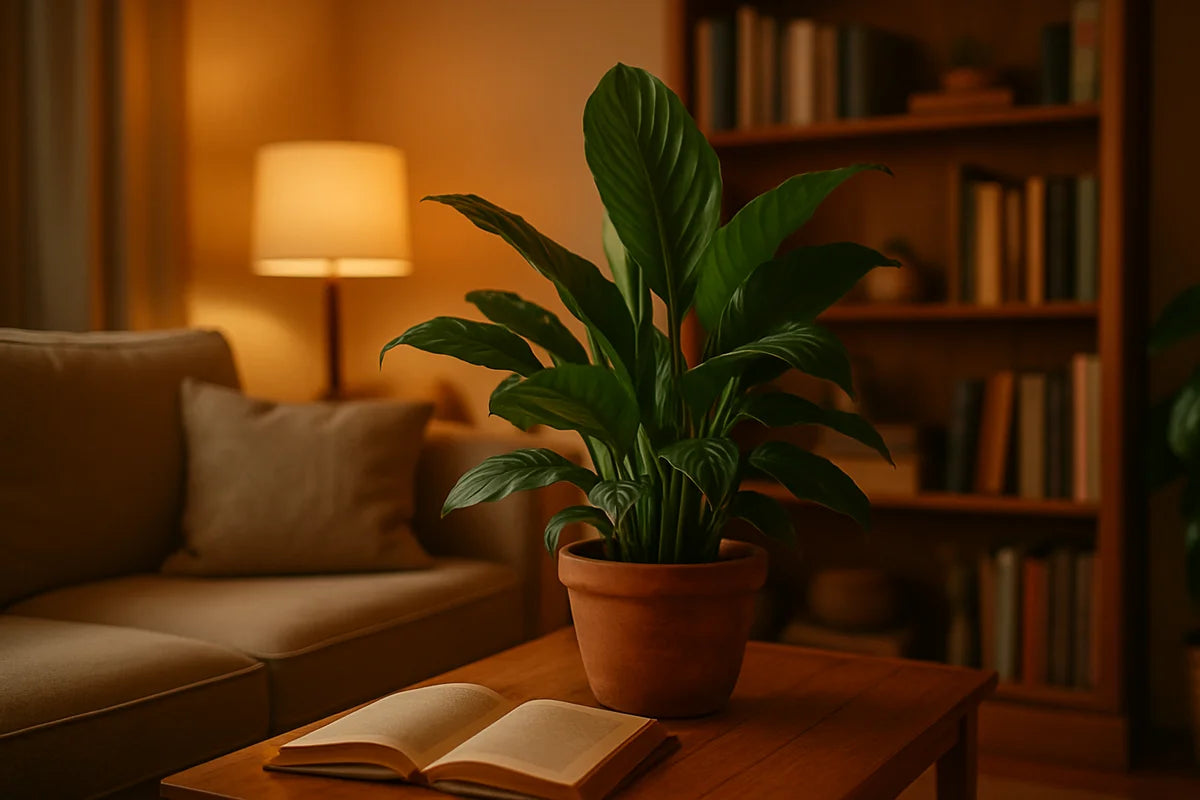
Bring nature in, even if you don’t have a balcony
Greenery helps many people feel calmer, and plants can make a small space feel more alive. You don’t need a jungle. One tough plant can shift the feel of a room.
Pick low-drama plants
- Snake plant
- Pothos
- ZZ plant
- Spider plant
If you’re new to plants, the Royal Horticultural Society’s houseplant advice is straightforward and beginner-friendly.
Use “nature cues” if plants aren’t your thing
- Natural textures (cotton, wood, stone)
- Photos or prints of places that feel quiet to you
- A small water pitcher and glass on the counter to prompt hydration
Stress drops when your space nudges you toward basic care.
Where to start this week
If you want quick momentum, do three things in seven days:
- Make your bedroom darker and quieter, even if it’s just a mask and a fan.
- Do a 10-minute surface reset each night for three nights.
- Create one zone that’s not for work, even if it’s just one chair and a lamp.
Once those changes stick, you’ll spot the next stress trigger faster. That’s the real win. Your apartment won’t get bigger, and the city won’t get quieter, but your home can still become a place where your body settles down the moment you walk in.