Houseplants have a strong reputation as a natural air purifier plant. You’ve probably heard that a few pots of greenery can “clean the air” in your home. There’s a kernel of truth in that idea, but it needs context.
Plants can trap some dust, add moisture to dry rooms, and in lab tests they can remove certain chemicals from sealed chambers. But your home isn’t a sealed chamber. Real indoor air moves, leaks, and mixes fast. That means plants work best as part of a bigger plan: smarter ventilation, fewer pollution sources, and a few well-chosen plants that you can keep alive.
This article breaks down what the science really says, which plants make the most sense, and how to use them in a practical way.
Can a natural air purifier plant really clean indoor air?

Plants interact with indoor air in a few main ways:
- Leaves catch particles like dust and pet dander. You can wipe them off, which removes that dust from the room.
- Some plants release moisture through transpiration, which can raise humidity in dry seasons.
- In controlled lab setups, plants and their root microbes can reduce certain volatile organic compounds (VOCs).
The sticking point is scale. Many classic “plants clean the air” claims come from laboratory studies in sealed containers. Your living room is not sealed, and air exchange can dilute pollutants much faster than a plant can absorb them.
The EPA’s guide to indoor air quality focuses on source control and ventilation first, because those steps change indoor air quickly and reliably. Plants can still help, but more as a support act than the headliner.
If you want a deeper research-based take, this review in Scientific Reports explains why plants alone usually can’t remove VOCs fast enough in real buildings. That doesn’t make plants useless. It just sets a realistic bar.
What plants do well: the real benefits you’ll notice

They make rooms feel better
This sounds soft, but it matters. A room with healthy plants often feels calmer and more “finished.” That can nudge you to open windows, tidy surfaces, and care more about the space. Those habits affect air quality more than people think.
They can help with dryness
In winter, indoor air often gets dry. Some larger leafy plants can add moisture. You won’t get rainforest humidity from a pothos, but you might notice less static and slightly happier skin if you group plants together and keep them watered.
They capture dust on leaf surfaces
Leafy plants act like low-level dust catchers. The key is maintenance: dust on leaves stays in the room until you remove it. A quick wipe with a damp cloth every week or two makes the “dust trap” effect real.
What plants don’t do (so you don’t waste money)
- They don’t replace a HEPA air purifier if you have smoke, wildfire haze, or allergies.
- They won’t solve mold, a gas appliance issue, or high carbon monoxide. Those need real fixes and sometimes professional help.
- They won’t “detox” a home filled with strong VOC sources like fresh paint, new carpeting, or heavy fragrance products.
If you’re dealing with a specific pollutant, start by measuring and reducing sources. The CDC’s indoor environmental quality resources explain common indoor risks and what to do about them.
Best natural air purifier plants for most homes
The “best” plant is the one you won’t kill. Choose plants that match your light, your schedule, and your pets. Here are options that tend to do well indoors and give you broad benefits like leaf area, easy care, and decent resilience.
Snake plant (Sansevieria/Dracaena trifasciata)
- Why it’s a good pick: Tough, drought-tolerant, handles low light.
- Care tip: Let soil dry out between waterings. Overwatering is the main killer.
- Best spot: Bedroom or living room corners where other plants struggle.
Spider plant (Chlorophytum comosum)
- Why it’s a good pick: Fast-growing, forgiving, easy to propagate.
- Care tip: Likes bright, indirect light but adapts to medium light.
- Best spot: Shelves, hanging planters, kitchens with decent light.
Pothos (Epipremnum aureum)
- Why it’s a good pick: Vines quickly add leaf area and tolerate imperfect care.
- Care tip: Water when the top inch of soil dries. Trim to keep it full.
- Best spot: High shelves, bookcases, or trained along a wall.
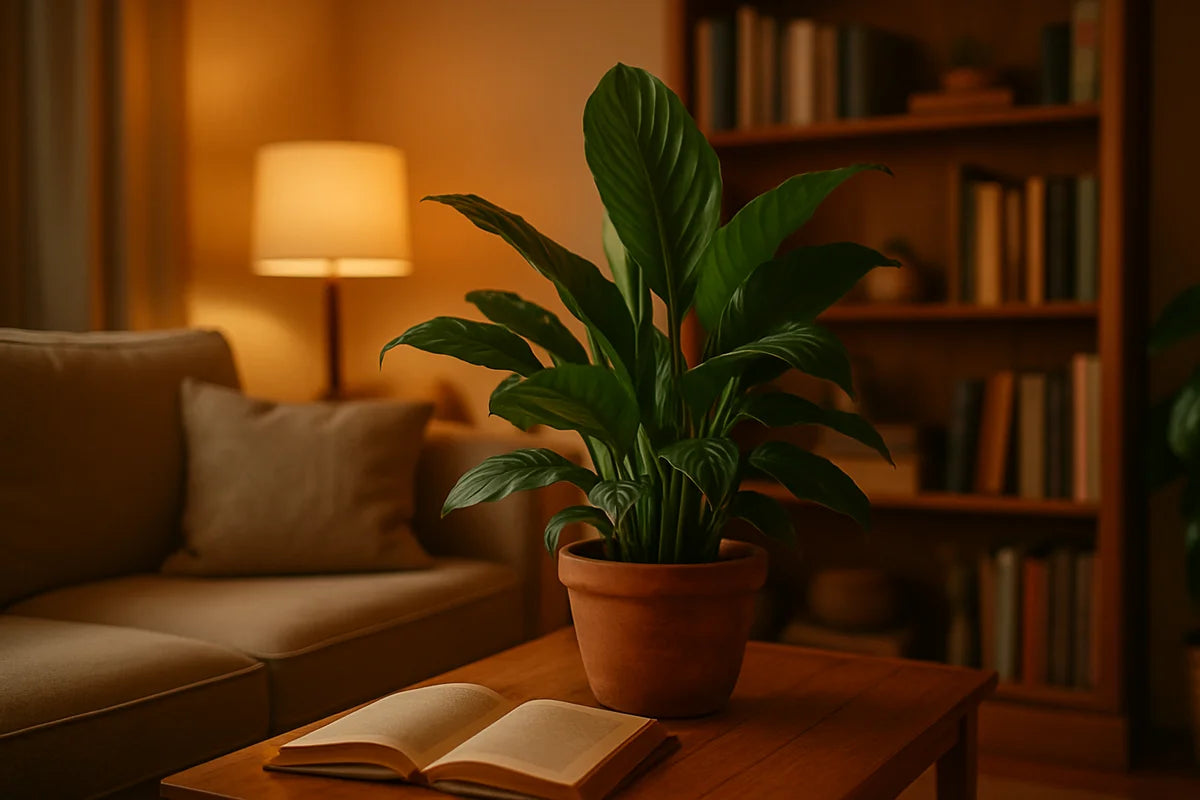
Peace lily (Spathiphyllum)
- Why it’s a good pick: Big leaves, clear “I’m thirsty” droop signal, flowers in good light.
- Care tip: Keep soil lightly moist, not soggy. Bright, indirect light helps.
- Best spot: Bathrooms with a window, bedrooms, home offices.
Rubber plant (Ficus elastica)
- Why it’s a good pick: Large, thick leaves that collect dust well.
- Care tip: Give bright, indirect light and rotate the pot for even growth.
- Best spot: Near a bright window (not harsh midday sun).
Areca palm (Dypsis lutescens)
- Why it’s a good pick: Lots of fronds means lots of surface area and noticeable humidity support.
- Care tip: Likes consistent watering and brighter light than many “low light” lists suggest.
- Best spot: Large rooms with good daylight.
Want plant-by-plant care that’s easy to follow? The Royal Horticultural Society plant database is a practical reference when you inherit a mystery plant or need a quick care reset.
How to use plants for cleaner-feeling air (without pretending they’re machines)
1) Start with the rooms where you spend the most time
Put your natural air purifier plant where it improves daily life: bedrooms, living rooms, and your desk area. A plant in a rarely used hallway won’t change much.
2) Go for leaf area, not tiny pots
A single larger plant often beats five tiny ones. Big leaves catch more dust and create a stronger “green” effect in the room. If you like smaller plants, group them together.
3) Keep leaves clean
Dust blocks light and reduces plant health. It also defeats the point of using plants as dust catchers. Wipe broad leaves with a damp cloth. For smaller leaves, a quick lukewarm shower works.
4) Don’t overwater
Overwatering can cause fungus gnats and musty soil smells. If your “air purifier plant” makes the room smell swampy, you’ve flipped the script. Use pots with drainage holes, and empty saucers after watering.
5) Pair plants with ventilation habits that work
Plants help most when you also lower indoor pollution:
- Run your kitchen exhaust fan while cooking and for a few minutes after.
- Vent bathrooms during and after showers.
- Air out rooms when outdoor air is good. Even 10 minutes can help.
- Vacuum with a HEPA filter if you have allergies.
For a practical overview of how ventilation affects indoor pollutants, this Energy Vanguard explanation of how homes get fresh air is clear and grounded in building science.
Plants vs air purifiers: when you need more than greenery
If your goal is measurable particle removal, a HEPA air purifier wins. It moves a lot of air through a filter, many times per hour. Plants don’t.
Here’s a simple way to decide:
- If you smell cooking odors, smoke, or strong chemical scents often, focus on ventilation and source control first.
- If you have allergies, asthma, or frequent wildfire smoke, add a real air purifier and use plants for comfort and humidity support.
- If you just want a fresher-feeling room and you enjoy caring for plants, start with plants and basic habits like wiping dust and airing out the space.
When you shop for an air purifier, look at CADR (Clean Air Delivery Rate) and match it to your room size. AHAM’s room air cleaner guidance helps you understand CADR without getting lost in marketing.
Common mistakes with “air purifier plants”
Buying fussy plants for low-light rooms
A fern in a dark corner won’t thrive. Pick plants that match your light. If you can’t read a book comfortably without a lamp, treat it as low light.
Ignoring pet safety
Many popular houseplants can harm cats and dogs if chewed. If you have pets, check toxicity before you buy. The ASPCA toxic and non-toxic plant list is the fastest way to avoid a bad surprise.
Letting soil stay wet
Wet soil can lead to mold on the surface and pest issues. If you want plants to support a clean home, keep the basics tight: drainage, sane watering, and decent airflow around pots.
Expecting fast results
Plants work slowly. Their biggest payoff comes from consistency: healthy growth, cleaner leaves, and a home routine that keeps dust and moisture under control.
Room-by-room plant picks that make sense
Bedroom
- Snake plant for low maintenance
- Peace lily if you can keep a steady watering routine
- Pothos on a shelf if you want green without floor clutter
Kitchen
- Spider plant for bright windows and easy care
- Herbs if you cook a lot (they won’t purify air in any big way, but you’ll use them)
Bathroom
- Peace lily or pothos if you have a window
- Avoid plants that hate humidity swings if your bathroom runs hot and steamy
Home office
- Rubber plant near a bright window for dust-catching leaves
- Snake plant for corners and low light
Where to start (and what to do next)
If you want a natural air purifier plant setup that actually helps your home feel cleaner, start small and build.
- Pick one tough plant (snake plant, pothos, or spider plant) that fits your light.
- Place it where you sit the most, not where it looks best on a listing photo.
- Set a simple routine: water check once a week, wipe leaves twice a month.
- Pair it with one high-impact habit: run exhaust fans, crack windows when outdoor air is good, or upgrade your vacuum filter.
- If you need real particle control, choose a HEPA purifier sized to the room and treat plants as a bonus, not the tool.
Once you’ve kept one plant healthy for a month, add a second with a different shape and height. Over time you’ll get a room that looks better, feels fresher, and nudges you toward the kind of home care that does improve indoor air. That’s the real win: plants that you enjoy, plus habits that scale.