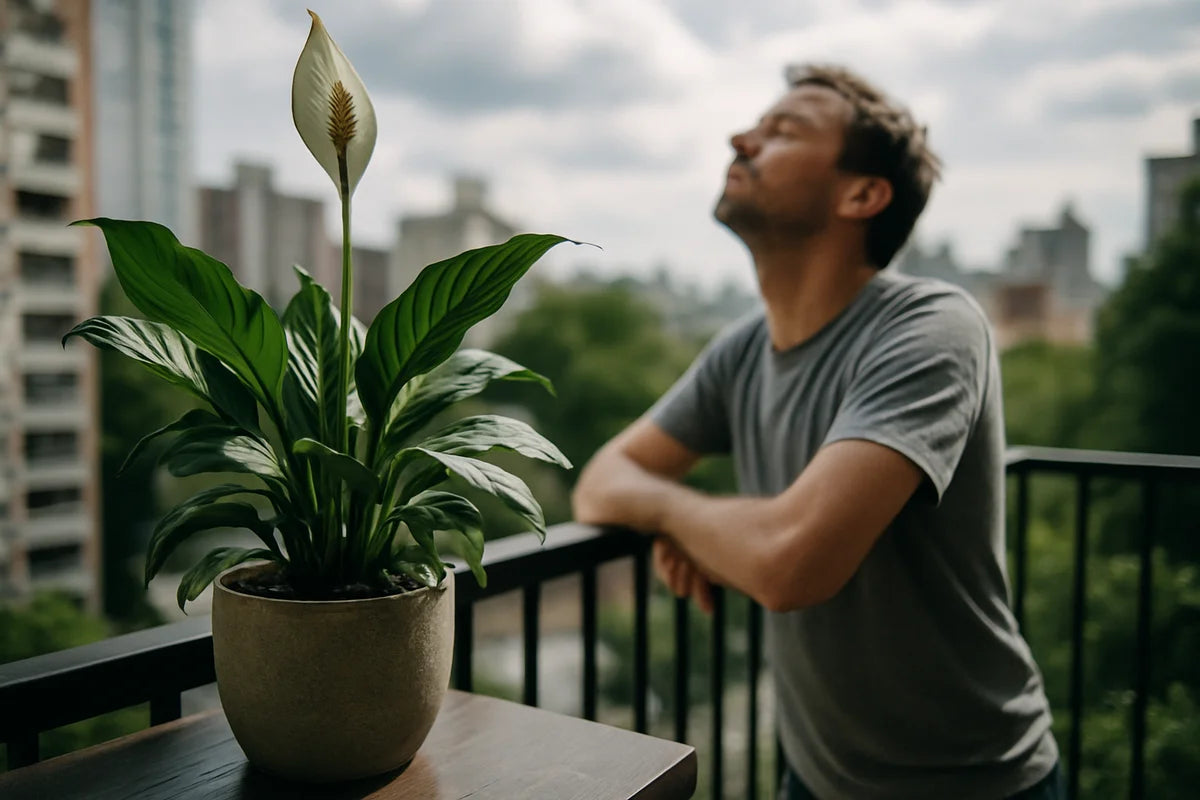
Walk into a room with healthy plants and you can feel the difference. The space looks calmer, softer, more alive. But do plants and clean air really go together in a practical way, or is it just a nice idea we repeat because we want it to be true?
The honest answer sits in the middle. Plants can support cleaner indoor air in a few real ways, but they won’t replace fresh outdoor air, source control, or good filtration. Once you know the limits, you can use plants as part of a clean-air plan that actually works.
Why indoor air gets dirty so fast

Indoor air can be worse than outdoor air, even in places that feel “clean.” The reason is simple: we trap pollutants in a small box and keep adding more.
Common indoor air issues include:
- Particles (PM2.5 and dust) from cooking, candles, fireplaces, and outdoor smoke
- Gases (VOCs) from paint, cleaning sprays, air fresheners, new furniture, and flooring
- Moisture that feeds mold and dust mites
- Carbon dioxide buildup when many people share a space with little ventilation
If you want a quick overview of what counts as “indoor air pollution” and where it comes from, the EPA’s indoor air quality resources lay it out clearly.
Plants and clean air: the science in plain English

Plants interact with air in three main ways:
- They can take in some gases through tiny pores on leaves (stomata)
- They can trap some particles on leaf surfaces
- The potting mix and root zone can host microbes that break down some compounds
That’s the good news. The hard part is scale. A few plants in a room usually won’t remove pollutants fast enough to compete with everyday sources like cooking, scented products, or a busy street outside.
What lab studies really showed
The famous early research that made houseplants popular for air cleaning often used sealed chambers with controlled airflow. In those conditions, plants reduced certain chemicals. But real homes aren’t sealed test boxes. They have doors opening, fans running, windows leaking air, and new pollution sources every day.
This doesn’t mean plants are useless. It means you should treat them like a helper, not the main tool.
For a grounded look at how ventilation and pollutant buildup work in real buildings, ASHRAE’s ventilation standards and guidance are a solid reference point (yes, they can get technical, but the big ideas are clear).
What plants can realistically do for indoor air
1) Support humidity in dry seasons
Plants release water vapor through transpiration. In a very dry home, that can help a bit with comfort: dry skin, scratchy throat, and static shocks. But don’t count on plants to fix humidity on their own. The effect depends on plant size, number, light, and how dry your air is to start.
Aim for a sensible indoor humidity range. Too low feels rough; too high feeds mold. Many building scientists recommend staying around 30% to 50% relative humidity when possible. If you want deeper guidance on moisture control and mold risk, the CDC’s mold information is practical and clear.
2) Reduce stress, which changes how a room feels
This isn’t “air cleaning,” but it matters. People often report better mood and less stress around greenery. When you feel better in a space, you’re more likely to open windows at the right time, clean more often, and keep up habits that do improve air quality.
3) Catch some dust on leaves
Large-leaf plants can collect dust. That’s real, and you can see it. But dust on leaves only helps if you remove it, otherwise it can blow back into the room.
Wipe leaves with a damp cloth every couple of weeks. If you have allergies, do it gently so you don’t kick dust into the air.
What plants can’t do (and the myths that cause trouble)
Myth: “A few plants will detox a room”
Plants can remove small amounts of some pollutants, but normal living adds pollutants faster than most plant setups remove them. If you rely on plants alone, you can miss the big fixes and keep breathing the same mix.
Myth: “Plants replace ventilation”
Ventilation is how you flush out indoor air and bring in fresher air. Plants don’t move air out of your home. If your space feels stuffy, your best bet is still fresh air plus filtration when needed.
Myth: “Any plant is good for any home”
Some homes shouldn’t add lots of plants, especially if you already fight dampness. Overwatering, soggy soil, and poor drainage can raise humidity and invite mold or fungus gnats. Plants and clean air only pair well when you keep the plant setup clean and dry on the surface.
How to use plants as part of a clean-air plan that works
If you want cleaner indoor air, think in layers. Plants can be one layer, but you need the others too.
Step 1: Cut pollution at the source
This gives you the biggest return for the least effort.
- Skip scented sprays and plug-ins. Use unscented cleaners when you can.
- If you’re painting or bringing in new furniture, air out the space and keep windows open when weather allows.
- Use the range hood every time you cook, especially with frying or high heat.
- Don’t burn candles often. If you do, keep it short and ventilate.
Cooking is a major source of indoor particles. For a clear, research-based look at how cooking affects indoor air, IQAir’s overview on cooking and indoor air is a useful starting point.
Step 2: Ventilate on purpose
Cracking a window “once in a while” is not a plan. Ventilation works best when you do it with timing and intent.
- Air out your home after cooking, cleaning, or showering.
- If outdoor air is clean, open windows on opposite sides for a short cross-breeze.
- If outdoor air is smoky or polluted, keep windows closed and rely more on filtration.
Not sure when outdoor air is “clean enough” to bring in? Use a local AQI tool. The AirNow AQI tracker is an easy, practical resource in the US.
Step 3: Filter particles with a real filter
Plants don’t compete with a good HEPA air purifier for particle removal. If allergies, wildfire smoke, pet dander, or dust bother you, filtration is the workhorse.
Basic tips:
- Pick a purifier sized for your room. Check the CADR rating and match it to your square footage.
- Run it on a steady setting instead of only turning it on when the air “seems bad.”
- Change filters on schedule. A clogged filter can’t do its job.
Step 4: Add plants for support, comfort, and small gains
Now plants make sense. They can help with comfort, nudge humidity in dry months, and make you more likely to care for your space. That’s not a gimmick. It’s how habits work.
Which houseplants make the most sense for cleaner-feeling indoor air
No plant is magic, but some are easier to keep healthy, and healthy plants are the only kind worth having. Choose plants you’ll keep alive.
Low-fuss picks for most homes
- Snake plant (Sansevieria): tough, drought-tolerant, handles low light
- Pothos: fast growth, forgiving, works well on shelves or hanging planters
- Spider plant: easy care, good for beginners, grows “babies” you can replant
- Rubber plant: larger leaves that collect dust, likes steady light
- Peace lily: helps signal watering needs (droops), but keep away from pets
If allergies are a concern
Focus on plants that don’t shed lots of pollen indoors and keep leaf dust under control. Also watch the potting mix. The soil surface matters more than people think.
- Use a well-draining mix and pots with drainage holes
- Avoid letting water sit in saucers
- Top-dress with a thin layer of coarse sand or use sticky traps if fungus gnats show up
Plant care that protects indoor air (and avoids mold)
If you want plants and clean air in the same sentence, keep the plant zone clean.
Water with a plan
- Check the soil before watering. Most plants die from too much water, not too little.
- Empty drip trays. Standing water can grow mold and smell musty.
- Water in the morning so the surface dries out faster.
Control the soil surface
Damp soil can feed mold and gnats. You don’t need sterile soil, but you do want it to dry between waterings for many common houseplants.
Clean the leaves
Dusty leaves can block light and slow growth. Wipe broad leaves with a damp cloth. For plants with many small leaves, rinse in the shower with lukewarm water and let them drain.
Watch for hidden issues
- Musty smell near a pot often means the mix stays too wet.
- White fuzzy growth on soil can mean mold. Let it dry more and improve airflow.
- Swarming tiny flies usually means fungus gnats. Let the top layer dry and use traps.
Room-by-room ideas that fit real life
Bedroom
Keep it simple. One or two easy plants you won’t overwater. If you wake up stuffy, focus first on ventilation and filtration, not adding more plants. A small purifier can do more for sleep comfort than a crowded windowsill.
Kitchen
Cooking drives indoor particles. Your best “plant” here is your range hood. Add a hardy plant away from the stove, and keep leaves clean because kitchen air carries grease that sticks to surfaces.
Bathroom
If your bathroom stays damp, don’t pack it with plants. Fix the fan use first. If you have good ventilation, a humidity-loving plant can work, but only if you prevent standing water and wipe condensation when it builds up.
Home office
A plant near your desk won’t scrub the room, but it can make the space feel better, which helps focus. Pair it with an “air habit,” like opening a window for 5 minutes mid-morning when outdoor air looks good.
Common questions about plants and clean air
How many plants do I need to improve indoor air?
Enough plants to make a measurable difference in most homes would be far more than most people want to care for. Use a few plants for comfort and small benefits, then rely on ventilation and filtration for the heavy lifting.
Do plants remove VOCs?
They can remove some VOCs in controlled settings, but real-world impact varies and is often modest. If VOCs worry you, start by choosing low-VOC products, letting new items off-gas with good airflow, and using exhaust fans.
Can plants make air quality worse?
Yes, if you overwater and grow mold in soil or trays, or if you trigger allergies with dusty leaves and damp potting mix. Good care prevents most of these problems.
Looking ahead: cleaner air is a system, not a single fix
Indoor air will keep getting more attention for one reason: we spend a lot of time inside, and small changes add up. Plants fit best when you treat them as one piece of the system. Start by cutting obvious sources, then add steady ventilation and particle filtration. Once those basics are in place, bring in plants you’ll enjoy and keep healthy.
If you want a simple next step today, do this: check your local AQI, air out your home when outdoor air is good, and place one low-fuss plant where you’ll see it every day. Let it be a reminder to keep the air moving and the space cared for.